
Independent NBN cabling for sites · Not NBN Co, not an ISP
NBN reaches the main frame and stops. NBN cabling carries it to every building on your site.
The service is live at the frame by the front gate and dead at the back units, and each tenant's provider says the fault isn't theirs. They're right: the copper between buildings belongs to the site. One NBN cabling inspection maps it, and the quote covers the fix, pair by pair. Quotes are free within 5 km of our Sutherland Shire office. Phone or photo estimates are free where the job allows.
Get a quoteBook a site visit Play the 2 min SECURE A COM film (opens in a new tab)


Trusted by 1,000+ businesses
-
Adrian Rees
★★★★★Second time working with Jason. Stellar service, highly recommend for any NBN or data cabling work!
-
Paris M
★★★★★Jason is a God send! I have dealt with many technicians both in my work offices and home office., but Secure A Com IS the best I have ever dealt with. He is Professional, prompt , reliable and a doctor in this field of work. Thanks so much and I will be referring Jason to many of my clients!!
Read more Show less
-
Christopher James
★★★★★Jason from Secure A Com is your go-to for any networking services. Very reliable, professional and lots of detail and care in what he does. Highly recommend.
Read more Show less
-
Creative Learning Preschool
★★★★★We were thrilled with the service that Jason provided us with. We had been struggling with our new NBN set up and were a bit worried that it was going to be an issue to fix, but Jason was able to fix everything quickly without any fuss, allowing us to go on with our day-to-operations. Would very much recommend!
Read more Show less
-
Boris Shen
★★★★★Jason and his team are amazing, Great Quality of workmanship, very knowledgeable . Can be trusted to work on their own accord. I was extremely happy to find them as a new business partner Highly recommended ! Thank you
Read more Show less
-
Prue Haberecht
★★★★★Jason, thank you for doing a great job. Very professional and thorough. You found the problems and fixed them. Also you confirmed what work does not need doing. This helped us enormously. We really appreciate your service to SSNA.
Read more Show less
-
Gary Rockliff
★★★★★Jason is a true professional. A former highly skilled Telstra technician, Jason has wealth of knowledge and he understands the frustrations of both residential and business users. He knows the network inside out, thats why I refer my clients with network issues to Jason. Cheers Gary
Read more Show less
-
Paul Stein
★★★★★Great Service! We couldn't be happier with how our office relocation went. We have over 20 workstations, the boys from SECURE A COM wired our new office for phones and data. They even went to our old locations removed all the rack equipment and installed at our new Epping office. Completed the project on time and at a very reasonable price. What more could you ask for.
Read more Show less
Sound familiar?
NBN cabling is the copper between your main frame and every tenancy, and it is yours
Three tenants have no service, and each has been told by a different provider that the fault isn't theirs.
On a site with more than one building, NBN stops at the main frame. The pits, the cables and the frames past it are the site's, and that's what we fix.
Read moreShow less
The provider says the service is working. It is, at the frame by the front gate. At unit 6, at the back row of villas or in the second block, there is nothing, and it has been like that since the plumber dug up the driveway or since the last heavy rain. Three tenants are affected, not one, and each has been told by a different provider that the fault is not theirs.
On a site with more than one building, NBN delivers its service to the main distribution frame, the MDF, and stops. Everything past that point belongs to the site: the pits, the conduit, the multi-pair cables between them, the smaller frames in each building and every termination. This page is that private network, for factory complexes, retirement villages, caravan parks, schools, clubs and strata developments. It is not the network points inside one office or one house, which are data cabling, and it is not a single apartment’s line at the frame, which is MDF jumpering. We take this work across Sydney and beyond it; the extra travel is charged, and the rates are in our terms and conditions.
Free advice
Before you book: what to check first
A site manager can gather most of what the inspection needs in an afternoon, and some of it settles whose problem this is before anyone is paid to attend.
Keep this list handy
Get all seven checks as a two-page PDF before the inspection.
Send me the free guide- Find the main frame, and who has the key. A locked cupboard or room near the street side of the site, with rows of terminal blocks inside. A photo with the door open is the single most useful thing you can send.
- Sketch the site. Buildings, driveways, and every pit lid you can find between the frame and the back of the property. Rough is fine; nobody has a better drawing.
- Note which buildings have their own smaller frame. A box of terminal blocks in a riser, a plant room or a meter cupboard. It tells us how the site was wired.
- Dig out any cable records. A sheet inside the frame door, the builder’s handover file, an old technician’s notes. Even a partial list of which pair serves which unit saves time.
- Ask one affected tenant’s provider where the service stops. If they confirm it is live at the main frame, the fault is on the site’s side and this is the right page. If it is not live there, it is theirs.
- Decide who approves the work. The owner, the site manager or the committee. The inspection findings and the scope are written for that person.
- Send the sketch and the photos. The frame, the pits you could lift, and the list of affected tenancies, with rough distances between buildings.
Sound like you?
Which site is yours, and what you end up with
A factory complex or an industrial estate
The front units are fine, and the back ones lost their service when somebody dug across the yard. Nobody has a drawing.
Usually points to: the failed section replaced, and every pair labelled at both ends.
Read moreShow less
Several units behind one street frontage, a frame at the front, and a run of pits down the driveway feeding each building in turn. The front units are fine. The ones at the back have no service, or lost it when somebody dug across the yard.
Nobody has a drawing. The cable went in decades ago, tenants have come and gone, and the only record is what is written inside the frame door, if anything is.
What you end up with. The route mapped, the failed section replaced with cable of the right size, every pair identified and labelled at both ends, and each unit's service confirmed working.
What we do, step by step ›Why a site's copper stops working ›
A retirement village, a caravan park or a school
One wet joint and a whole row loses its phones and internet together. The site has grown since it was wired.
Usually points to: enough working pairs to every building, staged so nobody connected is cut off.
Read moreShow less
Dozens of dwellings or buildings spread over a large site, all fed from one frame through cable that was laid when the place was built. One wet joint and a whole row loses its phones and internet together, and the people in that row are often the ones who can least do without them.
The site has usually grown since it was wired. New buildings were added on the end of old cables, and there are not enough good pairs left to go round.
What you end up with. Enough working pairs to every building, with a sub-frame where the distances call for one, and the work staged so the residents who are still connected stay connected.
What a sub-frame is ›Phones that must work in an emergency ›
A strata development with more than one building
The far block's providers say it's fine to the building, and the committee is told the link is common property. Both are true.
Usually points to: the link between the blocks tested and fixed, with a scope the committee can vote on.
Read moreShow less
Two or three blocks on one lot and a single main frame in the first of them. Residents in the far block are told by their providers that the service is fine to the building, and the committee is told the cable between the blocks is common property.
Both statements are true. The link between the buildings belongs to the owners corporation, and it is the piece nobody has looked at since the builder left.
What you end up with. The cable between the blocks tested, then repaired or replaced, with a written scope the committee can vote on and a record of which pair serves which lot.
One apartment, one line ›Buildings on fibre to the building ›
A new tenancy, or a building going up
A unit split in two, or a new tenant with no line to the premises. Cable drawn in while the walls are bare costs a fraction of the same run after the fit-out.
Usually points to: pairs from the main frame to the new space, ready before the connection date.
Read moreShow less
A unit is being split in two, a new building is going onto the site, or a tenant is moving in and has been told there is no line to the premises. The service can be ordered, but there is nothing between the site's frame and the new space to carry it.
This is the cheap time. Cable drawn in while the conduit is open and the walls are bare costs a fraction of the same run after the fit-out.
What you end up with. Pairs from the main frame to the new space, terminated and labelled, in place before the provider's connection date.
The lead-in from the street ›Network points inside the tenancy ›
The usual suspects
Why a site’s copper stops working
Private site cabling fails for a short list of reasons, and most sites have more than one of them.
- Water in a joint.
A flooded pit or an unsealed joint, and a whole cable drops out when it rains.
Read moreShow less
A pit that floods, a joint that was never sealed, and a whole cable’s worth of services that drop out when it rains.
- Roots or a cracked conduit.
The pipe between two pits splits, and the cable inside is slowly crushed.
Read moreShow less
The pipe between two pits splits, and the cable inside is slowly crushed or cut.
- Somebody dug through it.
A drain, a driveway, a fence line, and the damage found months later.
Read moreShow less
A trench for a drain, a new driveway, a fence line. The damage is often found months later.
- The insulation has broken down.
Pairs shorting or leaking to earth: noise, crossed lines, unstable services.
Read moreShow less
Old cable where the pairs have started to short against each other or leak to earth, producing noise, crossed lines and slow, unstable services.
- Not enough pairs.
Sized for the tenancies the site had when it was built.
Read moreShow less
The cable was sized for the tenancies the site had when it was built, and every spare has long since been used.
- No records.
Nobody knows which pair goes where, so every search disturbs something that works.
Read moreShow less
Nobody knows which pair goes where, so every new connection is a search and every search disturbs something that was working.
- The site grew.
Buildings added on the end of runs that were never meant to go that far.
Read moreShow less
Buildings added on the end of runs that were never meant to go that far, with joins made wherever was convenient.
- Old work that was never right.
Indoor cable outdoors, taped joints, cables sharing a pipe with power.
Read moreShow less
Indoor cable outdoors, joints wrapped in tape, cables sharing a pipe with power.
Which cabling?
NBN cabling or data cabling: which one your site needs
NBN cabling here is telephone-pair copper from the main frame to each tenancy. Data cabling is ethernet inside one premises. A site often needs both: the pairs get the service to the building, and the data cabling shares it around inside.
Read moreShow less
NBN cabling, as this page uses the words, is telephone-pair copper: the cable that carries each tenancy’s service from the site’s main frame to that tenancy’s own socket. It is measured in pairs, it runs between pits and frames, and one cable serves many premises. Data cabling is ethernet: eight-wire cable from a router or a switch to the desks, cameras and access points inside one premises. It is measured in points, and it starts where the other one ends.
A site often needs both, in that order. The pairs get the service to the building, and the data cabling shares it around inside. If the complaint is that the internet does not reach the building at all, it is this page. If it reaches the building and not the back office, it is data cabling. Where a building is fed by fibre and only the last run to each unit is copper, start at fibre to the building.
Big site?
What a sub-frame is, and when a site needs one
A sub-frame is a smaller frame in a building, fed by one big cable from the main frame, with each tenancy's line fanning out from it. It's where far buildings get tested and labelled, which makes the next fault quick to find.
Read moreShow less
A sub-frame, which the trade calls an intermediate distribution frame or IDF, is a smaller frame inside a building or a section of a site. One large cable runs to it from the main frame, and the individual lines to each tenancy fan out from there. The cables that link frames and pits together are sometimes called O-pair cables on older drawings.
A site needs one in three situations: the buildings are too far from the main frame for a separate cable to each tenancy to make sense, there are too many tenancies to wire each one back individually, or the site has grown past what the original wiring was laid out for. A sub-frame also gives every building a place where its lines can be tested and labelled, which is most of what makes the next fault quick to find.
How it works
Multi-pair copper cabling: what we actually do
Four steps, and the first is the one a site has usually never had done. The work is run to AS/CA S009:2020, the customer cabling standard, and stays on the site’s side of the main frame: nothing on NBN’s side of it is touched.
-
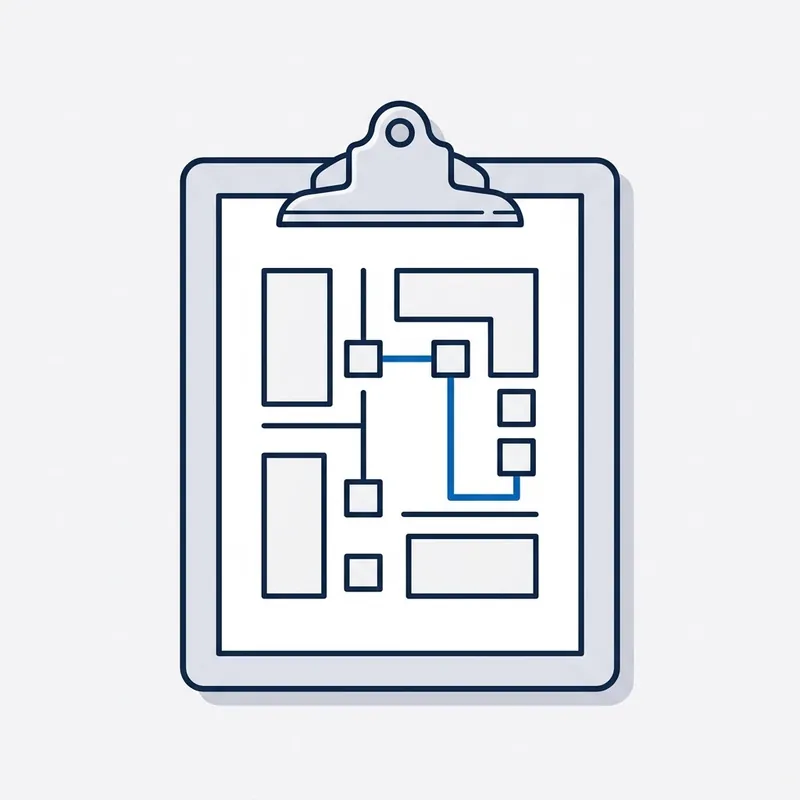
Inspect and map the site.
Where NBN's network ends at the main frame, where every pit is, which sub-frame feeds what, and the size and state of each cable between them. Locked pits, access and induction requirements are noted, and you get the findings in writing.
-
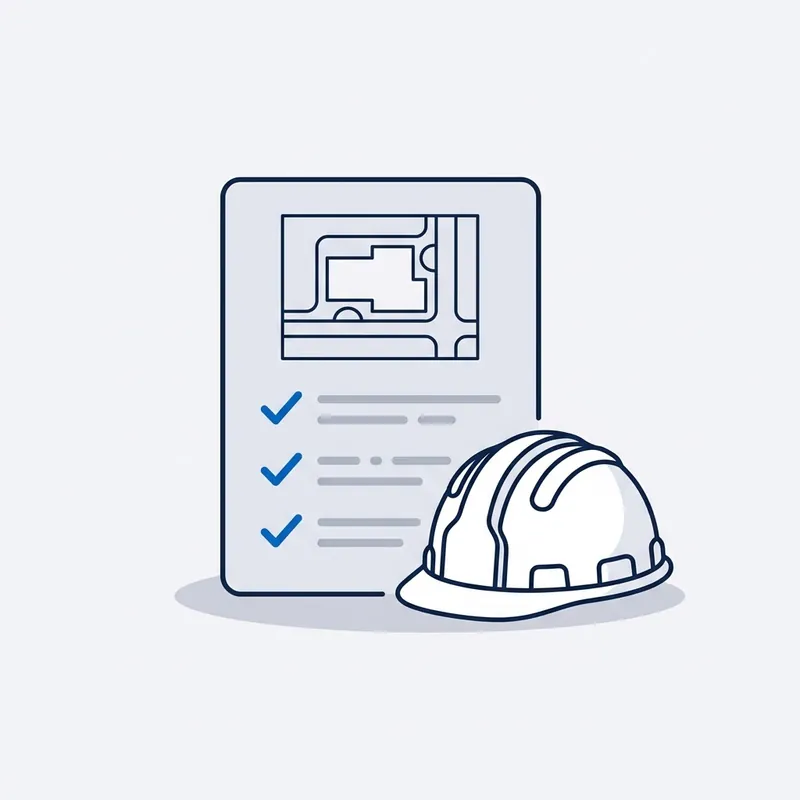
Scope it and quote it.
The cable type and size, how it is joined, the route, and what is terminated at each frame, itemised so a committee or an owner can see what they are approving. Nothing is ordered and nothing is opened until it is accepted.
-
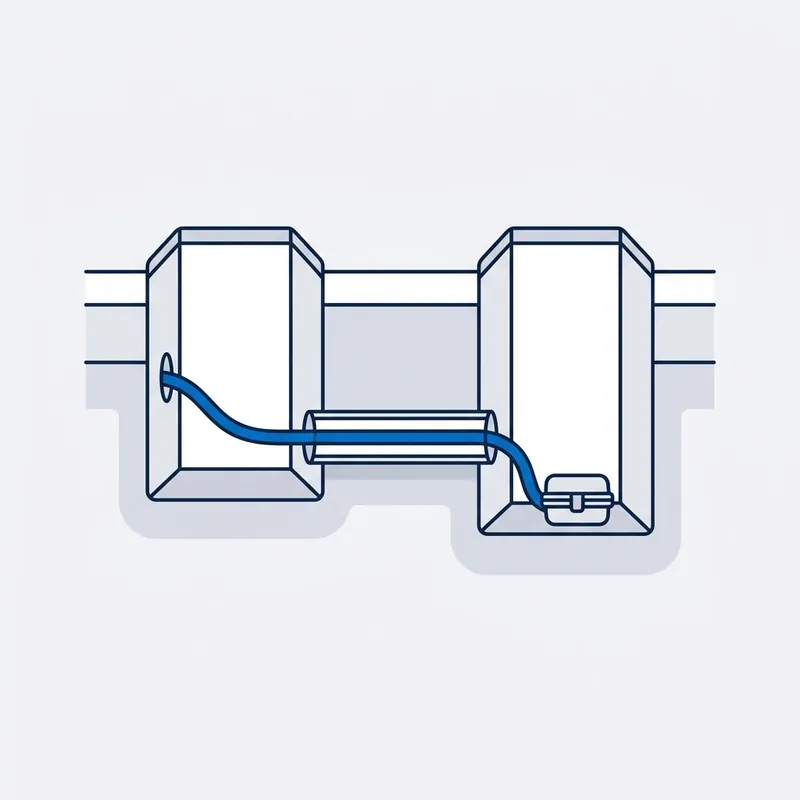
Haul, joint and terminate.
The new cable is drawn pit to pit, joined in sealed enclosures where a joint is unavoidable, and landed on the frames pair by pair. Underground and exposed runs get gel-filled outdoor cable. The work is staged so services that are working stay working.
-
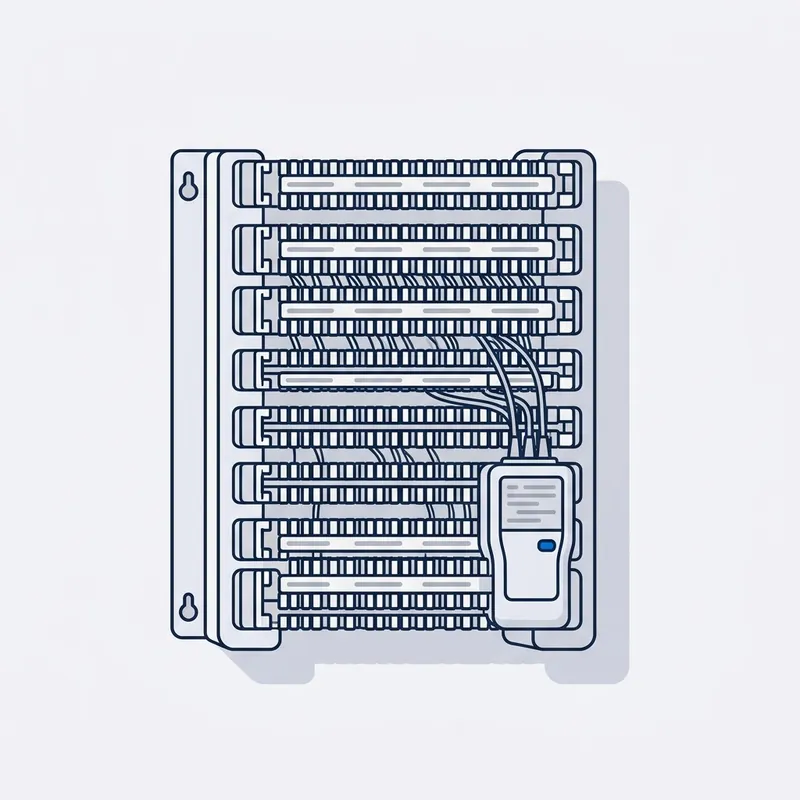
Test every pair, then every service.
Every pair tested end to end, every tenancy's service confirmed working, and the records left with you.
Read moreShow less
Each pair is identified and tested end to end, the cross-connections are checked at the main frame and at every sub-frame, and each tenancy's service is confirmed working. The records are left with you, which is what the site did not have before.


Written by customers on Google. None are paid for, and every word here is theirs.
Read all reviews on Google › (opens in a new tab) Leave a review (opens in a new tab)
Reviews
What people say after the job.
“Thank you for the inspection, recommendation and installation of NBN cabling to our property. I highly recommend your quick response, reliability and great service”
A real job from the field
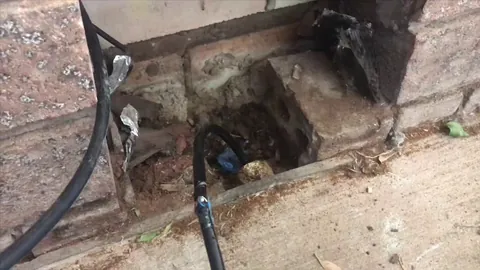
Multi-pair copper · Filmed on site, 10 min
The phones were dropping out between the canteen and the stadium, and the old cable showed why.
A netball facility in Sydney's south, moving to an internet phone system. An earlier repair had taped cut wires and pushed them back into a wet conduit. We hosed the mud out, hauled in a new 30-pair cable with a data cable beside it, terminated it on the frame at each end and tested the link.
Read moreShow less
A netball facility in Sydney’s south, with the phones dropping out between the canteen and the stadium. The site was moving its phones onto an internet phone system, and the 20-pair copper cable linking the canteen’s frame to the stadium building had degraded. The cable sits inside the property, so the repair was the site’s own to arrange.
Pulling the old cable out of the pits showed why it was failing: an earlier repair where cut wires had been taped over and pushed back into a wet conduit. We cleared the mud from the conduits with a pressure hose, hauled in a new 30-pair cable with a data cable beside it, sorted the pairs into their groups of ten by colour and terminated them on the frame at each end.
The finished link was tested before the new phones went onto it.
Price
What does NBN cabling cost?
Quoted not fixed
What's included
- Free quote within 5 km
- Free estimate from photos
- Written quote, valid 14 days
- 12-month cabling warranty
- Maker's warranty on parts
Free Spaces account with every job, if you want one. What's Spaces?
Site cabling is priced per site: the pits, the distances, the size of cable, the joints and the frames. Most sites need an inspection first, and the estimate says what it covers.
Read moreShow less
This work is quoted. Quotes are free for properties within 5 km of our Sutherland Shire office. Beyond 5 km a site inspection is charged at $250 inc. GST, and the written quote follows the inspection; the inspection fee may be credited against the job at our discretion.
We are a specialised service, so we may not be local to you. If you are outside Sydney or more than 40 km from our office, we can still come to you, but the extra travel means an extra travel charge. All travel charges are set out in our terms and conditions.
Phone or photo estimates are free at any distance where the job allows, so most of this work is priced from photos and a rough distance before anyone drives anywhere.
What you get in writing
| Quote | Price | What it contains |
|---|---|---|
| Photo or phone estimate | Free | A ballpark from your photos, a rough distance in metres and your answers, before anyone drives anywhere. Free at any distance where the job allows. |
| Written quote | Free | Free for properties within 5 km of our Sutherland Shire office, after a look at the job. Valid 14 days. |
| Site inspection, further out | $250 inc. GST | Beyond that distance a site inspection is charged, and the written quote follows it. The inspection fee may be credited against the job at our discretion. |
Trusted on site by
Commercial fault and cabling work, done by the same technician who comes to your house.











Your options
The parts of a private site network, and what goes wrong with each
| What it is on your site | What stops it working | What we do to it | |
|---|---|---|---|
| The main frame (MDF) | The cupboard or room where NBN's network hands over to the site's own cabling. Everything past it is yours. | Unlabelled or mislabelled pairs, old connections left in place, corrosion on the blocks. | Every pair identified, dead connections removed, the frame labelled and a record left in the door. |
| The linking cables | Multi-pair copper running between pits and from the main frame to each building, sometimes shown as O-pair on old drawings. | Water, roots, a trench dug across them, insulation breaking down, or simply too few pairs. | The failed section replaced with outdoor cable of the right size, drawn through the existing conduit where it is sound. |
| The sub-frames (IDF) | A smaller frame in a building or a section of the site, fed by one large cable, with each tenancy's line fanning out from it. | Too small for the tenancies it now serves, or missing where the site has grown. | Re-terminated and labelled, or a new one fitted where the distances and the tenancy count call for it. |
| The joints in the pits | Where two cables are joined underground, inside an enclosure sitting in a pit. | An enclosure that was never sealed, or a join wrapped in tape, sitting in water every time it rains. | Remade in a sealed enclosure, or removed altogether by running one unbroken cable. |
| Overhead runs between buildings | Outdoor cable carried on a support wire from one building to the next, where there is no pit route. | Sagging, a failed fixing, sun damage to the sheath. | Re-strung at the right height and tension, or moved underground where a conduit route exists. |
SourcesHide sources
Sources: AS/CA S009:2020, the customer cabling standard this work is run to; nbn's published requirements for main distribution frames. Our own fees and reports are in our terms and conditions.
Whoever your provider is, the answer is the same.













Questions
Frequently asked questions
Something not covered? Call 02 9188 1577 and ask, or send it through the contact form and you get the answer in writing.
What is your call-out fee for NBN cabling on a commercial site?
An estimate from a site sketch and photos is free. A site with pits, frames and several buildings nearly always needs an inspection before the price is firm, and the terms set out when that visit is free and when it is charged. The estimate tells you which applies before anyone is booked.
Do you need to come out and look before you can quote?
On this page, usually yes. A single short run can be priced from photos. A site with a pit system cannot: the route, the state of the conduit, the size of the existing cables and what is landed on each frame have to be seen. You get the inspection findings in writing whether or not the work goes ahead.
Can I send photos or a site plan?
Yes. A site plan with the buildings, the pits and the frames marked is the most useful thing you can send, even a hand sketch. Add photos of the main frame with its door open and of any pit you can lift, and say which tenancies are affected. That is enough for the estimate.
Where does NBN's responsibility end on a site like ours?
At the main frame, or the building entry point where there is no frame. Everything from there to the tenancies, the pits, the conduit, the linking cables, the sub-frames and the terminations, is the site's own network. A fault in that part is the owner's or the owners corporation's to fix, and it is the part we work on.
What size cable do you install?
Whatever the site needs, from a two-pair run to one building up to a hundred-pair cable feeding a sub-frame, with the sizes in between. The count is set by the number of services at the far end plus spares, because the cheapest pair to add is the one already in the cable.
Can you run cable overhead between buildings?
Yes, where there is no pit route or the ground cannot be opened. An outdoor cable is carried on a support wire between the buildings at the right height and tension. Underground is preferred where the conduit exists, because it is out of the weather and out of the way.
Can the work be done without cutting everyone off?
Mostly, yes, and it is planned that way. The new cable is hauled and terminated alongside the old, and each service is moved across in turn, so an outage is a short one for one tenancy rather than a long one for the site. Anything that needs a wider shutdown is agreed with the site beforehand.
How long does a site take?
A small complex with one sub-frame and a short section to replace can be a single day. A village with dozens of dwellings is several days. A large campus is staged over more than one visit. The written scope says which, and what order the buildings are done in.
Dig deeper
Guides for this job
5 guides
- 16Oct
Guide
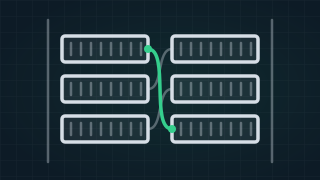
What Is MDF Jumpering? A Guide From an MDF Technician
MDF jumpering joins your provider's line to your unit's own cable at the building's main frame. What the MDF room is, what goes wrong there, and how to prepare.
Read the guide › - 02Jan
Guide
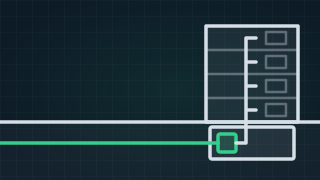
FTTB Meaning: NBN Fibre to the Building, and Is It Any Good?
Fibre to the building (FTTB) explained: how NBN reaches a unit, who owns which part of the line, whether it is any good, and what to check when it is slow.
Read the guide › - 18Aug
Guide
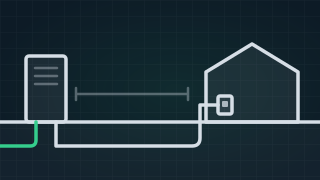
FTTN Explained: What Is NBN Fibre to the Node?
NBN FTTN explained: how fibre to the node reaches your home, why distance and old copper slow it, the faults we find on it, and the upgrade to fibre.
Read the guide › - 21Aug
Guide
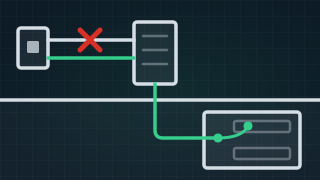
No Internet in a New FTTB Apartment: A Short and Moved Pairs
No internet in a new apartment on fibre to the building: a short on the unit's cable, pairs moved between the frames, and the wrong pair details.
Read the guide › - 20Aug
Guide
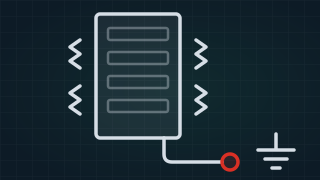
Jitter and Packet Loss on NBN FTTB: A Noise in the MDF Room
Jitter, high ping and packet loss on NBN while the speed test looks fine: a fibre to the building job, the noise on unearthed frames, and who fixes it.
Read the guide ›
NBN Cabling
Trusted by 1,000+ businesses