
Independent fibre repair · Not NBN Co, not an ISP
Somebody dug through the fibre and the internet stopped. Fibre optic cable repair starts with finding the break.
The landscaper went through something in the garden bed and the NBN box has shown a red light ever since. One fibre optic cable repair visit finds the break without digging up the run, says whose cable it's on, repairs your side and puts the rest in writing. $250 inc. GST service call, first hour on site and travel up to 40 km included.
Book a technicianContact us Play the 2 min SECURE A COM film (opens in a new tab)


Trusted by 1,000+ businesses
-
Melinda Spencer
★★★★★After recently moving into a new home Jason did an excellent job sorting out our comms. He did some initial testing and set things up correctly. He then came back for a full day to do some fault finding, repairing and finding solutions for our needs. Some of the work was quite challenging but he sorted it all out for us. I would definately recommend as he is highly experienced. I also had previously used this company years before and was very happy with the work then as well.
Read more Show less
-
Tamsin Johnston
★★★★★Very happy with the service provided by Jason. So knowledgeable and was able to sort out the nbn issue that nbn itself could not fix. He also did it during a power cut! Highly recommended and will definitely use him again.
Read more Show less
-
Dean C (Cosmic)
★★★★★We've had 2 jobs recently with Secure a Com and both have been completed to our total satisfaction. The first one involved a failed NBN installation due to the inability of the NBN technician to find the original Telstra lead-in cable. Jason sorted the cable issue out within an hour and wired a new connection in the house to make it NBN ready for us. This meant the second NBN installation went off without a hitch much to our relief. Our second experience was rewiring some LAN ports to connect our security system's cameras to the new NBN router to allow us to access the cameras online. Jason was great to deal with and did both jobs very professionally. We highly recommend Secue a Com's services.
Read more Show less
-
Peter Dunn
★★★★★NBN couldn’t get a lead cable down our conduit. But secureacom were able to get this done in less than an hour. Great professional job which saved us from NBN having to dig up 20 meters of our yard which would have been a nightmare. Thank you so much,
Read more Show less
-
Jason Persson
★★★★★Jason was a great help with a difficult intermittent problem. I appreciated how he clearly explained what he was doing, and further steps to take if the problem persisted. He was also very thorough and took his time to fix properly, unlike the previous 5 NBN technicians we had out.
Read more Show less
-
Nicholas Paneras
★★★★★Jason came on time, told him NBN could not find the lead in cable and I would need a new lead in cable set up. Jason found it in 5 min and save a minimum $4000. Thanks Jason
Read more Show less
-
Jim McVey
★★★★★Excellent communications and service. Jason found a difficult job and managed to get the primary need finished in a quite short timeframe, with a second visit arranged to finish off.
Read more Show less
-
Geoff Lack
★★★★★Jason did a very good job on what was a difficult wiring problem. I recommend him strongly for this kind of work.
Sound familiar?
A cut fibre is not always yours to fix, and the first job is finding out
Fine at breakfast. By lunch the fencer had been, and the NBN box has had a red light ever since.
The cable from the street to your outside wall is NBN's; the lead from there to the box inside is yours. We find the break, say whose it is, and repair your side.
Read moreShow less
The internet was fine at breakfast. By lunch the fencer had been, or the landscaper, or the concreter, and the NBN box has had a red light on it ever since. Your provider says they can see a fault and will send someone, at some point. Meanwhile there is a hole in the garden with a thin cable sticking out of each side of it.
A fibre fails differently from the old copper line. It does not crackle or slow down first. It is cut, crushed or bent, and it stops. The question that matters is where: the cable from the street to the box on your outside wall belongs to NBN, and the lead from that box to the one inside is yours. This page is about finding the break, saying which of those it is on, and repairing your side. For a fibre connection that is slow or unreliable with no damage anyone knows of, start at NBN fault repair. We attend across Sydney and further afield; past the distance the service call includes, the extra travel is charged, and the rates are in our terms and conditions.
Free advice
Before you book: what to check first
What you do in the first hour after a fibre is cut makes the repair quicker and any claim against a contractor much easier.
Keep this list handy
Get all seven checks as a one-page PDF for the first hour after the cut.
Send me the free guide- Stop the digging and photograph the damage. Before the trench is filled or the post is concreted in. The cut, what cut it, and a wider shot that shows where in the yard it is.
- Look at the lights on the NBN box. Power on and one light red or dark where it is normally green means the box is not receiving a signal. Write down which lights are doing what.
- Work out which cable was hit. There are two: one from the street to the grey box on the outside wall, and one from that box to the white box inside. Which side of the outside box the damage is on decides who repairs it.
- Do not try to join it. Fibre is glass. Tape and connector blocks do nothing, and handling the ends can turn a break that could be joined into one that cannot.
- Log the fault with your provider straight away. If the break is in the street cable, the repair is booked through them, and the queue starts when you ring.
- Find out who did the digging. A name, a business and a date. If it was a contractor, their insurer will want it.
- Send the photos and a rough position. The damage, the outside box, the inside box with its lights, and roughly how far the cut is from the house.
Recognise it?
What a damaged fibre looks like from inside the house
Someone dug through a cable in the yard
A fence post, new edging, a drain trench, and the internet stopped. The street cable is often shallower than people expect, and it gives no warning.
Usually points to: usually NBN's side, so we supply the proof of where it was cut.
Read moreShow less
A fence post went in, the edging was redone, a trench was cut for a drain, and the internet stopped at about the same time. There may be a thin cable showing in the soil, or nothing to see at all.
Fibre from the street is often buried shallower than people expect, and it gives no warning. It works, and then it does not.
What it usually points to. Usually NBN's side: the cable between the street and the box on your outside wall is theirs, so the repair goes through your provider and what we supply is the proof of where it was cut.
It went dead while the builders were in
A wall opened, a kitchen came out, and the lights on the box changed. The lead between the two boxes runs right where renovations go, and it only has to be pinched to fail.
Usually points to: usually your side: the lead between the two boxes, found and repaired.
Read moreShow less
A wall was opened, a ceiling was replaced or a kitchen came out, and at some point the lights on the NBN box changed. Nobody saw it happen. The lead between the box outside and the box inside runs through exactly the places a renovation disturbs.
Fibre does not have to be cut to fail. Pinched behind a new stud or folded tight around a corner is enough.
What it usually points to. Usually your side: the lead between the two boxes is part of the property's cabling, and it is found, then repaired or replaced.
What the repair involves ›Moving the box while the wall is open ›
It has dropped out on and off since something was moved
Not dead, just unreliable since the box was shifted. A fibre bent too tight leaks light until it gets a little worse, then it stops.
Usually points to: often your side, near the inside box. Testing says.
Read moreShow less
Not dead, just unreliable. The connection goes for a minute and comes back, more often when a cupboard door is shut or furniture is pushed against the wall. It started after the box was shifted along a shelf or a cable was tucked out of sight.
A fibre bent too tightly, or leaned on, lets some of its light escape. The service keeps working until the bend gets a little worse, and then it does not.
What it usually points to. Often your side, at or near the inside box. Testing says whether it is a strained lead, a damaged connector or something further back that is not yours.
Other reasons a connection drops out ›What to check before you book ›
A red light on the box, and nobody touched anything
Power on, router fine, one light red, and nobody touched anything. That light means no signal from the street. The cause can be a loose connector or the network itself.
Usually points to: either side. A loose connector is quick; no light at the outside box is the network's.
Read moreShow less
The box has power, the router is fine, and one light is red or out where it used to be green. No digging, no builders. Sometimes it follows a storm, sometimes a clean-up behind the television.
That light is the box saying it is not receiving the signal from the street. The cause can be as near as a connector knocked loose at the box, or as far as the network itself.
What it usually points to. Either side. A dislodged or dirty connector at the box is yours and is quick to put right; no light arriving at the outside box is the network's, and you get that in writing.
What the lights on the box mean ›When the network is at fault ›
The usual suspects
What usually damages a fibre cable
Fibre is reliable until something physical happens to it. It is nearly always one of these.
- A spade, an edger or a mattock in the garden.
The street cable often runs shallow under a garden bed, right where the spade goes.
Read moreShow less
The street cable can sit shallow inside the boundary, and a garden bed is where it usually runs.
- A fence post or a retaining wall footing.
Dug straight down through the cable's route, often right on the boundary.
Read moreShow less
Dug straight down through the cable’s route, often right on the boundary.
- A concrete saw or an excavator.
A driveway, slab or drain going in across the path from the street.
Read moreShow less
A driveway, a slab or a drain going in across the path from the street.
- Weight on top of it.
A car on soft ground, or concrete poured straight over the cable.
Read moreShow less
A vehicle driven over soft ground, or concrete poured directly over the cable.
- A bend that is too tight.
Folded round a corner or shut in a door. It drops out before it fails.
Read moreShow less
Folded around a corner, cable-tied hard to a bracket or shut in a cupboard door. It shows up as dropouts before it fails.
- Rodents.
In the roof or under the floor, where the lead between the boxes runs.
Read moreShow less
In a roof space or under a floor, where the lead between the two boxes runs.
- A damaged or dirty connector.
At either box, after it's been knocked, moved or unplugged.
Read moreShow less
At the inside box or the outside one, after the box has been knocked, moved or unplugged.
- A renovation.
The lead pulled, pinched behind new framing, or cut along with an old cable someone thought was dead.
Read moreShow less
The lead pulled, pinched behind new framing, or cut along with an old cable somebody assumed was dead.
Two boxes?
Which part of the fibre is NBN’s, and which part we repair
There are two boxes. The cable from the street to the grey one outside is NBN's, and nobody else may touch it. The lead from there to the white box inside is yours, and that's what we repair. A metre either side changes the answer.
Read moreShow less
On fibre to the premises there are two boxes. The grey one on the outside wall is where NBN’s cable from the street ends. NBN owns that cable for its whole length, and nobody else is allowed to open, join or replace it. If the break is anywhere between the street and that box, the repair is NBN’s, booked by your provider.
The lead that runs from the outside box to the white box inside, and the connectors on each end of it, are part of the property’s own cabling. That is where we work. So the same accident can have two different answers depending on a metre or two: a spade through the cable in the lawn is a report for your provider, and a nail through the lead in the wall cavity is a repair we do on the day.
Contractor's fault?
When a contractor cut it: what the report is for
If someone you hired did the damage, the conversation about who pays goes better with evidence. The report says where, how and which side, with photos and the test result. Who pays is between you, them and their insurer.
Read moreShow less
If someone you hired did the damage, there will be a conversation about who pays, and it goes better with evidence than with memory. The report from the visit says where the cable was damaged, how, and on which side of the boundary, with photos and the test result. It is written so that somebody who was not there can follow it.
What happens next is between you, the contractor, their insurer and your provider. Where the cut is in NBN’s cable from the street, NBN repairs it through your provider and can recover the cost from whoever caused the damage, which is called recoverable damages, so give your provider the details of who did it. We do not take a side in that and cannot tell you how it will come out. What we can do is make sure the facts are settled, so the argument is about who pays and not about what happened.
How it works
Fibre cable repair: what we actually do
One visit, four steps, and a written result whichever side the break is on. We test to the boundary and not inside NBN’s network, because we are not NBN, and on a cut fibre that boundary is the whole question.
-
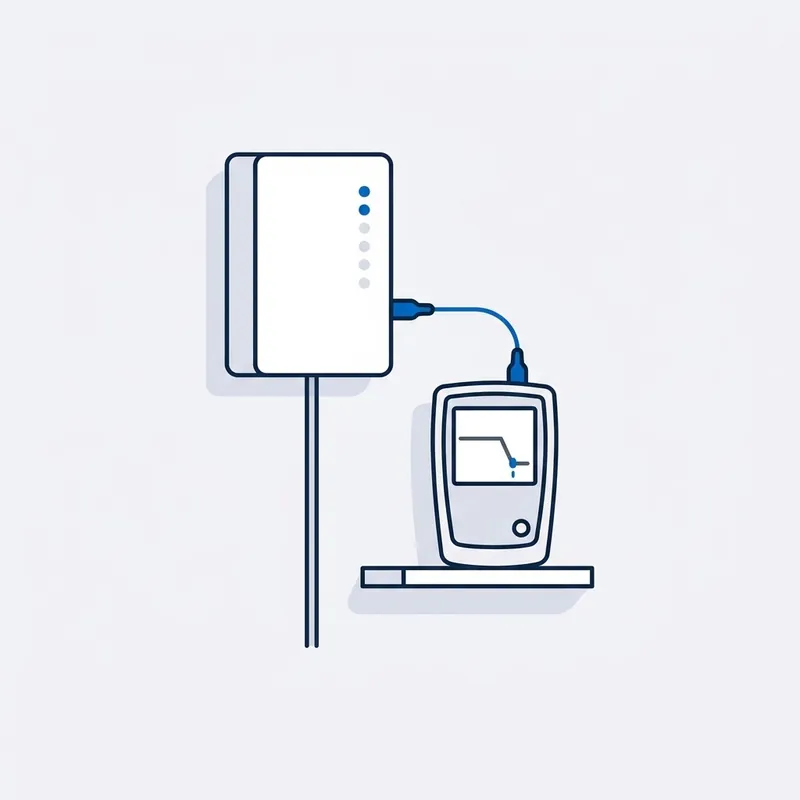
Test from the box, before any digging.
The fibre is tested from the end you can reach. The test sends light down the cable and reads what comes back, which gives the distance to the break. So the fault is found on a screen first, and nobody digs up a whole run to look for it.
-
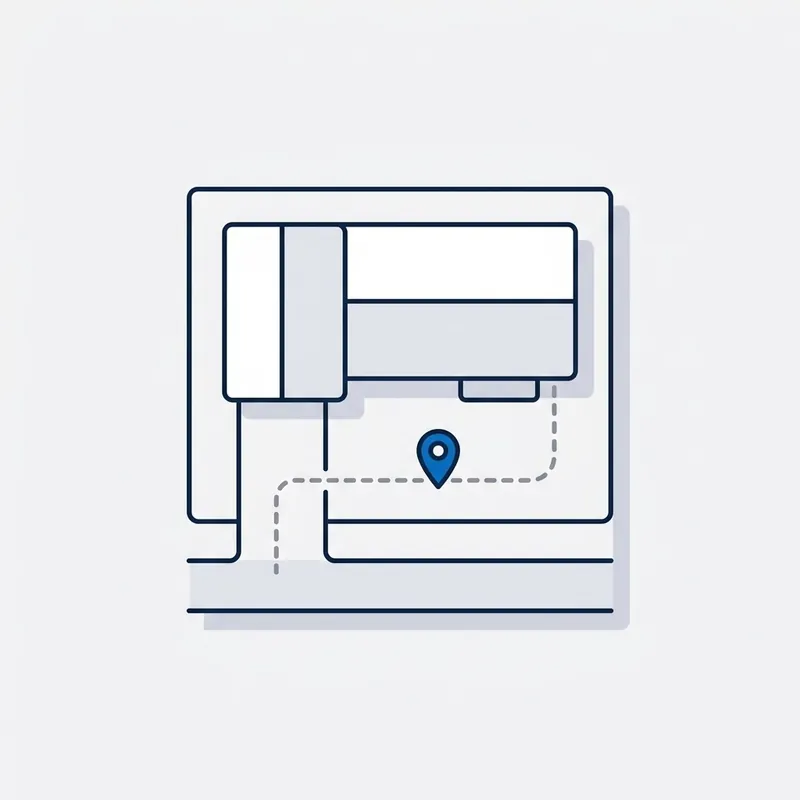
Find it, and say whose it is.
The distance is walked out to the spot, and the damage is looked at where it can be reached: cut, crushed or bent. Then the question that decides everything, which is whether that spot is before the box on your outside wall or after it.
-
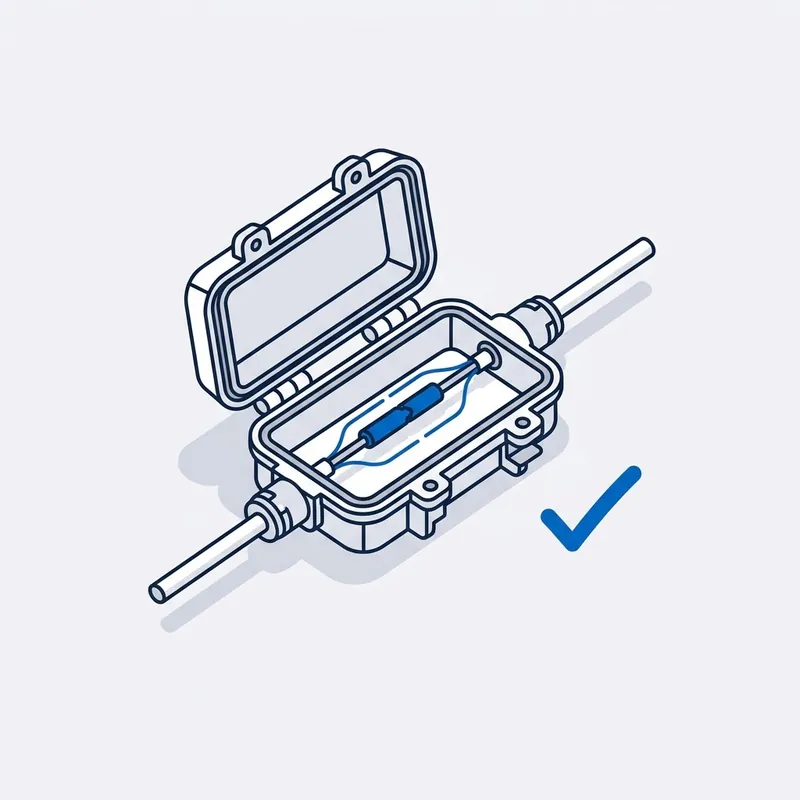
Repair what is on your side.
The lead between the two boxes, or its connector, is re-terminated, joined where the break is clean and reachable, or replaced where it is not. A simple one is often done on the same visit. Anything longer is quoted before it starts.
-
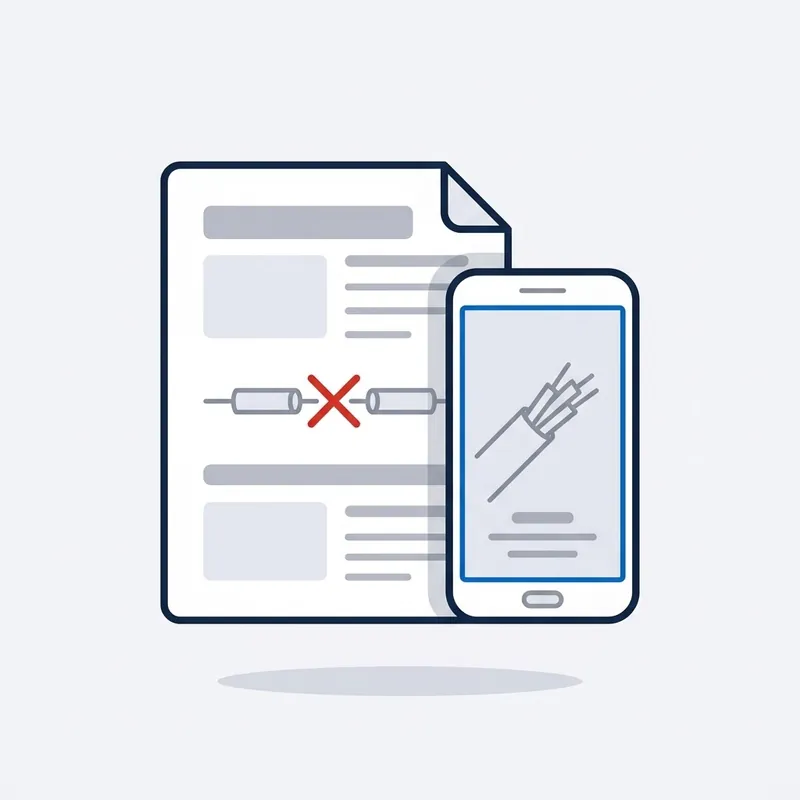
Test again, and put it in writing.
Tested again after the repair. If the break is NBN's, you get what was measured and where.
Read moreShow less
After a repair the cable is tested again to show it is carrying light as it should. Where the break is on NBN's side, you get what was measured and where, so your provider has something to act on. We cannot make them move faster; we can make sure they are not guessing.


Written by customers on Google. None are paid for, and every word here is theirs.
Read all reviews on Google › (opens in a new tab) Leave a review (opens in a new tab)
Reviews
What people say after the job.
“Secure A Com handled our Sydney CBD fibre installation with real expertise. The team was very knowledgeable and thoroughly professional from start to finish. Everything was explained clearly and the work was completed to a high standard.”
A real job from the field
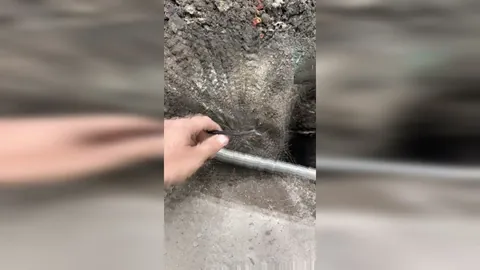
FTTP · Filmed on site, 10 min
Four homes in a month, each with the fibre cut by a spade.
In each one the lead-in from the street had gone during ordinary gardening. The cables were lying about 100 mm under the lawn with no conduit around them, where a lead-in is normally about 300 mm down and inside a pipe. At that depth a spade finds it on the first push.
Read moreShow less
Four homes in one month, each with the NBN box dead after someone had been digging in the garden. In each one the fibre lead-in, the cable from the street to the box on the outside wall, had been cut through with a spade during ordinary gardening.
The photos showed why it keeps happening. The cables were lying about 100 mm under the lawn with no conduit around them, where a lead-in is normally about 300 mm down and inside a pipe. At that depth a spade finds it on the first push.
The video shows the shallow cables, explains why the lead-in is the costly part of a connection to replace, and why who is responsible for the repair is not always clear when the cable was that close to the surface.
Price
What does a fibre repair cost?
$250 inc. GST
What's included
- First hour on site
- Travel up to 40 km
- Testing and diagnosis
- Free basic report by email
- Free speed test on the day
- 90-day warranty on the fix
Free Spaces account with every job, if you want one. What's Spaces?
Extra, only if you need it: more time on site, travel past 40 km, parts, and the $55 and $185 reports.
You're paying to find the break and say whose side it's on, so it's payable either way. A repair that needs digging or a new lead is quoted before it starts.
Read moreShow less
Past the first hour, our hourly rate applies, and you are told before it starts.
We are a specialised service, so we may not be local to you. If you are outside Sydney or more than 40 km from our office, we can still come to you, but the extra travel means an extra travel charge. All travel charges are set out in our terms and conditions.
Fault work is diagnostic. You are paying for the testing and the answer, not for a repair that may not be needed, so the fee is payable whether the fault is inside the premises or on the network side.
What you get in writing
| Report | Price | What it contains |
|---|---|---|
| Basic report | Free | A short written summary by email: what we tested, what we found, and whose side of the boundary it is on. |
| Standard report | $55 | A detailed PDF with the findings, the test results and our recommendations. No photos or video. |
| Escalation report | $185 | Everything in the standard report, plus photos and video of the testing. The report for proving the fault is on NBN's side: written for escalation to your provider or the carrier, a refund claim, or a TIO complaint. |
Trusted on site by
Commercial fault and cabling work, done by the same technician who comes to your house.











Your options
Where the fibre was damaged, whose it is, and what happens next
| Whose it is | What we do on the visit | What happens after | |
|---|---|---|---|
| In the yard, between the street and the outside box | NBN's. The street cable is theirs for its whole length. | Find the break by testing from the box, confirm your side is sound, and document where and how it was cut. | Your provider books NBN to replace it. The report goes with the fault you have already logged. |
| At the outside box itself | The box is NBN's. The lead leaving it for the house is yours. | Test either side of it to see which one has failed, without opening NBN's side. | A fault in their box is reported; a fault in your lead is repaired. |
| Between the outside box and the inside box | Yours. It is the property's own cabling. | Locate the damage, then re-terminate, join or replace the lead, and test it again. | Nothing further, if it is done inside the visit. A longer run or one that needs a wall opened is quoted first. |
| At the inside box or its connector | The connector and the lead are yours. The box is NBN's. | Inspect, clean or replace the connector and reseat the lead, then check the light is back. | If the box itself has failed, that is reported to your provider with what was measured. |
SourcesHide sources
Sources: nbn's published authority for registered cablers to alter facilities in residential premises, which sets out what may and may not be worked on. Our own fees and reports are in our terms and conditions.
Whoever your provider is, the answer is the same.













Questions
Frequently asked questions
Something not covered? Call 02 9188 1577 and ask, or send it through the contact form and you get the answer in writing.
Can a fibre optic cable be repaired?
Usually, yes. A clean break that can be reached is joined and sealed, and a damaged connector is replaced. A cable that has been crushed along a length, broken in several places or buried somewhere it cannot be got at is replaced instead. Which one it is cannot be told from the surface, so the cable is tested first.
How do I know the fibre is what is broken?
Three signs. The service stopped at the same time as digging, fencing, concreting or building work. The NBN box has power but one light is red or out. And restarting everything makes no difference. A fibre that is only bent or pinched shows up as dropouts rather than a dead service.
Which part of the fibre is NBN's, and which part can you work on?
NBN owns the cable from the street to the box on your outside wall. We do not open, join or replace that part. From that box inward, the lead to the box inside and its connectors are the property's own cabling, and that is what we repair. Where the break is decides who fixes it.
What happens if the break is on NBN's side?
You still leave with something. The visit establishes where the break is and that your side is sound, and you get it in writing with what was measured. That goes to your provider, who books NBN. The service call is payable either way, because the testing is what you came for.
How much does it cost to repair a cut fibre?
Finding it is the service call, set out on the card at the top of this page. The repair depends on what the test finds: a connector or a clean, reachable break is often done inside the visit, and anything involving digging or a new lead is quoted before it starts. Who ends up paying is a separate matter between you and whoever cut it.
The fencer cut it. Who pays?
That is between you, the contractor and their insurer, and it is not ours to decide. What we give you is the evidence: where the cable was cut, what it was cut with as far as can be seen, and what the repair involved. A written report with photos is what an insurer or a contractor asks for.
Can I send photos first?
Yes, and please do before anyone fills the hole in. Photos of the damage, the outside box and the lights on the inside box give a fair idea of which side it is on. They cannot replace the test, because a fibre can be broken a metre away from where the soil was disturbed.
What is OTDR testing?
It is the trade name for the test that finds a break by distance. Pulses of light are sent down the fibre from one end, and the reflections that come back show every join, bend and break along it, with how far away each one is. It is how a break under a lawn is found without lifting the lawn.
Can I join the fibre myself?
No. Fibre is a strand of glass thinner than a hair, and tape, a connector block or a twist does nothing. Handling the broken ends can also make a clean break into one that cannot be joined. Leave it as it is, keep it dry if you can, and photograph it.
Dig deeper
Guides for this fault
5 guides
- 20Aug

Guide
NBN Box Lights Explained: Flashing Blue, Red or Clicking
What the lights on your NBN box mean on fibre, HFC and fibre to the curb: why it clicks, flashes blue or shows red, and what to do before you ring anyone.
Read the guide › - 13Aug
Guide
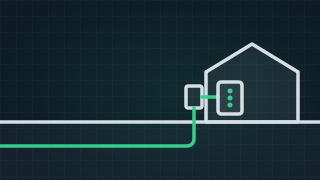
NBN FTTP Upgrade: Fibre to the Premises Explained
What NBN fibre to the premises (FTTP) is, how the fibre upgrade works, where NBN puts the two boxes, and the cabling you may need before or after the install.
Read the guide › - 27Aug
Guide
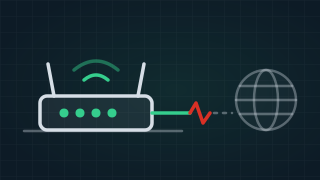
Why Modem Lights Are On But No Internet [SOLVED]
Modem lights on but no internet? What the WAN, Internet, WiFi and Ethernet lights mean, what flashing or red tells you, and what to try before you ring.
Read the guide › - 08Sept
Guide
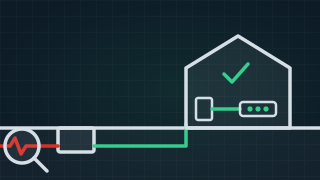
NBN Fault Blamed on Your Wiring? Data From 324 Jobs
324 filmed internet fault jobs analysed. In 56% the fault was not the customer's cabling, and equipment was to blame in 5.6%. See where NBN faults are found.
Read the guide › - 23Aug
Guide
Which NBN Connection Is Best, and Which Do You Have?
Which NBN connection is best? FTTP, HFC, FTTC, FTTB and FTTN compared: how to tell which one your home has, what it means, and whether you can upgrade.
Read the guide ›
Fibre Optic Cable Repair
Trusted by 1,000+ businesses