
Independent lead-in cable installation · Not NBN Co, not an ISP
The cable from the street never reached the house. Lead-in cable installation builds the last stretch.
The installer looked at the pole in the front yard, or the pit in the footpath, and left without connecting anything. The note says the path is yours to arrange. One lead-in cable installation quote covers your side: the fixings, the pipe and the cable, left ready for NBN to connect. Quotes are free within 5 km of our Sutherland Shire office. Phone or photo estimates are free where the job allows.
Get a quoteBook a site visit Play the 1 min SECURE A COM film (opens in a new tab)


Trusted by 1,000+ businesses
-
Luci Torres
★★★★★The man from Secure a com was friendly and efficient. The job was to extend the lead in cord for the NBN box so that it could go to the upstairs flat. He was on time and very proffesional and making the appointment was easy. Securacom came out the next day after I phoned them so no wait time. Excellent service.
Read more Show less
-
Brendon Xu
★★★★★Quick turn around by Jason. Knows what he is doing. Highly recommend for granny flat NBN installations.
-
Lesley Pavlis
★★★★★Thank you for the inspection, recommendation and installation of NBN cabling to our property. I highly recommend your quick response, reliability and great service
Read more Show less
-
William Stewart
★★★★★As a retired engineer, I really appreciate the professionalism shown by Jason in connecting the NBN landline and internet from the main house to our separate "granny flat" at the rear of the block. He was punctual and completed the task within the time he had allowed. His phone number is definitely in my list of contacts.
Read more Show less
-
Peter Dunn
★★★★★NBN couldn’t get a lead cable down our conduit. But secureacom were able to get this done in less than an hour. Great professional job which saved us from NBN having to dig up 20 meters of our yard which would have been a nightmare. Thank you so much,
Read more Show less
-
Nicholas Paneras
★★★★★Jason came on time, told him NBN could not find the lead in cable and I would need a new lead in cable set up. Jason found it in 5 min and save a minimum $4000. Thanks Jason
Read more Show less
-
Jim McVey
★★★★★Excellent communications and service. Jason found a difficult job and managed to get the primary need finished in a quite short timeframe, with a second visit arranged to finish off.
Read more Show less
-
Thomas Beissert
★★★★★Had Telstra coming out twice on behalf of TPG to get our phone line going for internet after moving into a new house. Long story short these guys didn't solve anything couldn't find the main line in the house ect. Jason was great to deal with, confirmed booking quickly and was on time. Found internal wiring and connection points within 20min, installed new port and fixed Telstra's main line to the house in 1h. Very happy and thoroughly recommend their service.
Read more Show less
Sound familiar?
A lead-in cable is the last stretch from the street, and it is the part that gets left
The installer looked up at the pole in the front yard and said he couldn't climb it.
The lead-in is the cable between the street and your wall: the shortest part of the connection, and the part most often left. We build it on your side, across Sydney.
Read moreShow less
The installer came out, looked up at the pole in the front yard, and said he could not climb it. Or there is no pole, only a pit in the footpath, and the provider has said the cable from there to the house is yours to arrange. Or the wire that has hung from the street to the eave since the house was built is cracked and sagging, and the internet goes out every time it rains.
The lead-in is the cable between the network in the street and your wall. It is the shortest part of the whole connection, and the part most often left unfinished. This page is that cable: strung overhead from a pole or drawn underground from the pit, with the fixings it hangs from and the box it lands in. The trench and the pipe are on the NBN conduit installation page, and the cable from the wall to the rooms is data cabling. We work across Sydney and well beyond it for this job; the extra travel is charged, and the rates are in our terms and conditions.
Free advice
Before you book: what to check first
Most of what decides this job can be seen from the footpath. Walk it once with a phone and you will have what we would otherwise ask for.
Keep this list handy
Get all seven checks as a two-page PDF before the appointment is rebooked.
Send me the free guide- Look up, then look down. Poles with wires along the street mean an overhead lead-in. No poles and a concrete or plastic lid in the footpath mean underground. Some streets have both.
- Find where the old cable arrives at the house. Under the eave, at a small box on the wall, or up through the floor. A torch under the house often finds a white pipe with the cable in it.
- Check what the old pipe is like. A narrow grey pipe with sharp bends, or one that rattles with dirt, will not take a new cable. Wider white pipe with sweeping bends usually will.
- Ask your provider what the installer needs to find. If an appointment was abandoned, the notes say why: no path, no fixing, a private pole. That sentence is the scope of the job.
- If you are building, do it before the concrete. A pipe under a slab or a driveway costs almost nothing while the ground is open and a great deal afterwards.
- Dig the trench yourself if you want to. It is the one part of an underground lead-in that needs no registration. Ask about the depth and the route first, so it is dug once.
- Send photos and a distance. The pole or the pit, the wall the cable should reach, and the ground or the gap between. A rough number of metres is enough.
Sound like you?
Which lead-in job is yours, and what you end up with
The pole is on your land, and the installer would not climb it
There's a pole inside the front fence, and the installer said it was private and stopped. Nothing is wrong with the house or the service.
Usually points to: a hook on your pole, a fixing on the house and the cable between, left for NBN.
Read moreShow less
There is a pole inside the front fence, put there years ago so the wires would clear the driveway or the trees. The installer looked at it, said it was private, and the job stopped there. It depends who turns up, but a pole on private land is often left for the owner to sort out.
Nothing is wrong with the house or the service. What is missing is someone to do the part of the span that sits on your property.
What you end up with. A hook on your pole, a fixing point on the house, the cable run between them, and enough left coiled at the pole for NBN to take it across to their own.
What we do on the day ›What NBN connects, and what we build ›
The overhead cable is old, low or coming off the house
The wire from the pole to the eave sags over the driveway and drops out when it rains. It's tested first, so you know whether it's the cause.
Usually points to: a new span on a sound fixing, or the readings in writing if it's the network's.
Read moreShow less
The wire from the street pole to the eave has been there since the house was built. It sags over the driveway, the fixing on the fascia has pulled, and the connection drops out when the wind gets up or it rains for a week.
An overhead lead-in ages from the outside in. The sheath cracks in the sun, water gets to the copper, and the fault comes and goes with the weather for years before it fails outright.
What you end up with. Tested first, so you know whether the cable is the cause. Where it is on your side to replace, a new span on a sound fixing; where it is the network's, the readings in writing.
The street is underground, and nothing runs to the house
No poles, a pit in the footpath, and nothing to the house, or an old pipe nobody can pull through. Sometimes only the cable is needed; sometimes the pipe comes first.
Usually points to: a cable from the pit to the wall in sound conduit, ready for NBN.
Read moreShow less
No poles in the street, a pit in the footpath, and either no cable to the house at all or an old one nobody can pull through. The provider has said the path from the pit to the wall is yours to provide.
Sometimes the pipe is there and only needs a cable drawn through it. Sometimes it is crushed, full of mud or was never laid, and the first job is the pipe.
What you end up with. A cable from the pit to the wall in sound conduit, with the right cable for the ground it sits in, left ready for NBN to connect at the street end.
A shop, a factory or a second building needs its own cable
A tenancy at the back, a shed that's become an office, a factory unit with no line. The service reaches the front of the site and stops.
Usually points to: the cable to the building that needs it, tested and labelled at both ends.
Read moreShow less
A new tenancy at the back of the site, a shed that has become an office, a factory unit that has never had a line. The service reaches the front of the property and stops, and the run from there to the building that needs it is private.
On a larger site the same job is between pits rather than from a pole, in heavier outdoor cable, and it is often several tenancies' worth at once.
What you end up with. The cable from the front of the site to the building, in conduit or on the fixings the route needs, tested and labelled at both ends.
The usual suspects
Why the lead-in is missing, or no longer good enough
Whether the cable was never run or has stopped doing its job, the reasons are a short list.
- The pole is on private land.
It's the owner's, and an installer may not work on it.
Read moreShow less
It is the owner’s, and an installer may not work on it.
- There is nothing on the building to fix a cable to.
No point of attachment, or one that has pulled out of a rotten fascia.
Read moreShow less
No point of attachment, or one that has pulled out of a rotten fascia.
- There is no pipe, or the pipe is no good.
Never laid, crushed under a driveway, or silted up.
Read moreShow less
Never laid, crushed under a driveway, or silted up so nothing can be drawn through it.
- The wrong cable is in the ground.
Indoor cable in a wet pipe fails slowly, a little worse after every long spell of rain.
Read moreShow less
Indoor data cable buried in a wet pipe works for a while and then fails slowly, a little worse after every long spell of rain.
- The joints have let water in.
Water in an unsealed joint, and a fault that comes and goes with the weather.
Read moreShow less
An unsealed joint box or a taped join part way along, wet inside, with the fault coming and going with the weather.
- The cable is simply old.
Decades in the sun or the ground, and the insulation has gone brittle.
Read moreShow less
Decades in the sun or the ground, with insulation that has gone brittle and copper that has started to show.
- The coax is the wrong grade.
Lighter coax lets noise in on the cable network, and the service won't hold.
Read moreShow less
On the pay TV cable network a lighter cable than the job calls for lets noise in, and the service will not hold.
- Something cut it.
A fence post, a trencher, a branch through the span, or a rodent in the roof.
Read moreShow less
A fence post, a trencher, a tree branch through the span, or a rodent in the roof space where it comes in.
Underground?
NBN lead-in conduit: when the cable needs a pipe first
An underground lead-in is only as good as its pipe. Missing, too narrow or bent too sharply, and the installer leaves a note. Tell us what state the pipe is in, and the quote covers the pipe and the cable together.
Read moreShow less
An underground lead-in is only as good as the pipe it runs in. NBN’s installers draw their cable through a conduit from the pit to the wall, and where that conduit is missing, too narrow or bent too sharply, the appointment ends with a note that the path is the owner’s to provide. The cable cannot go in until the pipe is right.
That makes the conduit the first half of many lead-in jobs, and it has its own rules: the size of the pipe, the depth it sits at, how tight a bend can be, and how it finishes at the wall. Those are set out, figure by figure, on the NBN conduit installation page. Here the point is simpler: tell us whether there is a pipe and what state it is in, and the quote covers the pipe and the cable together rather than as two visits.
Who connects it?
Whose cable is it? What we build, and what NBN connects
We build on your property, up to the boundary: the fixing, the box, the pipe and the cable. Joining it to the network in the street is NBN's, booked through your provider. A damaged lead-in that's already live is tested first.
Read moreShow less
We work on your property, up to the boundary, and stop there. The hook, the fixing on the house, the wall box, the pipe and the cable are built and tested, and the street end is left coiled and labelled. Joining that cable to the network in the street is NBN’s work, booked through your provider, and we do not do it or pretend to.
A lead-in that is already connected and carrying a service is a different question. Depending on the kind of connection and where the boundary sits, a damaged one may be the network’s to replace rather than yours, and guessing wrong wastes money either way. So a faulty lead-in is tested first. If it is on your side, it is quoted and replaced. If it is on theirs, you get the readings in writing to give your provider, which is the same thing our NBN technician page is about.
How it works
Lead-in cable installation: what we actually do
Four steps, overhead or underground. Every version ends with a tested cable from the edge of your property to your wall, and a provider who has something to connect when the appointment is rebooked.
-
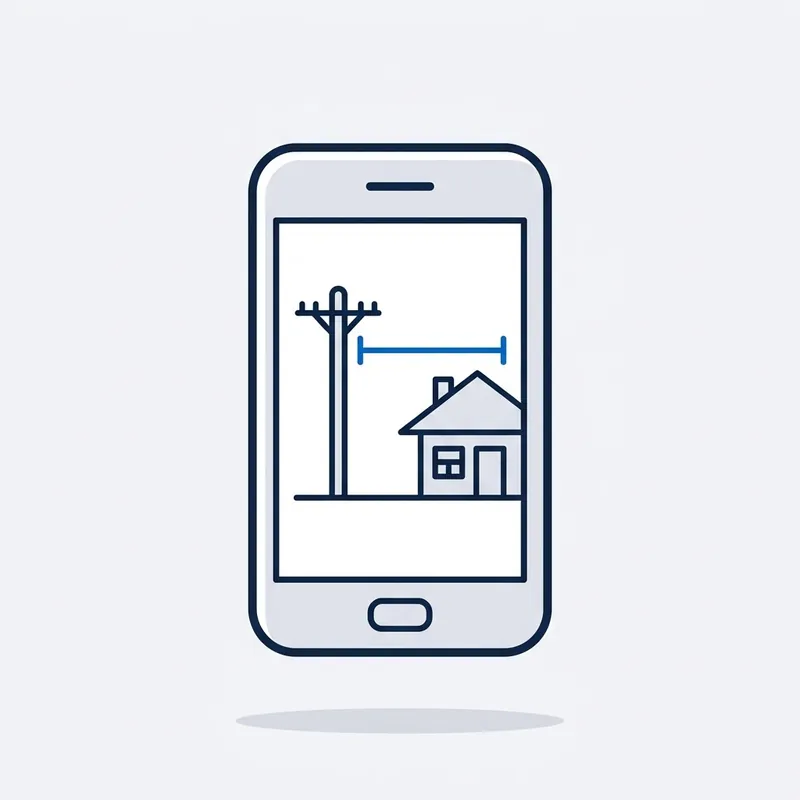
Scope it from photos, then look.
The pole or the pit, the wall, and what lies between them. Photos and a distance give an estimate; a firm price for a lead-in usually needs a visit, because the span, the clearances and the state of any old pipe cannot be judged from a picture.
-
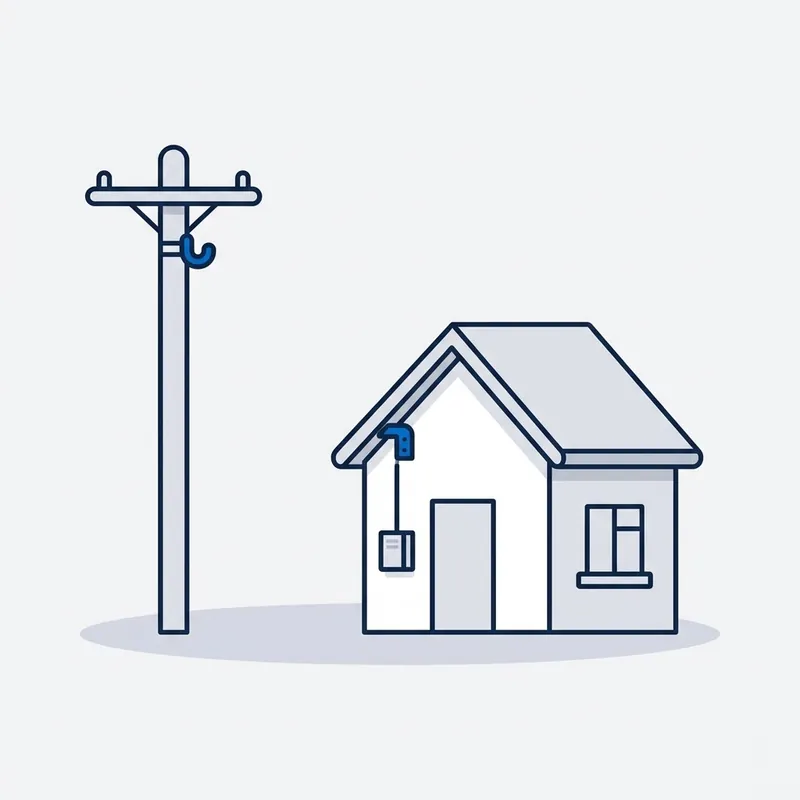
Put the fixings on.
Overhead, that is a hook on your pole, a point of attachment on the building and a wall box where the cable comes down. Underground, it is the conduit: checked if it exists, cleared or replaced if it does not, which is conduit work and is quoted with the cable.
-
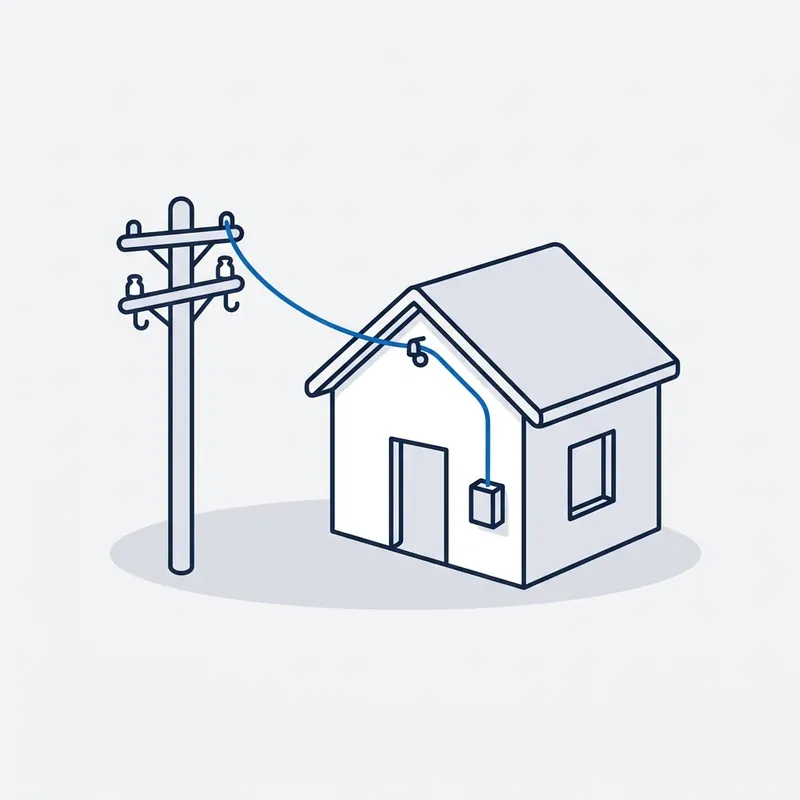
Run the right cable.
Outdoor cable for the connection the address has: gel-filled copper for the phone-line technologies, quad-shielded coax for the pay TV cable network. Strung at the right tension overhead, or drawn through the pipe underground. Indoor cable is never buried.
-
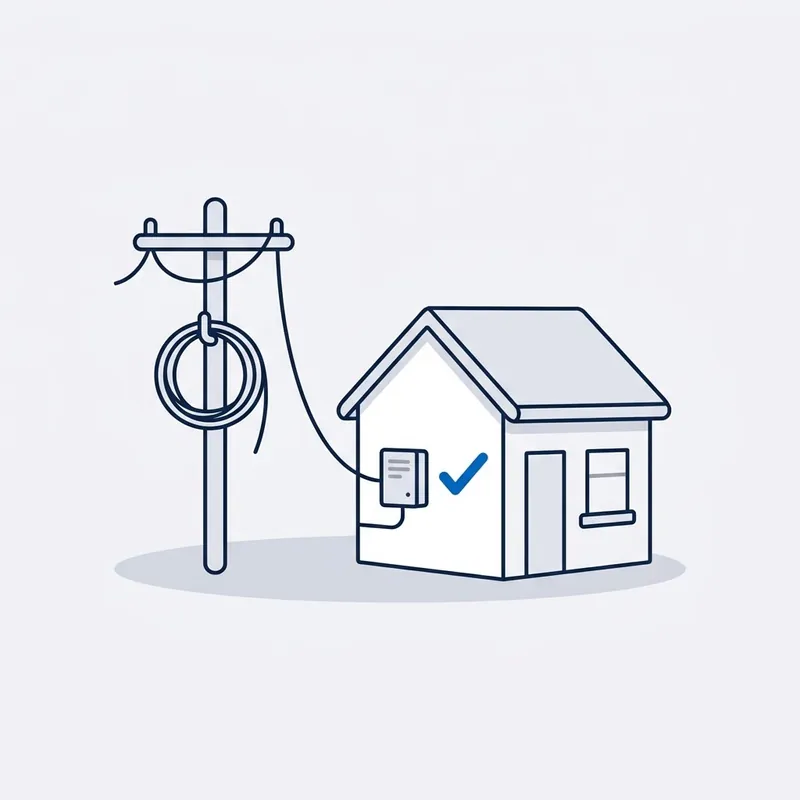
Test it and leave it ready.
Tested end to end and left coiled and labelled for NBN, with a note of what was built for your provider.
Read moreShow less
The run is tested end to end and the fixings checked. At the street end the cable is left coiled and labelled for NBN, because the final connection to the network is theirs to make. You get a note of what was built to hand to your provider when you rebook.


Written by customers on Google. None are paid for, and every word here is theirs.
Read all reviews on Google › (opens in a new tab) Leave a review (opens in a new tab)
Reviews
What people say after the job.
“The first one involved a failed NBN installation due to the inability of the NBN technician to find the original Telstra lead-in cable. Jason sorted the cable issue out within an hour and wired a new connection in the house to make it NBN ready for us.”
A real job from the field
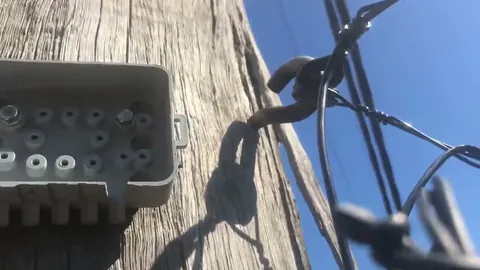
Gymea, NSW · FTTC · Filmed on site, 4 min
The cable from the pole was hanging low over the yard, apparently after a truck caught it.
Gymea, ahead of a move to fibre to the curb. We straightened the bent attachment bar on the house, used the old cable to pull the new one through the ceiling, and fitted a double socket in the closet ceiling. The new cable was strung out to the box on the pole, with a loop left for NBN to connect.
Read moreShow less
Gymea, an aerial lead-in ahead of a move to fibre to the curb. The old single-pair cable from the pole was hanging very low over the yard, apparently after a truck had caught it, and it needed replacing before the new connection.
The attachment bar on the house had been bent, so it was straightened first. The old cable was used to pull the new one through the ceiling, and a double socket was fitted in the closet ceiling, where the customer agreed it should go. The new cable was then strung out to the box on the pole, with a loop of cable left for NBN to connect.
It was left ready for NBN. The connection itself is not in the video, so the page stops there too.
Price
What does lead-in cable installation cost?
Quoted not fixed
What's included
- Free quote within 5 km
- Free estimate from photos
- Written quote, valid 14 days
- 12-month cabling warranty
- Maker's warranty on parts
Free Spaces account with every job, if you want one. What's Spaces?
Overhead or underground, the span and the state of any old pipe decide the price. A firm figure usually needs a look, because clearances can't be judged from a picture.
Read moreShow less
This work is quoted. Quotes are free for properties within 5 km of our Sutherland Shire office. Beyond 5 km a site inspection is charged at $250 inc. GST, and the written quote follows the inspection; the inspection fee may be credited against the job at our discretion.
We are a specialised service, so we may not be local to you. If you are outside Sydney or more than 40 km from our office, we can still come to you, but the extra travel means an extra travel charge. All travel charges are set out in our terms and conditions.
Phone or photo estimates are free at any distance where the job allows, so most of this work is priced from photos and a rough distance before anyone drives anywhere.
What you get in writing
| Quote | Price | What it contains |
|---|---|---|
| Photo or phone estimate | Free | A ballpark from your photos, a rough distance in metres and your answers, before anyone drives anywhere. Free at any distance where the job allows. |
| Written quote | Free | Free for properties within 5 km of our Sutherland Shire office, after a look at the job. Valid 14 days. |
| Site inspection, further out | $250 inc. GST | Beyond that distance a site inspection is charged, and the written quote follows it. The inspection fee may be credited against the job at our discretion. |
Trusted on site by
Commercial fault and cabling work, done by the same technician who comes to your house.











Your options
Aerial or underground: the two ways a lead-in cable reaches a house
| Overhead, from a pole | Underground, from a pit | What decides it | |
|---|---|---|---|
| Where it starts | A pole in the street, or a private pole inside the boundary that the span has to reach first. | A pit in the footpath or the nature strip, usually near a front corner of the block. | What the street has. A street with poles can sometimes still go underground from the pole to the house. |
| What has to be on the building | A point of attachment under the eave or on the fascia, and a wall box where the cable comes down. | A conduit rising at the wall, and a wall box where it ends. | Whether the fascia is sound enough to anchor a span, or the ground is easy enough to open. |
| The cable | Outdoor cable rated for sun and weather, strung at the right tension so it does not sag or pull. | Gel-filled outdoor cable in conduit, so water in the pipe never reaches the copper. | The kind of NBN connection: copper pairs for the phone-line technologies, quad-shielded coax for the pay TV cable network. |
| What goes wrong with it | The sheath cracks in the sun, a branch comes down on it, or the fixing pulls out of the house. | The pipe is crushed or silts up, a joint lets water in, or the wrong cable was buried. | Age and weather overhead; digging and water underground. |
| What NBN does at the end | Takes the coiled cable from your pole across to the network pole and connects it. | Connects the cable at the pit. | Nothing: the connection to the network is NBN's in both cases, booked through your provider. |
SourcesHide sources
Sources: nbn's published lead-in and conduit guidance for builders and owners; AS/CA S009:2020 for the cabling on the customer's side. Our own fees and reports are in our terms and conditions.
Whoever your provider is, the answer is the same.













Questions
Frequently asked questions
Something not covered? Call 02 9188 1577 and ask, or send it through the contact form and you get the answer in writing.
What is your call-out fee for a lead-in cable?
An estimate from photos costs nothing, at any distance. A lead-in is one of the jobs that usually needs a look before the price is firm, and the terms set out when that visit is free and when it is charged. The card at the top of this page gives the short version, and the cost section gives the rest.
Do you need to come out and look before you can quote?
For a firm price, usually yes. Photos tell us the type of street, the rough distance and what is on the wall. They do not show how the span clears the driveway, whether the pole will take a hook, or whether the old pipe is blocked halfway. You get the estimate first, so you know the range before deciding on a visit.
Can I send photos or a floor plan?
Yes. For this job the useful ones are outside: the pole or the pit in the street, the wall where the cable should arrive, and the ground or the gap between the two. A short video walking from one to the other is better than any drawing, and a rough distance in metres finishes it.
What is a lead-in cable?
The cable between the network in the street and your building. It either comes overhead from a pole to a fixing under the eave, or underground from a pit in the footpath through a pipe to the wall. It is the last stretch of the connection, and it is the part most often left unfinished.
NBN's installer would not climb the pole in our yard. What happens now?
A pole inside your boundary is private, and an installer may decline to work on it. We fit the hook to your pole, the fixing and wall box to the house, and run the cable between them, leaving enough coiled at the pole for NBN to take across to their own. Then you rebook, and they have something to connect.
What is a point of attachment?
The fixing on the building that an overhead cable is anchored to, usually on the fascia or under the eave. It takes the weight and the pull of the span so the cable itself does not. Without a sound one there is nothing to string a cable to, which is why it goes on before the cable does.
Can I dig the trench myself?
Yes, and people often do. Digging is the part of an underground lead-in that needs no registration, and doing it yourself takes real time out of the job. The depth, the route and the bends matter, so ask before you start; the conduit page sets out what the trench has to look like, and we lay the pipe and the cable.
Can an overhead lead-in be put underground instead?
Often, yes. From a private pole the cable can run underground to the house and up the pole, which takes the wire off the driveway and out of the wind. Whether it is worth it depends on the ground between the two: lawn is simple, and a concrete drive is a different job.
How long does a lead-in installation take?
An overhead run on a house is usually one visit of a few hours. Underground takes longer, because the pipe has to be sound before a cable goes in it, and a new build depends on where the other trades are up to. The quote says which it is.
Dig deeper
Guides for this job
5 guides
- 15Sept

Guide
Granny flat NBN: your own service, or share the house's?
Can a granny flat have its own NBN? How your provider gets the flat onto nbn, sharing the house's service over a cable, and what to lay before the slab.
Read the guide › - 24Aug
Guide
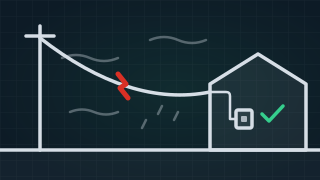
NBN Dropouts When It's Windy or Raining: An FTTC Job
Why NBN drops out when it's windy or raining: a fibre to the curb job where the wiring inside tested clean and the old overhead lead-in was the fault.
Read the guide › - 16Dec
Guide
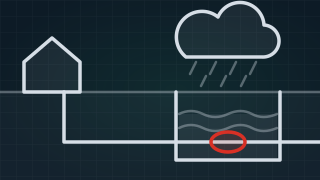
Does Weather Affect Your Internet? Rain, Wind and Heat
Why your internet drops out when it rains, how wind, heat and lightning affect each type of NBN, and what to do about a fault that follows the weather.
Read the guide › - 23Oct
Guide
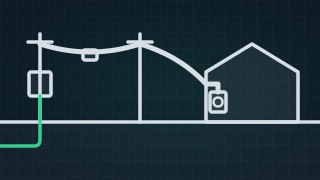
What Is HFC? NBN Hybrid Fibre Coaxial Explained
NBN HFC (hybrid fibre coaxial) explained: how it works, what the HFC box and the isolator do, why it drops out, and what to check before you ring anyone.
Read the guide › - 23Oct
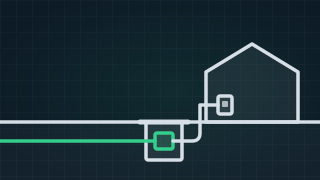
Guide
NBN FTTC Box and Fibre to the Curb (Kerb) Explained
Fibre to the curb (FTTC) explained: how to tell if you have it, why the FTTC NBN box powers the unit in the pit and clicks, and the faults we find on it.
Read the guide ›
Lead-in Cable Installation
Trusted by 1,000+ businesses