02 9188 1577

4G GSM LIFT PHONE
UPGRADE SYDNEY

NBN Fails in a Blackout. Your Emergency Phone
Cannot Afford to Fail With It.

Every passenger lift must have a functioning emergency phone — one that works during a power outage. If your building's lift phone still runs on the legacy copper network, a 3G GSM dialler, or through the NBN, it is non-compliant or at immediate risk of failure. SECURE A COM upgrades lift emergency phones to fully compliant 4G GSM systems, with on-site signal testing, battery backup verification, and documentation provided on every job.

Open Registered Cabler · A10089 SafeWork NSW Compliant 4G Signal Tested On-Site Residential & Commercial
Open Registered Cabler A10089
Registered Cabler ASIAL · ICAA Member
Since 2008 Sydney & Sutherland Shire
12-Month Guarantee All workmanship warranted
Video Evidence Watch on YouTube ↗
The Problem

WHY YOUR LIFT EMERGENCY PHONE
MAY ALREADY BE NON-COMPLIANT

Most building managers don't discover their lift phone is non-compliant until something fails. These are the five scenarios we encounter most frequently across Sydney — and in every case, the building owner is legally responsible for fixing it.

Your Lift Phone Is Still Running on Legacy Copper

If your building connected to the NBN and the lift phone was never migrated, it may still be running on the legacy PSTN copper network. The Fire and Lift Register closed in February 2022. Migration responsibility now sits entirely with the building owner — not the ISP, not NBN Co. LEGACY COPPER RISK

NBN Won't Work When the Power Goes Out

Every device on the NBN relies on mains power. During a blackout — storm, fault, or infrastructure failure — your NBN modem loses power. If the lift phone routes through NBN, it stops working. Emergency lift phones must remain operational for a minimum of two hours after any power failure. NBN POWER OUTAGE RISK

Your 3G GSM Dialler Is Now Non-Functional

During the NBN rollout, many buildings installed 3G GSM diallers as the compliant lift phone solution. Telstra has now shut down the 3G network. Any lift emergency phone still running on a 3G dialler has already stopped working or will fail immediately. Every 3G device must be replaced with 4G-compliant hardware. 3G NETWORK SHUTDOWN

No Mobile Signal in the Basement or Machine Room

Lift machine rooms in basements, plant rooms, or concrete structures severely attenuate mobile signal. Without adequate 4G reception at the device location, a GSM dialler cannot make emergency calls. An external antenna installation is required whenever internal signal testing confirms insufficient coverage at the installation point. SIGNAL COVERAGE GAP

Non-Compliance Creates Serious Legal Exposure

If a trapped passenger cannot reach emergency services because the lift phone failed, the building owner may be in breach of Work Health and Safety legislation. SafeWork NSW requires all passenger lifts to carry a functioning emergency phone. Non-compliance exposes building owners, strata committees, and body corporates to legal and insurance liability. WHS NON-COMPLIANCE
// Our Approach

WE ASSESS IT.
WE TEST SIGNAL.
WE INSTALL IT.

Every lift phone upgrade starts with an on-site inspection. We don't guess about 4G signal or power supply — we test both at the actual device location, confirm what's required, and provide a written quote before any work is committed to.

01
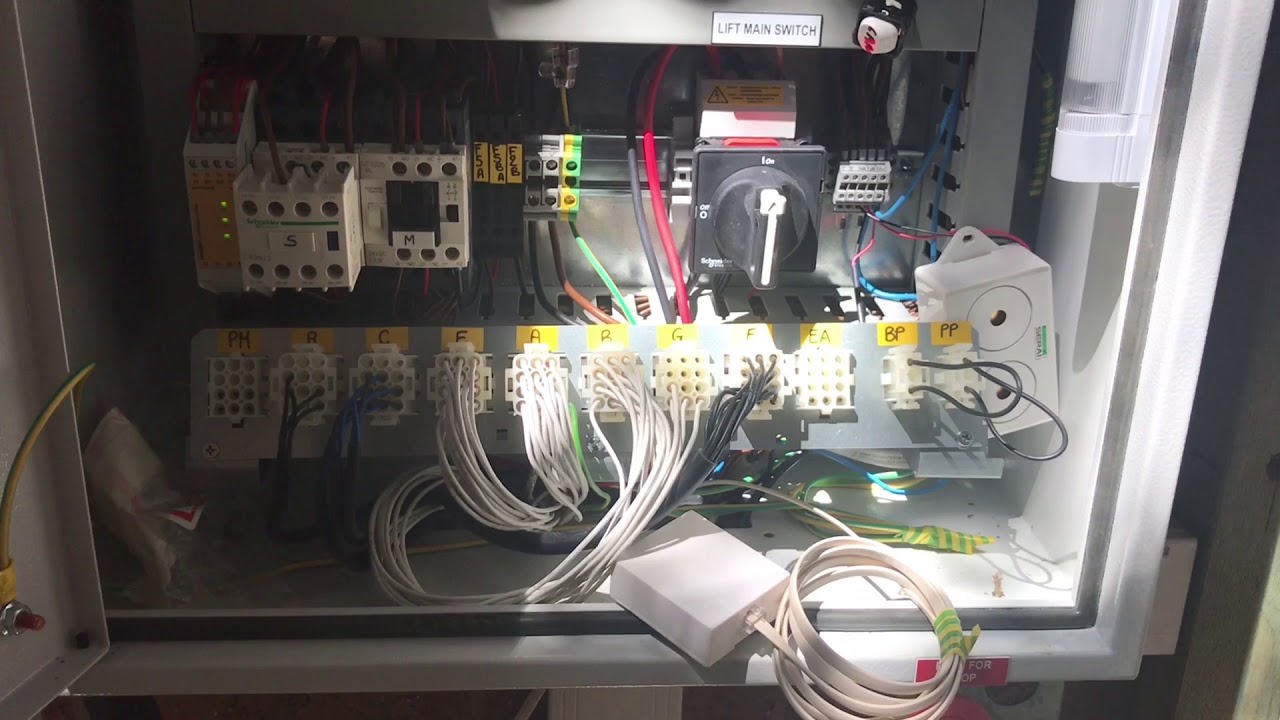
On-Site Compliance Assessment We locate the existing lift phone dialler, identify its connection type — copper, MDF, lift cabinet, or machine room — and document the current compliance status against AS1735.19 (EN81-28).
02
4G Signal Testing on All Networks We test 4G reception at the proposed installation point on all major carriers. Where signal is inadequate, we identify the cable pathway for an external antenna and include it in the written scope.
03
Power Supply Verification We confirm a suitable power source at the installation point and verify the device's battery backup meets the minimum 2-hour requirement under AS1735.19.
04
Installation and Commissioning We install the 4G GSM device, connect the SIM card, configure the emergency dial-out number, and run a live test call to confirm the system is functional and compliant.
05
Documentation and Handover We confirm the automatic 3-day test call cycle is active and provide the building manager with written compliance records for strata committee and WHS purposes.
// WHAT'S INCLUDED IN EVERY INSTALLATION
On-site compliance assessment
4G signal testing at device location
External antenna cabling (where required)
Device installation and configuration
Emergency dial-out test confirmed
Battery backup verified (2-hour minimum)
SIM card setup (customer or managed)
Written compliance documentation
400
Lift rescues in NSW every year
2 HRS
Required backup battery minimum
5.0★
Google Reviews
Real Jobs · Real Upgrades · On Camera

WATCH OUR 4G GSM LIFT PHONE UPGRADES IN ACTION

These aren't demonstrations — every video is a real Sydney job. We've been installing GSM lift phone diallers since the 3G era, so when 4G arrived and 3G was decommissioned, nothing changed except the unit. Watch the full process, on camera.
5.7K+ Video Views
2018 Doing This Since
4G All Installs Today
100% Compliance Tested
SECURE A COM technician Jason testing NBN fibre emergency lift phone systems across Sydney — exposing VoIP failure points
NBN Fibre Lift Phone · Compliance Testing

Testing NBN Fibre Emergency Lift Phones — And Finding the Failure Points

NBN fibre services run over VoIP — which cuts out the moment power fails. Jason tests emergency fibre lift phone systems across Sydney and exposes exactly where they fall short. This is the case for why a dedicated 4G GSM dialler is the only compliant solution.

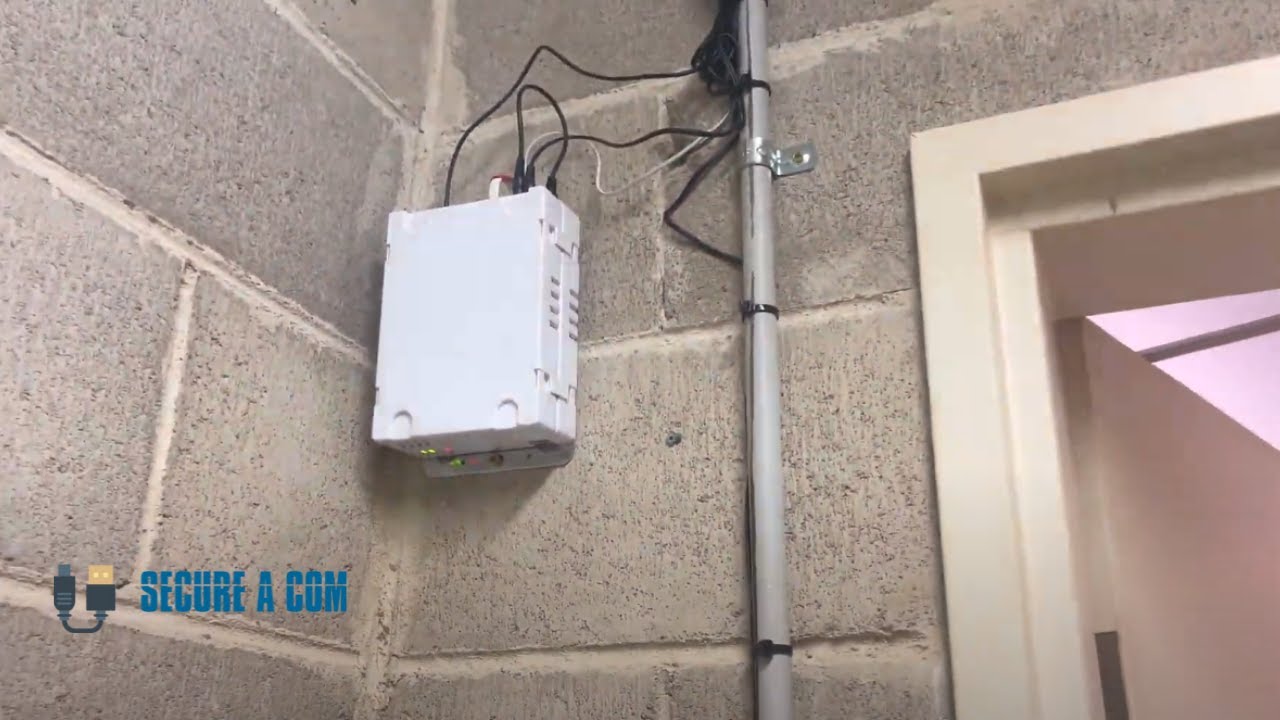
SECURE A COM 2018 GSM lift phone dialler installation — earliest NBN emergency lift phone upgrade on record
GSM Lift Phones · Since 2018

We've Been Installing GSM Lift Phone Diallers Since 3G — Here's Where It Started

This 2018 job shows our earliest GSM lift phone installations — back when 3G was the best available technology. The Telstra 3G network has since been decommissioned. Every install we do today is 4G only. We include this video because it matters: we weren't new to this when 4G arrived.

Need your lift phone upgraded or inspected? Book Inspection See all our videos on YouTube
Full Range of Services

TELECOMMUNICATIONS SERVICES SYDNEY

4G GSM lift phone upgrades are one part of our building telecommunications service across Sydney. From MDF infrastructure to NBN fault finding and data cabling, we cover the full scope of building communications — residential, strata, and commercial.

Get a Quote
Building Infrastructure — Cluster

MDF Upgrade Sydney

Many buildings requiring a lift phone upgrade also have MDFs due for replacement. If your building's Main Distribution Frame still uses legacy soldered terminations or deteriorated Krone blocks, an MDF upgrade addresses the building's entire copper infrastructure — not just the lift.

MDF upgrade services Sydney
MDF Services

MDF Jumpering Sydney

Before a full frame replacement is needed, individual apartment connections in FTTB buildings are resolved by MDF jumpering. If units in your building have lost NBN while you're assessing the lift phone, jumpering is the most efficient fix for individual connection issues.

MDF jumpering services
Fault Repair Cluster

NBN Fault Repair Sydney

Building-wide NBN faults are often traced back to infrastructure inside the comms room — the same space where lift diallers and MDFs live. If your building has persistent NBN issues alongside an outdated lift phone, both can be assessed in a single visit.

NBN fault repair services
Fault Repair Cluster

Internet Fault Finding Services

Independent NBN fault diagnosis from NTD through to the router. For apartment buildings where ISPs are attributing blame to internal wiring, a private technician with proper test equipment finds the root cause without guesswork and without waiting for another ISP callout.

Internet fault finding Sydney
Data Cabling

Data Cabling Sydney

Where lift phone upgrades require new cable runs through ceiling spaces or existing conduit, the same access can be used to run Cat6 data cabling for building common areas, management offices, or individual tenancies. We minimise disruption by combining works where possible.

Structured data cabling installation
Fault Repair Cluster

Phone Line Repair Sydney

For buildings where copper voice lines serve both the lift emergency phone and individual units, phone line faults can affect both systems simultaneously. We diagnose and repair all copper voice line faults across Sydney — from line noise and dropouts to complete loss of dial tone.

Phone line repair services
Installation

NBN Installation Services Sydney

For new buildings or strata developments requiring NBN connections alongside lift phone compliance work, we handle complete NBN installations that integrate cleanly with the existing building infrastructure — correctly documented and tested from the outset.

NBN installation services Sydney
WiFi & Networking

WiFi Solutions Sydney

Signal attenuation problems that affect 4G reception in basements can also affect WiFi coverage throughout the building. Where both issues are present during an on-site assessment, we provide recommendations for the full signal picture — not just the lift phone.

WiFi solutions Sydney
How It Works

FROM OLD UNIT TO 4G COMPLIANT

Installing a 4G GSM lift phone dialler follows a clear, documented process. Here's exactly what happens from your first enquiry through to a fully tested, compliant emergency lift phone.

01
Step 01

Book an Inspection — or Check It Yourself First

The first step is finding out whether your lift phone actually works. You can do a basic self-check — press the emergency button in the lift and see if it connects. If there's no answer, a long dial tone, or you're unsure what you're running (PSTN, old 3G GSM, NBN VoIP), book an on-site inspection and we'll assess everything for you.

Online booking 24/7 On-site inspection Signal assessment Same-week availability
02
Step 02

On-Site Assessment & Written Quote

We attend the site and assess the 4G signal strength at the lift control panel and MDF — adequate signal is essential before any hardware is ordered. We check what the lift is currently using, confirm what the new installation requires, and provide a clear written quote. No work proceeds until you're happy with the price.

4G signal tested on site Written quote provided No hidden costs No obligation
03
Step 03

Accept the Quote & Arrange Your SIM Card

Once you accept the quote, we'll advise you on the right SIM card before installation day — we recommend Telstra for their 4G coverage reliability across Sydney. You purchase the SIM directly, which means no ongoing monthly fees from us. A lot of lift companies charge a monthly SIM management fee on top of the install; we don't. Your SIM, your account, no middleman markup.

Telstra 4G recommended You own the SIM No monthly fees from us Installation scheduled
04
Step 04

Old Infrastructure Removed & Disconnected

On installation day, we start by safely removing and disconnecting whatever the lift was previously using — an old PSTN line-connected dialler, a decommissioned 3G GSM unit, or a VoIP-based system that was never fit for emergency use. Everything is cleanly disconnected before the new unit goes in.

3G unit removed PSTN dialler removed VoIP disconnected Clean removal
05
Step 05

New 4G GSM Unit Installed & Configured

The new 4G GSM dialler is installed and connected to the lift control panel's communications port. We configure the unit with your SIM and programme the emergency contact numbers. If 4G signal is marginal at the panel location, we install an external aerial to ensure optimal reception before signing off.

Connected to lift comms port Emergency numbers programmed External aerial if needed SIM activated & configured
06
Step 06

Full Emergency Call Test — Confirmed Working

We test the system end-to-end before we leave. The emergency button is pressed from inside the lift, the call connects to the monitoring base, and two-way communication is confirmed. Battery backup is also verified — so you know it will operate even in a power failure. The lift maintenance company is immediately notified with the new phone number for their records.

Emergency call tested Two-way comms confirmed Battery backup verified Lift company notified
07
Step 07 — Optional

Annual Compliance Testing & Check-Up

Emergency lift phones should be tested regularly to confirm they're still functioning correctly. We offer an optional annual return visit — we press the button, confirm the call connects to base, check signal strength and battery health, and issue you a documented test record. Regulations require this testing; we make it simple.

Annual compliance test Documented test record Signal & battery check Optional service

// Ready to get your lift phone sorted?

Book Inspection On-site signal assessment and quote across Sydney
Transparent Pricing

INSPECTION FIRST. QUOTE AFTER.

4G GSM lift phone upgrades can't be priced without attending your building. We charge a fixed $250 to come to your building, locate the existing dialler, test 4G signal at the device location, and assess power supply. From that visit you receive a written quote — before any work is committed to or paid for.

// On-Site Assessment Fee
$ 250
inc. GST  |  Per on-site inspection

The $250 covers your on-site assessment — we attend your building, locate the existing lift phone system, test 4G signal on all major carriers, check power supply, and document everything needed to price the installation accurately. You decide whether to proceed after receiving the written quote. Covers up to 40km travel from our Sutherland Shire office. See full terms and conditions →

// What the $250 covers
1 hour on-site with an Open Registered Cabler
Location and assessment of existing lift phone system
4G signal testing at device location on all major networks
Power supply and battery backup assessment
External antenna pathway identification (if required)
Written upgrade quote delivered after inspection
Up to 40km travel from our Sutherland Shire office
12-Month Workmanship Guarantee — all installation work is covered once completed.
Common Questions

PRICING FAQ

The $250 (inc. GST) covers one hour on-site with an Open Registered Cabler at your building. We locate the existing lift phone dialler, assess the current connection type — whether it connects via copper, MDF, lift control cabinet, or machine room — test 4G signal strength at the installation location on all major networks, check power supply availability, and document everything needed to provide an accurate written quote. Travel up to 40km from our Sutherland Shire office is included. You receive the written quote after the inspection — before anything is committed to or charged.
Yes — the $250 is the fee for the on-site inspection itself, not for the upgrade work that follows. Think of it as paying for a qualified technician to attend your building, locate the existing system, test mobile signal, and assess everything needed to provide an accurate written quote. If you receive the quote and decide not to proceed, that's entirely your choice — no further charge applies. What you've paid for is expert knowledge: a clear compliance picture and a documented upgrade plan.
After the inspection we take the signal test results, photos, and site documentation back to the office and prepare a written scope of work with an itemised quote. This covers the 4G GSM device, SIM card setup, external antenna cabling (where required), labour (installation, configuration, test commissioning), and any site-specific requirements identified during the visit. The quote is emailed to you — or to the building manager or strata committee if preferred. No work is booked or charged until you have approved the quote.
The main factors are whether an external antenna is required (and the cable run distance involved), the complexity of cable routing from the device location to the antenna mounting point, access requirements (roof access, machine room, lift shaft), any additional power supply work needed, and whether you are supplying your own SIM card or using our managed SIM rental service. A straightforward installation in a machine room with good 4G signal is at the lower end of the range. Installations requiring a full external antenna run to a rooftop mounting point sit higher. All materials and labour are itemised in your written quote — you will see exactly what you are paying for before any work begins.
Travel up to 40km from our Sutherland Shire office is included in the $250 inspection fee. For addresses beyond 40km, a travel supplement applies — calculated at the ATO cents-per-kilometre rate for the return distance over 40km. This is confirmed with you before the inspection is booked — never a surprise after the visit. See full travel pricing in our Terms and Conditions.
You can supply your own SIM card — this is entirely your choice. If you provide your own SIM, you are responsible for keeping it active, monitoring it, and replacing it if it fails. Our managed SIM rental service includes ongoing monitoring, replacement SIM handling if the card stops working, and callout support for SIM-related issues. We recommend weighing the long-term cost of self-managed SIMs against the managed service — a failed SIM means a non-compliant lift phone, which carries real liability. We discuss both options with you at the time of inspection.
Licences & Credentials

LICENSED. CERTIFIED. ACCOUNTABLE.

Secure A Com holds every licence and certification required to legally work on NBN and telecommunications infrastructure in Australia. Our master technicians are fully registered with ASIAL, an official national cabling registrar accredited by the Australian Communications and Media Authority (ACMA). When you book with us, you're engaging a properly registered cabler — not an unlicensed contractor. Click any certificate to view it in full.

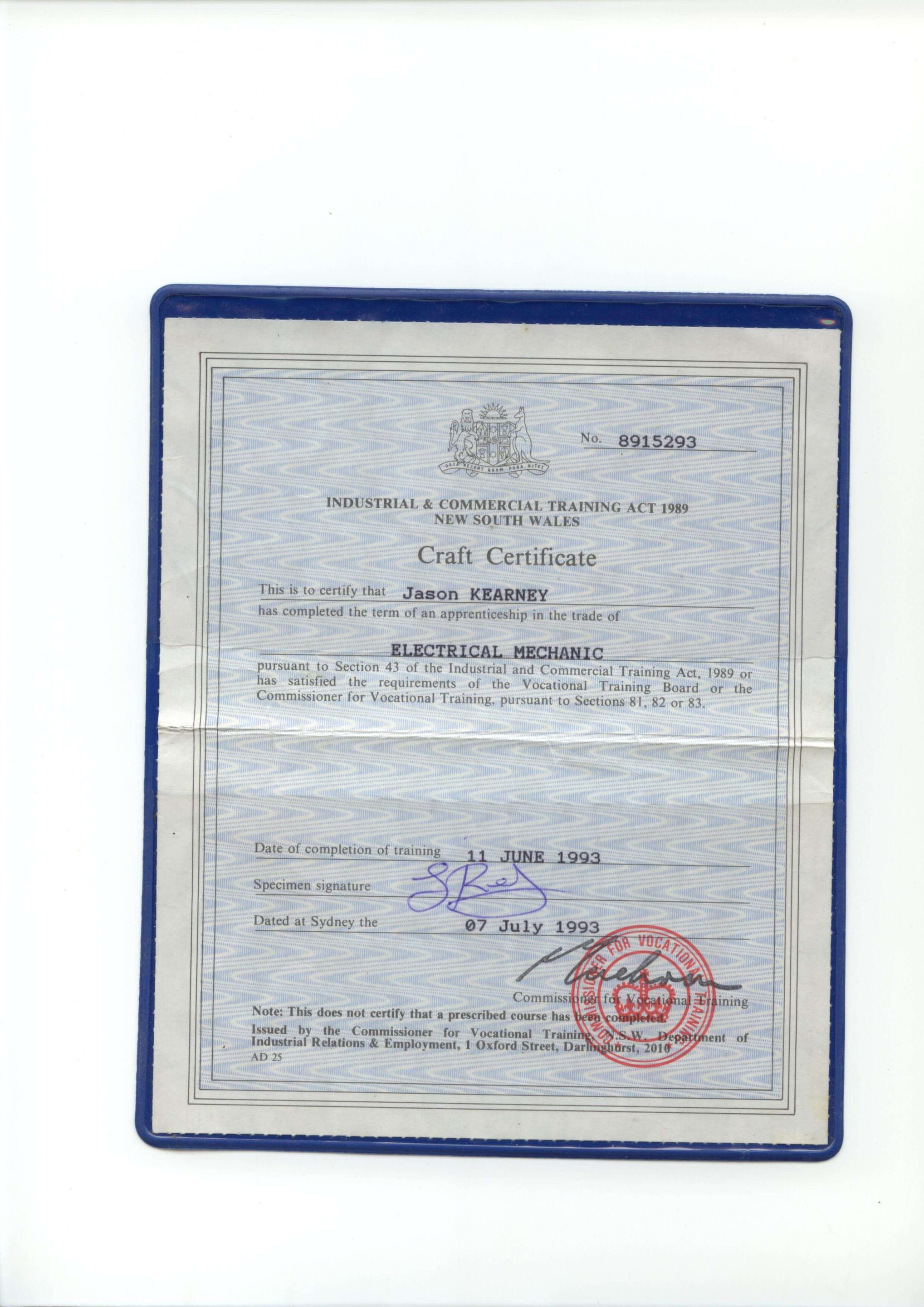
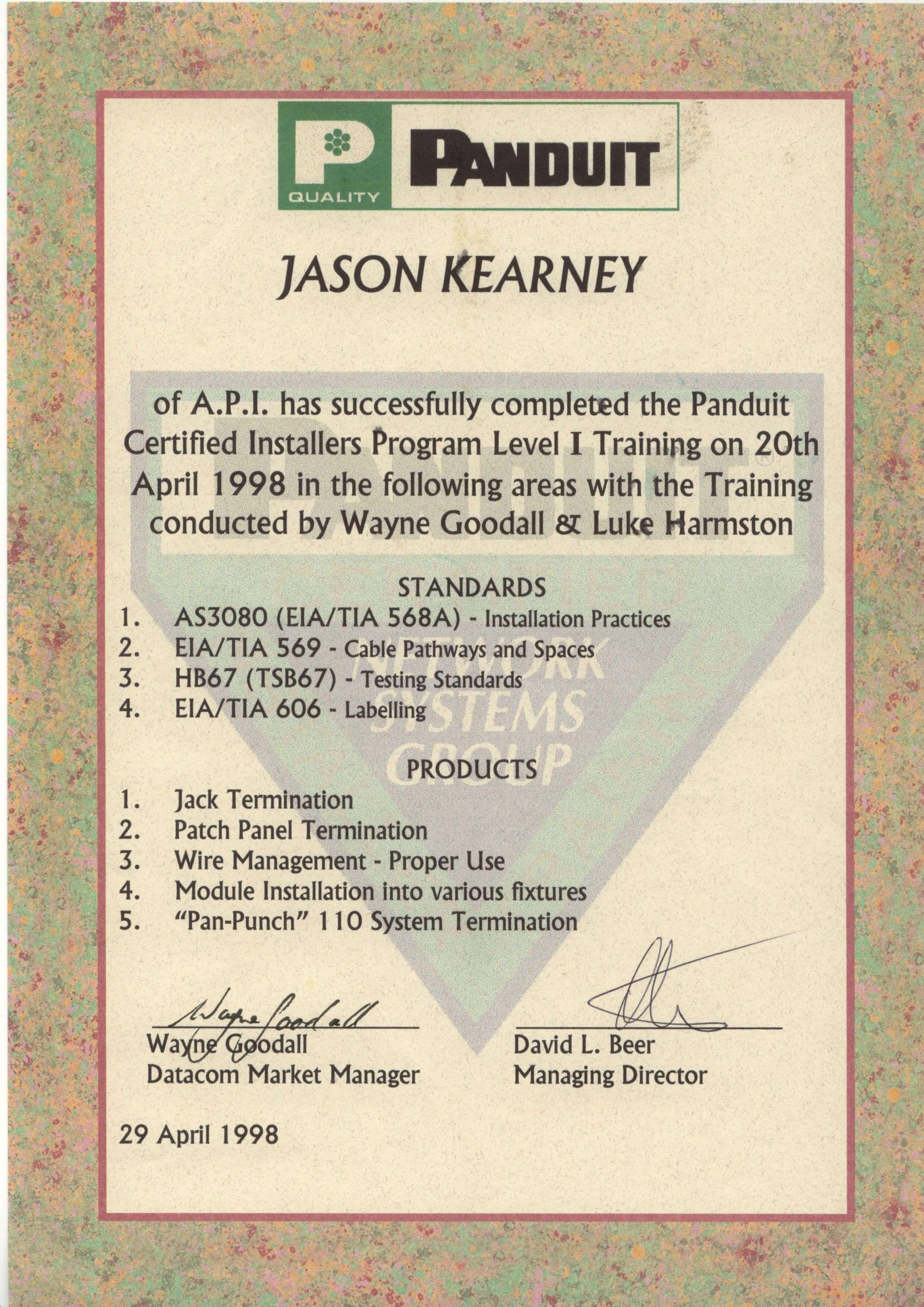
Open Registered Cabler — A10089 Australian Communications Authority — Licence 16598 Telstra Contractor — CID 90024185 Telstra Install & Maintenance — DC0051 Electrical Craft Certificate — 8915293 Data Cabling — AS3080 ABN 78 130 056 987
Jason Kearney — Founder & Master Technician, SECURE A COM
// Founder & Master Technician

JASON KEARNEY

Founder Jason Kearney is an Open Registered Cabler with 29 years of industry experience. In 1997, he was a manager for one of the first private contracting companies to work in the Telstra network following privatisation, leading the landmark CAN 2000 Project. Since establishing SECURE A COM in 2008, Jason has provided Sydney with independent, expert fault diagnosis and telecommunications solutions.

Jason Kearney signature Read my full profile →
Open Cabler Registration Licence A10089
Open Cabler Registration
ASIAL (ACMA-accredited registrar) — A10089
Cabler Registration Certificate
Australian Cabler Registration
ASIAL Member
Australian Communications Authority Licence 16598
Australian Communications Authority
Licence 16598
Regulatory Framework Licence
Milcom
Telstra Install and Maintenance Certificate DC0051
Telstra Install & Maintenance
Certificate DC0051
Telstra Copper Jointing Certificate
Telstra Copper Jointing
Certificate
Telstra Contractor Accreditation CID 90024185
Telstra Contractor Accreditation
CID 90024185
Telstra Lines Manager Certificate
Telstra Lines Manager
Certificate
Electrical Craft Certificate 8915293
Electrical Craft Certificate
Licence 8915293
Data Cabling Certification AS3080
Data Cabling Certification
AS3080
Bonded Asbestos Removal Certificate
Bonded Asbestos Removal
Certificate
Sydney Tunnel Induction
Certificate
// Registered Australian Business
ABN 78 130 056 987
Verify on ABR →
Customer Reviews

WHAT SYDNEY CUSTOMERS SAY

5.0
128 Google Reviews
Google Reviews Verified customer feedback
Leave a Review
Trusted By

COMPANIES WE'VE WORKED FOR

From national banks to fast food chains — Sydney's biggest organisations trust us with their telecommunications infrastructure.

NBN · Data Cabling · Fibre · WiFi · Network Infrastructure

ISP Logo Bar Preview
We diagnose faults across all Australian ISPs
Common Questions

4G GSM LIFT PHONE — FREQUENTLY ASKED QUESTIONS

Everything building managers, strata committees, and building owners ask before booking an on-site inspection — answered clearly, without the technical runaround.

Yes. According to SafeWork NSW, all passenger lifts must have a functioning emergency phone installed. This applies regardless of the age of the lift or whether the building has recently been connected to the NBN. In NSW alone, emergency services and lift providers rescue approximately 400 passengers per year from trapped lifts. A non-functioning emergency phone puts trapped passengers at risk and may place the building owner in breach of Work Health and Safety legislation. If your building has an operational passenger lift, it is required to have a working, compliant emergency phone system in place at all times.
Emergency telecommunication systems must continue operating for a minimum of two hours during a power outage. Equipment connected to the NBN will not function during a blackout — the NBN modem and associated infrastructure lose power the moment mains power fails. If your lift emergency phone routes through an NBN service, it will stop working precisely when it is needed most: when the building loses power. The NBN cannot be used as a reliable, compliant method of providing an emergency lift phone line. A 4G GSM device with built-in battery backup operates independently of the building's power supply and meets the requirements of AS1735.19 (EN81-28).
Both are cellular gateway devices that provide an emergency phone line to the lift via a SIM card, operating independently of any fixed-line or NBN service. The difference is the mobile network generation they use. 3G GSM diallers were installed in many buildings during the NBN rollout when 4G was not yet the standard for these devices. Telstra has now shut down the 3G network, meaning all 3G lift diallers have ceased to function or will fail immediately upon the last 3G signal being removed from their area. 4G GSM diallers operate on the current mobile network standard, include an internal battery backup meeting the 2-hour minimum requirement, comply with AS1735.19 (EN81-28), and support automatic test call functionality. There are currently no compliant 5G GSM lift devices — 4G is the current standard and there are no announced plans for its shutdown.
The preferred installation locations are the lift machine room or lift control cabinet, as both typically provide access to a reliable power source and can accommodate cabling for an external antenna if signal testing shows it is necessary. The device can also be installed at the top of the lift shaft. What we do not recommend is installation in old switch rooms that rely on ageing copper infrastructure, as this re-uses degraded wiring that can introduce fault risk and does not represent a clean, compliant upgrade. The exact installation location is determined during the on-site inspection, where we assess power availability, cable pathways, 4G signal strength, and access requirements before writing the quote.
Basements, plant rooms, and reinforced concrete structures significantly attenuate mobile signal. If 4G signal testing at the proposed installation location shows inadequate reception on all major carriers, an external antenna is required. During the on-site inspection we identify the cable pathway from the device location to a suitable external mounting point — typically a rooftop or external wall — and include the external antenna cabling as part of the installation scope. The inspection tells us whether an antenna is needed, what cable length is required, and what the correct mounting position and carrier choice is. An external antenna solution adds to the installation cost but is a reliable, permanent fix — and is included in your written quote where required.
Australian Standard AS1735.19 (EN81-28) requires lift GSM devices to be capable of conducting automatic self-check test calls at regular intervals to confirm the device is operational and the emergency number remains reachable. Most compliant 4G GSM diallers perform an automatic test call every 3 days. If the test call fails — because signal has degraded, the SIM has been deactivated, or the device has lost power — the system generates an alert. This is why we recommend devices with remote monitoring capability, so that a failure is detected and reported without someone in the building needing to manually check the device. A device that cannot be remotely monitored may fail a test call without the building manager being notified until the next scheduled check.
The lift is part of the building's common property infrastructure, meaning any modification typically requires authorisation from the strata committee, body corporate, or building owner. For strata-titled buildings, this usually requires a committee resolution approving the upgrade and the associated costs, which may need to be presented at a general meeting. We are experienced in working with strata managers and body corporates to provide the documentation they need for committee approval — a written scope of work, itemised quote, ACMA credentials (A10089, ACA 16598), and insurance certificates. We can also attend building committee meetings to answer technical questions if required. The non-compliance risk — a failed emergency phone during a power outage — is typically sufficient context for committees to approve the upgrade promptly.
A Single SIM device connects to one mobile network provider and is fully compliant with Australian Standard AS1735.19 (EN81-28) and SafeWork NSW requirements. It is the standard installation for most buildings and meets all mandatory compliance criteria. A Dual SIM device connects to two separate mobile networks simultaneously, providing automatic failover if the primary carrier loses coverage at your building. The Dual SIM option is not a compliance requirement — it is an optional additional safety measure, suitable for high-risk environments or locations where one network carrier has historically had coverage issues. Regarding SIM cards: customers may supply their own SIM card for the device. If you provide your own SIM, you are responsible for keeping it active and replacing it if it fails. Our managed SIM rental service covers ongoing monitoring, replacement handling, and callout support — which is worth considering for a safety-critical system. Both options are discussed with you at the time of the on-site inspection.
// Ready to upgrade?
Book an on-site inspection — we handle the rest.

LIFT PHONE OUT OF DATE?
LET'S GET IT COMPLIANT.
BOOK AN INSPECTION.

Every 4G GSM lift phone upgrade starts with an on-site inspection. We attend your building, test 4G signal at the device location, assess the existing system, and provide a written compliance-ready quote — before any work is committed to or charged.

Open Registered Cabler SafeWork NSW compliant 4G signal tested on-site On-site assessment first 12-month workmanship guarantee
— or call us directly — 02 9188 1577

Mon–Fri · After-hours by request · Sydney-wide coverage

Open RegisteredCabler · ASIAL
5.0 Stars128 Google Reviews
Since 200818+ Years Experience
AS1735.19Compliant Installs
12-MonthGuarantee

Pin It on Pinterest