
INTERNET
TECHNICIAN
SYDNEY
HFC, FTTC & FTTP.
INNER WEST TO EASTERN SUBURBS.
An internet technician from SECURE A COM diagnoses NBN faults across Sydney — from the inner west and eastern suburbs to the CBD and mid-ring suburbs. We specialise in HFC coaxial cable faults and F-connector corrosion in inner-city terraces and apartments, and FTTC DPU resync faults across mid-ring suburbs. An Open Registered Cabler (A10089) attends on-site, with 90% of faults resolved in a single visit.
WHY SYDNEY INTERNET FAULTS GO UNFIXED
Inner Sydney has Australia's highest density of HFC (Hybrid Fibre-Coaxial) NBN connections — spanning the inner west, eastern suburbs, and the CBD ring. Alongside HFC, mid-ring suburbs run FTTC, and apartment buildings present unique MDF faults that ISPs refuse to access. Here's why these faults go unresolved.
HFC Coaxial Cable Faults — Corroded F-Connectors and Degraded Coax in Inner Sydney Terraces
Sydney's inner suburbs — Newtown, Surry Hills, Leichhardt, Balmain, Rozelle, Paddington, Annandale, and Glebe — were predominantly rolled out with HFC (Hybrid Fibre-Coaxial) NBN. The HFC network uses coaxial cable from the street pit to your wall plate, terminating with an F-connector. F-connectors on coaxial cable wall plates in older terrace homes are exposed to Sydney's humid coastal air and are highly susceptible to corrosion. A corroded F-connector degrades the HFC signal-to-noise ratio (SNR), causing speed drops, intermittent dropouts, and packet loss. NBN Co tests signal levels at the pit — not at your wall plate. If the SNR is acceptable at their measurement point, ISPs close the ticket as resolved — regardless of what's happening at the wall.
Apartment MDF Krone Block Faults — Strata Building Comms Rooms Ignored by ISPs
Sydney's dense apartment stock — from heritage conversions in Darlinghurst, Woolloomooloo, and Paddington to modern high-rises in Pyrmont, Ultimo, Surry Hills, and Zetland — relies on MDF (Main Distribution Frame) Krone punch-down blocks in building comms rooms for all telephony and NBN copper pair assignments. When a Krone IDC connection fails, corrodes, or is reassigned incorrectly during building works, your connection dies or degrades — but the fault reads as a network issue to ISP remote testing tools. ISPs refuse to enter strata building comms rooms, classifying MDF work as "in-building infrastructure" outside their scope. We access comms rooms with strata management approval and carry out Krone IDC diagnosis and re-jumpering on the same visit.
Heritage Pre-War Internal Wiring — Aged Copper in Paddington, Newtown, Balmain, and Glebe Terraces
Sydney's inner-city terrace belt — built predominantly between the 1880s and 1940s across Paddington, Glebe, Newtown, Balmain, Leichhardt, Rozelle, Annandale, and Surry Hills — contains the oldest telecommunications wiring in Australia. Pre-war terraces were wired with cloth-insulated or early PVC telephone cable that has never been replaced. For properties on FTTN connections, this ancient copper adds significant impedance to the pair and compounds attenuation. Even HFC properties with older internal wiring suffer from degraded coax runs or incorrectly spliced internal extension points. ISPs have no visibility into the age or condition of your internal telecommunications wiring.
FTTC DPU Resync Faults — Connection Dropping Out in Marrickville, Dulwich Hill, Ashfield, Summer Hill
Sydney's mid-ring suburbs — Marrickville, Dulwich Hill, Summer Hill, Ashfield, Lewisham, Haberfield, and Petersham — were predominantly rolled out with FTTC (Fibre to the Curb). FTTC connects a Distribution Point Unit (DPU) in the street pit directly outside your premises to your modem via a short copper run. When the copper pair between the pit and your wall socket has a fault — corroded termination, damaged insulation, or moisture ingress at the lead-in entry point — the DPU periodically loses sync with your modem and re-establishes the connection, causing a dropout of one to three minutes then recovery. ISPs see these resync events in their logs but routinely attribute them to the modem or router, closing the ticket without attending on-site.
Inner-City High-Rise NBN Faults — CBD and Strata Building Internal Infrastructure Outside ISP Scope
High-rise apartment buildings in the Sydney CBD, Pyrmont, Ultimo, Chippendale, Green Square, and Alexandria present fault scenarios unique to multi-dwelling environments. The building's internal cabling infrastructure — horizontal patch cables from the comms room to each apartment, vertical riser cables, and Krone pair assignments on the MDF — sits entirely within the "customer premises" classification and outside ISP diagnostic scope. Any fault in this infrastructure is invisible to ISP remote testing. When an entire floor loses connectivity, ISPs test at the building entry point, confirm signal arrival, and close the ticket. The actual fault — a failed patch cable, a deteriorated Krone block, or a misassigned pair — remains inside the building comms room, unreachable to ISP support.
Coaxial Splitter Degradation — HFC Signal Loss in Converted Inner Sydney Terraces and Apartments
Sydney's inner-city terrace conversions and older apartment buildings frequently have coaxial splitters installed to distribute the HFC signal to multiple rooms. Each splitter introduces 3–4 dB of signal loss, and a degraded or incorrectly installed splitter can reduce the HFC SNR to levels where the connection becomes unreliable. In older properties where the splitter was installed during NBN rollout and has since corroded or been exposed to heat in a ceiling cavity, the signal split is uneven — one outlet may appear functional while the modem outlet receives degraded signal. ISPs cannot detect splitter-induced signal degradation remotely because their testing sees only the modem input signal, not the split path quality throughout the property.
YOUR INDEPENDENT INTERNET TECHNICIAN —
SERVICING ALL OF SYDNEY
SECURE A COM is an independent, Open Registered Cabler (A10089) servicing Sydney from our base in Miranda, Sutherland Shire. We attend on-site with professional test equipment — HFC signal analysers, TDR, VDSL2 analysers, OTDR, Krone IDC tools, and copper pair testers — and diagnose the physical fault wherever it sits. HFC F-connector replacement and coax signal testing in inner-city terraces, MDF Krone IDC diagnosis in strata building comms rooms, FTTC DPU fault investigation in mid-ring suburbs, and heritage copper pair testing in pre-war properties. No remote guessing. No ticket closures. Evidence-based fault diagnosis and same-visit repair across all Sydney connection types and building types.
Book a Sydney TechnicianWATCH US EXPOSE THE REAL FAULT
These aren't staged demos. Every video is a real Sydney job where we were called in after the ISP said nothing was wrong — and found exactly what they missed. Watch the full diagnostic process, on camera.
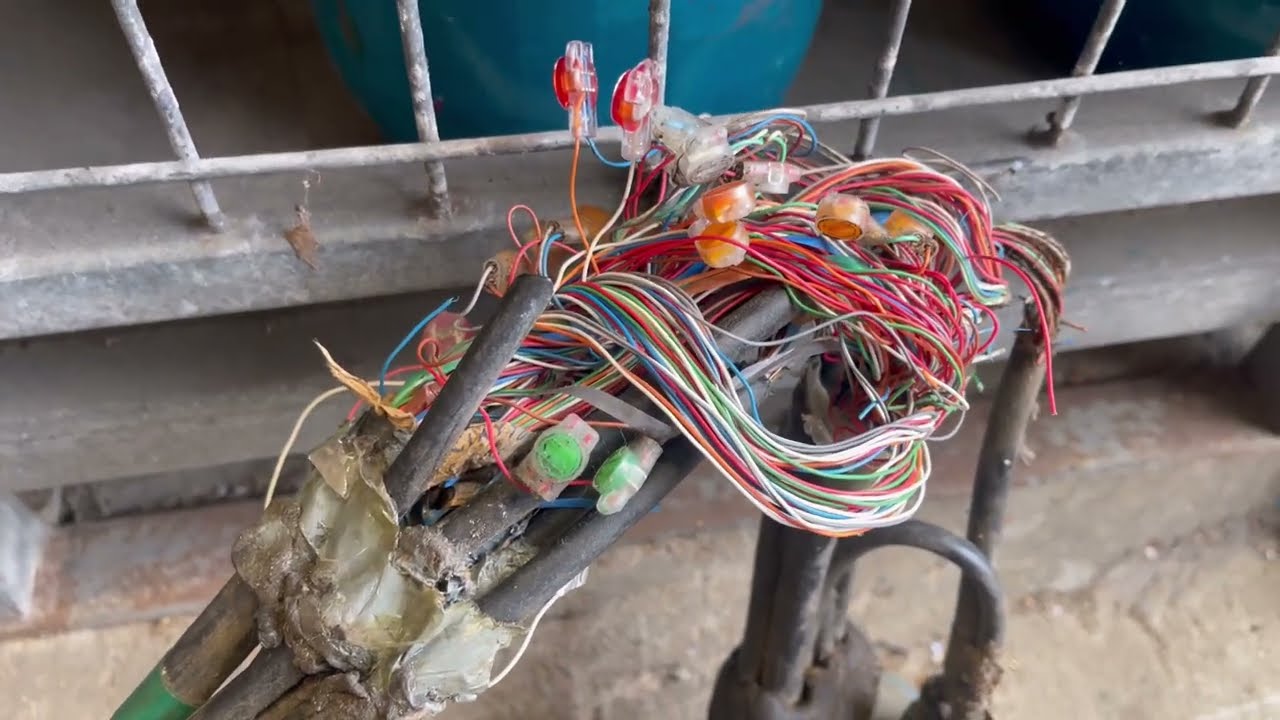
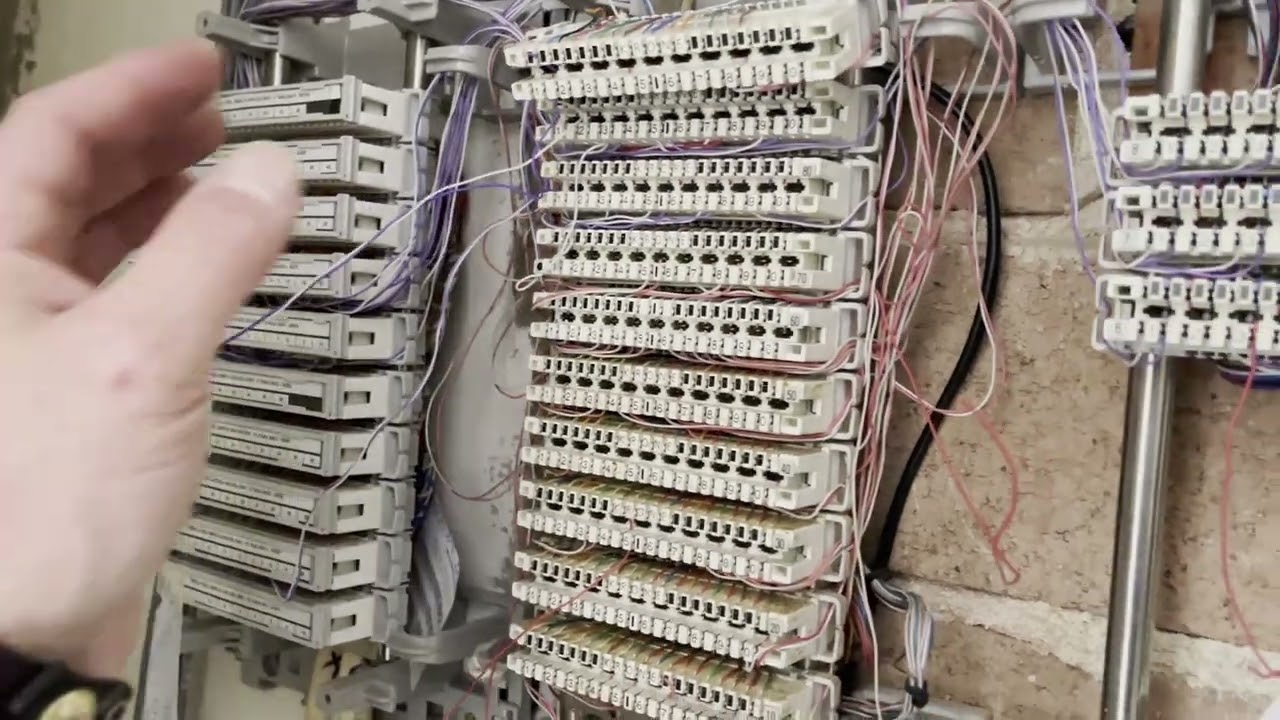
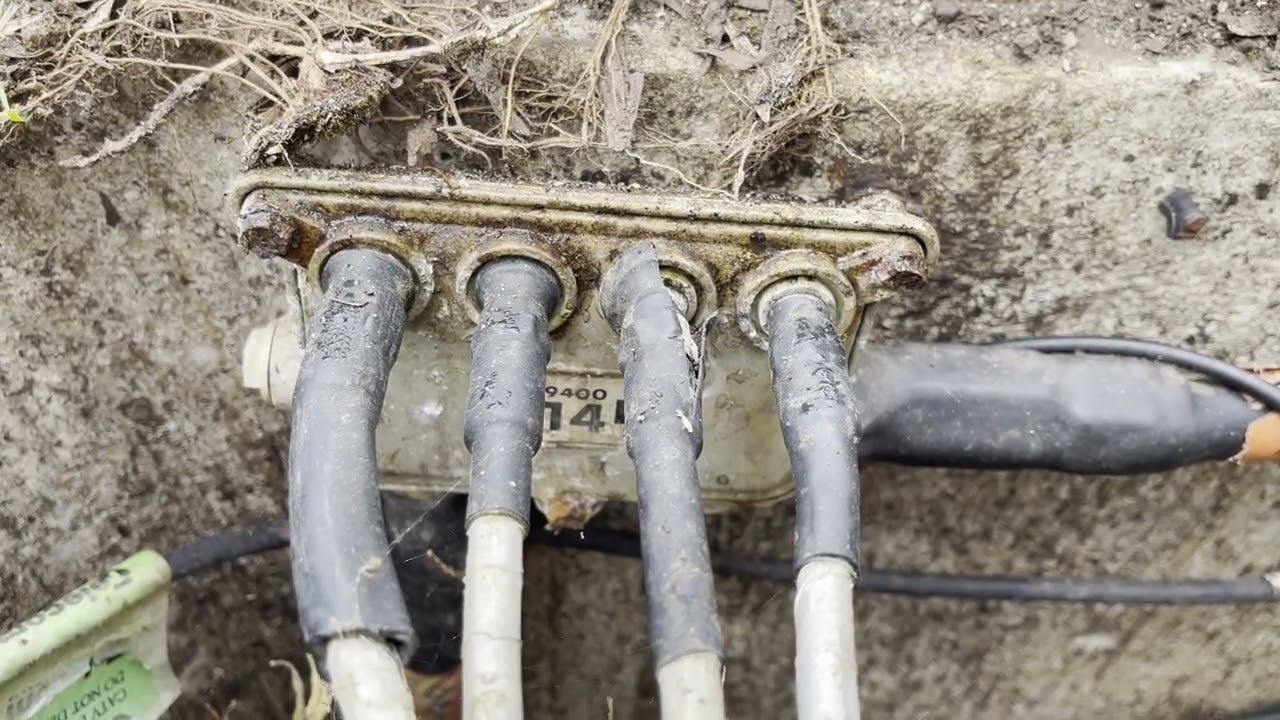
INTERNET & TELECOM SERVICES
From HFC coaxial cable testing and F-connector replacement to MDF Krone jumpering in strata buildings and FTTC DPU fault diagnosis — SECURE A COM provides licensed, on-site internet technician services across Sydney. Inner west, eastern suburbs, mid-ring, and the CBD all serviced.
Internet Technician NSW (All Locations)
View the full NSW internet technician page — covering Greater Sydney and state-wide locations. Fault diagnosis, HFC coax testing, bridge tap removal, and on-site NBN repairs wherever you are in New South Wales.
View NSW internet technician servicePrivate NBN Technician
ISP says the connection is fine — but your Newtown or Surry Hills internet is still dropping or running well below plan speed. Our independent private NBN technicians investigate what remote testing misses: HFC coax faults, F-connector corrosion, MDF pair failures, and FTTC DPU issues across inner Sydney.
Hire a private NBN technicianInternet Fault Finding Sydney
Dropouts, slow speeds, intermittent HFC connections, or rain-correlated outages across Newtown, Balmain, Marrickville, or Surry Hills. Our fault finding service identifies the physical cause using professional test equipment — HFC, FTTN, FTTC, and FTTP connections all tested on-site.
Internet fault finding servicesNBN Fault Repair Sydney
HFC F-connector replacement, FTTC copper pair re-termination, FTTP NTD investigation, or MDF Krone IDC re-jumpering in a strata building — we carry out NBN fault repairs on-site within the same service call across all inner Sydney connection types and building configurations.
NBN fault repair servicesMDF Jumpering for Apartments
Sydney apartment building internet faults frequently originate in the building comms room MDF — particularly in older Pyrmont, Surry Hills, and Darlinghurst conversions. We access, test, and repair MDF pair assignments — Krone IDC re-termination and pair jumpering completed on the same visit, with strata management coordination where required.
MDF jumpering for apartmentsPhone Line Repair Sydney
Crackling landline, no dial tone, or VoIP faults on your NBN phone service across inner Sydney. We diagnose and repair copper phone line faults at Sydney homes and business premises — Newtown, Leichhardt, Marrickville, Surry Hills, Paddington, and the CBD all serviced.
Phone line repair servicesWiFi Solutions Sydney
Once your line fault is resolved, WiFi dead zones in multi-storey terrace homes and apartment blocks across inner Sydney are a separate problem. We design and implement wireless coverage solutions for Sydney terraces, strata apartments, and heritage properties where standard routers can't penetrate thick sandstone or brick walls.
Fix WiFi coverage problemsLead-In Cable Installation
Lead-in cable damage in inner Sydney terraces often occurs during renovation, landscaping, or courtyard works. Moisture ingress at the entry point through an original terrace wall is a common cause of rain-correlated HFC and FTTC faults. We inspect, replace, and reroute lead-in cables to restore signal quality at the source.
Lead-in cable installationFROM YOUR FIRST CALL TO FIXED — ACROSS SYDNEY
Here's exactly what happens when you book an internet technician with SECURE A COM in Sydney. We travel from our Miranda base, arrive on-site with professional test equipment, and diagnose HFC, FTTC, FTTN, or FTTP faults across inner Sydney — most resolved within the first visit.
Book Online — Tell Us Your Connection Type and Fault Symptoms
Call us on 02 9188 1577 or use the online booking form. Tell us your NBN type if you know it (HFC, FTTN, FTTC, or FTTP), your Sydney address, and what's happening — slow speeds, dropouts, intermittent connection, or rain-correlated outages. You don't need technical knowledge. We'll advise on the most likely cause based on your address and building type before we arrive. We know the NBN technology mix across inner Sydney — from HFC in the inner west and eastern suburbs, to FTTC in mid-ring suburbs, and the unique MDF fault patterns in Sydney apartment buildings.
We Confirm Your Appointment — Specific Arrival Window
We confirm an exact arrival window — not a vague half-day block. Inner Sydney is typically 20–30 minutes from our Miranda base, making Sydney one of our most accessible service areas. We confirm the visit date, arrival window, and any access requirements — building entry for apartment complexes, strata management contact details for comms room access, or parking arrangements for terrace properties with no on-street parking. If your fault is in a strata-managed property with a locked comms room, we advise on coordinating access with the strata manager before the visit so there are no delays on the day.
On-Site Fault Diagnosis — HFC Signal Testing, MDF Access, DPU Faults
We arrive with professional telecommunications test equipment — HFC signal analysers, TDR, VDSL2 analysers, OTDR, Krone IDC tools, and copper pair testers — and begin a systematic diagnosis. For HFC properties in Newtown, Balmain, or Surry Hills, we test the full coaxial path from the wall plate to the modem, checking F-connector integrity, SNR margin, and signal level at every point. For FTTC properties in Marrickville or Ashfield, we test the copper pair from your wall socket to the DPU at the street pit. For apartment buildings, we access the building comms room and diagnose the MDF pair assignment with Krone IDC tools. This is the step your ISP has never taken.
Repair Carried Out On-Site — Same Visit
In 90% of cases, we carry out the repair on the same visit. F-connector replacement and HFC coax re-termination in inner-city terraces, Krone IDC re-jumpering in strata building comms rooms, copper pair re-termination for FTTC, or coaxial splitter replacement — we carry the tools and materials to complete these repairs immediately. Where the fault is an ISP or NBN Co infrastructure issue — such as an HFC node-side signal fault or an FTTC DPU problem outside your premises — we provide written documentation for escalation, with signal measurements and test evidence that ISPs cannot dismiss.
Speed Verified, Results Explained, Guarantee Issued
Before we leave, we re-test your connection speed and confirm the fault is resolved. We walk you through what we found and what was done — in plain language. You receive a 12-month workmanship guarantee on all repairs carried out. If the same fault recurs within 12 months due to our workmanship, we return at no additional charge. Full terms at secureacom.com.au/terms-conditions
Based in Sutherland Shire — We Genuinely Travel to Inner Sydney
SECURE A COM is headquartered in Miranda, Sutherland Shire. We created this page because we genuinely service Sydney — regularly attending homes and apartment buildings across Newtown, Surry Hills, Leichhardt, Balmain, Marrickville, Paddington, Dulwich Hill, and the CBD. We travel to inner Sydney because very few private Open Registered Cablers carry professional HFC signal analysers alongside TDR, VDSL2, and Krone IDC tools — covering every NBN technology type from a single service call. Inner Sydney (from the CBD, inner west, eastern suburbs, to mid-ring) is within our Greater Sydney service area — no additional travel surcharge applies for standard Greater Sydney addresses. For locations beyond Greater Sydney boundaries, travel charges apply per our Terms & Conditions.
// Ready to book your on-site Sydney diagnosis?
Book a Sydney Internet Technician Mon–Fri · HFC, FTTC, FTTN & FTTP Serviced · 90% Fixed Same VisitONE PRICE. NO SURPRISES.
A single fixed fee covers your on-site diagnosis and repair across Sydney. We service HFC terrace homes in Newtown, Surry Hills, and Leichhardt; FTTC properties in Marrickville and Ashfield; apartment buildings from Pyrmont to Zetland — no additional charge for connection type or suburb.
GST inclusive. Includes one hour on-site with an Open Registered Cabler and travel within Greater Sydney — inner Sydney (CBD, inner west, eastern suburbs, mid-ring) is included in our standard service area. See full Terms & Conditions →
PRICING FAQ
LICENSED. CERTIFIED. ACCOUNTABLE.
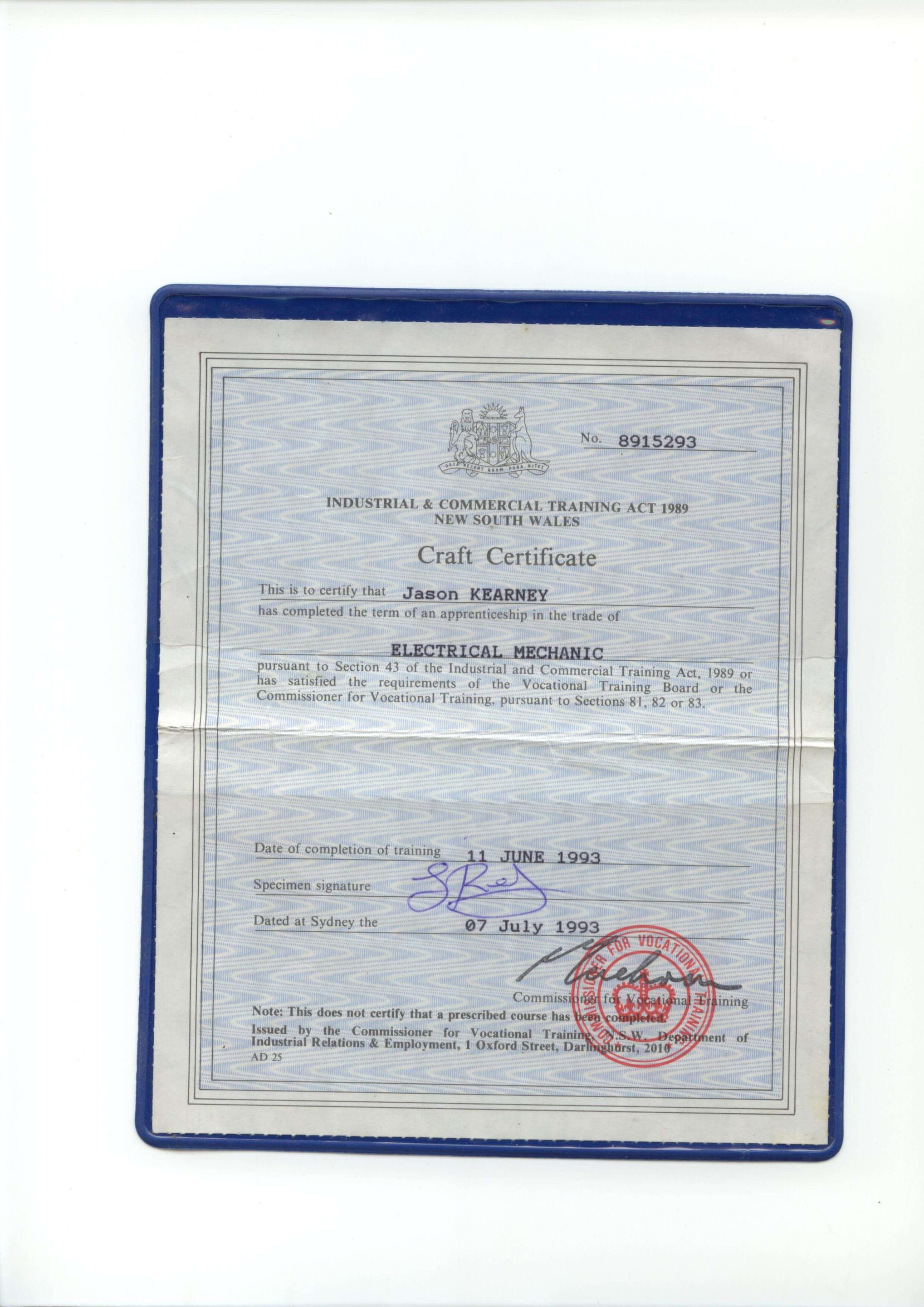
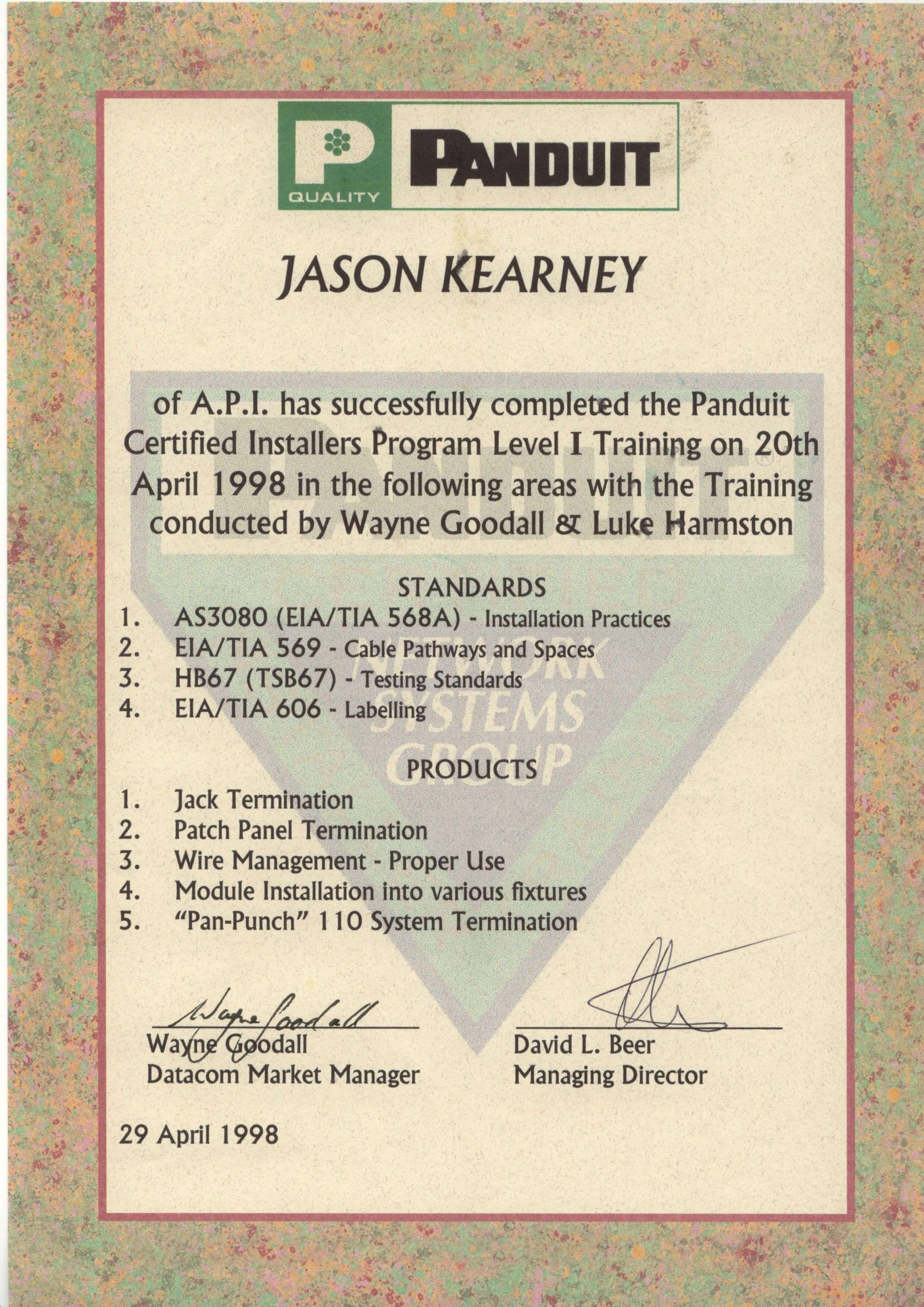
Secure A Com holds every licence and certification required to legally work on NBN and telecommunications infrastructure in Australia. Our master technicians are fully registered with ASIAL, an official national cabling registrar accredited by the Australian Communications and Media Authority (ACMA). When you book with us, you're engaging a properly registered cabler — not an unlicensed contractor. Click any certificate to view it in full.

JASON KEARNEY
Founder Jason Kearney is an Open Registered Cabler with 29 years of industry experience. In 1997, he was a manager for one of the first private contracting companies to work in the Telstra network following privatisation, leading the landmark CAN 2000 Project. Since establishing SECURE A COM in 2008, Jason has provided Sydney with independent, expert fault diagnosis and telecommunications solutions.




WHAT SYDNEY CUSTOMERS SAY
COMPANIES WE'VE WORKED FOR
From national banks to fast food chains — Sydney's biggest organisations trust us with their telecommunications infrastructure.


NBN · Data Cabling · Fibre · WiFi · Network Infrastructure











COMMON QUESTIONS ABOUT OUR SYDNEY SERVICE
Answers to the most common questions we receive about NBN fault diagnosis and internet technician services across Sydney — HFC in the inner west and eastern suburbs, FTTC in mid-ring suburbs, and MDF faults in strata apartment buildings.
SYDNEY'S INTERNET TECHNICIAN.
LET'S FIX IT TODAY.
Book an independent, Open Registered Cabler internet technician for your Sydney home or apartment. We attend on-site with professional test equipment, diagnose HFC, FTTC, FTTN, and FTTP faults — including strata MDF faults — across inner Sydney, the eastern suburbs, and mid-ring suburbs. 90% resolved in a single visit.
Mon–Fri · HFC, FTTC, FTTN & FTTP All Serviced · Sydney's Independent Internet Technician