
INTERNET
TECHNICIAN
BOTANY
BAY
FTTN HOMES. FTTB APARTMENTS.
FAULT-FINDING TO YOUR DOOR.
An internet technician from SECURE A COM diagnoses NBN faults across Botany Bay LGA — covering Mascot, Botany, Eastlakes, Rosebery, Pagewood, Hillsdale, Daceyville, and Banksmeadow. We specialise in FTTN dropout diagnosis on older Botany Bay housing stock where corroded Krone termination blocks and bridge taps in council pits cause speed loss and intermittent connection that remote ISP tests consistently miss. An Open Registered Cabler (A10089) attends on-site with cable test equipment, with 90% of Botany Bay faults resolved in a single visit.
WHY BOTANY BAY NBN FAULTS GO UNFIXED
Botany Bay LGA's housing and unit stock spans from 1950s brick veneers in Botany and Eastlakes to modern apartment towers in Mascot — and the copper telephone infrastructure serving the older areas dates from the same era. FTTN customers on 1960s and 1970s street pit infrastructure routinely receive remote ISP line tests that return normal results, while the physical copper path between the node and their premises contains corroded termination blocks, bridge taps, and water-affected cable joints that VDSL2 testing from the node cannot detect.
FTTN ISP Remote Testing Misses the Physical Copper — Slow Speeds in Older Botany Bay Homes Left Unexplained
When a Botany Bay FTTN customer calls their ISP with slow speeds or NBN dropouts, the ISP performs a remote diagnostic test from the FTTN node — checking the DSL sync signal, measuring the noise margin at the node end, and confirming that the Ethernet handoff from the node to the ISP's network is operating within their parameters. If these node-end metrics appear acceptable, the ISP closes the ticket and advises the customer that no network fault has been detected. This process is structurally incapable of identifying any fault between the FTTN node and the customer's premises. The copper pair running from the node through the sub-street pit infrastructure to the premises boundary — and the condition of the Krone termination blocks in the council pits along that route — is never directly tested by an ISP technician as part of a standard fault investigation. In Botany Bay's older housing stock in Botany, Eastlakes, Pagewood, Daceyville, and Hillsdale, this sub-street copper infrastructure dates from the 1950s to 1970s and contains fault types that are invisible to remote node testing but cause severe VDSL2 performance degradation: corroded termination joints, bridge taps from legacy parallel connections, and water-affected cable runs. The ISP tells you there's nothing wrong. Your internet barely works. Both statements are accurate — because they're measuring different things.
Corroded Krone Termination Blocks in Council Pits — 1950s–1980s Copper Network Causing VDSL2 Signal Degradation
The Telstra copper telephone network in Botany Bay's older residential areas was installed predominantly between the 1950s and 1980s, using cable jointing technology appropriate to that era. Junction points between cable sections, and the connection between street distribution cables and individual premises lead-in cables, were made using Krone IDC (insulation displacement contact) termination blocks — small plastic blocks with metal contact slots that the copper wire pairs are pressed into under mechanical force. In an enclosed, moisture-free environment these connections last decades. In the sub-street council pits of Botany Bay's older streets, they are routinely exposed to moisture, soil acids, and temperature cycling. The IDC contacts corrode progressively, developing a layer of copper oxide and contamination on the contact surface. On a standard telephone line, this corrosion causes crackling or intermittent dial tone. On a VDSL2 FTTN connection operating at frequencies up to 17 MHz, the resistive and capacitive effect of the corroded contact is amplified at higher frequencies, causing severe signal attenuation. Line attenuation figures of 45–60 dB are common in Botany Bay homes with corroded pit terminations — when normal FTTN attenuation for the node distance should be under 35 dB. We test on-site using a time-domain reflectometer to locate the degraded termination, open the pit, and re-terminate on fresh IDC contacts.
Bridge Taps in the Legacy Botany Bay Copper Network — Unterminated Parallel Branches Causing VDSL2 Signal Reflection Faults
A bridge tap is a length of copper cable left connected in parallel to an active telephone pair — a structural remnant of the Telstra network's original construction method, where additional cable was run and connected at junction points to allow future service extension to additional premises, and never removed when those future premises were connected via a different route. On an analogue telephone line, a bridge tap creates minor signal degradation and is largely inconsequential. On a VDSL2 FTTN connection, a bridge tap is a significant fault. The unterminated end of the bridge tap reflects the VDSL2 signal back down the line — creating an echo interference pattern that appears as elevated noise margin at the node, reduced sync speed, and in many cases intermittent dropouts when signal conditions change. Bridge taps are extremely common in the 1950s–1970s copper network infrastructure in Botany, Eastlakes, Pagewood, and Hillsdale — areas where the telephone network was built before NBN planning, and the sub-street cable structure was never rationalised. ISP remote node testing cannot detect a bridge tap — the symptom presents as degraded line performance within the range the ISP considers 'within parameters', and the ticket is closed. A time-domain reflectometer test identifies the bridge tap location, and its disconnection at the pit typically restores correct VDSL2 performance.
FTTB Apartment Faults in Mascot — NTD Syncing at Full Speed, No Internet at the Apartment Wall
Mascot's newer apartment towers are predominantly on FTTB (Fibre to the Building) — optical fibre runs to a network equipment rack in the building's communications room, where an NBN NTD converts the signal to Ethernet for distribution to apartments via the building's internal cabling infrastructure. As with CBD FTTB buildings, the ISP confirms the NTD is syncing at full speed and closes the fault ticket — without testing the cable path from the comms room NTD to the apartment wall plate. In older converted buildings and some purpose-built Mascot apartment towers, this internal distribution cable may be legacy Cat 3 telephone-grade cable that cannot carry 100 Mbps Ethernet — particularly over the longer cable runs in taller buildings. Buildings with a Main Distribution Frame (MDF) in the comms room may have incorrect or missing jumper assignments between the NBN infrastructure and specific apartment pairs. Newer buildings may have patch panel termination faults or corroded socket connections. ISPs do not access the building comms room infrastructure beyond the NTD. We access the comms room, test the full cable path to the apartment, identify the cable category and condition, and carry out Cat 5e replacement or MDF re-jumpering on the same visit where access permits.
Lead-In Cable Deterioration — Older Botany Bay Homes With Damaged or Corroded Entry Cable From the Pit to Premises
The lead-in cable is the final copper pair segment running from the council pit at the premises boundary, up the external wall or through a conduit, and into the house at the telephone entry point — typically terminating at an external wall socket or telephone junction box. In Botany Bay's older housing stock in Botany, Eastlakes, Pagewood, and Daceyville, these lead-in cables are frequently original installation from the 1960s and 1970s — single-pair or multi-pair PVC-insulated cable routed externally along the building's facade, under eaves, or through sub-floor conduits. This cable is exposed to UV degradation, oxidation at any penetration points where moisture can enter, and physical damage from renovation works or garden maintenance. A deteriorated lead-in cable presents as elevated line attenuation on a VDSL2 connection — the ISP's remote test shows slightly degraded-but-acceptable line performance, but the customer's actual sync speed is significantly below what the node distance would normally support. On-site testing distinguishes lead-in cable degradation from sub-street pit termination faults using the time-domain reflectometer, which identifies the specific distance to the fault. Where the fault is the customer-side lead-in cable, we replace it on the same visit. Where the fault is beyond the premises boundary, we document it for ISP escalation.
Weather-Correlated Dropouts in Botany Bay — Water Ingress in Sub-Street Joints and Pits Causing Rain-Related NBN Faults
A common complaint from Botany Bay FTTN customers in older areas is that their internet drops out or slows dramatically during and after rain — sometimes recovering when the weather dries out, and sometimes not recovering at all. This pattern is a reliable indicator of water ingress in the copper path. Water entering a Krone termination block, a cable joint, or a deteriorated lead-in cable conduit penetration causes the insulation resistance between the copper pair to drop sharply. At VDSL2 frequencies, the resulting noise increase is severe — the node detects an extreme increase in noise margin and drops the sync speed, or loses sync entirely. When the fault location dries out, the insulation resistance partially recovers and the connection stabilises at a lower speed than normal. ISPs dismiss weather-correlated dropouts as 'intermittent faults' and close tickets after testing during a dry period. The underlying fault — a water-ingress location in the sub-street infrastructure — is never physically inspected. We test using a time-domain reflectometer regardless of current weather conditions, which identifies the location of the capacitive fault event even when the cable is currently dry. For active wet-weather faults, a simple DC resistance test confirms water ingress. We document the location and carry out repair or ISP escalation as appropriate.
YOUR INDEPENDENT INTERNET TECHNICIAN —
BOTANY BAY
SECURE A COM is an independent, Open Registered Cabler (A10089) based in Miranda, Sutherland Shire. We travel to Botany Bay regularly — approximately 20–30 minutes from our base depending on your suburb. We attend with a time-domain reflectometer, VDSL2 line test equipment, cable fault locators, Krone punch-down tools, and Cat 5e installation materials. FTTN copper pair diagnosis for older Botany Bay homes — including corroded Krone block identification and re-termination, bridge tap removal, and lead-in cable replacement — FTTB apartment comms room access in Mascot, and ISP escalation documentation for sub-street network faults. We find and fix the fault the ISP has not tested for.
Book a Botany Bay TechnicianWATCH US EXPOSE THE REAL FAULT
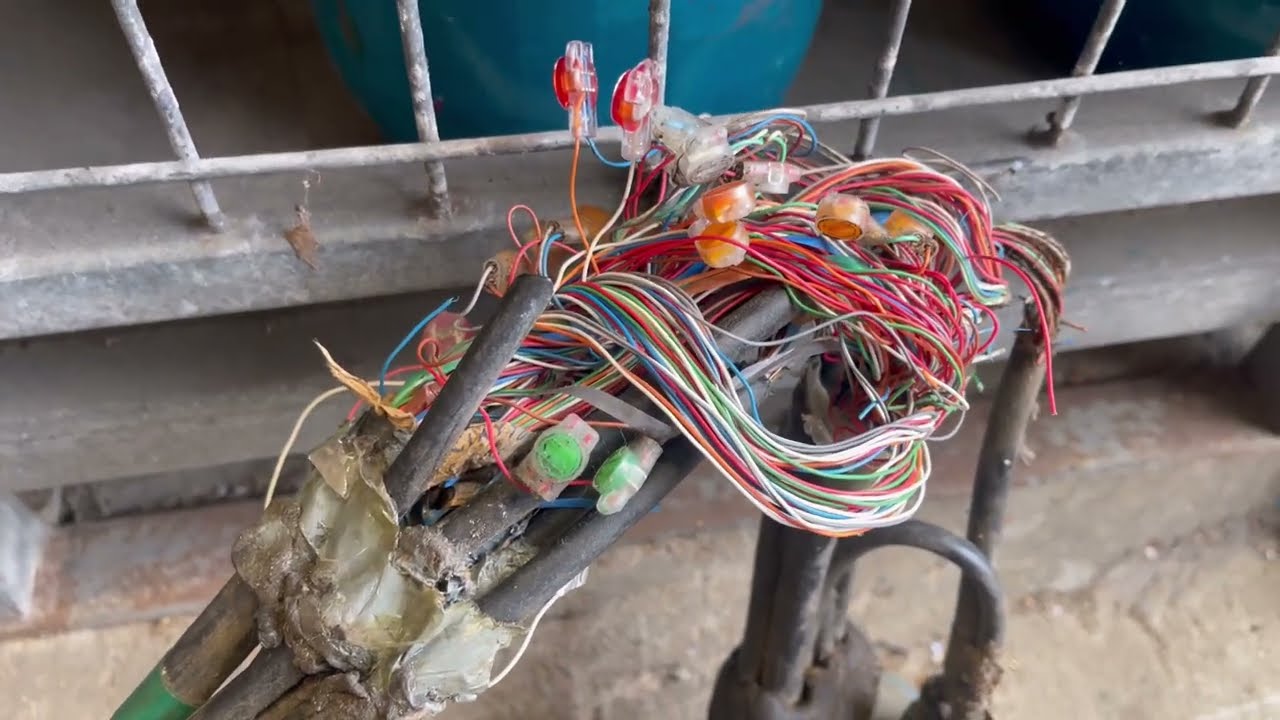
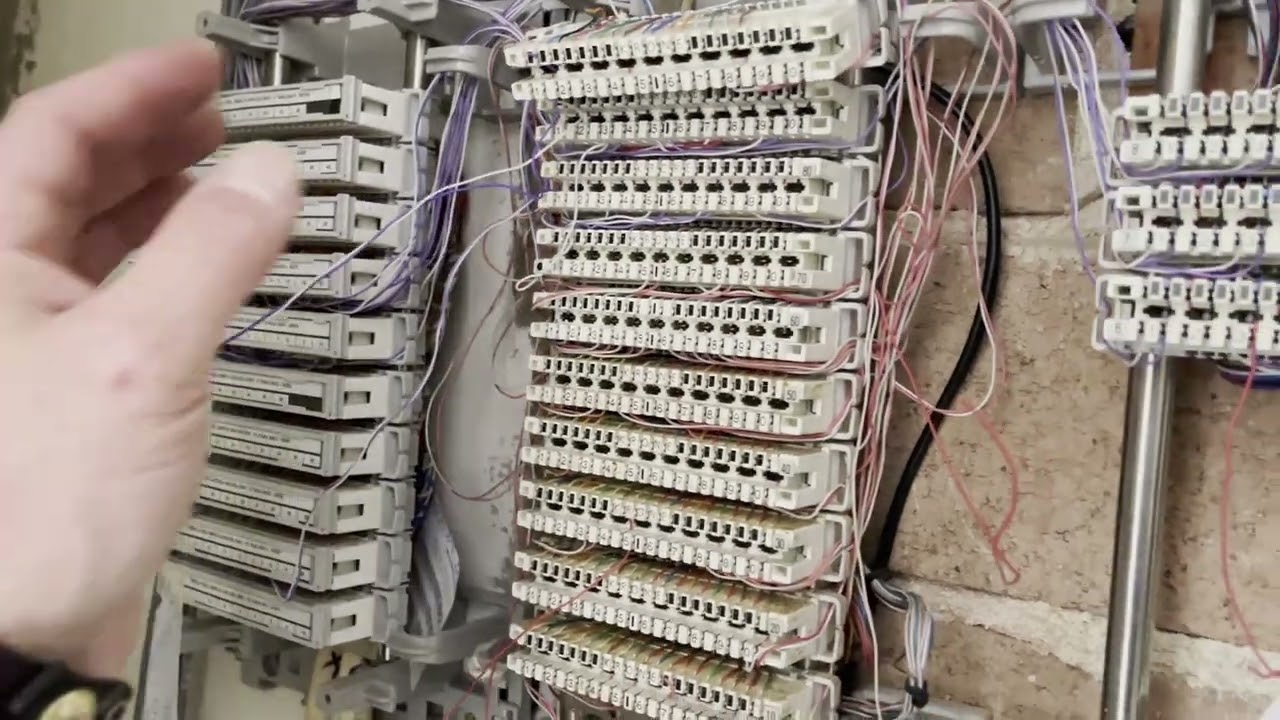
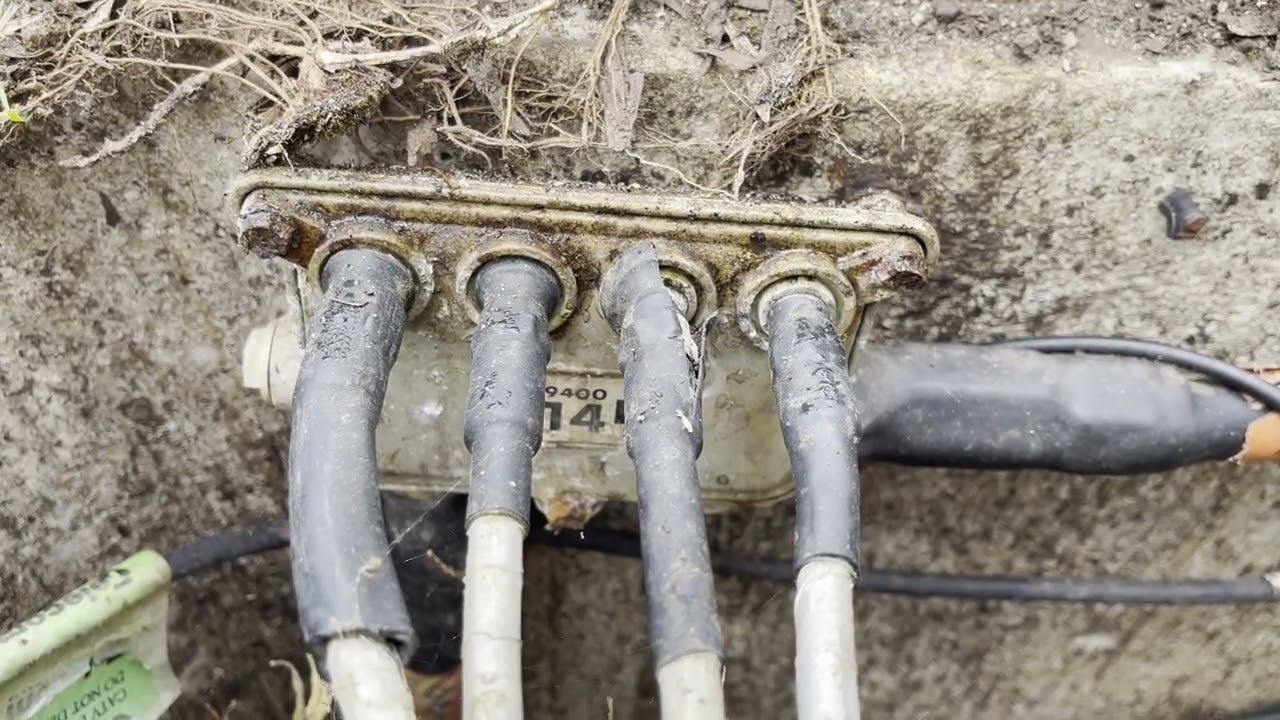
These aren't staged demos. Every video is a real Sydney job where we were called in after the ISP said nothing was wrong — and found exactly what they missed. Watch the full diagnostic process, on camera.
INTERNET & TELECOM SERVICES
From FTTN copper pair diagnosis and Krone block re-termination in older Botany Bay homes to FTTB comms room access in Mascot apartment towers — SECURE A COM provides licensed, on-site internet technician services across all Botany Bay LGA suburbs. We find and fix the fault your ISP has never tested for.
Internet Technician NSW (All Locations)
View the full NSW internet technician page — covering Greater Sydney and state-wide locations. FTTN, FTTB, FTTC, and HFC fault diagnosis, copper pair testing, comms room access, and on-site NBN repairs wherever you are in New South Wales.
View NSW internet technician serviceInternet Fault Finding Botany Bay
Slow speeds, NBN dropouts, or internet cutting out in a Botany Bay home or unit. Our fault finding service identifies the physical cause — corroded Krone blocks, bridge taps, lead-in cable degradation, or FTTB internal building cable faults — diagnosed on-site with professional test equipment.
Internet fault finding servicesPrivate NBN Technician
ISP says no faults detected — but your Botany Bay NBN is slow or dropping out. Our independent private NBN technicians investigate what ISPs cannot: sub-street copper path testing, bridge tap identification, and Krone block condition assessment in council pits.
Hire a private NBN technicianNBN Fault Repair Botany Bay
Corroded Krone block re-termination in council pits, bridge tap removal from the sub-street copper network, lead-in cable replacement for older Botany Bay homes, and FTTB Cat 5e cable replacement in Mascot apartments — all on-site within the same service call where possible.
NBN fault repair servicesLead-In Cable Installation Botany Bay
Deteriorated or poorly routed lead-in cable is a common fault in Botany Bay's older housing stock. We replace and reroute lead-in cables from the council pit to your premises boundary — restoring optimal VDSL2 line quality and resolving speed degradation caused by ageing entry cable.
Lead-in cable installationMDF Jumpering for Mascot Apartments
Mascot apartment buildings with a main distribution frame in the comms room frequently have incorrect or missing jumper assignments. We access the comms room, test the MDF, and re-jumper or re-terminate your apartment's copper pair — resolving faults standard ISP processes miss entirely.
MDF jumpering for apartmentsWiFi Solutions Botany Bay
Once the physical line fault is confirmed resolved, Wi-Fi dead zones are a separate issue. We assess and fix wireless coverage across Botany Bay homes and apartments — from single router placement optimisation to mesh Wi-Fi installation in larger properties.
Fix WiFi coverage problemsPhone Line Repair Botany Bay
Crackling landline, no dial tone, or VoIP faults on your NBN phone service in a Botany Bay home or apartment. Copper pair faults causing phone problems in Botany Bay frequently affect NBN performance on the same pair — we diagnose and repair both in a single visit.
Phone line repair servicesFROM YOUR FIRST CALL TO FIXED — BOTANY BAY
Here's exactly what happens when you book an internet technician with SECURE A COM in Botany Bay. We travel from our Miranda base — approximately 20–30 minutes to most Botany Bay suburbs — arrive on-site with professional copper pair test equipment, a time-domain reflectometer, and Krone termination tools, and diagnose FTTN copper path faults, FTTB comms room issues in Mascot apartments, and all other connection types. Most Botany Bay internet faults resolved on the same visit.
Book Online — Tell Us Your Suburb, Property Type, and What's Happening
Call us on 02 9188 1577 or use the online booking form. Tell us your Botany Bay suburb — Mascot, Botany, Eastlakes, Rosebery, Pagewood, Hillsdale, Daceyville, or Banksmeadow — your property type (house, unit, or apartment tower), and what's happening: slow internet that's always been below plan speed, NBN that drops out at certain times or in wet weather, or internet that's cut out completely. You don't need to know the technical cause. If you've already been through an ISP fault investigation and been told there are no faults, tell us — this is actually the most common reason Botany Bay residents contact us, and it's exactly the scenario our copper pair testing is designed to address.
We Confirm Your Appointment — and Advise on Access for Mascot Apartment Bookings
We confirm a specific arrival window for your Botany Bay service call — not a vague half-day block. Botany Bay LGA is approximately 20–30 minutes from our Miranda base: Mascot around 20 minutes, Botany and Rosebery around 25 minutes, Pagewood and Hillsdale around 25–30 minutes depending on traffic. For FTTN house calls in Botany, Eastlakes, and Pagewood, no specific pre-visit access arrangements are usually required — we bring our own pit key and test equipment. For FTTB apartment buildings in Mascot where comms room access is needed, we advise you on the specific access requirement before the visit — typically a straightforward email to your strata manager or a word with the building concierge. We provide the exact wording you need so there are no delays on the day.
On-Site Fault Diagnosis — Copper Pair Testing, TDR Fault Location, and Sub-Street Pit Investigation
We arrive with a time-domain reflectometer, VDSL2 line test equipment, copper pair tester, Krone punch-down tools, cable fault locator, and Cat 5e installation materials. For FTTN premises in older Botany Bay housing areas, our first step is testing the copper pair from your premises: measuring line attenuation, noise margin, and sync speed, and then running a TDR test to identify the precise distance to any fault event — corroded termination block, bridge tap, or water-affected joint — in the sub-street copper path. When a fault is located at a specific distance, we access the council pit at that location, open it, and visually inspect and test the Krone termination block or cable joint. For FTTB apartment buildings in Mascot, we access the comms room, verify the NTD sync, and trace the internal building cable to your apartment. This on-site testing goes further than anything your ISP has done.
Repair Carried Out On-Site — Krone Re-Termination, Bridge Tap Removal, or Lead-In Replacement
In 90% of cases we carry out the repair on the same visit. For FTTN homes with a corroded Krone termination block in a council pit, we re-terminate the copper pair on fresh IDC contacts and re-seal the pit. For bridge taps, we disconnect the unterminated parallel pair branch at the pit junction and confirm the VDSL2 noise margin improvement before leaving. For lead-in cable faults at the premises boundary — where the customer-side entry cable between the pit and the premises is deteriorated — we replace the lead-in cable on the same visit. For Mascot FTTB apartments with an internal building cable fault, we carry out Cat 5e replacement from the comms room to the apartment wall plate. Where the fault is in the sub-street infrastructure beyond the premises boundary on the network side — a node-side line fault or infrastructure requiring NBN Co to replace — we provide written documentation and test evidence for ISP escalation.
Speed and Line Stats Verified Post-Repair, Results Explained, 12-Month Guarantee Issued
Before we leave, we re-test line attenuation, noise margin, and downstream sync speed at your modem and confirm the fault is resolved — showing you the before and after figures. We explain in plain language what was found and what was fixed. You receive a 12-month workmanship guarantee on all repairs carried out: if the same fault recurs within 12 months due to our workmanship, we return at no additional charge. Where the fault has been identified but is in the network infrastructure that NBN Co or Telstra is responsible for, you receive a written ISP escalation report documenting the fault location (TDR distance measurement), the specific defect found, and our professional assessment that the fault is outside the customer's premises on the network infrastructure side. Full terms at secureacom.com.au/terms-conditions
Based in Sutherland Shire — We Regularly Travel to Botany Bay
SECURE A COM is headquartered in Miranda, Sutherland Shire. Botany Bay LGA is approximately 20–30 minutes from our base — Mascot around 20 minutes via General Holmes Drive; Botany and Rosebery around 25 minutes; Pagewood, Hillsdale, and Eastlakes around 25–30 minutes via the Southern Cross Drive and Foreshore Road corridor; Daceyville and Banksmeadow approximately 25–30 minutes depending on route. We created this page because we service Botany Bay regularly and there are very few private Open Registered Cablers who carry a time-domain reflectometer, VDSL2 line test equipment, and copper pair fault locators capable of diagnosing the sub-street infrastructure faults causing slow speeds and dropouts in Botany Bay's older housing areas. Botany Bay is within our Greater Sydney service area — no travel surcharge applies. See our Terms & Conditions for full service area and travel charge details.
// Ready to book your on-site Botany Bay diagnosis?
Book a Botany Bay Internet Technician Mon–Fri · FTTN Houses & FTTB Apartments Serviced · 90% Fixed Same VisitONE PRICE. NO SURPRISES.
A single fixed fee covers your on-site diagnosis and repair across Botany Bay LGA. FTTN homes in Botany, Eastlakes, Pagewood, Hillsdale, and Daceyville, FTTB apartment towers in Mascot and Rosebery, and HFC properties in Wolli Creek — no additional charge for connection type or travel within Greater Sydney.
GST inclusive. Includes one hour on-site with an Open Registered Cabler and travel within Greater Sydney — all Botany Bay LGA suburbs are within our service area with no additional travel surcharge. See full Terms & Conditions →
PRICING FAQ
LICENSED. CERTIFIED. ACCOUNTABLE.
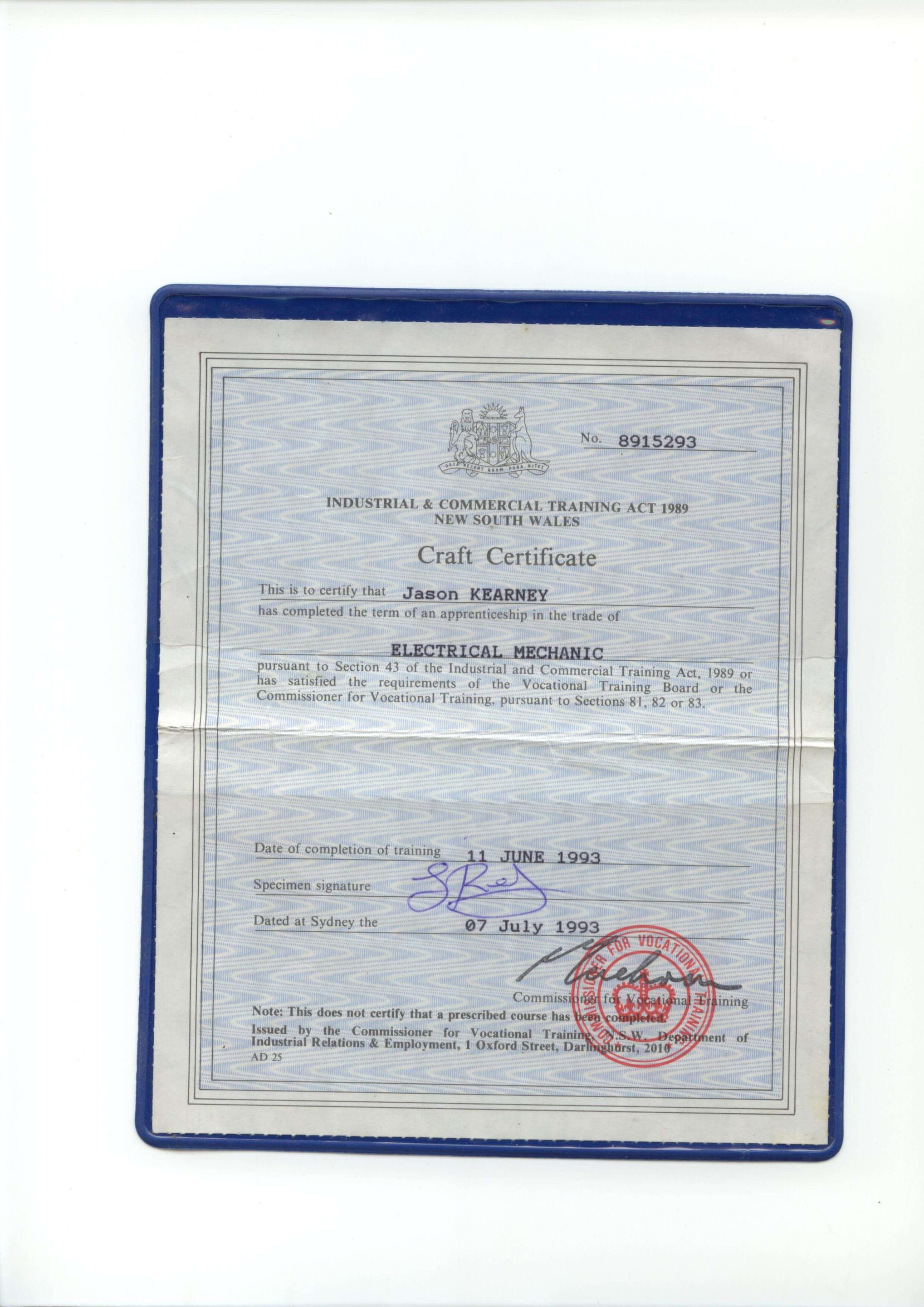
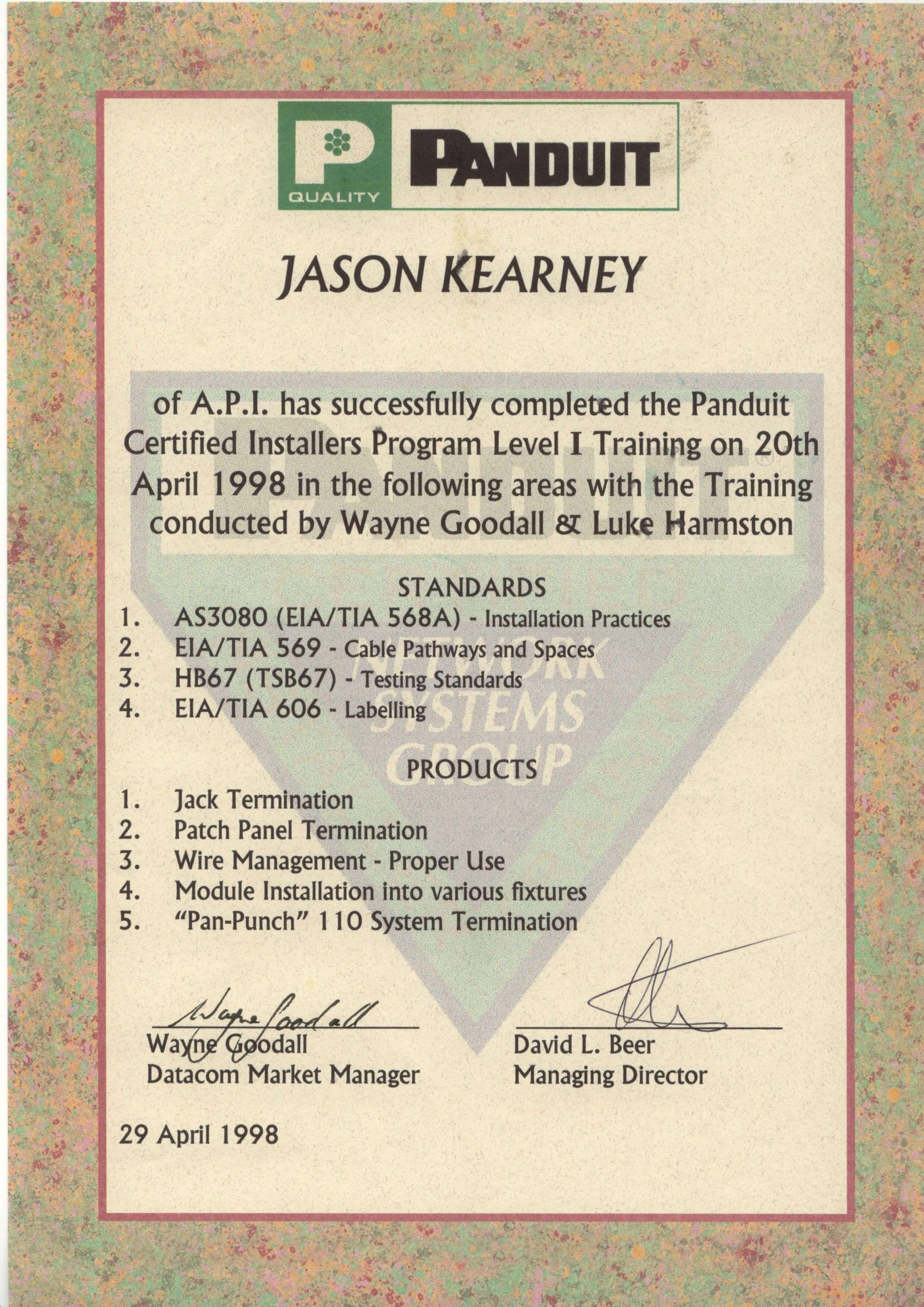
Secure A Com holds every licence and certification required to legally work on NBN and telecommunications infrastructure in Australia. Our master technicians are fully registered with ASIAL, an official national cabling registrar accredited by the Australian Communications and Media Authority (ACMA). When you book with us, you're engaging a properly registered cabler — not an unlicensed contractor. Click any certificate to view it in full.

JASON KEARNEY
Founder Jason Kearney is an Open Registered Cabler with 29 years of industry experience. In 1997, he was a manager for one of the first private contracting companies to work in the Telstra network following privatisation, leading the landmark CAN 2000 Project. Since establishing SECURE A COM in 2008, Jason has provided Sydney with independent, expert fault diagnosis and telecommunications solutions.




WHAT SYDNEY CUSTOMERS SAY


COMPANIES WE'VE WORKED FOR
From national banks to fast food chains — Sydney's biggest organisations trust us with their telecommunications infrastructure.


NBN · Data Cabling · Fibre · WiFi · Network Infrastructure











COMMON QUESTIONS ABOUT OUR BOTANY BAY SERVICE
Answers to the most common questions about NBN fault diagnosis and internet technician services in Botany Bay — FTTN copper path testing in Botany, Eastlakes, Pagewood, Hillsdale and Daceyville homes, FTTB apartment servicing in Mascot, and weather-correlated dropout diagnosis across the Botany Bay LGA.
BOTANY BAY'S
INTERNET TECHNICIAN.
LET'S FIX IT TODAY.
Book an independent, Open Registered Cabler internet technician for your Botany Bay home or apartment. We attend on-site with TDR test equipment, Krone punch-down tools, lead-in cable stock, and pit access equipment — diagnosing FTTN copper path faults in Botany, Eastlakes, Pagewood, Hillsdale and Daceyville homes, FTTB building wiring faults in Mascot apartments. 90% resolved in a single visit.
Mon–Fri · FTTN & FTTB Serviced · Botany Bay's Independent Internet Technician