02 9188 1577

INTERNET
TECHNICIAN
BYRON BAY

FTTN, FTTP & WET WEATHER FAULTS.
BYRON BAY TO BANGALOW.

SECURE A COM internet technicians diagnose NBN faults across Byron Bay and the Byron Shire — FTTN, FTTP, and Fixed Wireless. The dominant fault pattern in Byron Bay's older beach-side homes is FTTN slow speeds from bridge taps in 1960s–70s weatherboard and fibro properties, compounded by moisture ingress on aged copper lead-ins during Byron's high-rainfall season. Open Registered Cabler A10089. 90% fixed same visit.

5-Star Google Rated
Open Registered Cabler · A10089 FTTN · FTTP · Fixed Wireless 90% Fixed Same Visit Trading Since 2008
Open Registered Cabler A10089
Registered Cabler ASIAL · ICAA Member
Since 2008 Sydney & Sutherland Shire
12-Month Guarantee All workmanship warranted
Video Evidence Watch on YouTube ↗
The Problem

WHY BYRON BAY INTERNET FAULTS GO UNFIXED

Byron Bay's NBN is predominantly FTTN across its older beach-side suburbs and FTTP in newer estates — but the area's combination of aged 1960s–70s Telecom copper, subtropical rainfall, and a large holiday rental market creates fault patterns that ISPs have neither the scope nor the equipment to find from their network boundary.

// PROBLEM 01

FTTN Slow Speeds from Bridge Taps in Older Byron Bay Homes

Byron Bay's established residential areas — Belongil, Byron Bay town centre, Bangalow, and Mullumbimby — are dominated by weatherboard and fibro homes built in the 1960s and 1970s. These properties were wired with three to five telephone extension sockets as standard: each socket wired in parallel on the copper pair is a bridge tap. On FTTN, each tap attenuates the VDSL2 signal arriving from the street node. A Byron Bay property with a 600m node run and three bridge taps can gain 15–20 Mbps on a 50 Mbps plan after tap isolation — without any NBN infrastructure change. ISPs close the ticket as "best efforts" without testing for taps.

// PROBLEM 02

ISP Scope Ends at the Node — Customer-Side Copper Never Tested

For FTTN connections, the ISP's responsibility ends at the street node. The copper pair running from the node through the Telstra network pit, into the conduit at your property boundary, along the lead-in cable to the external entry point, and from there to the wall socket is all customer infrastructure. ISPs confirm the node is syncing and check the wall socket connection — that is the full extent of their test. They do not carry TDR equipment, insulation resistance meters, or VDSL2 diagnostic tools. The entire cable section where Byron Bay's most common faults occur — bridge taps and moisture ingress — is never tested by an ISP technician.

// PROBLEM 03

Moisture-Related Faults — Byron's Rainfall Accelerates Copper Decay

Byron Bay receives approximately 1,800mm of rain annually — more than three times Sydney's average — concentrated in the summer months. This sustained moisture accelerates the degradation of copper cable insulation, particularly at external conduit entry points where older lead-in cables enter timber weatherboard homes. When the conduit seal fails, rainwater tracks inside and pools at the cable junction, causing insulation resistance to drop. These faults worsen during the wet season and temporarily recover in dry weather — creating an intermittent fault pattern that ISPs classify as "line conditions" rather than a diagnosable physical fault. We test insulation resistance at the premises entry and identify the moisture ingress point on-site.

// PROBLEM 04

Holiday Unit Internal Wiring — Aging Coax and Poor MDF Terminations

Byron Bay has a large stock of older holiday unit complexes built in the 1980s and 1990s — particularly near the beach at Belongil, Main Beach, and Suffolk Park. These buildings often have coaxial internal wiring from the original Foxtel/pay TV installations, and building MDFs where copper pairs were terminated by whoever was cheapest at the time. Common faults: degraded coaxial splitters that introduce signal loss on FTTN-to-MDF connections, corroded Krone IDC blocks in basement or meter-room comms panels, and incorrect pair assignments that cause one unit's internet to run on a neighbouring unit's pair. ISPs test only at the unit wall socket and cannot access the building comms room without prior arrangement — we do both.

// PROBLEM 05

Long Rural Runs in the Byron Bay Hinterland — Bangalow, Mullumbimby, Brunswick Heads

Byron Bay's hinterland towns — Bangalow, Mullumbimby, Clunes, Federal, and Brunswick Heads — have FTTN connections serving properties over longer copper runs than typical metropolitan areas. Node distances of 800m to 1,200m are common in these rural residential areas, and the combination of distance-related VDSL2 attenuation with bridge taps from older Telecom-era wiring compounds the slow-speed problem. Some properties in more remote hinterland areas are on Fixed Wireless — which has its own fault profile involving antenna alignment and fresnel zone obstruction. We diagnose both FTTN and Fixed Wireless faults across the Byron Bay region.

// PROBLEM 06

Dense Wi-Fi in Holiday Rental Precincts Masking a Physical Line Fault

Byron Bay's high-density holiday rental streets — particularly around Belongil Beach, Main Beach, and Suffolk Park — produce extremely congested Wi-Fi environments. Dozens of holiday properties with independent routers operating on overlapping channels create interference that produces symptoms identical to a physical NBN line fault: slow speeds, dropouts, and unreliable streaming. ISPs recommend router upgrades without ever testing the physical line. In Byron Bay, we consistently find both issues simultaneously: a FTTN bridge tap or lead-in moisture fault, plus a Wi-Fi channel problem that a physical wall socket speed test separates from the line performance in minutes.

The Solution

YOUR INDEPENDENT INTERNET TECHNICIAN —
SERVICING BYRON BAY & THE BYRON SHIRE

SECURE A COM is an independent, Open Registered Cabler (A10089) based in Miranda, Sutherland Shire. We travel to Byron Bay with full professional test equipment: TDR for FTTN bridge tap location with exact distance readings, insulation resistance meters for moisture-related lead-in faults, VDSL2 analysers for speed diagnosis, and full MDF access capability for holiday unit complexes. FTTN bridge tap isolation in Belongil, Byron Bay town, and Bangalow; moisture ingress diagnosis on older weatherboard lead-in cables; holiday unit MDF pair testing and repair; rural hinterland FTTN diagnosis across Mullumbimby and Brunswick Heads. Travel charges apply outside Greater Sydney — see our Terms & Conditions.

Book a Byron Bay Technician
FTTN bridge tap location and isolation using TDR — exact distance to every tap — Belongil, Byron Bay town, Bangalow, Mullumbimby, Brunswick Heads
Moisture ingress diagnosis — insulation resistance testing on lead-in copper at premises conduit entry points
Holiday unit MDF access, pair testing, and Krone block repair — Belongil Beach, Suffolk Park, Main Beach unit complexes
Wall socket speed test — separating physical FTTN line fault from Wi-Fi interference in holiday rental precincts
90% of Byron Bay faults resolved on-site in a single visit — ISP documentation provided where network referral required
Real Jobs · Real Faults · Real Evidence

WATCH US EXPOSE THE REAL FAULT

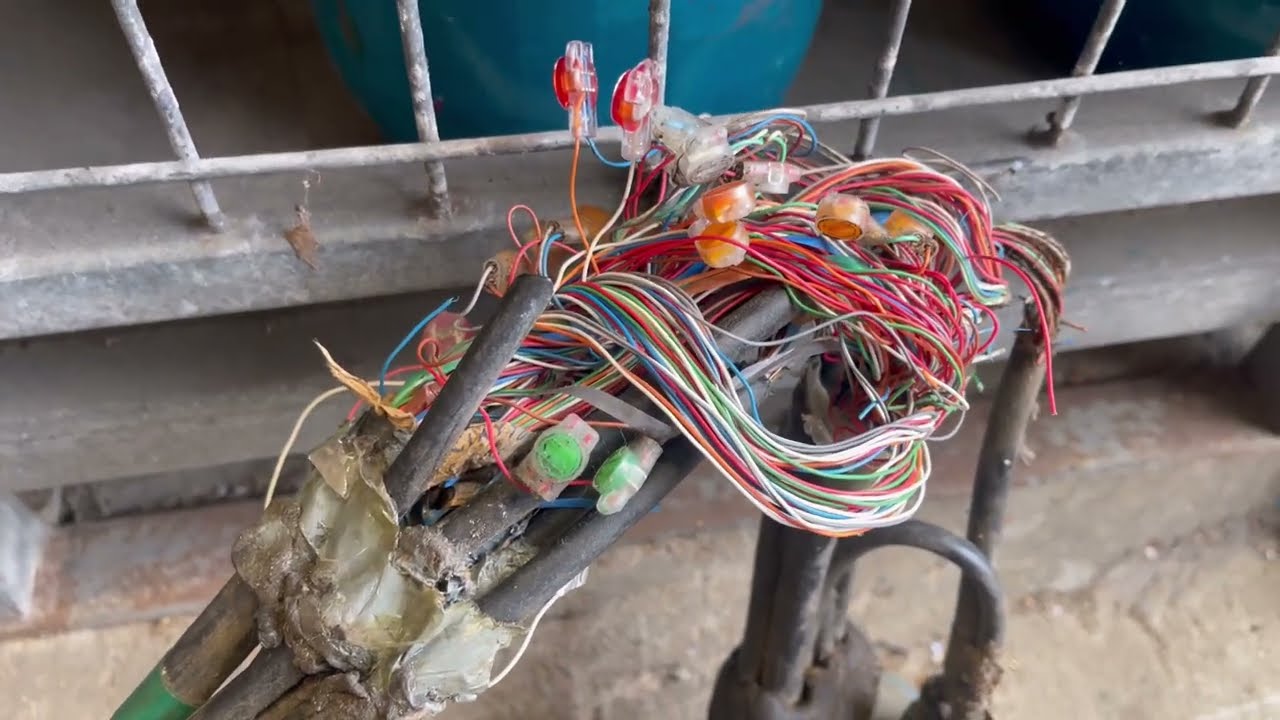
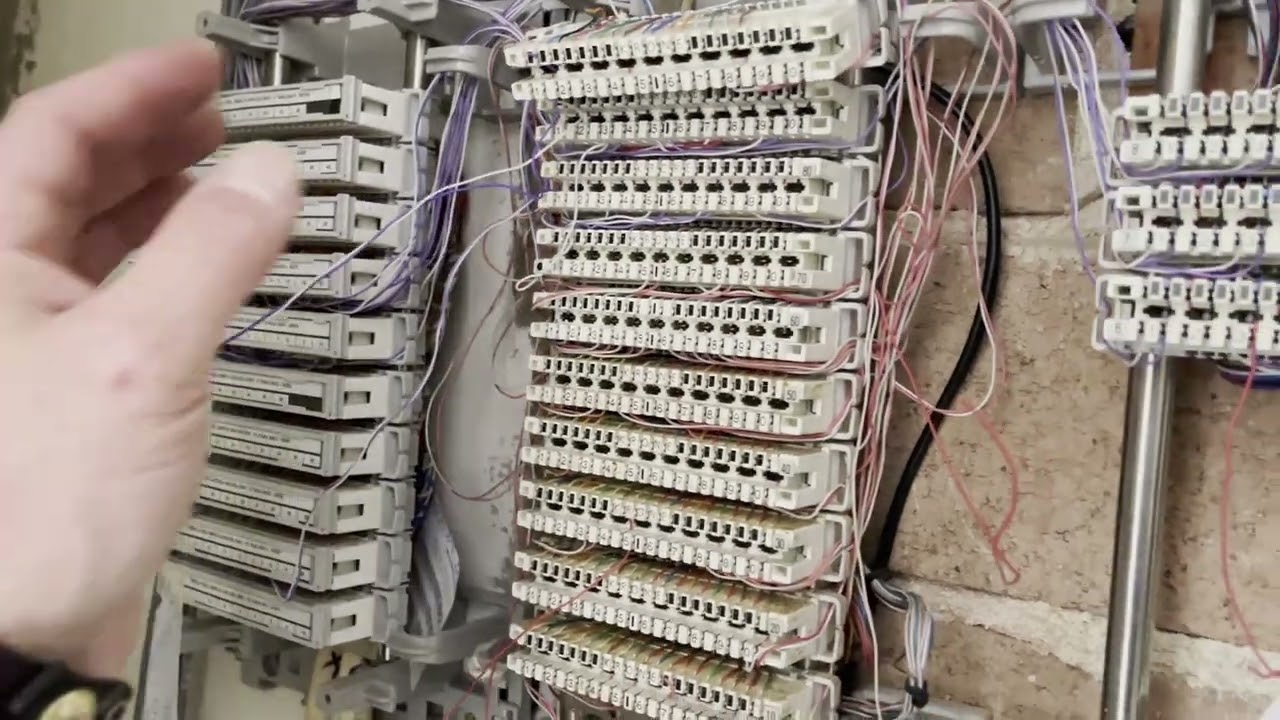
These aren't staged demos. Every video is a real Sydney job where we were called in after the ISP said nothing was wrong — and found exactly what they missed. Watch the full diagnostic process, on camera.
18+ Years Experience
5.0★ Google Rated
90% Fixed Same Visit
12M Workmanship Guarantee
NBN technician exposing faulty socket installed by ISP contractor — customer wrongly blamed for slow speeds
NBN Socket Fault · ISP Accountability

They Blamed the Customer's Cabling — But the Real Fault Was on Their Side

Faulty socket installed by NBN, incorrect termination causing speed loss, and cross-talk at the MDF — all blamed on the customer's internal wiring. After our fix: 10 Mbps from the router jumped to over 100 Mbps directly from the socket.

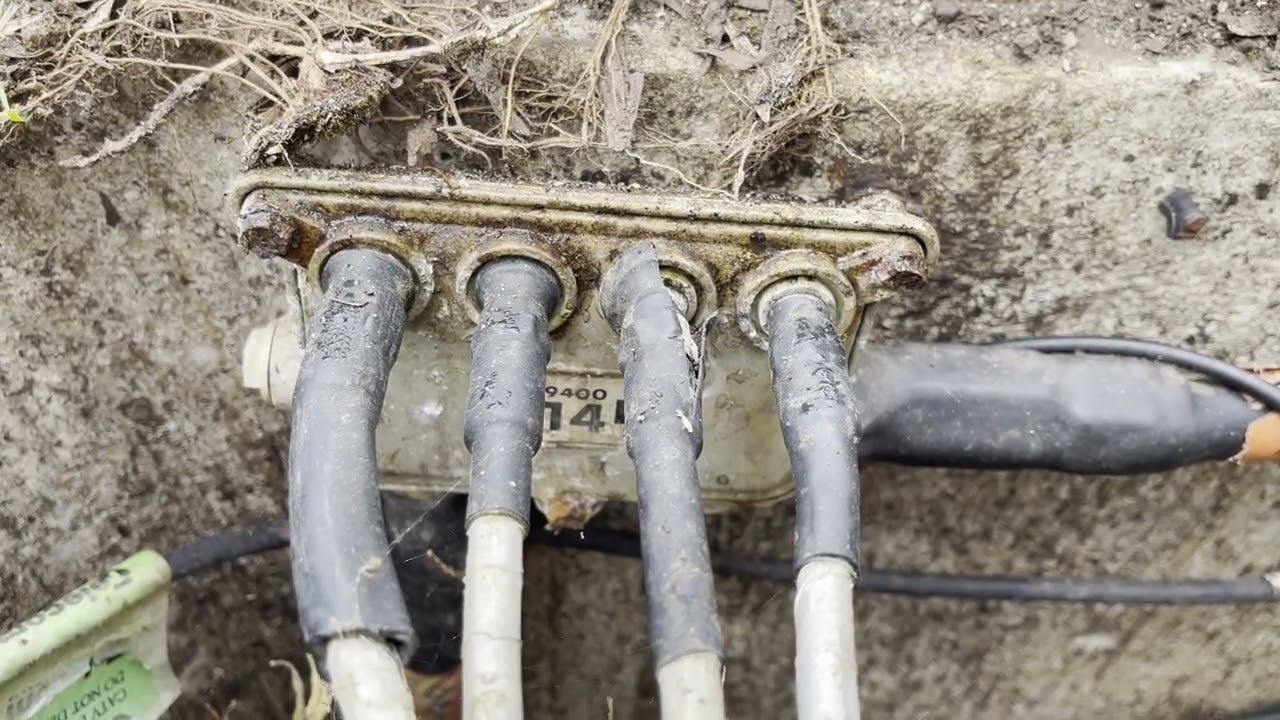
Corroded HFC street tap causing NBN dropouts in rain — Penshurst NSW infrastructure fault
NBN HFC Fault · Penshurst NSW

NBN HFC Drops Out When It Rains? This 10-Year Fault Finally Makes Sense

Ten years of intermittent dropouts during rain and hot weather — NBN kept closing the job as "resolved." On site we found severe corrosion on the street HFC tap, rusted pit hardware, and water ingress confirmed as the cause. Now escalating to force infrastructure replacement.

Seen enough? Experiencing something similar? Book a Technician See all our videos on YouTube
Services Available in Byron Bay

INTERNET & TELECOM SERVICES

SECURE A COM provides on-site internet technician services across Byron Bay and the Byron Shire. FTTN and FTTP fault diagnosis for houses, holiday units, and apartment buildings. Travel charges apply outside Greater Sydney — see our Terms & Conditions for details.

Get a Quote
Internet Technician — NSW Coverage

Internet Technician NSW (All Locations)

View the full NSW internet technician page — covering Greater Sydney and regional locations including the Far North Coast. FTTN, FTTP, and Fixed Wireless fault diagnosis across New South Wales, wherever you need an independent licensed technician.

View NSW internet technician service
Fault Repair

NBN Fault Repair Byron Bay

FTTN bridge tap isolation in older weatherboard and fibro homes, moisture ingress diagnosis on lead-in cables, and holiday unit MDF faults — diagnosed and repaired on-site with professional test equipment. All faults identified with TDR and insulation resistance testing.

NBN fault repair services
Fault Repair

Internet Fault Finding Byron Bay

Slow internet, NBN dropouts, or intermittent connection across Byron Bay and the Byron Shire. We identify the physical cause at the wall socket — separating line faults from Wi-Fi interference in holiday rental precincts before recommending any fix.

Internet fault finding services
Fault Repair — ISP Disputes

Private NBN Technician

ISP says "best efforts" while your Byron Bay FTTN speeds stay at 12 Mbps on a 50 Mbps plan. We investigate what ISPs won't: bridge taps from 1960s telephone extension wiring, moisture on lead-in copper, and holiday unit MDF faults — independent and on-site.

Hire a private NBN technician
MDF Services

MDF Jumpering Byron Bay

Older holiday unit complexes near Belongil Beach and Suffolk Park route NBN connections through building MDFs where corroded Krone blocks and incorrect pair assignments cause internet faults the ISP can't diagnose from inside your unit.

MDF jumpering services
Fault Repair

Phone Line Repair Byron Bay

Crackling landline, no dial tone, or VoIP faults on your NBN phone service. We diagnose and repair copper phone line faults across Byron Bay and the Byron Shire — houses, holiday units, and apartment buildings included.

Phone line repair services
WiFi & Networking

WiFi Solutions Byron Bay

After resolving the physical line fault, Byron Bay's holiday rental precincts — dense with competing routers on overlapping channels — need proper wireless coverage. We assess and install wired access points or mesh Wi-Fi tailored to your property layout.

Fix WiFi coverage problems
Installation

Data Cabling Byron Bay

Cat 6 data cabling for hardwired Ethernet points throughout your Byron Bay property. Particularly effective in older weatherboard homes with dense external walls and in holiday unit complexes where Wi-Fi interference between rental properties is constant.

Data cabling installation
How It Works

FROM YOUR FIRST CALL TO FIXED — ACROSS BYRON BAY

Getting your internet fault diagnosed and fixed is straightforward. Here's exactly what happens when you book an internet technician with SECURE A COM across Byron Bay and the Byron Shire.

01
Step 01

Book Online — Tell Us Your Connection Type, Location, and Whether You're in a House, Holiday Unit, or Apartment

Book online or call 02 9188 1577. Tell us your connection type (FTTN, FTTP, or Fixed Wireless), your suburb, and what's happening — slow speeds, dropouts, or intermittent connection. If you're in an older weatherboard or fibro home, mention how many telephone extension sockets you have — this helps us pre-estimate bridge tap count. For holiday unit complexes, let us know at booking so we can pre-arrange building MDF access.

Book online or by phone FTTN, FTTP, Fixed Wireless Houses, holiday units, apartments No tech jargon needed
02
Step 02

We Confirm Your Appointment and Travel — Specific Arrival Window for Byron Bay

We confirm your appointment and discuss travel arrangements. Our Byron Bay technician is based on the Gold Coast — approximately 100km from Byron Bay — so we can schedule efficiently and confirm both the travel charge and arrival window before your booking is locked in. We travel with full professional test equipment and arrive ready to diagnose on-site. For holiday unit complexes, building MDF access is confirmed at this stage.

Specific arrival window confirmed Travel charges discussed upfront Building access pre-arranged where needed Byron Bay and Byron Shire
03
Step 03

On-Site Fault Diagnosis — Tailored to Byron Bay's FTTN and Moisture-Affected Infrastructure

We diagnose to your connection type and property. For FTTN — dominant in Byron Bay's established suburbs — we run a speed test at the wall socket, then TDR scan the copper pair to locate every bridge tap with exact distance readings. We also test insulation resistance on the lead-in cable at the external conduit entry point: Byron Bay's high rainfall frequently causes moisture ingress at weatherboard wall entries that degrades insulation resistance and compounds the slow-speed fault pattern. For FTTP connections, we diagnose the ONT, patch leads, and internal network. For holiday unit complexes, we access the building MDF and test the pair from distribution frame to unit socket.

FTTN TDR bridge tap scan — exact distances Insulation resistance at lead-in conduit entry Wall socket speed test vs. plan speed Holiday unit MDF pair testing
04
Step 04

Repair Carried Out On-Site — Same Visit

In 90% of cases we repair on the same visit. For FTTN bridge taps — the most common Byron Bay fault — we disconnect inactive extension sockets at the wiring junction and terminate correctly. The sockets remain physically in place but are removed from the parallel circuit. For lead-in moisture ingress, we re-seal the external conduit entry point and dry the pair where possible, restoring insulation resistance. For holiday unit MDF faults, we re-punch Krone blocks and verify pair assignments throughout the building riser. Where the fault is on NBN Co's side of the network boundary, we lodge a referral with full test measurements attached.

FTTN bridge tap isolation at junction points Lead-in conduit re-seal — moisture path blocked Holiday unit MDF Krone block repair ISP referral with measured test data
05
Step 05

Speed Verified, Results Explained, 12-Month Guarantee Issued

Before leaving, we re-test speed at the wall socket and confirm the fault is resolved — showing you before-and-after readings where applicable. We explain exactly what was found and what happens next, in plain language. If your speeds were below plan for an extended period, we provide ISP documentation to support a credit claim. Every repair includes a 12-month workmanship guarantee. Same fault recurs within 12 months, we return at no charge. Full terms at secureacom.com.au/terms-conditions

Post-repair speed test and comparison Plain-English results debrief ISP credit documentation where applicable 12-month guarantee
// Travel & Coverage Note

Based on the Gold Coast — We Travel to Byron Bay on Request

Our Byron Bay technician is based on the Gold Coast — approximately 100km from Byron Bay by road. Byron Bay is outside our standard Greater Sydney service area, and we service this region because the faults we diagnose — FTTN bridge taps in 1960s weatherboard homes, moisture ingress on aged copper lead-ins, and holiday unit MDF faults — are exactly the type of physical infrastructure faults that local ISP technicians will not identify or repair. Very few independent licensed cablers cover this type of work. Travel charges apply for all Byron Bay service calls — see our Terms & Conditions for full details.

Based on the Gold Coast, QLD Byron Bay — approx 100km / ~1 hour from base Travel charges apply — outside Greater Sydney Est. 2008

// Ready to book your on-site Byron Bay diagnosis?

Book a Byron Bay Internet Technician FTTN, FTTP & Fixed Wireless Serviced · 90% Fixed Same Visit · Travel charges apply
Pricing

ONE PRICE. NO SURPRISES.

One fixed service call rate covers your full on-site diagnostic and repair across Byron Bay. Travel charges apply outside Greater Sydney — discussed and agreed upfront before your booking is confirmed.

Fixed Rate — Travel Charges Apply
$ 250
inc. GST · Byron Bay service call · travel charges additional

GST inclusive. One hour on-site with an Open Registered Cabler. Byron Bay is outside our standard Greater Sydney service area — travel charges apply and are disclosed before booking is confirmed. Additional time is always disclosed before charges apply. See full Terms & Conditions

What's included
1 hour on-site with an Open Registered Cabler (A10089)
Full fault diagnostic & fault location testing
TDR bridge tap scan — exact distance to every tap on your FTTN copper pair
Written fault report
On-site repair where possible (same visit)
ISP escalation pack if network fault identified
12-month workmanship guarantee on all repairs
Full video/photo evidence report — additional charge, see terms
Book a Byron Bay Technician
12-month workmanship guarantee on all repairs
Pricing FAQs

COMMON PRICING QUESTIONS

The $250 (inc. GST) covers one hour on-site with an Open Registered Cabler, a full internet fault diagnostic tailored to your connection type, and on-site repair where possible. For FTTN connections in Byron Bay's older homes, this includes TDR bridge tap scanning with exact distance readings and insulation resistance testing on your lead-in copper. Most standard Byron Bay residential FTTN faults — bridge tap isolation and lead-in moisture diagnosis — are completed within the first included hour. Note: travel charges apply for Byron Bay separately and are agreed before booking is confirmed.
Yes — Byron Bay is outside our standard Greater Sydney service area and a travel surcharge applies. Travel charges are calculated based on your specific location within the Byron Shire and are always disclosed and agreed before your booking is confirmed. We will not proceed without your explicit agreement on total costs. See our Terms & Conditions for full travel charge details.
If your fault requires more than an hour, we continue at our standard hourly rate. We always advise before additional charges apply — you decide whether to proceed. The vast majority of standard Byron Bay residential faults — FTTN bridge tap isolation and lead-in conduit sealing — are diagnosed and completed within the first included hour.
Minor consumables are included — wall plates, cable clips, patch leads, conduit sealant, and standard connectors. If the fault requires additional materials beyond these, we quote separately before any work proceeds. You'll never be billed for materials without prior agreement.
The $250 covers the full diagnostic and documentation regardless of outcome. If the fault sits on NBN Co's network infrastructure, you'll leave with a complete fault report and a formal NBN Co referral with our measured test data included — substantially more effective than an unsubstantiated customer complaint. Where the fault is on the customer-side copper (bridge taps, conduit moisture), we repair it on-site within the service call.
Yes — we service holiday unit complexes and apartment buildings throughout the Byron Bay area. For buildings with a comms room MDF, we need access to the building's communications room — typically in a ground floor or basement meter room. For strata-managed properties or buildings with body corporate access restrictions, we can advise on what access needs to be arranged before our visit. The $250 rate applies equally to apartments, with no additional fee for building access or MDF work within the included hour. Travel charges are in addition for Byron Bay.
Licences & Credentials

LICENSED. CERTIFIED. ACCOUNTABLE.

Secure A Com holds every licence and certification required to legally work on NBN and telecommunications infrastructure in Australia. Our master technicians are fully registered with ASIAL, an official national cabling registrar accredited by the Australian Communications and Media Authority (ACMA). When you book with us, you're engaging a properly registered cabler — not an unlicensed contractor. Click any certificate to view it in full.

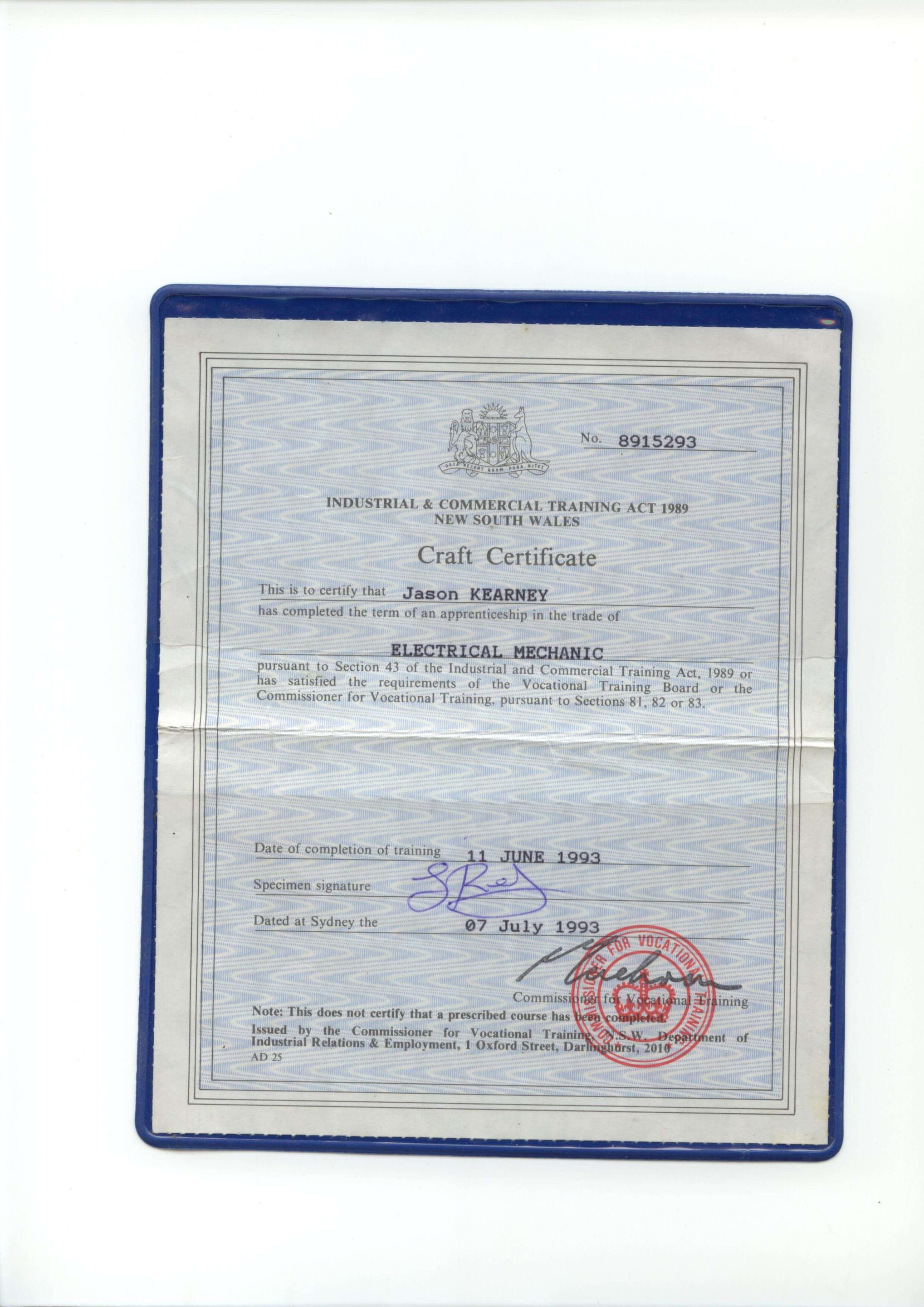
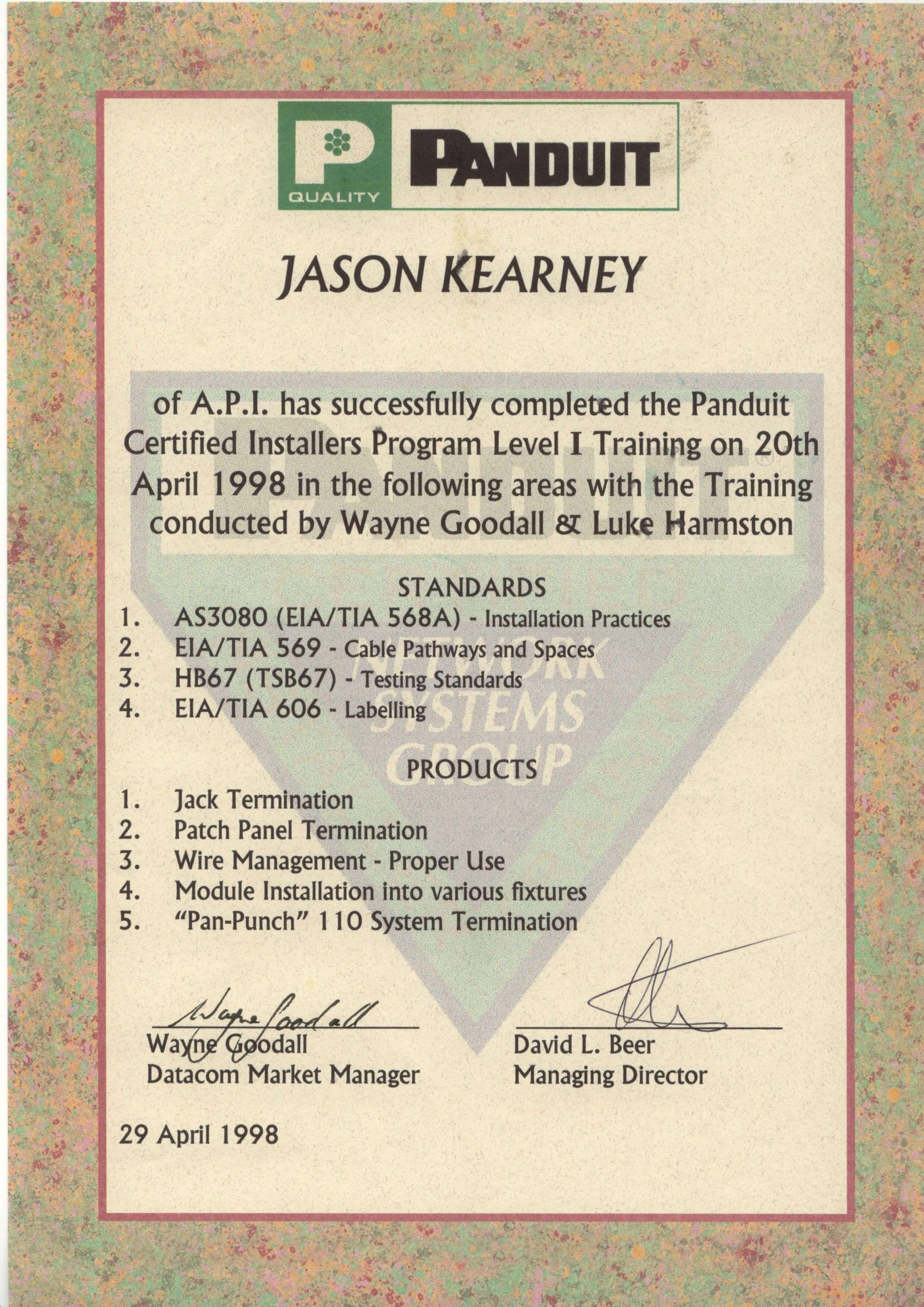
Open Registered Cabler — A10089 Australian Communications Authority — Licence 16598 Telstra Contractor — CID 90024185 Telstra Install & Maintenance — DC0051 Electrical Craft Certificate — 8915293 Data Cabling — AS3080 ABN 78 130 056 987
Jason Kearney — Founder & Master Technician, SECURE A COM
// Founder & Master Technician

JASON KEARNEY

Founder Jason Kearney is an Open Registered Cabler with 29 years of industry experience. In 1997, he was a manager for one of the first private contracting companies to work in the Telstra network following privatisation, leading the landmark CAN 2000 Project. Since establishing SECURE A COM in 2008, Jason has provided Sydney with independent, expert fault diagnosis and telecommunications solutions.

Jason Kearney signature Read my full profile →
Open Cabler Registration Licence A10089
Open Cabler Registration
ASIAL (ACMA-accredited registrar) — A10089
Cabler Registration Certificate
Australian Cabler Registration
ASIAL Member
Australian Communications Authority Licence 16598
Australian Communications Authority
Licence 16598
Regulatory Framework Licence
Milcom
Telstra Install and Maintenance Certificate DC0051
Telstra Install & Maintenance
Certificate DC0051
Telstra Copper Jointing Certificate
Telstra Copper Jointing
Certificate
Telstra Contractor Accreditation CID 90024185
Telstra Contractor Accreditation
CID 90024185
Telstra Lines Manager Certificate
Telstra Lines Manager
Certificate
Electrical Craft Certificate 8915293
Electrical Craft Certificate
Licence 8915293
Data Cabling Certification AS3080
Data Cabling Certification
AS3080
Bonded Asbestos Removal Certificate
Bonded Asbestos Removal
Certificate
Sydney Tunnel Induction
Certificate
// Registered Australian Business
ABN 78 130 056 987
Verify on ABR →
Customer Reviews

WHAT SYDNEY CUSTOMERS SAY

5.0
128 Google Reviews
Google Reviews Verified customer feedback
Leave a Review
Trusted By

COMPANIES WE'VE WORKED FOR

From national banks to fast food chains — Sydney's biggest organisations trust us with their telecommunications infrastructure.

NBN · Data Cabling · Fibre · WiFi · Network Infrastructure

We diagnose faults across all Australian ISPs
FAQ

COMMON QUESTIONS ABOUT OUR BYRON BAY SERVICE

Questions from Byron Bay residents and holiday property owners about slow internet diagnosis, FTTN bridge taps in older weatherboard homes, moisture-related faults during Byron's wet season, holiday unit MDF issues, and how an independent internet technician differs from what your ISP provides.

The "best efforts" response from ISPs for FTTN connections is technically accurate — FTTN speeds are influenced by node distance and line conditions — but it ignores a significant additional source of speed loss that ISPs never test for: bridge tap attenuation from telephone extension wiring. In Byron Bay's established residential areas, the majority of houses were built in the 1960s and 1970s as weatherboard or fibro construction, and they were wired during that era with Telecom-standard telephone extension sockets: typically one in the kitchen or hallway, one or more in bedrooms, and often one in a sunroom or back verandah. Each of these sockets is wired in parallel on the copper pair — meaning the VDSL2 signal used by your FTTN connection is being continuously loaded by the impedance of each socket's connection to the pair, even though no telephone is plugged in and the socket is never used. This is called a bridge tap. Each bridge tap reduces your VDSL2 signal strength, and the loss compounds across multiple taps. A Byron Bay property with three bridge taps and a 600m node run will show substantially lower speeds than a property with the same node distance and no bridge taps — but the ISP's remote diagnostics cannot differentiate between the two, because they cannot see inside the customer-side copper. We use TDR equipment to locate every bridge tap on your pair with exact distance measurements, and isolate them at the junction block. For most Byron Bay weatherboard homes with three to four taps, this produces a gain of 15–22 Mbps on a 50 Mbps plan without any change to the NBN infrastructure.
Byron Bay and the Byron Shire has a mix of NBN technologies reflecting the area's combination of older established beach-side suburbs, newer residential estates, and rural hinterland properties. FTTN (Fibre to the Node) covers most of Byron Bay's established residential areas — Belongil, Byron Bay town centre, and much of the older beach-side residential stock. Bangalow, Mullumbimby, Brunswick Heads, and Ballina are also predominantly FTTN. FTTP (Fibre to the Premises) covers newer residential estates and some upgraded areas. FTTB (Fibre to the Building) covers some older apartment and unit complexes where NBN terminates at the building rather than individual units. Fixed Wireless covers more remote rural properties across the hinterland — Clunes, Federal, Coorabell, and some properties on the outskirts of Mullumbimby and Bangalow where node infrastructure doesn't reach. When you book, tell us your suburb and property type and we'll confirm the most likely technology and the fault profile we'll be testing for before we arrive.
A Byron Bay internet connection that clearly worsens during or after rain and partially recovers in dry weather is pointing at a specific physical fault: moisture-related insulation resistance degradation on the copper pair. Byron Bay receives approximately 1,800mm of rain per year — substantially more than most Australian cities — concentrated in the summer wet season from November to April. For FTTN connections in older weatherboard and fibro homes, the most common moisture fault is at the external conduit entry point: the conduit through which the lead-in cable enters the building. These properties were built in the 1960s and 1970s, and the original conduit seals have often failed over decades of subtropical weather and high rainfall. When the seal fails, water tracks inside the conduit during rain events and pools at the cable junction inside the house — the point where the lead-in cable connects to the internal wiring. Moisture at this junction causes insulation resistance to drop, producing higher line attenuation. As the moisture evaporates in dry weather, insulation resistance partially recovers. For FTTN connections, a moisture fault at the premises entry compounds any bridge tap attenuation already present — so the property may already have a slow-speed problem that becomes much more severe during the wet season. We test insulation resistance at the premises entry point and along the lead-in cable, identify exactly where the moisture is coming in, and re-seal the conduit entry on-site.
Holiday rental properties in Byron Bay have several recurring internet fault patterns that owner-managers frequently encounter. The most common is the same as general Byron Bay residential: FTTN bridge taps from 1960s–70s telephone extension wiring in the original house, often with taps in every bedroom and the living area. For holiday rental houses where the owner hasn't had a licensed cabler inspect the wiring, these taps can silently reduce the FTTN connection to a fraction of the plan speed — which guests notice immediately and leave in reviews. In holiday unit complexes, the main fault pattern shifts to MDF issues: older Byron Bay unit blocks have building MDFs where NBN pair assignments are managed, and incorrect terminations or corroded Krone blocks cause internet failures in specific units without affecting the rest of the building. Guests report "no internet" while the neighbouring unit works fine — this is a pair routing fault at the MDF. We can diagnose and repair both types of fault on-site, and for holiday units we can arrange a mutually suitable visit time that works around bookings. A one-time diagnostic and repair typically eliminates the recurring complaints and protects your booking income.
ISP technicians operate within a strictly defined scope that ends at the network boundary — the street node for FTTN. For FTTN connections, an ISP technician will confirm the node is syncing and may check the NTD connection at your wall socket, but their scope explicitly excludes the copper pair between the node and your wall socket — the exact section where bridge taps and moisture faults occur. ISP technicians do not carry TDR equipment for bridge tap location, do not carry insulation resistance meters, and are not authorised to test or modify the customer-side copper pair. For Byron Bay specifically, this means the most common local fault types — bridge taps in older weatherboard homes and conduit moisture ingress — are never tested by an ISP technician regardless of how many times you call. An independent internet technician from SECURE A COM works exclusively for you. We carry TDR equipment that locates bridge taps with exact distance readings, insulation resistance meters that identify moisture on the lead-in cable, and VDSL2 diagnostic analysers. We test the complete copper path from the street node to your wall socket, access building MDFs for holiday unit complexes, and find the physical fault the ISP has never tested for. We are a fully licensed Open Registered Cabler (A10089) authorised to work on all customer-side telecommunications cabling.
Yes — we service Bangalow, Mullumbimby, Brunswick Heads, Ocean Shores, New Brighton, Lennox Head, and surrounding Byron Shire areas. These towns are predominantly FTTN with some longer node distances than Byron Bay town itself — rural node infrastructure in areas like Bangalow and the outskirts of Mullumbimby can have node-to-premises copper runs of 800m to 1,200m. At these distances, bridge taps from 1960s–70s wiring have a proportionally greater effect because VDSL2 attenuation compounds both node distance and tap loading simultaneously. We have also diagnosed Fixed Wireless connection faults in more remote hinterland properties — antenna alignment issues, cable degradation on the outdoor run from the antenna to the NTD, and fresnel zone obstructions from tree growth over time. The same $250 service call rate applies, with travel charges for the Byron Shire that are discussed and agreed before booking confirmation. Call 02 9188 1577 to discuss your specific location.
Time-of-day slow speeds can be either physical or network in origin, but they can be separated by testing at the wall socket. True network congestion on FTTN affects the node's shared bandwidth during peak periods — typically 6pm to 10pm when multiple households on the same node are downloading simultaneously. This produces a consistent pattern: speeds that are acceptable in the morning and drop predictably in the evening. Physical faults — bridge taps and moisture — produce a different pattern: speeds that are consistently low regardless of time of day, or that track with weather rather than clock time. In Byron Bay's holiday rental precincts, particularly near Main Beach and Belongil, there is also a Wi-Fi congestion component: dozens of holiday properties with separate routers on overlapping channels produce wireless interference that degrades throughput at peak occupancy periods, but this is a Wi-Fi problem that's separate from the physical FTTN line. The diagnostic test is a direct speed test at the wall socket (bypassing Wi-Fi) at different times of day — if the wall socket speed is consistently low at all times, the fault is physical and fixable. If it varies predictably with time and the wall socket speed is acceptable in the morning, the fault is in the network or Wi-Fi distribution. We test at the wall socket and identify which category applies.
Byron Bay is approximately 750km from our Miranda base in Sutherland Shire — approximately 8–9 hours by road via the Pacific Highway. Because of this distance, Byron Bay service calls are scheduled differently from our metropolitan Sydney work: we typically co-ordinate Byron Bay calls in advance, often batching with other Northern Rivers area work to make the travel practical. When you contact us, we'll discuss your fault, confirm the travel charge and the $250 service call rate, and agree a specific date and arrival window that suits your schedule. There is no pressure — we'll confirm everything in writing before any commitment is made. Because we are one of very few independent licensed cablers who will travel to diagnose FTTN bridge tap and moisture faults in this region, we do take these bookings when circumstances allow. Call 02 9188 1577 or book online and we'll discuss availability. For holiday property owners, we can often co-ordinate a visit between guest bookings to minimise disruption.
Ready to book an on-site Byron Bay internet diagnosis? FTTN, FTTP & Fixed Wireless serviced — Byron Bay, Bangalow, Mullumbimby, Brunswick Heads, and the Byron Shire. Travel charges apply.
Book a Technician

BYRON BAY'S INTERNET TECHNICIAN.
LET'S FIX IT TODAY.

Book an Open Registered Cabler internet technician across Byron Bay and the Byron Shire. We travel from the Gold Coast, diagnose the fault with professional equipment, and fix it on-site — 90% resolved same visit.

Scheduled appointments — Byron Bay & Byron Shire Open Registered Cabler · A10089 12-month workmanship guarantee Gold Coast based · ~1 hour from Byron Bay 90% fixed in a single visit

Mon–Fri · After-hours by request · Byron Bay & Byron Shire · Travel charges apply

Open RegisteredCabler · ASIAL
5.0 Stars128 Google Reviews
Since 200818+ Years Experience
90% FixedSame Visit
12-MonthGuarantee

Pin It on Pinterest