
INTERNET
TECHNICIAN
CANTERBURY
BANKSTOWN
FTTN HOUSES.
BRIDGE TAPS. OLD COPPER.
An internet technician from SECURE A COM diagnoses NBN faults across Canterbury-Bankstown — servicing FTTN houses and apartments in Bankstown, Campsie, Lakemba, Wiley Park, Punchbowl, Condell Park, Greenacre, and Revesby. We specialise in FTTN in-home wiring diagnosis in post-war residential houses where bridge taps from original Telecom extension wiring and star-wired phone networks reduce VDSL2 speeds to a fraction of plan — faults that ISPs close citing "acceptable FTTN range" without ever entering the premises. An Open Registered Cabler (A10089) attends on-site with TDR equipment, and 90% of Canterbury-Bankstown faults are resolved in a single visit.
WHY CANTERBURY-BANKSTOWN INTERNET FAULTS GO UNFIXED
Canterbury-Bankstown's residential housing stock is dominated by post-war brick and weatherboard homes built between the 1950s and 1970s — every one of them with original Telecom Australia copper and multiple phone extension outlets wired throughout the house. ISPs close FTTN speed complaints without ever entering the building, citing "acceptable FTTN range" for speeds that are routinely 50–80% below what the copper line is physically capable of delivering once in-home wiring faults are removed.
ISP Closes FTTN Speed Ticket Citing "Acceptable Range" — Without Testing In-Home Wiring
When a Canterbury-Bankstown FTTN customer raises a slow speed complaint, the ISP tests the copper line from the street node to the NTD at the house entry point. If the VDSL2 sync speed meets a minimum threshold — often as low as 25 Mbps on a 50 Mbps plan — the ISP considers the service to be operating within the acceptable FTTN speed range and closes the complaint. The ISP never enters the house. They do not test the copper path from the NTD through the in-home wiring to the router. They do not look for bridge taps or star-wired extension networks. They do not measure the impedance mismatch caused by multiple phone outlets. Once the ticket is closed with "speed within acceptable range," the ISP will not reopen it without a formal complaint escalation — leaving Canterbury-Bankstown residents with a slow internet connection they have been told is normal. In many cases, removing the in-home bridge taps adds 20–35 Mbps to the actual throughput on the same line the ISP declared acceptable.
Bridge Taps from 1950s–1970s Telecom Extension Wiring — Reflecting the VDSL2 Signal Back on the Pair
A bridge tap is an unterminated branch on a copper telephone pair — a length of wire that is connected to the main pair at one end but left open-circuit at the other, creating a stub. In Canterbury-Bankstown's post-war residential houses, Telecom Australia installed additional phone extension outlets by tapping branch wires off the incoming copper pair at junction boxes within wall and ceiling cavities, routing them to kitchen, hallway, bedroom, and study extension sockets. When FTTN (VDSL2) replaced the old telephone service on these lines, the extension wires were left in place. Each unterminated extension creates a signal reflection on the VDSL2 pair — the high-frequency VDSL2 signal travels down the stub, hits the open-circuit end, reflects back, and arrives at the NTD slightly delayed and out of phase with the original signal. Multiple extensions create multiple reflections at multiple time delays, increasing the noise floor on the pair and forcing the VDSL2 modem to reduce its line rate to maintain a viable signal-to-noise ratio. The result is throughput that can be 50–80% below the sync rate on the same copper line. Removing the bridge taps — disconnecting the extension wires from the main pair — eliminates the reflections and restores the line's full VDSL2 performance.
Star-Wired Phone Extension Networks — Multiple Sockets Connected to the Incoming Pair, Loading the Line
In older Canterbury-Bankstown houses, telephone extensions were frequently installed as a daisy-chain or ring — with the incoming copper pair running from the lead-in entry point to one socket, then continuing from that socket to a second, third, and sometimes fourth or fifth socket throughout the house. This is a star-wired or ring-wired telephone extension network. When the NBN router is plugged into one of these sockets, every other socket in the ring is still electrically connected on the same copper pair. Each additional socket adds capacitive loading to the line — the total capacitance of the extension ring increases with every socket added. Higher line capacitance increases signal attenuation at VDSL2 frequencies (17 MHz and above), reducing the SNR margin the modem measures and forcing the modem to reduce its line rate. Older phone sockets also frequently have corroded or high-resistance contacts that add resistive loading. The fix is to disconnect the extension ring from the main pair and connect the NBN router directly to a single socket at the lead-in entry point — this is not a DIY task, as it requires cutting into the telephone wiring and requires a licensed cabler to work on the customer-premises telecommunications network.
Corroded Aerial and Underground Lead-In Cables — Signal Loss Before It Reaches the House NTD
Canterbury-Bankstown's post-war residential housing has a mix of aerial and underground lead-in cables connecting the street Telstra network to each house. Aerial lead-ins — wire runs from the street pole to the house entry point, suspended on a support wire — are exposed to UV radiation, moisture, and temperature cycling over decades, causing the cable insulation to crack and the conductors to oxidise at the entry point termination. Underground lead-in cables in older properties frequently run through earthenware ducts or directly buried without conduit, and the original paper-insulated or rubber-sheathed conductors absorb moisture over time, increasing their resistance and reducing their insulation integrity. Both failure modes increase line attenuation on the section between the street and the house NTD — the section the ISP does test — adding to the overall line loss before any in-home wiring fault is even considered. Where the lead-in cable is the fault, we identify it with the TDR trace (which shows a high-resistance or open-circuit fault at the measured cable distance), advise on the remediation options — aerial lead-in replacement, underground lead-in replacement, or ISP escalation where the fault is on the network side of the boundary — and carry out the customer-side repair on the same visit where cable access allows.
ISP Scope Ends at the Street Node — In-Home Copper Wiring Is the Customer's Responsibility, Never Tested
Under the NBN wholesale service agreement, the ISP and NBN Co's obligation for FTTN connections ends at the boundary between the street node and the customer-premises copper pair. From the node to the NTD at the house entry point, the copper is NBN Co's network infrastructure. From the NTD entry point through the in-home telephone wiring to the router is entirely the customer's responsibility — labelled customer-premises equipment or CPE in the ISP's terminology. No ISP technician attending a Canterbury-Bankstown FTTN service call is authorised or equipped to work on the in-home telephone wiring. They will check the NTD sync, measure the speed at the NTD port, and if the reading meets the minimum threshold, close the job. Bridge taps inside the walls, star-wired extension networks, corroded junction boxes, and faulty phone sockets are all on the customer's side of the boundary — and they are all completely invisible to ISP diagnostics. We work exclusively on the customer's side of the boundary. We are a licensed Open Registered Cabler (A10089) authorised to access and repair all customer-premises telecommunications cabling in Canterbury-Bankstown residential properties.
FTTB Wiring Faults in Bankstown CBD and Campsie Apartments — A Completely Different Fault Type Requiring Different Access
Not all Canterbury-Bankstown properties are on FTTN. Mid-rise apartment buildings in the Bankstown CBD and Campsie town centre — particularly those built in the 1980s and 1990s — are predominantly on FTTB (Fibre to the Building), where the fibre runs to the building's communications room and internal building cabling distributes the connection to each apartment. In these buildings, the dominant fault type is legacy Category 3 telephone cable in the building riser — the same fault as Sydney CBD apartments — where the NTD in the comms room syncs at full speed but the Cat 3 cable run from the comms room to the apartment cannot carry NBN Ethernet speeds. This is a completely different fault from a house FTTN bridge tap problem: it requires comms room access, building riser cable testing, and Cat 5e cable replacement from the comms room to the apartment wall plate — not TDR testing of in-home telephone wiring. We service both: when you book, tell us whether you're in a house or apartment in Canterbury-Bankstown and we attend with the right equipment for the job.
YOUR INDEPENDENT INTERNET TECHNICIAN —
CANTERBURY-BANKSTOWN
SECURE A COM is an independent, Open Registered Cabler (A10089) based in Miranda, Sutherland Shire. We travel to Canterbury-Bankstown regularly — approximately 25–35 minutes from our base depending on suburb and traffic. We attend with TDR equipment, VDSL2 line testers, bridge tap isolation tools, lead-in cable, and telephone wiring components. FTTN bridge tap removal and phone extension isolation in post-war Bankstown, Lakemba, Campsie, Greenacre, and Revesby houses; lead-in cable diagnosis and repair; FTTB comms room access and Cat 5e cable replacement for Bankstown CBD and Campsie apartment buildings. We test the complete copper path from the street copper to the router — the path the ISP has never tested.
Book a Canterbury-Bankstown TechnicianWATCH US EXPOSE THE REAL FAULT
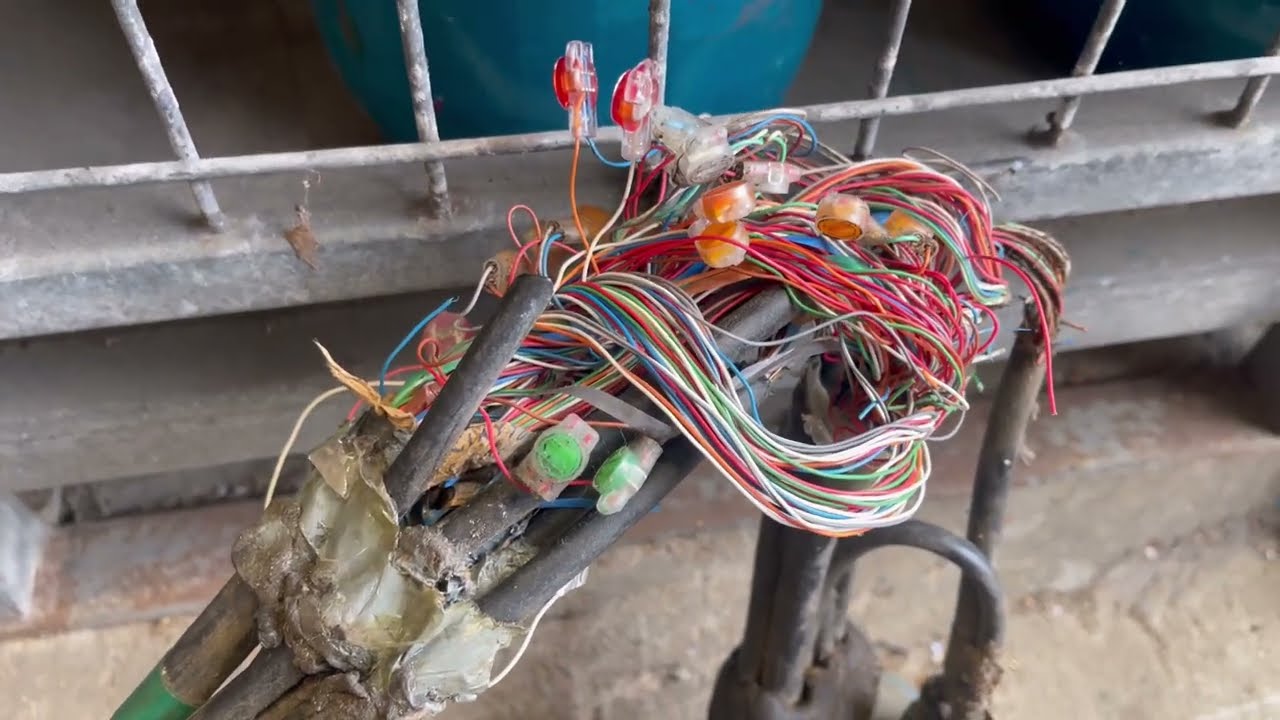
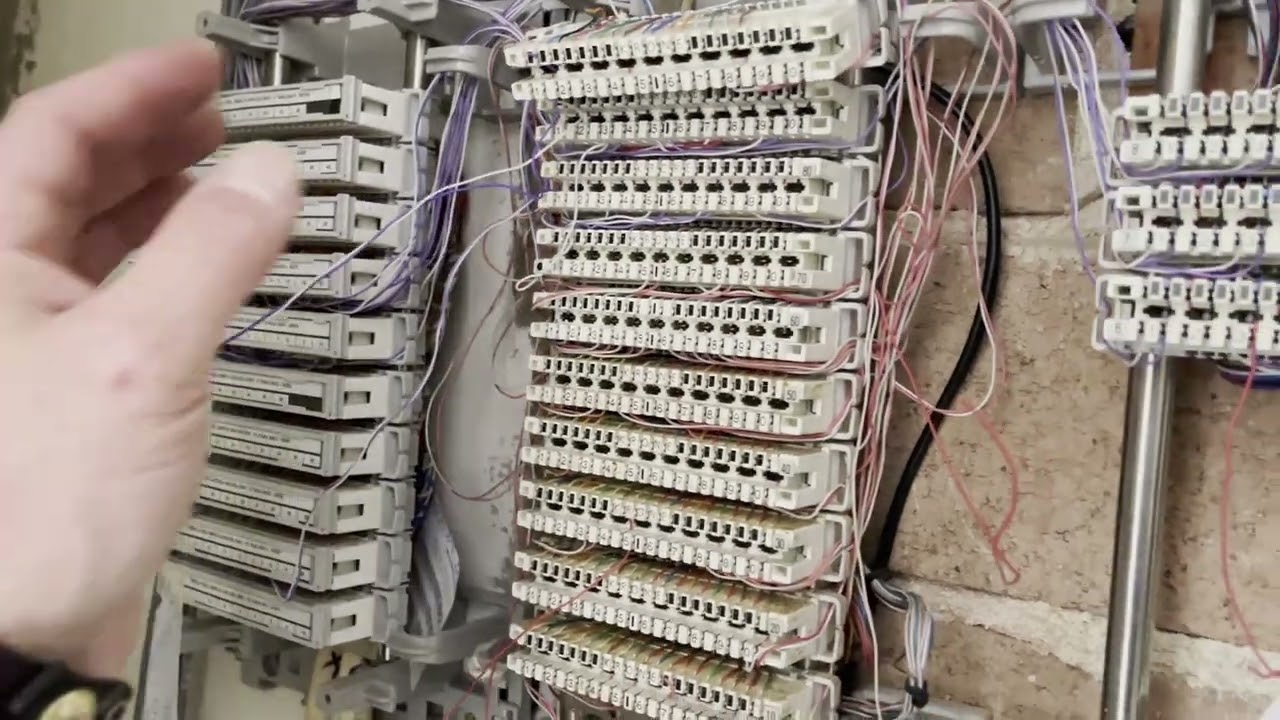
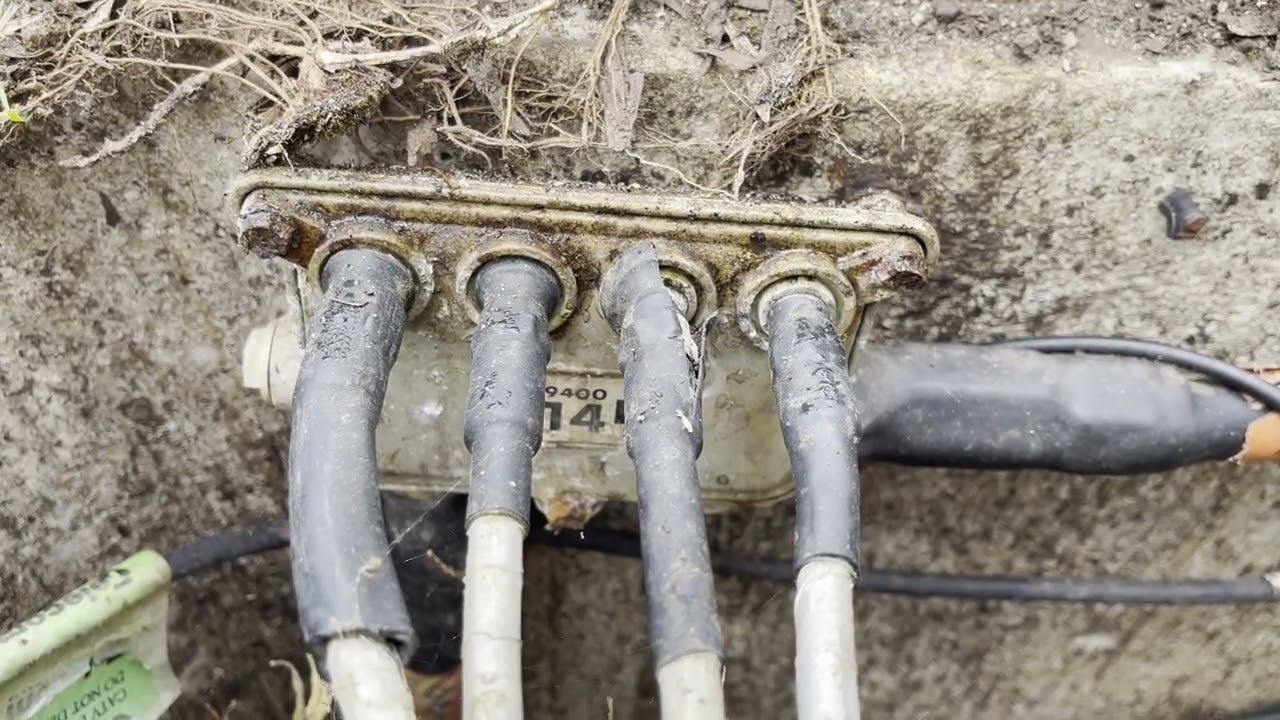
These aren't staged demos. Every video is a real Sydney job where we were called in after the ISP said nothing was wrong — and found exactly what they missed. Watch the full diagnostic process, on camera.
INTERNET & TELECOM SERVICES
From FTTN bridge tap removal in post-war houses across Bankstown, Lakemba, Campsie, and Greenacre to FTTB comms room access in Bankstown CBD and Campsie apartment buildings — SECURE A COM provides licensed, on-site internet technician services across all Canterbury-Bankstown property types.
Internet Technician NSW (All Locations)
View the full NSW internet technician page — covering Greater Sydney and state-wide locations. FTTN bridge tap removal, FTTB comms room access, FTTC fault diagnosis, and HFC signal testing across all New South Wales connection types and locations.
View NSW internet technician serviceInternet Fault Finding Canterbury-Bankstown
Slow speeds, NBN dropouts, or no internet in a Canterbury-Bankstown house or apartment. Our fault finding service identifies the physical cause — FTTN bridge taps, phone extension loading, lead-in cable faults, or FTTB building wiring issues — diagnosed on-site with TDR and VDSL2 test equipment.
Internet fault finding servicesBridge Tap Removal Canterbury-Bankstown
The dominant FTTN fault type in Canterbury-Bankstown's post-war residential housing. We use a TDR to locate bridge taps from original Telecom extension wiring, disconnect unterminated phone extensions, and isolate the line to a single socket — restoring full VDSL2 performance on the same copper the ISP declared acceptable.
Bridge tap removal servicePrivate NBN Technician Bankstown
ISP has closed your slow speed complaint as "within acceptable FTTN range" — but your Canterbury-Bankstown house is getting a fraction of your plan speed. Our independent private NBN technicians investigate the in-home copper path the ISP never tested: bridge taps, phone extension networks, junction box faults, and lead-in cable degradation.
Hire a private NBN technicianNBN Fault Repair Canterbury-Bankstown
Bridge tap removal and phone extension isolation for FTTN houses across Bankstown, Lakemba, Campsie, and Greenacre; lead-in cable replacement for corroded aerial and underground lead-ins; FTTB Cat 5e cable replacement for Bankstown CBD and Campsie apartment buildings — all carried out on-site within the same service call.
NBN fault repair servicesPhone Line Repair Canterbury-Bankstown
Crackling landline or no dial tone in your Canterbury-Bankstown house, often sharing the same cause as your internet fault — bridge taps, corroded junction boxes, or a damaged lead-in cable affecting both services on the same incoming copper pair. We diagnose and repair both on the same visit.
Phone line repair servicesWiFi Solutions Canterbury-Bankstown
Once the bridge tap or line fault is fixed, some Canterbury-Bankstown houses have dead zones in back bedrooms, garages, or second storeys. We assess and implement wireless coverage solutions — mesh Wi-Fi or additional access points — suited to the older brick and fibro construction common in Bankstown, Lakemba, and Campsie homes.
Fix WiFi coverage problemsData Cabling Canterbury-Bankstown
After removing bridge taps and isolating the line, many Canterbury-Bankstown homeowners choose to upgrade their home network with hardwired Cat 6 data points — Ethernet outlets in the study, lounge, and bedroom for fast, reliable wired connections rather than relying on Wi-Fi from a single wall plate. We install Cat 6 data outlets throughout the home.
Data cabling installationFROM YOUR FIRST CALL TO FIXED — CANTERBURY-BANKSTOWN
Here's exactly what happens when you book an internet technician with SECURE A COM in Canterbury-Bankstown. We travel from our Miranda base — approximately 25–35 minutes depending on suburb and traffic — arrive on-site with TDR equipment, VDSL2 line testers, and bridge tap isolation tools, and diagnose FTTN in-home wiring faults in post-war houses and FTTB building wiring issues in Bankstown CBD and Campsie apartments. Most Canterbury-Bankstown faults resolved on the same visit.
Book Online — Tell Us Your Suburb, Property Type, and What's Happening With Your Internet
Call us on 02 9188 1577 or use the online booking form. Tell us your Canterbury-Bankstown suburb — Bankstown, Campsie, Lakemba, Wiley Park, Punchbowl, Greenacre, Revesby, or any surrounding suburb — whether you're in a house or apartment, and what's happening: slow speeds, intermittent dropouts, or no internet at all. You don't need technical knowledge. If you know your connection type — FTTN (most houses in the area), FTTB (Bankstown CBD and Campsie apartments), or FTTC — tell us. If you don't know, we'll ask a few quick questions about your property era and identify the likely fault type before attending. For houses, knowing whether you have multiple phone points throughout the property is useful — it tells us immediately that a bridge tap diagnosis is the likely starting point.
We Confirm Your Appointment — Specific Arrival Window, No Half-Day Blocks
We confirm a specific arrival window for your Canterbury-Bankstown service call — not a vague half-day block. Canterbury-Bankstown is approximately 25–35 minutes from our Miranda base depending on suburb and traffic conditions. Bankstown and nearby suburbs such as Yagoona and Condell Park are around 30–35 minutes via the M5 or Stoney Creek Road; Campsie and Canterbury are approximately 30 minutes via King Georges Road and Beamish Street; Lakemba and Wiley Park are around 30 minutes via the M5 and Canterbury Road; Revesby and Padstow are approximately 25–30 minutes via the Riverwood corridor. For FTTB apartment buildings in Bankstown CBD or Campsie, we advise on any access requirements for the building communications room before the visit. No delays caused by access problems on the day.
On-Site Fault Diagnosis — VDSL2 Line Test, TDR Trace, and Systematic Extension Isolation
We arrive with a TDR (time-domain reflectometer), VDSL2 line test equipment, bridge tap isolation tools, lead-in cable, and telephone wiring components — everything required to diagnose and repair FTTN in-home wiring faults in a Canterbury-Bankstown house. We begin with a VDSL2 line test to measure the sync rate at the NTD and the throughput at the router, confirming the gap caused by in-home wiring. We then run a TDR trace on the incoming copper pair from the NTD entry point — the TDR shows us every bridge tap, open-circuit extension, and impedance discontinuity as a reflection at a measured distance. We know where each bridge tap is without opening walls. We then systematically test each phone extension outlet — disconnecting them one at a time and retesting — to confirm the bridge tap locations and isolate the pair. For FTTB apartments in Bankstown CBD or Campsie, we access the building communications room and test the internal cable path from the NTD to your apartment. This is the diagnostic step your ISP has never taken.
Repair Carried Out On-Site — Bridge Tap Removal, Extension Isolation, or Cable Repair
In 90% of cases we carry out the repair on the same visit. For FTTN houses with bridge taps, we disconnect the unterminated phone extensions from the main incoming pair at the junction point — either at the telephone socket itself, at a Krone IDC termination block in the wall cavity, or at a junction box in the ceiling — and blank the disconnected outlets. We then run a final VDSL2 test to verify the speed improvement with the bridge taps removed. For houses with star-wired extension networks, we isolate the line to a single socket at the lead-in entry point, typically installing a new RJ45 data socket at the NTD location for the router connection. For properties with a corroded or damaged aerial lead-in cable, we replace the cable from the street entry point to the NTD. For FTTB apartments in Bankstown CBD or Campsie, we replace Cat 3 building cable with Cat 5e from the comms room to the apartment wall plate. Where the fault is on the NBN or ISP infrastructure side, we provide written escalation documentation including our TDR trace output and VDSL2 test results.
Speed Verified, Fault Explained, 12-Month Guarantee Issued
Before we leave, we re-test your connection speed at the router and confirm the fault is resolved. We explain what we found — the bridge tap locations, the extension wiring configuration, and the measured speed improvement — in plain language, not jargon. You receive a 12-month workmanship guarantee on all repairs: if the same fault recurs within 12 months due to our workmanship, we return at no additional charge. For Canterbury-Bankstown properties where the bridge tap fault caused speeds well below the plan speed for an extended period, we also provide a written ISP report documenting the fault — which you can use to request a plan speed credit from your ISP for the period the line was degraded by the in-home wiring fault. Full terms at secureacom.com.au/terms-conditions
Based in Sutherland Shire — We Regularly Travel to Canterbury-Bankstown
SECURE A COM is headquartered in Miranda, Sutherland Shire. Canterbury-Bankstown is approximately 25–35 minutes from our base depending on suburb — Bankstown around 30 minutes via the M5 and King Georges Road; Campsie and Canterbury approximately 30–35 minutes; Lakemba, Wiley Park, and Punchbowl around 30–35 minutes via Canterbury Road; Revesby and Padstow approximately 25 minutes via the Riverwood corridor; Greenacre and Condell Park around 30–35 minutes. We created this page because we service Canterbury-Bankstown regularly — post-war FTTN housing with bridge tap faults is our daily work, and there are very few licensed cablers who carry TDR equipment, VDSL2 test gear, and bridge tap isolation tools to resolve FTTN speed issues on a single visit. Canterbury-Bankstown is within our Greater Sydney service area — no travel surcharge applies. See our Terms & Conditions for full service area and travel charge details.
// Ready to book your on-site Canterbury-Bankstown diagnosis?
Book a Canterbury-Bankstown Internet Technician Mon–Fri · FTTN Houses & FTTB Apartments · 90% Fixed Same VisitONE PRICE. NO SURPRISES.
A single fixed fee covers your on-site diagnosis and repair across Canterbury-Bankstown. FTTN houses in Bankstown, Lakemba, Campsie, Greenacre, Wiley Park, Punchbowl, Condell Park, Revesby, and Padstow, plus FTTB apartments in Bankstown CBD and Campsie — no additional charge for connection type, property complexity, or travel within Greater Sydney.
GST inclusive. Includes one hour on-site with an Open Registered Cabler and travel within Greater Sydney — all Canterbury-Bankstown suburbs are within our service area with no additional travel surcharge. See full Terms & Conditions →
PRICING FAQ
LICENSED. CERTIFIED. ACCOUNTABLE.
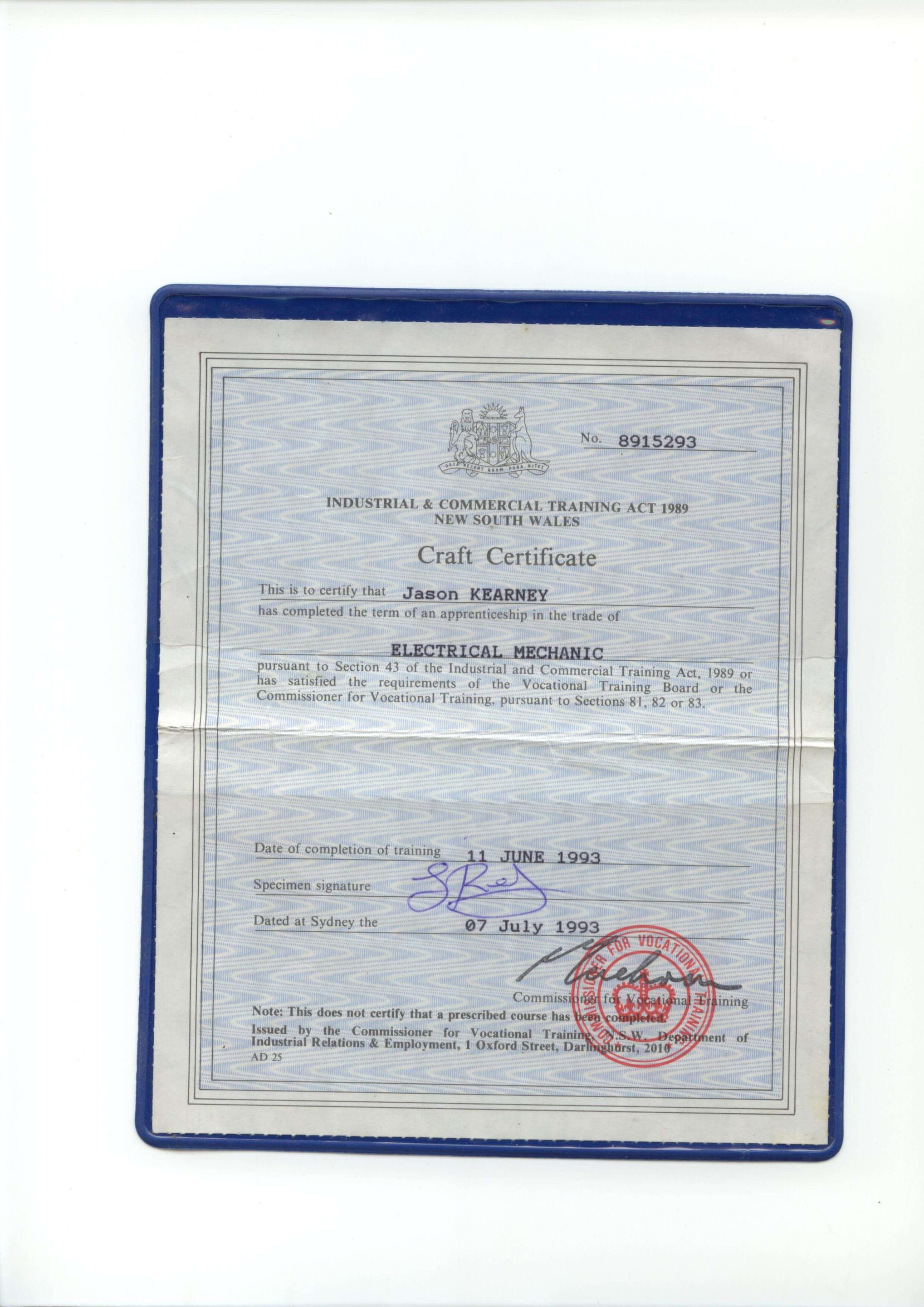
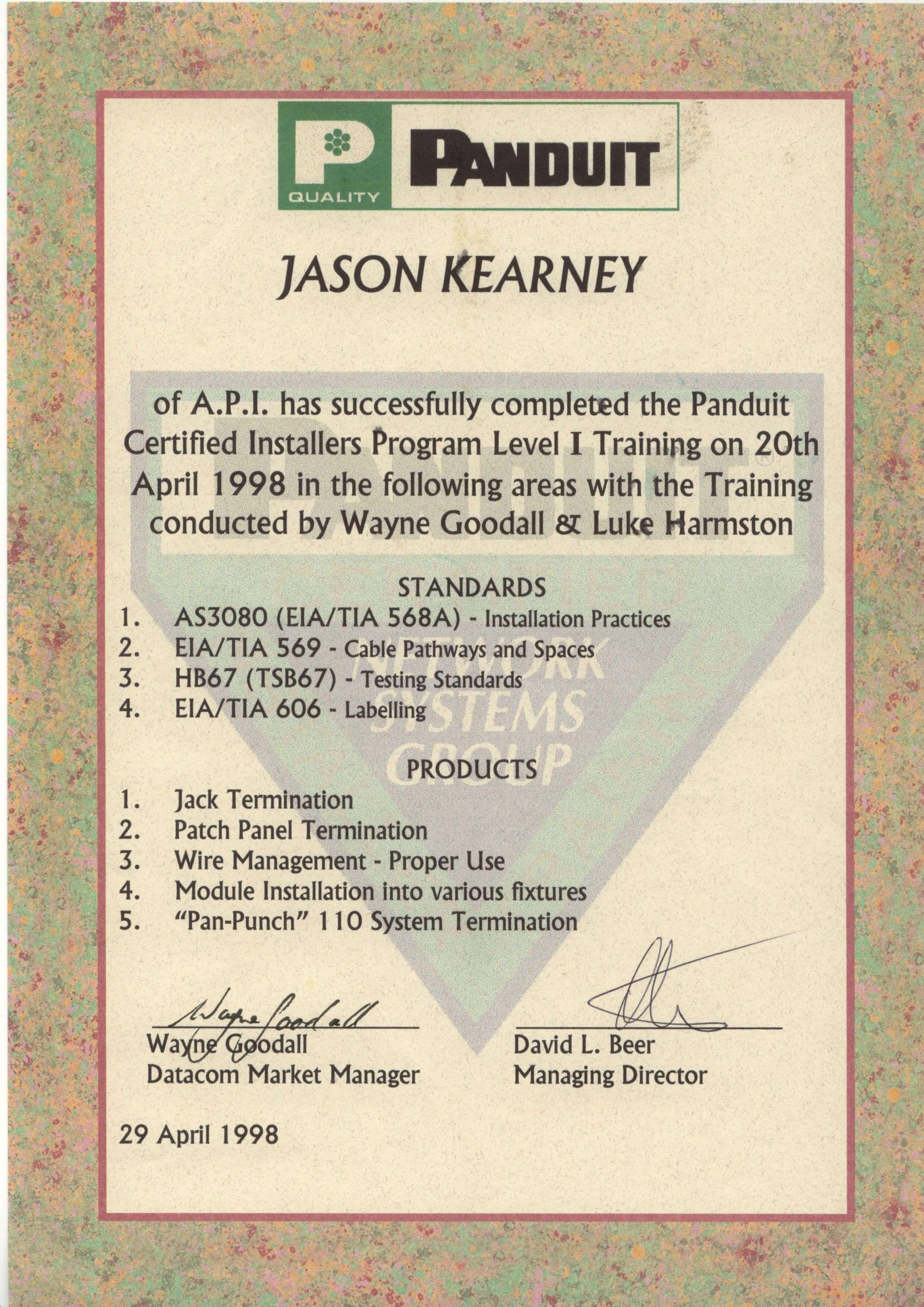
Secure A Com holds every licence and certification required to legally work on NBN and telecommunications infrastructure in Australia. Our master technicians are fully registered with ASIAL, an official national cabling registrar accredited by the Australian Communications and Media Authority (ACMA). When you book with us, you're engaging a properly registered cabler — not an unlicensed contractor. Click any certificate to view it in full.

JASON KEARNEY
Founder Jason Kearney is an Open Registered Cabler with 29 years of industry experience. In 1997, he was a manager for one of the first private contracting companies to work in the Telstra network following privatisation, leading the landmark CAN 2000 Project. Since establishing SECURE A COM in 2008, Jason has provided Sydney with independent, expert fault diagnosis and telecommunications solutions.




WHAT SYDNEY CUSTOMERS SAY


COMPANIES WE'VE WORKED FOR
From national banks to fast food chains — Sydney's biggest organisations trust us with their telecommunications infrastructure.


NBN · Data Cabling · Fibre · WiFi · Network Infrastructure











COMMON QUESTIONS ABOUT OUR CANTERBURY-BANKSTOWN SERVICE
Answers to the most common questions we receive about FTTN fault diagnosis and internet technician services in Canterbury-Bankstown — bridge tap removal in post-war houses across Bankstown, Lakemba, Campsie, Greenacre, and Revesby, and FTTB apartment wiring faults in Bankstown CBD and Campsie.
CANTERBURY-BANKSTOWN'S
INTERNET TECHNICIAN.
LET'S FIX IT TODAY.
Book an independent, Open Registered Cabler internet technician for your Canterbury-Bankstown house or apartment. We attend on-site with TDR equipment, VDSL2 line testers, and bridge tap isolation tools — diagnosing FTTN in-home wiring faults in post-war houses across Bankstown, Lakemba, Campsie, and Greenacre, and FTTB building wiring issues in Bankstown CBD and Campsie apartments. 90% resolved in a single visit.
Mon–Fri · FTTN Houses & FTTB Apartments · Canterbury-Bankstown's Independent Internet Technician