
INTERNET
TECHNICIAN
FOREST DISTRICT
FTTN BRIDGE TAPS.
WE FIND THEM ALL.
An internet technician from SECURE A COM diagnoses and repairs NBN faults across the Forest District of Sydney — from FTTN houses in Frenchs Forest, Belrose, and Davidson to semi-rural properties in Terrey Hills, Duffys Forest, and Ingleside. We specialise in bridge tap identification and removal from original telephone wiring in homes built during the Forest District's 1960s–1990s development era, where ISPs consistently fail to diagnose the real cause of slow speeds and dropouts. An Open Registered Cabler (A10089) attends on-site, with 90% of faults resolved in a single visit.
WHY FOREST DISTRICT INTERNET FAULTS GO UNFIXED
The Forest District's mix of 1970s–1990s houses, hilly terrain, and dense bush environment creates a specific set of NBN fault types that ISPs consistently fail to identify remotely. Here's why.
ISPs Test the FTTN Node Remotely — Your Internal House Wiring Is Never Inspected
When you call your ISP about slow speeds or dropouts, their technicians check whether the FTTN node on your street is syncing and whether the signal reaching your NBN connection box meets their minimum specification. If it does, the ticket is closed — "line is fine." What they never test is the copper pair running from their equipment through your home's telephone junction box and internal wiring to the wall socket where your modem connects. This is where the fault almost always sits in Forest District houses, and it is entirely invisible to remote ISP diagnostics.
Bridge Taps From Original Telephone Wiring — Frenchs Forest, Belrose, Davidson Homes
The Forest District developed rapidly during the 1960s through 1990s — Frenchs Forest, Belrose, Davidson, Forestville, and Killarney Heights were all built out during this era. Every house received a telephone service with extension sockets in multiple rooms: hallways, bedrooms, kitchens, garages, and studies. Those extension sockets remain connected in parallel to the main copper pair to this day. For traditional voice calls, multiple extensions are harmless. For high-frequency FTTN and FTTC broadband signals, each active extension creates a bridge tap — an unterminated spur that reflects signals and introduces impedance, degrading sync speed by 30–70% per active extension. A typical Forest District house has three to five active extensions. ISPs never identify these.
Long Copper Runs in Hilly Terrain — High Attenuation in St Ives, Terrey Hills, Ingleside
The Forest District's undulating topography means FTTN copper runs from node to premises are often longer than in flat suburban areas. St Ives, Terrey Hills, Ingleside, and the Ku-ring-gai edge of the district can have extended copper distances that push line attenuation well beyond standard suburban levels — reducing the maximum achievable FTTN sync speed before any internal fault is even considered. ISPs classify speeds at these elevated attenuation levels as "within tolerance," even when they represent a fraction of your subscribed plan. We measure actual line attenuation on-site with a VDSL2 analyser, document the result, and advise on ISP escalation for network-side copper degradation where applicable.
Lead-In Cable Damage From Wildlife and the Bush Environment
The Forest District's dense bush environment creates lead-in cable damage patterns unique to the area. Possums travel along fence lines and eaves, chewing exposed telephone lead-in cable where it enters the house or runs through garden areas. Rodents damage cable at conduit entry points where underground conduit meets the house wall. Tree roots grow through old PVC conduit over decades, crushing and displacing the cable inside. Overhanging branches snag aerial cable during high winds. Each of these creates a point of insulation damage that allows moisture to enter the cable path — producing intermittent dropouts and slow speeds that worsen during and after rain. We inspect the full external cable run from the street pit to the house entry on every visit.
Rain-Correlated Dropouts — Water Ingress at Conduit Entries in Garden-Heavy Properties
Many Forest District properties have established gardens with dense planting around the house perimeter where the lead-in cable enters. Old rubber-grommet conduit wall penetrations allow water to track along the cable sheath into the wall during heavy rain, causing insulation resistance to drop and the FTTN connection to destabilise. The fault disappears as the cable dries between rain events — which is exactly why ISP remote tests, conducted days after the incident, find nothing wrong. We measure insulation resistance directly using a proper test set, identify the moisture entry point, and advise the appropriate repair — whether that's resealing the conduit entry, rerouting the cable entry point, or replacing the section of cable between the pit and the wall.
Scotland Island, Cottage Point, and Rural Pockets — Unique Access Challenges and Service Gaps
The outer edges of the Forest District include some of Sydney's most challenging NBN environments. Scotland Island (Pittwater) is water-access only, and NBN infrastructure constraints mean some properties remain on Fixed Wireless or older technology types. Cottage Point, Coasters Retreat, and Elvina Bay face similar infrastructure limitations. For these locations and the semi-rural stretches between Terrey Hills, Duffys Forest, and Ingleside, Fixed Wireless signal strength, antenna alignment, and internal cable quality from the outdoor antenna to the router all affect performance significantly. We attend these locations, test the fixed wireless signal path, and identify whether the fault is at the antenna, the indoor cable, or the modem — problems ISPs simply don't investigate on-site.
YOUR INDEPENDENT INTERNET TECHNICIAN —
SERVICING ALL OF THE FOREST DISTRICT
SECURE A COM is an independent, Open Registered Cabler (A10089) servicing the Forest District of Sydney from our base in Miranda. We attend on-site with professional test equipment — VDSL2 analysers, bridge tap testers, TDR cable fault locators, and insulation resistance testers — and diagnose the physical fault wherever it sits. Bridge tap isolation, lead-in cable inspection, line attenuation measurement, and fixed wireless signal testing are all part of our standard site visit. No remote guessing. No ticket closures. Evidence-based fault diagnosis and same-visit repair across FTTN, FTTC, HFC, and Fixed Wireless connections throughout the Forest District.
Book a Forest District TechnicianWATCH US EXPOSE THE REAL FAULT
These aren't staged demos. Every video is a real Sydney job where we were called in after the ISP said nothing was wrong — and found exactly what they missed. Watch the full diagnostic process, on camera.
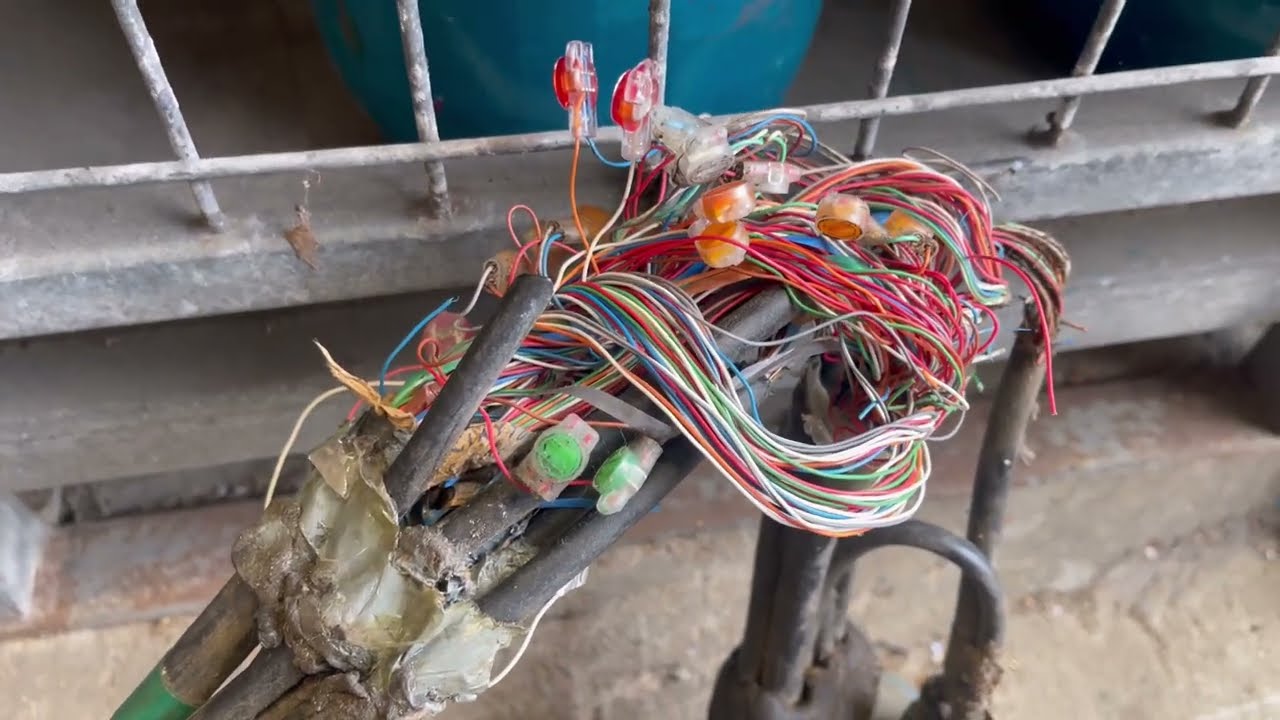
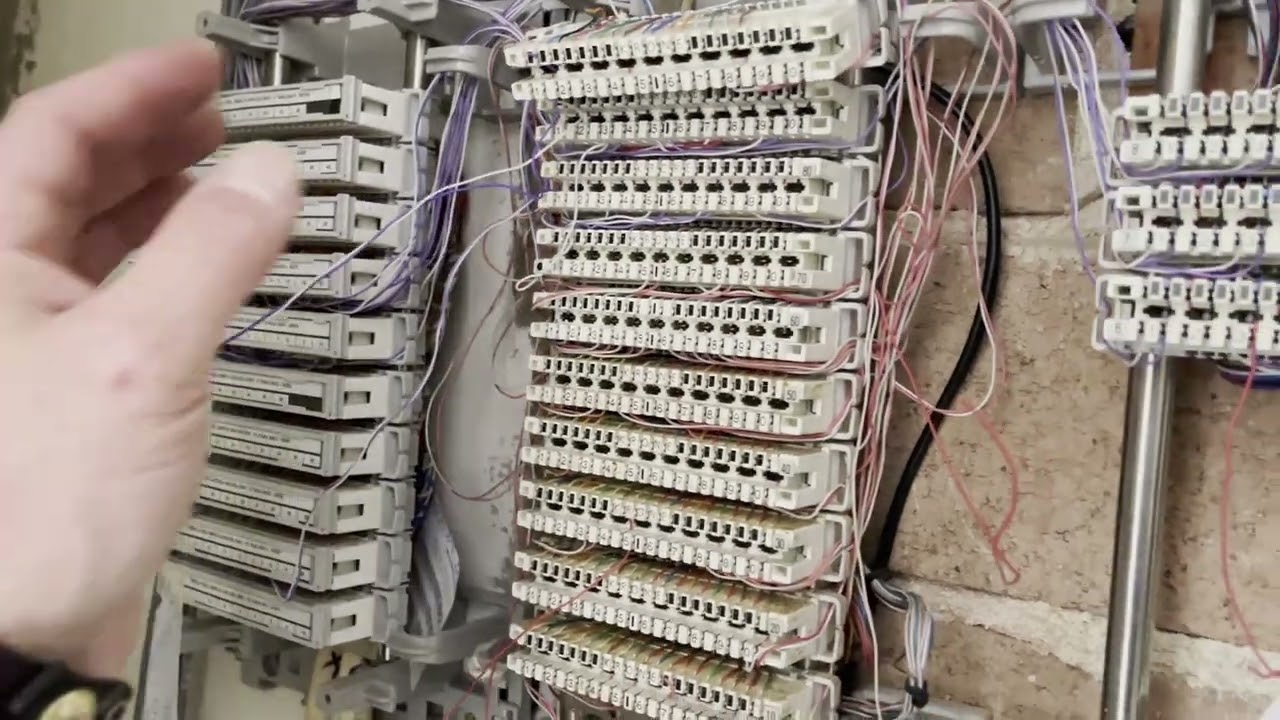
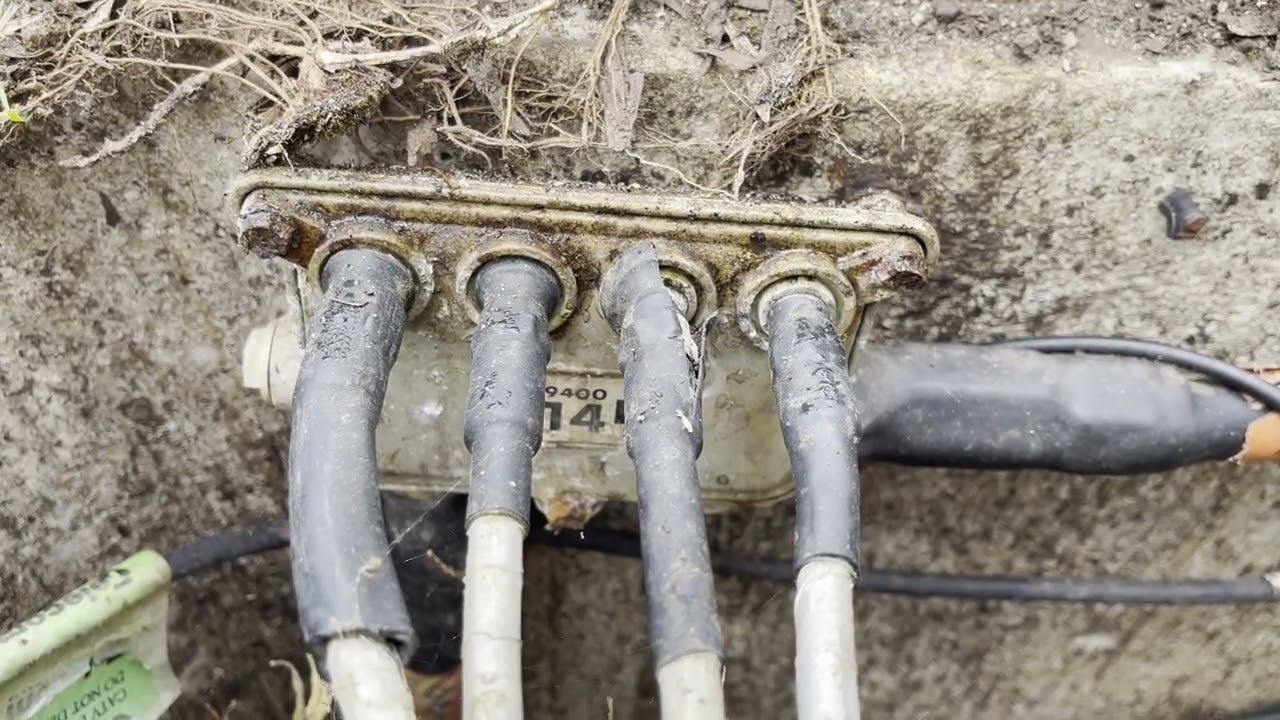
INTERNET & TELECOM SERVICES
From bridge tap removal in a Frenchs Forest FTTN house to lead-in cable repair in a Terrey Hills bush property — SECURE A COM provides licensed, on-site internet technician services across the entire Forest District of Sydney.
Internet Technician NSW (All Locations)
View all internet technician service areas across New South Wales. Fault diagnosis, bridge tap removal, and on-site NBN repairs for homes and businesses throughout NSW.
View all NSW locationsPrivate NBN Technician
ISP says nothing is wrong — but your internet in the Forest District still doesn't work. Our independent private NBN technicians find what remote tests can't. Evidence-based reports for ISP escalation.
Hire a private NBN technicianInternet Fault Finding NSW
Not sure what's causing your dropouts or slow speeds in the Forest District? Our fault finding service diagnoses intermittent connection problems with professional test equipment — whatever the cause.
Internet fault finding servicesNBN Fault Repair NSW
Bridge tap, damaged lead-in cable, faulty socket, or corroded conduit entry? We repair NBN faults on-site within the same service call across Forest District homes and bush properties.
NBN fault repair servicesPhone Line Repair NSW
Crackling landline, no dial tone, or VoIP problems on your Forest District NBN phone service. We diagnose and repair copper phone line faults at homes and properties of all ages.
Phone line repair servicesLead-In Cable Installation
Possum-damaged, root-crushed, or ageing lead-in cable is a common fault in Forest District bush properties. We replace and reroute lead-in cables to restore optimal signal quality from the pit to your premises.
Lead-in cable installationWiFi Solutions NSW
Once your NBN line is confirmed fault-free, Wi-Fi dead zones in large Forest District homes are a separate problem. We assess, optimise, and fix wireless coverage across your entire property.
Fix Wi-Fi coverage problemsBridge Tap Removal — Forest District Homes
Bridge taps from original 1970s–1990s telephone wiring are the dominant internet fault type in Forest District houses. We locate every active extension, isolate the taps, and verify the speed improvement on-site.
Bridge tap removal servicesFROM YOUR FIRST CALL TO FIXED — ACROSS THE FOREST DISTRICT
Here's exactly what happens when you book an internet technician with SECURE A COM in the Forest District. We travel from our Miranda base, arrive on-site with professional test equipment, and diagnose FTTN bridge taps, lead-in cable faults, line attenuation problems, and fixed wireless issues — most resolved within the first visit.
Book Online — Tell Us Your Connection Type and What's Going Wrong
Call us on 02 9188 1577 or use the online booking form. Tell us your suburb, your NBN connection type if you know it (FTTN, FTTC, or Fixed Wireless are the most common across the Forest District), and what's happening — slow speeds, dropouts, internet cutting out during rain, or no connection at all. You don't need technical knowledge. We'll ask the right questions based on your suburb and describe what we're likely to find before we arrive. The Forest District's development era and bush environment mean we've seen these fault types many times.
We Confirm Your Appointment — Specific Arrival Window, Not a Half-Day Block
We confirm an exact arrival window for your Forest District service call — not a vague "morning" or "afternoon" block. The Forest District is approximately 45–60 minutes from our Miranda base depending on the specific suburb and traffic — Frenchs Forest and Davidson are closer to 45 minutes; Terrey Hills, Duffys Forest, and Ingleside may be 55–65 minutes. We note any access requirements at booking — narrow driveways, gated properties, dogs, or external cable access requirements — and confirm the visit date and time before arrival.
On-Site Fault Diagnosis — Bridge Tap Audit, Line Attenuation, Lead-In Inspection
We arrive with a full set of professional telecommunications test equipment — VDSL2 line analysers, TDR cable fault locators, insulation resistance testers, bridge tap detection tools, and HFC signal level meters where applicable — and work through a systematic diagnosis. For a typical Forest District FTTN house, we start at the wall socket, measure line attenuation and sync speed, then trace the internal wiring for active extension sockets (bridge taps). We then inspect the full external cable run from the house entry to the street pit, test insulation resistance, and check for physical damage — possum damage, root intrusion, or water ingress at the conduit entry. This is the diagnostic your ISP has never performed.
Repair Carried Out On-Site — Bridge Taps Isolated, Cable Repaired, Fault Cleared
In 90% of Forest District service calls, we carry out the repair on the same visit. Bridge tap isolation — disconnecting active extension sockets at the internal junction box and verifying speed improvement — is typically completed within the first included hour. Where the fault is a damaged lead-in cable, we carry the tools and materials to repair or bypass sections of cable on-site. For rain-correlated faults caused by conduit entry water ingress, we reseal or reroute the cable entry point. Where the fault is in NBN Co's or the ISP's infrastructure — a degraded FTTN node copper pair or a pit with water ingress on the network side — you leave with a documented fault report and ISP escalation pack.
Speed Verified, Results Explained, 12-Month Guarantee Issued
Before we leave, we re-test your connection speed and confirm the fault is resolved. We walk you through what we found and what was done — in plain language, no jargon. You receive a 12-month workmanship guarantee on all repairs carried out on your Forest District property. If the same fault recurs within 12 months due to our workmanship, we return at no additional charge. Full terms at secureacom.com.au/terms-conditions
Based in Sutherland Shire — We Genuinely Travel to the Forest District
SECURE A COM is headquartered in Miranda, Sutherland Shire. We created this page because we genuinely service the Forest District of Sydney — regularly attending houses in Frenchs Forest, Belrose, Davidson, Forestville, and Killarney Heights, and semi-rural properties in Terrey Hills, Duffys Forest, and Ingleside. We travel to the Forest District because very few private Open Registered Cablers attend bush properties, diagnose bridge taps in older homes, or carry the specialist equipment to test all NBN connection types on-site. The Forest District is within our Greater Sydney service area — no additional travel surcharge applies for standard Greater Sydney addresses. For locations outside Greater Sydney — including some of the more remote pockets around Scotland Island and Cottage Point — travel charges apply per our Terms & Conditions.
// Ready to book your on-site Forest District diagnosis?
Book a Forest District Internet Technician Mon–Fri · FTTN, FTTC, HFC & Fixed Wireless Serviced · 90% Fixed Same VisitONE PRICE. NO SURPRISES.
A single fixed fee covers your on-site diagnosis and repair across the Forest District. We service FTTN houses in Frenchs Forest, Belrose, and Davidson, semi-rural properties in Terrey Hills and Duffys Forest, and fixed wireless locations in Ingleside and beyond — no extra charge for bush location or connection type complexity.
GST inclusive. Includes one hour on-site with an Open Registered Cabler and travel within Greater Sydney — most Forest District addresses are within our standard service area. See full Terms & Conditions →
PRICING FAQ
LICENSED. CERTIFIED. ACCOUNTABLE.
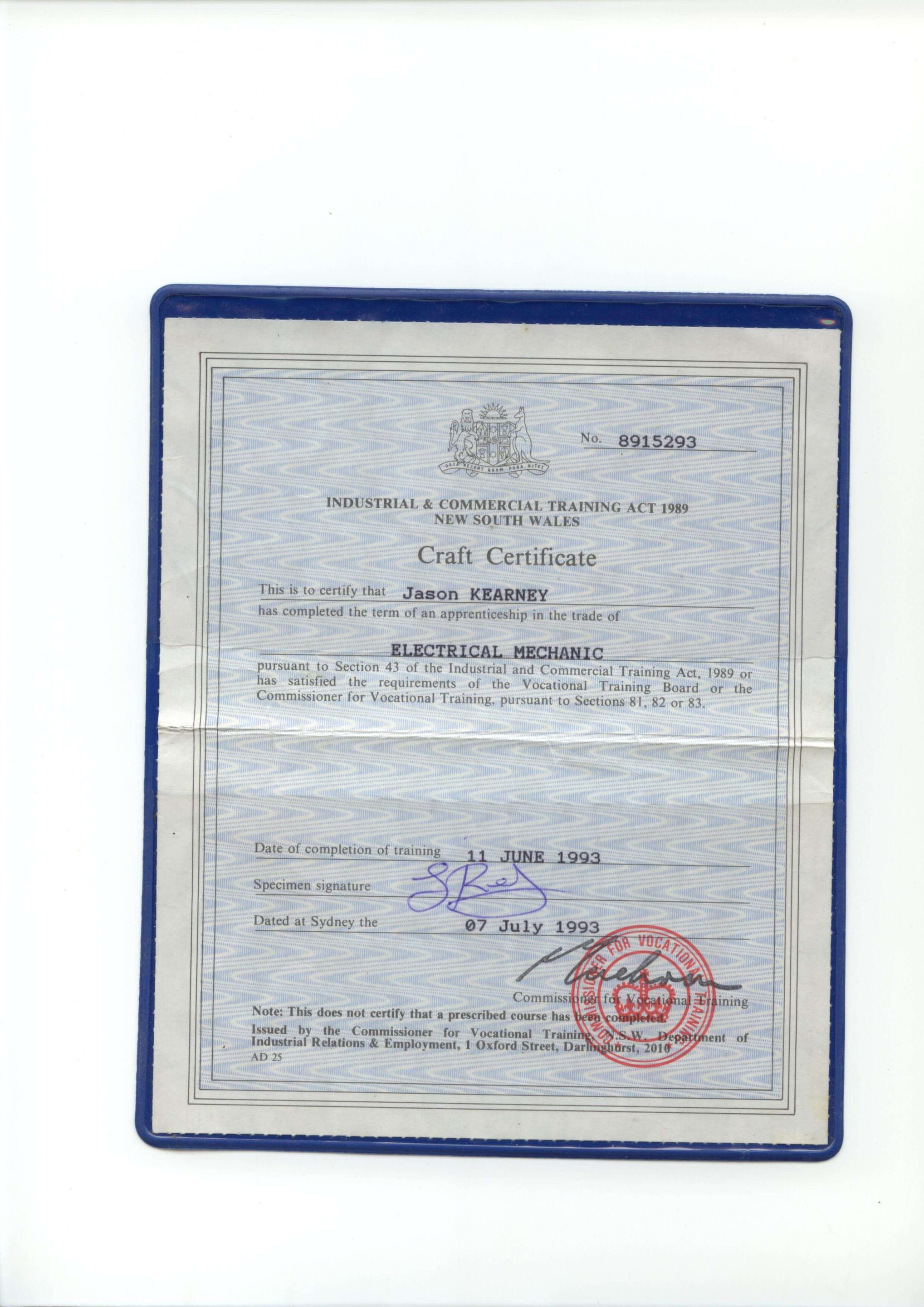
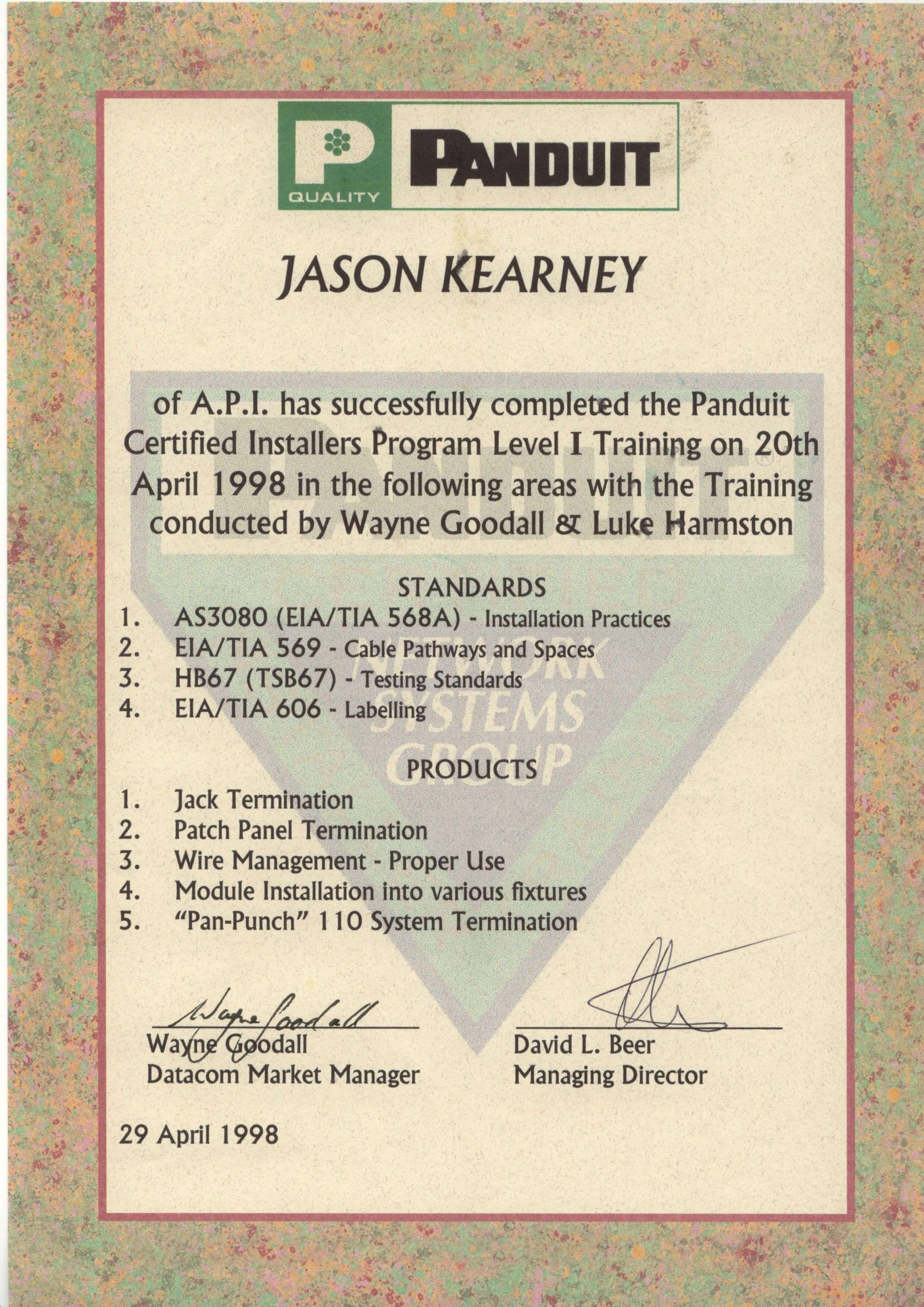
Secure A Com holds every licence and certification required to legally work on NBN and telecommunications infrastructure in Australia. Our master technicians are fully registered with ASIAL, an official national cabling registrar accredited by the Australian Communications and Media Authority (ACMA). When you book with us, you're engaging a properly registered cabler — not an unlicensed contractor. Click any certificate to view it in full.

JASON KEARNEY
Founder Jason Kearney is an Open Registered Cabler with 29 years of industry experience. In 1997, he was a manager for one of the first private contracting companies to work in the Telstra network following privatisation, leading the landmark CAN 2000 Project. Since establishing SECURE A COM in 2008, Jason has provided Sydney with independent, expert fault diagnosis and telecommunications solutions.




WHAT SYDNEY CUSTOMERS SAY


COMPANIES WE'VE WORKED FOR
From national banks to fast food chains — Sydney's biggest organisations trust us with their telecommunications infrastructure.


NBN · Data Cabling · Fibre · WiFi · Network Infrastructure











COMMON QUESTIONS ABOUT OUR FOREST DISTRICT SERVICE
Answers to the most common questions we receive from Forest District residents about internet fault diagnosis, bridge tap removal, lead-in cable repairs, and NBN technician services across Frenchs Forest, Belrose, Davidson, Terrey Hills, and surrounding areas.
FOREST DISTRICT'S INTERNET TECHNICIAN.
LET'S FIX IT TODAY.
Book an independent, Open Registered Cabler internet technician for your Forest District home. We attend on-site with professional test equipment, diagnose FTTN bridge taps, lead-in cable faults, and rain-correlated dropout causes — 90% resolved in a single visit across Frenchs Forest, Belrose, Davidson, Terrey Hills, and surrounding suburbs.
Mon–Fri · FTTN, FTTC, HFC & Fixed Wireless All Serviced · Forest District's Independent Internet Technician