
INTERNET
TECHNICIAN
HAWKESBURY
FTTN, FIXED WIRELESS & HFC.
WINDSOR TO RICHMOND.
An internet technician from SECURE A COM diagnoses NBN faults across the Hawkesbury — Windsor, Richmond, South Windsor, McGraths Hill, Bligh Park, North Richmond, Pitt Town, Wilberforce, and surrounding suburbs and rural areas. We specialise in FTTN bridge tap removal in Hawkesbury's post-war and 1960s–70s housing stock, where long copper runs from FTTN nodes compound bridge tap attenuation to produce internet speeds well below plan rate — a fault pattern ISPs in this area consistently misdiagnose as "acceptable for your connection distance." An Open Registered Cabler (A10089) attends on-site, with 90% of faults resolved in a single visit.
WHY HAWKESBURY INTERNET FAULTS GO UNFIXED
The Hawkesbury is one of the oldest settled areas in Australia, and its telephone infrastructure reflects that history. Windsor and Richmond were wired for telephone service decades before any other technology was considered — and that original wiring, designed for voice calls, now carries VDSL2 NBN signals it was never designed to handle. Compounding this, the Hawkesbury's semi-rural geography means longer copper runs from FTTN nodes than anywhere else in Greater Sydney, and its rural properties use Fixed Wireless NBN that ISPs rarely know how to properly diagnose. Here's why so many Hawkesbury internet faults go unresolved for months.
FTTN Bridge Taps Combined with Long Copper Runs — The Double Penalty in Windsor and Richmond Post-War Housing
Windsor and Richmond house owners on FTTN NBN face a fault combination that ISPs systematically misattribute entirely to node distance. The Hawkesbury's semi-rural geography means FTTN nodes typically serve larger coverage areas than inner-city installations, resulting in node-to-premises copper run distances of 600–1100 metres for many Windsor and Richmond houses. At these distances, VDSL2 attenuation from copper length alone significantly reduces your available plan speed — this is the component ISPs describe as "normal for your connection distance." However, the post-war and 1960s–70s housing stock throughout Windsor, South Windsor, Richmond, and McGraths Hill is wired with three, four, or five telephone extension sockets per property: bedrooms, hallways, lounges, and kitchens. Each inactive socket wired in parallel on the copper pair is a bridge tap — an additional impedance load that compounds the distance attenuation. The ISP uses node distance as a complete explanation, when bridge tap attenuation is an entirely avoidable additional component that we remove on-site with TDR testing and junction isolation. A Windsor house with three bridge taps and an 800m copper run may gain 10–14 Mbps on a 25 Mbps plan after bridge tap isolation alone.
ISP Scope Ends at the FTTN Node — Premises Copper Pair in Hawkesbury is Entirely Outside Their Remit
For FTTN connections — which serve the majority of Windsor, Richmond, South Windsor, McGraths Hill, Bligh Park, North Richmond, and Pitt Town houses — the ISP's contractual responsibility ends at the FTTN node on your street. The copper pair running from that node through your lead-in cable to your wall socket is classified as the customer's infrastructure and sits entirely outside ISP scope. ISP technicians confirm the node is syncing, check modem connection status at the wall, and close the ticket if the NTD status looks acceptable from the network side. They will not carry TDR equipment, will not measure insulation resistance on the lead-in cable, and cannot locate or isolate bridge taps on the copper pair. For Hawkesbury customers specifically, the ISP frequently closes the ticket with "operating within parameters for your node distance" — using distance as the explanation for all speed degradation, when bridge tap attenuation is an additional avoidable component they have never tested for. This is the most common reason Hawkesbury FTTN faults remain unresolved: the ISP provides a partial explanation (distance) and considers the case closed, while the primary fixable cause (bridge taps) goes undetected.
Fixed Wireless NBN Faults on Rural Properties — Vegetation Growth and Tower Line-of-Sight Issues
The Hawkesbury's outer rural areas — Kurrajong, Kurmond, Glossodia, Wilberforce, Agnes Banks, Oakville, Londonderry, and the ranges above — are predominantly served by Fixed Wireless NBN rather than FTTN. Fixed Wireless relies on a clear line-of-sight radio path between the outdoor antenna on your roof and the NBN Fixed Wireless tower. This technology works well when first installed — but the Hawkesbury's vegetation grows. Trees that were below the antenna height at installation time grow to obscure the path over months or years. Eucalyptus, angophora, and broad-leaved species in the Hawkesbury ranges can add 2–4 metres per year. A signal path that was clear in 2020 may now have a tree crown intersecting it. Signal degradation from vegetation is gradual and intermittent — it often gets worse in wet weather as leaves hold moisture, recovers partially in dry periods, and progressively worsens over time. ISPs cannot assess line-of-sight from their systems — they see the NTD signal level without knowing whether it has degraded from its original installation baseline. We attend on-site with signal strength meters, assess the current path, identify obstructions, and advise whether antenna repositioning or tower diversity is the solution.
Overhead Dropwire Faults — Exposed Aerial Cable Runs Throughout Semi-Rural Hawkesbury
Much of the Hawkesbury's telephone infrastructure runs on overhead dropwire — the aerial cable strung between poles from the street to a house entry point — rather than underground conduit. Overhead dropwire installations are common in the semi-rural areas around Windsor, Wilberforce, Pitt Town, Oakville, and the outer townships. Overhead cable is exposed to UV degradation, mechanical stress from wind and temperature cycling, branch contact from overhanging trees, bird activity, and water ingress at the house entry point where the dropwire connects to the internal pair. UV degradation of the cable jacket reduces insulation resistance progressively over years, with symptoms that worsen in wet weather as water tracks along the degraded insulation. Physical contact from overhanging branches puts mechanical stress on the copper pair, which can introduce intermittent contacts that are difficult to reproduce during a remote diagnostic from the ISP. For FTTN connections delivered via overhead dropwire, these faults produce insulation resistance values that degrade VDSL2 sync margins and compound with any bridge taps already present. ISPs never assess overhead dropwire condition. We test insulation resistance at the entry point, identify the degraded cable section, and carry out the repair on-site.
Old Telephone Infrastructure in Windsor Town Centre — Legacy Wiring from Some of NSW's Oldest Telephone Installations
Windsor is one of Australia's oldest towns, established in 1810, and its telephone infrastructure reflects a history of incremental installation and extension over more than a century. The Windsor town centre and older residential streets around Thompson Square, Fitzgerald Street, Baker Street, and the surrounding precincts have telephone wiring that in some cases predates the NBN rollout by decades. Multiple generations of wiring modifications — extensions added, junction boxes installed, cable sections replaced piecemeal — have produced wiring that is technically functional for voice calls but introduces significant attenuation when the same pair is used for VDSL2 data. This can include: multiple unintentional bridge taps from abandoned junction modifications; high-resistance connections at corroded screw terminals in older junction boxes; cable sections with degraded insulation from age; and impedance mismatches where different-gauge copper sections have been joined at various points along the pair. No ISP technician has ever traced the full cable path in a Windsor heritage property back to the street entry. We attend on-site with professional test equipment and locate the specific fault, not just the symptom.
Rural Property Internal Cable Faults — Long Driveway Runs and Acreage Internet Wiring Across Hawkesbury Hobby Farms
The Hawkesbury has a high concentration of acreage and hobby farm properties — rural residential allotments typically ranging from 1–10 hectares with houses set 50–300 metres back from the road. For FTTN connections on these properties, the telephone lead-in cable runs from the street entry point — often at a gate or boundary post — along the driveway or property boundary to the house. These extended internal cable runs introduce specific fault types: UV degradation of cable buried in shallow trenches or clipped to fence lines rather than properly conduit-protected; water ingress at unprotected cable entry points; corrosion at outdoor junction boxes where driveway runs are joined; and impedance mismatches where temporary or inappropriately rated cable has been used for sections of the run. For Fixed Wireless properties on acreage, the cable run from the outdoor antenna on the roof to the NTD inside the house may be incorrectly installed, too long, or degraded. ISPs assign fault to the network boundary — which for a rural property is typically at the road — and will not investigate internal property wiring. We trace the full cable path from the street connection to the wall socket, locate the fault, and repair it on-site.
YOUR INDEPENDENT INTERNET TECHNICIAN —
SERVICING ALL HAWKESBURY
SECURE A COM is an independent, Open Registered Cabler (A10089) based in Miranda, Sutherland Shire — approximately 70–80 minutes from Windsor and Richmond. We attend on-site with professional test equipment: TDR for bridge tap location, VDSL2 analysers, insulation resistance testers, Fixed Wireless signal strength meters, and cable testers. FTTN bridge tap isolation in Windsor and Richmond post-war houses; lead-in cable and overhead dropwire fault diagnosis in semi-rural Hawkesbury properties; Fixed Wireless NBN antenna assessment and signal path diagnosis on outer Hawkesbury rural properties; and rural acreage cable path tracing and repair. We arrive on-site, find the physical fault the ISP has never tested for, and fix it.
Book a Hawkesbury TechnicianWATCH US EXPOSE THE REAL FAULT
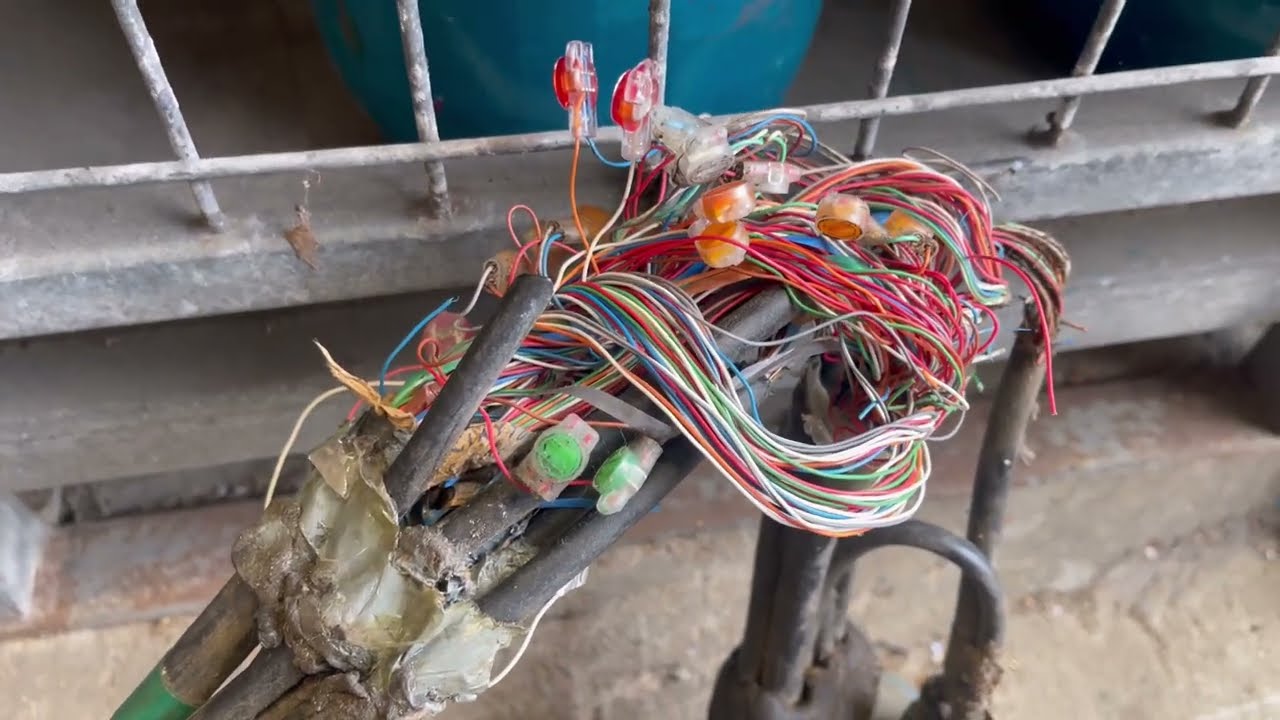
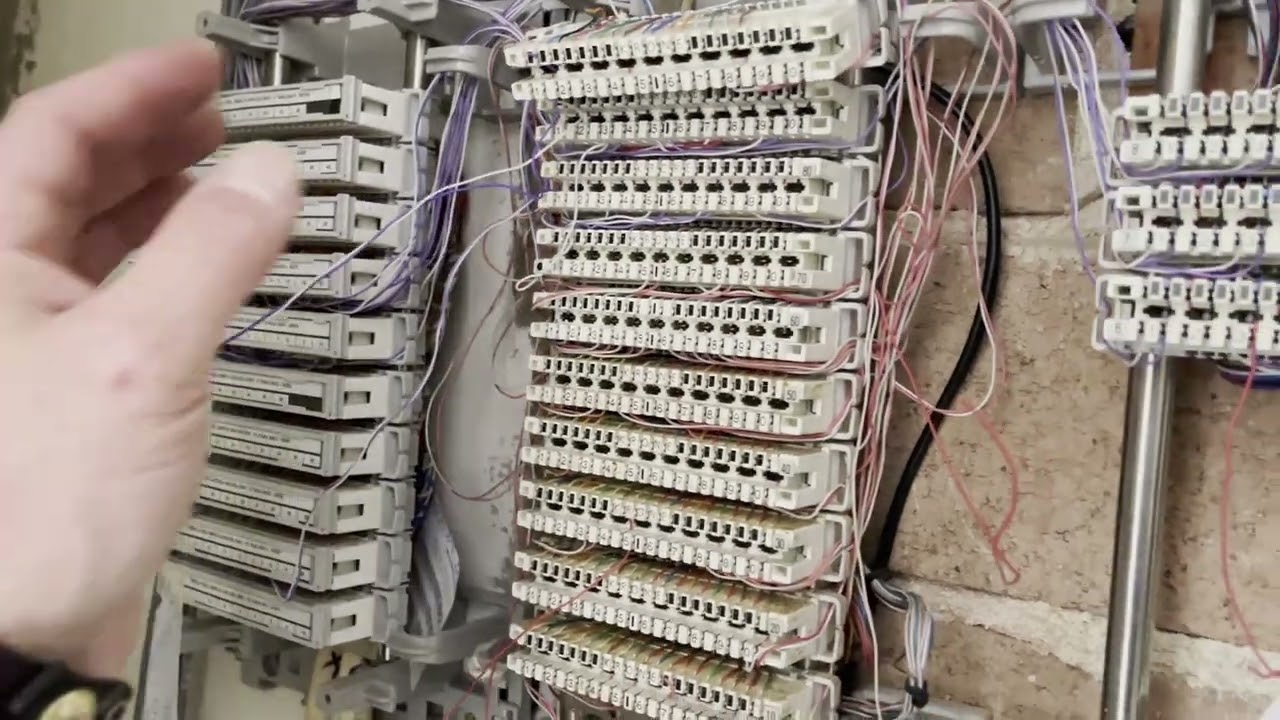
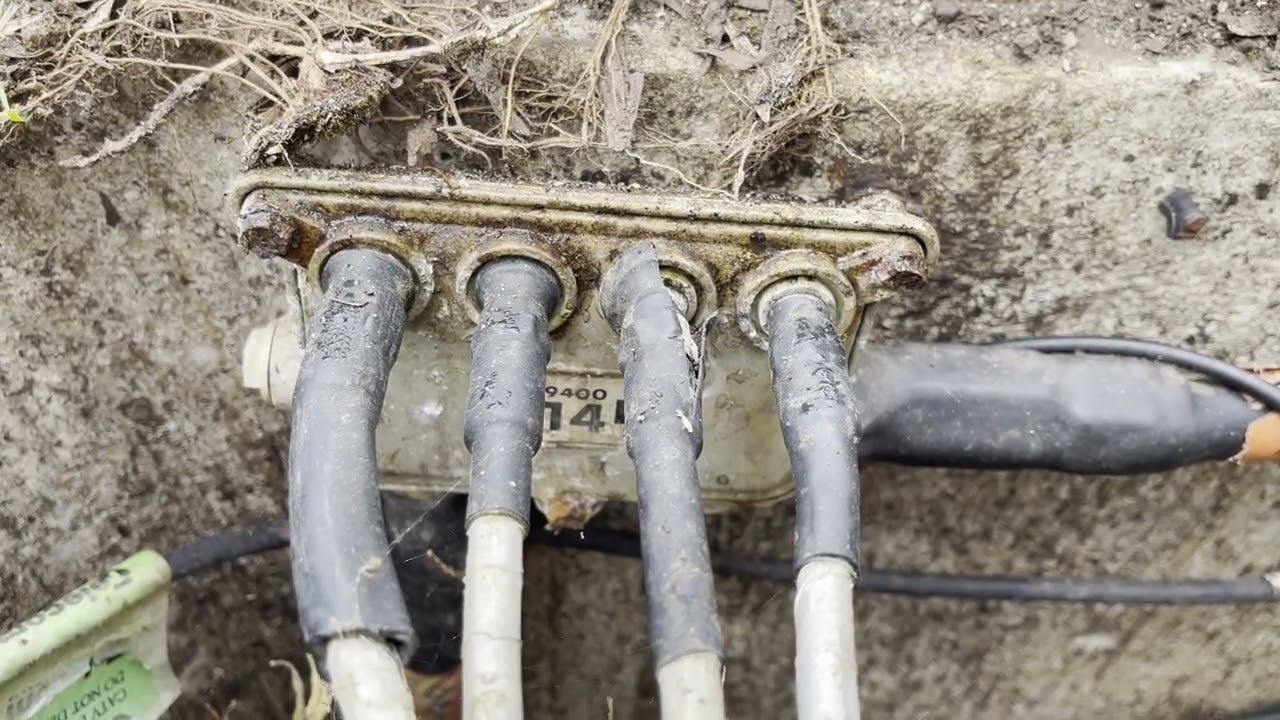
These aren't staged demos. Every video is a real Sydney job where we were called in after the ISP said nothing was wrong — and found exactly what they missed. Watch the full diagnostic process, on camera.
INTERNET & TELECOM SERVICES
From FTTN bridge tap isolation in Windsor and Richmond post-war houses to Fixed Wireless NBN signal path diagnosis on outer Hawkesbury rural properties and overhead dropwire fault repair in semi-rural Hawkesbury — SECURE A COM provides licensed, on-site internet technician services across the Hawkesbury LGA. Windsor, Richmond, South Windsor, McGraths Hill, Bligh Park, North Richmond, Pitt Town, Wilberforce, Kurrajong, and all surrounding areas serviced.
Internet Technician NSW (All Locations)
View the full NSW internet technician page — covering Greater Sydney and state-wide locations. Fault diagnosis, FTTN bridge tap removal, Fixed Wireless NBN signal assessment, and on-site internet repairs wherever you are in New South Wales.
View NSW internet technician serviceNBN Fault Repair Hawkesbury
FTTN bridge tap isolation in Windsor and Richmond post-war houses; overhead dropwire fault diagnosis in semi-rural Hawkesbury; Fixed Wireless signal path assessment in Kurrajong, Wilberforce, and outer areas; lead-in cable repair and rural acreage cable path tracing. All faults diagnosed and repaired on-site within the same service call.
NBN fault repair servicesInternet Fault Finding Hawkesbury
Slow internet, dropouts, intermittent connection, or speeds consistently below plan rate across Windsor, Richmond, South Windsor, McGraths Hill, Bligh Park, North Richmond, Pitt Town, Wilberforce, Kurrajong, and surrounding areas. Our fault finding service identifies the physical cause — FTTN, Fixed Wireless, HFC, and FTTC connections all tested on-site with professional equipment.
Internet fault finding servicesPrivate NBN Technician
ISP tells you slow speeds in Windsor or Richmond are "normal for your connection distance" — but your Hawkesbury internet is still well below plan rate. Our independent private NBN technicians investigate what ISPs cannot: FTTN bridge taps in post-war Hawkesbury houses, overhead dropwire degradation, Fixed Wireless signal path obstruction on rural properties, and rural acreage cable faults across all Hawkesbury.
Hire a private NBN technicianPhone Line Repair Hawkesbury
Crackling landline, no dial tone, or VoIP faults on your NBN phone service across Hawkesbury. We diagnose and repair copper phone line faults at Windsor, Richmond, South Windsor, McGraths Hill, Bligh Park, North Richmond, Pitt Town, Wilberforce, and surrounding properties. Legacy telephone wiring in Windsor heritage properties presents specific fault patterns we test for on-site.
Phone line repair servicesWiFi Solutions Hawkesbury
After fixing the physical line fault, Wi-Fi dead zones in larger Hawkesbury homes and on rural properties are a separate problem. Brick and weatherboard Hawkesbury houses with multiple rooms, and acreage properties with outbuildings, often need wired access points rather than a single modem in one location. We assess and implement wireless coverage solutions — mesh Wi-Fi or wired access points — across all Hawkesbury property types.
Fix WiFi coverage problemsData Cabling Hawkesbury
Once a line fault is resolved, many Hawkesbury homes benefit from a Cat 6 data cabling installation — hardwired Ethernet points throughout the house rather than relying on Wi-Fi from a single modem. Particularly useful in larger Hawkesbury weatherboard and brick homes with multiple rooms, and in rural properties where a properly terminated cable run to a shed or secondary building is preferable to wireless. We install Cat 6 data outlets across all Hawkesbury.
Data cabling installationMDF Jumpering Hawkesbury
Apartment buildings in the Hawkesbury area, particularly in Richmond and Windsor town centres, may have MDF infrastructure in their comms rooms where incorrect pair assignments or corroded Krone IDC blocks cause unexplained internet faults. We access building comms rooms, test and repair MDF pair assignments, and trace faults from the building MDF through to the affected unit — all within the same service call.
MDF jumpering servicesFROM YOUR FIRST CALL TO FIXED — ACROSS HAWKESBURY
Here's exactly what happens when you book an internet technician with SECURE A COM in the Hawkesbury. We travel from our Miranda base — approximately 70–80 minutes to Windsor and Richmond — arrive on-site with professional test equipment, and diagnose FTTN, Fixed Wireless, HFC, and FTTC faults across all Hawkesbury locations. Most faults resolved on the same visit.
Book Online — Tell Us Your Connection Type, Suburb, and Whether Your Property Is on Acreage or Has Overhead Dropwire
Call us on 02 9188 1577 or use the online booking form. Tell us your NBN type if you know it (FTTN, Fixed Wireless, HFC, or FTTC), your Hawkesbury suburb, and what's happening — slow speeds, dropouts, or intermittent connection. A few pieces of information help us prepare the right equipment: if you're on acreage and the modem point is some distance from your road boundary, we may need to trace a longer internal cable path. If you've noticed the fault worsens in wet weather, this is a strong indicator of insulation resistance degradation in an overhead dropwire or lead-in cable. If you're on Fixed Wireless and speeds have gradually worsened over the past year, vegetation obstruction is the most likely cause. The Hawkesbury has very distinctive fault profiles: FTTN bridge tap + long copper run faults dominate Windsor and Richmond post-war houses, while Fixed Wireless faults are common in the outer townships and ranges. You don't need technical knowledge — describe what's happening and your suburb and we'll advise likely causes before arrival.
We Confirm Your Appointment — Specific Arrival Window for Hawkesbury
We confirm a specific arrival window — not a vague half-day block. Hawkesbury is our most northwesterly service area from our Miranda base, and travel times reflect this: Windsor and South Windsor are approximately 70–75 minutes, Richmond and North Richmond approximately 75–80 minutes, McGraths Hill and Bligh Park approximately 65–70 minutes, Pitt Town and Wilberforce approximately 75–85 minutes, and outer areas including Kurrajong approximately 85–95 minutes. We factor in Hawkesbury traffic patterns — the Windsor Road and Richmond Road corridors from Baulkham Hills have predictable congestion that we account for when scheduling morning appointments. We'll advise what access arrangements to have ready: for acreage properties, access to the driveway entry and the path the cable follows from the road; for Fixed Wireless properties, access to the roof space or the antenna mounting point; for overhead dropwire properties, access to the external entry point where the dropwire connects to the house.
On-Site Fault Diagnosis — TDR Bridge Tap Scan, Insulation Resistance Testing, Fixed Wireless Signal Assessment
We arrive with a full set of professional test equipment and carry out a systematic on-site diagnosis tailored to Hawkesbury's specific fault profile. For FTTN connections in Windsor and Richmond houses — the most common scenario — we start with a line speed and attenuation measurement at the wall socket, then use TDR scanning to locate every bridge tap on the copper pair. In Hawkesbury houses, the combination of long node distance and bridge taps is the defining feature: we measure both the distance attenuation component (fixed — determined by geography) and the bridge tap attenuation component (removable — determined by how many extension sockets are wired in parallel). We provide an exact distance reading for each bridge tap location so we can isolate them precisely. For overhead dropwire or lead-in cable faults — common on semi-rural Hawkesbury properties — we test insulation resistance at the external entry point and along the cable path to identify where degradation has occurred. For Fixed Wireless NBN on outer Hawkesbury rural properties, we use a signal strength meter to measure the current received power level from the tower and compare this to what should be achievable from your tower and antenna type, identifying signal degradation from vegetation or antenna misalignment. For acreage properties, we trace the full cable path from the road boundary through any driveway run to the house entry. This is on-site physical testing your ISP has never performed.
Repair Carried Out On-Site — Same Visit
In 90% of cases we carry out the repair on the same visit. For FTTN houses in Windsor, Richmond, South Windsor, McGraths Hill, and Bligh Park, bridge tap isolation means disconnecting each inactive phone extension socket from the copper pair at the wiring junction point inside the wall — the socket remains in place, it is simply disconnected from the copper pair and the junction correctly terminated. For overhead dropwire faults on semi-rural Hawkesbury properties where the cable jacket has UV-degraded at the entry point, we repair or replace the entry conduit seal and test insulation resistance to confirm the degraded section has been eliminated. For acreage properties with a long driveway cable run that has developed a fault at a poorly made outdoor junction or at an entry gland, we repair the junction or replace the damaged section with properly rated outdoor cable correctly terminated at both ends. For Fixed Wireless NBN properties where the antenna alignment has drifted or vegetation has grown into the signal path, we assess and advise on antenna repositioning or the optimal solution — and where antenna repositioning is within our scope we carry it out on the same visit. Where the fault is confirmed as a network-side issue, we provide written documentation for an ISP escalation that they cannot ignore.
Speed Verified, Results Explained, 12-Month Guarantee Issued
Before we leave, we re-test your connection speed at the wall socket or modem and confirm the fault is resolved. We walk you through what we found and what was done — in plain language, no jargon. For FTTN bridge tap faults in Windsor or Richmond houses, we show you the before-and-after speed readings and explain clearly what the bridge tap component was versus the unavoidable distance component. You receive a 12-month workmanship guarantee on all repairs. If the same fault recurs within 12 months due to our workmanship, we return at no additional charge. For acreage and rural properties we confirm speed at the modem location and, where relevant, at the point of use if the property has an extended internal cable run to an outbuilding. Full terms at secureacom.com.au/terms-conditions
Based in Sutherland Shire — We Travel to Hawkesbury Regularly
SECURE A COM is headquartered in Miranda, Sutherland Shire. Hawkesbury is approximately 70–80 minutes from our base depending on suburb and traffic — McGraths Hill and Bligh Park are typically 65–70 minutes, Windsor and South Windsor approximately 70–75 minutes, Richmond and North Richmond approximately 75–80 minutes, Pitt Town and Wilberforce approximately 75–85 minutes, and outer rural areas including Kurrajong and Kurmond approximately 85–95 minutes. We created this page because we service Hawkesbury regularly — the combination of FTTN bridge tap faults and long copper runs in Windsor and Richmond post-war housing is a fault pattern we see frequently across Greater Sydney's semi-rural fringe, and very few independent licensed technicians travel to this area. Windsor and Richmond suburbs are within our standard Greater Sydney service area — no travel surcharge applies for these locations. Outer rural Hawkesbury areas beyond the standard service boundary may incur a small travel surcharge — see our Terms & Conditions for full service area and travel charge details.
// Ready to book your on-site Hawkesbury diagnosis?
Book a Hawkesbury Internet Technician Mon–Fri · FTTN, Fixed Wireless, HFC & FTTC Serviced · 90% Fixed Same VisitONE PRICE. NO SURPRISES.
One fixed rate covers your full on-site diagnostic and repair across Hawkesbury — Windsor, Richmond, South Windsor, McGraths Hill, Bligh Park, North Richmond, Pitt Town, and surrounding areas. No travel surcharge for Windsor and Richmond suburbs within our standard Greater Sydney service area.
One hour on-site with a licensed Open Registered Cabler. Full fault diagnosis and on-site repair where possible. No travel surcharge for Windsor, Richmond, South Windsor, McGraths Hill, Bligh Park, North Richmond, and Pitt Town suburbs.
COMMON PRICING QUESTIONS
LICENSED. CERTIFIED. ACCOUNTABLE.
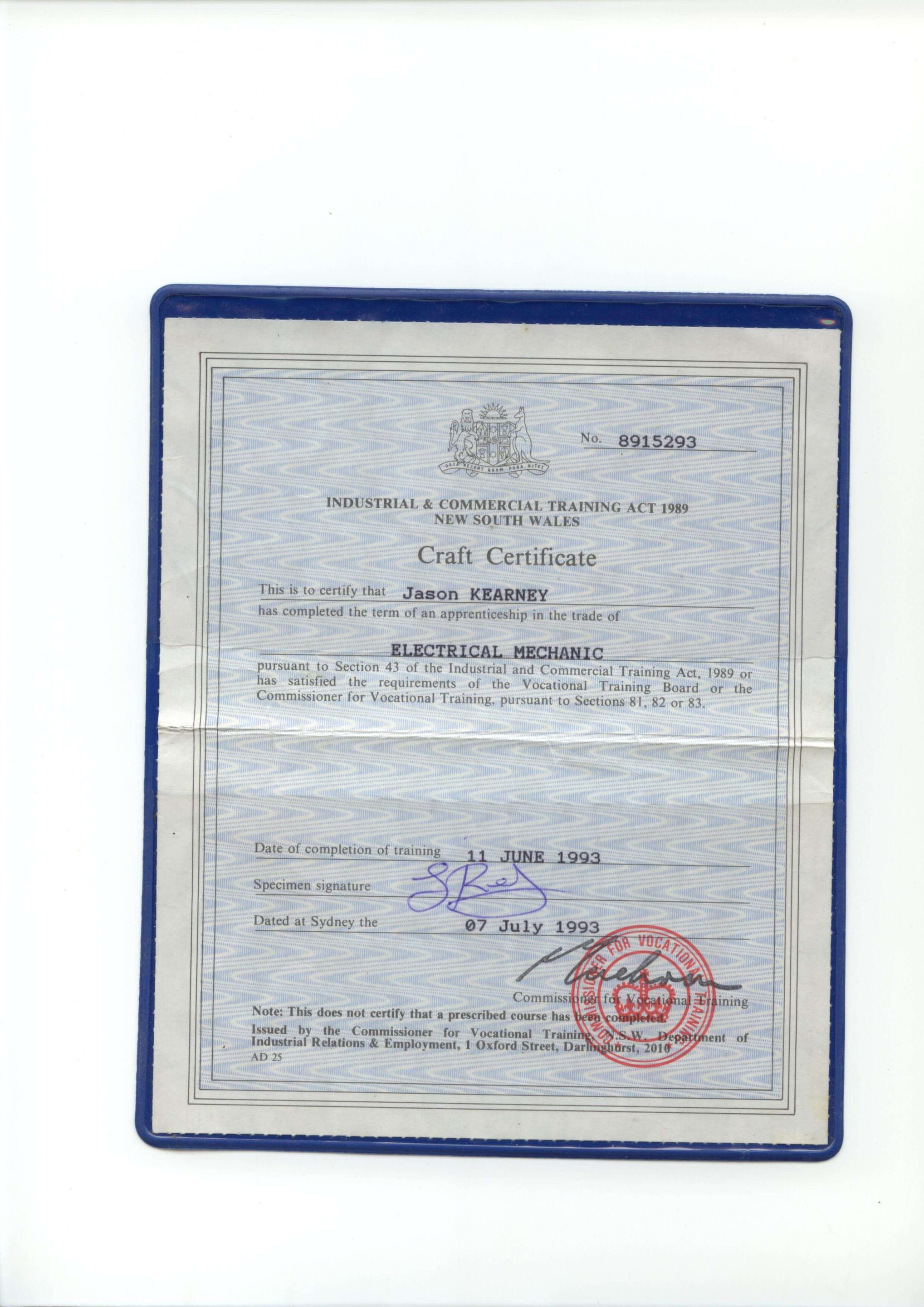
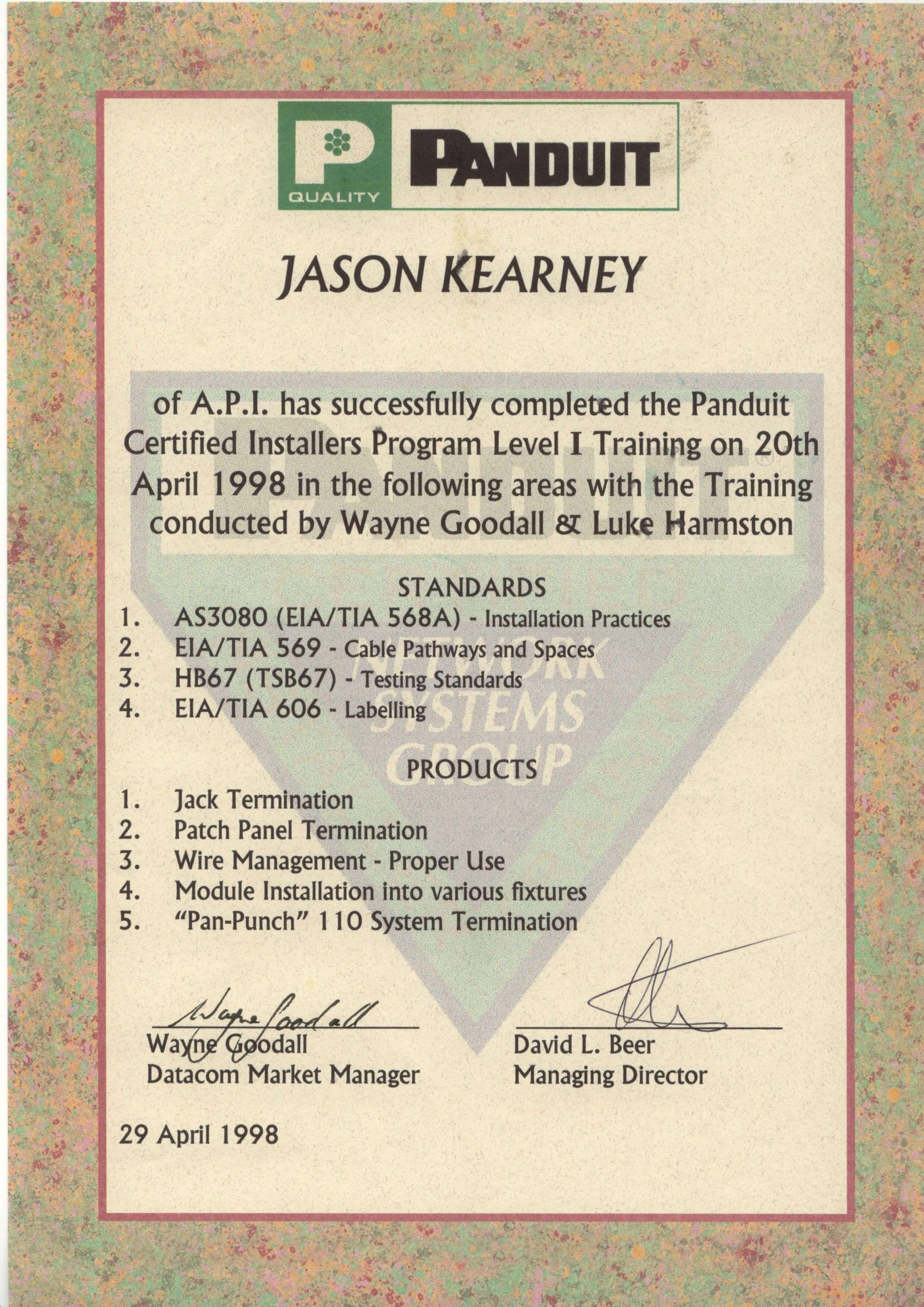
Secure A Com holds every licence and certification required to legally work on NBN and telecommunications infrastructure in Australia. Our master technicians are fully registered with ASIAL, an official national cabling registrar accredited by the Australian Communications and Media Authority (ACMA). When you book with us, you're engaging a properly registered cabler — not an unlicensed contractor. Click any certificate to view it in full.

JASON KEARNEY
Founder Jason Kearney is an Open Registered Cabler with 29 years of industry experience. In 1997, he was a manager for one of the first private contracting companies to work in the Telstra network following privatisation, leading the landmark CAN 2000 Project. Since establishing SECURE A COM in 2008, Jason has provided Sydney with independent, expert fault diagnosis and telecommunications solutions.




WHAT SYDNEY CUSTOMERS SAY


COMPANIES WE'VE WORKED FOR
From national banks to fast food chains — Sydney's biggest organisations trust us with their telecommunications infrastructure.


NBN · Data Cabling · Fibre · WiFi · Network Infrastructure











COMMON QUESTIONS ABOUT OUR HAWKESBURY SERVICE
Questions from Hawkesbury residents about internet fault diagnosis, FTTN bridge tap faults in Windsor and Richmond houses, Fixed Wireless NBN on rural properties, and how an independent internet technician differs from what your ISP provides.
HAWKESBURY'S
INTERNET TECHNICIAN.
LET'S FIX IT TODAY.
Bridge taps in your Windsor or Richmond house compounding a long copper run. An overhead dropwire fault on your semi-rural Hawkesbury property. Fixed Wireless signal degradation from vegetation on your outer Hawkesbury rural block. An acreage cable fault the ISP will never touch. We attend on-site across all Hawkesbury — $250 fixed, 90% resolved same visit, 12-month workmanship guarantee.