
INTERNET
TECHNICIAN
THE HILLS
FTTC, FTTN & FTTP.
CASTLE HILL TO KELLYVILLE.
An internet technician from SECURE A COM diagnoses and repairs NBN faults across The Hills District — Castle Hill, Baulkham Hills, Kellyville, Rouse Hill, Norwest, Bella Vista, Winston Hills, North Rocks, and surrounding suburbs. FTTC pit connector faults and DPU sync errors are the defining fault pattern in The Hills, where the early FTTC rollout means thousands of properties now have ageing copper pit connections the ISP will not investigate. An Open Registered Cabler (A10089) attends on-site, with 90% of faults resolved in a single visit.
WHY HILLS DISTRICT INTERNET FAULTS GO UNFIXED
The Hills District was one of Sydney's earliest FTTC rollout areas, which means thousands of properties now have FTTC pit connections installed in 2018–2021 that are approaching their first significant failure cycle. Pit connectors that were sealed and serviceable at installation have been sitting in sub-surface pits exposed to moisture, clay expansion, and seasonal temperature shifts — and ISPs have no system to proactively monitor the copper pit between the DPU and your premises. Combined with a substantial stock of 1970s–80s houses in Baulkham Hills, Winston Hills, and North Rocks where bridge taps still affect FTTN speeds, The Hills has a fault profile that ISPs consistently fail to resolve. Here's why.
FTTC Pit Connector Corrosion — The Defining Fault Pattern Across Castle Hill and Baulkham Hills
FTTC (Fibre to the Curb) is the dominant NBN technology across the established residential areas of Castle Hill, Baulkham Hills, Kellyville, North Rocks, Winston Hills, and Carlingford. In an FTTC connection, fibre runs from the exchange to a small Distribution Point Unit (DPU) housed in a pit on your street or footpath, and then a short copper pair runs from that DPU through a pit connector to the lead-in cable entering your house. This copper pit connector — typically a Krone IDC block or gel-filled connector inside the pit — is exposed to sub-surface moisture, clay soil movement during wet and dry cycles, and temperature variation. Over 4–6 years from the 2018–2021 Hills District rollout, corrosion develops on the copper contact surfaces inside the pit, increasing resistance on the pair. Increased resistance reduces the sync rate between the DPU and your premises NTD, producing speeds well below your plan rate and intermittent dropouts that worsen in wet weather when soil moisture increases. The ISP's remote diagnostic confirms the DPU is operating — but their visibility ends at the DPU output. They cannot see the resistance on the copper pit connector from their systems, and they will not physically attend the pit. We test resistance directly at the pit connector, confirm the fault, and re-terminate or replace the connector on-site in the same service call.
ISP Scope Ends at the DPU — The Copper Pit Between DPU and Premises is Entirely Outside Their Remit
For FTTC connections — which serve the majority of Castle Hill, Baulkham Hills, Kellyville, and North Rocks residential properties — the ISP's contractual responsibility ends at the DPU. The short copper pair that runs from the DPU pit through the pit connector to your house is customer infrastructure, and ISP technicians are not equipped, authorised, or required to open the pit and test it. In practice, Hills District ISP technicians confirm the DPU is syncing and may perform a speed test at the NTD, and if the result is "within acceptable range for FTTC" they close the ticket. This is the structural problem: "within acceptable range" can mean 18 Mbps on a 100 Mbps plan if the ISP's tolerance threshold is set loosely. The customer is then told their speed is normal for their connection type, when the actual cause — a corroded pit connector five metres from their front path — is entirely fixable in under an hour. SECURE A COM is an independent Open Registered Cabler (A10089) authorised to access and work on customer-side telecommunications infrastructure, including FTTC pit connectors. We bring resistance test equipment and replacement Krone IDC blocks and gel-sealed connectors to every Hills District service call.
FTTN Bridge Taps in Older Hills District Housing — Baulkham Hills, Winston Hills and North Rocks 1970s–80s Stock
Not all of The Hills District is FTTC. A significant portion of the older housing stock in Baulkham Hills, Winston Hills, North Rocks, Northmead, and the established residential streets of Castle Hill predating the mid-2000s developments is served by FTTN (Fibre to the Node), which uses the existing copper pair from a street-based FTTN node to your premises. These 1970s and 1980s houses were built with telephone extension sockets in every room — three, four, or five sockets per property — and each of these sockets, even if unused, is wired in parallel on the copper pair. This creates bridge taps: additional impedance loads that reduce the VDSL2 signal quality and produce speeds below plan rate. ISPs explain slow FTTN speeds as "normal for your connection distance from the node" without ever testing for bridge taps, which are an entirely removable additional contributor. In the Hills District's older housing stock, FTTN properties with three or more bridge taps commonly gain 8–15 Mbps on a 25 Mbps plan after bridge tap isolation — a significant improvement the ISP has never attempted. We use TDR scanning to locate every bridge tap on the copper pair and isolate them at the wiring junction inside the wall.
HFC Signal Degradation in Cherrybrook and West Pennant Hills — Ageing Coaxial Fittings
Cherrybrook, West Pennant Hills, and parts of Dural and Galston are served by HFC (Hybrid Fibre-Coaxial) NBN — the same coaxial cable network originally used for Optus and Telstra cable TV. HFC connections are generally fast and stable, but the internal coaxial wiring in these properties has specific failure modes that ISPs consistently misattribute to network congestion. Coaxial F-type connectors at the wall plate and behind-furniture cable connections oxidise over time, increasing signal loss. Properties that had the coaxial cable split internally — to serve a TV outlet and the NTD from a single wall entry — suffer additional signal loss from each splitter, which reduces the signal level reaching the NTD. Water ingress at the external cable entry point or in the coaxial conduit causes intermittent faults that worsen after rain. ISPs test HFC signal levels remotely from the node but cannot assess the condition of coaxial connectors, splitters, or cable runs inside your property. We attend on-site with a coaxial signal level meter, locate the degraded fitting or section, and replace it on the same visit.
FTTP NTD Cable Faults in New Kellyville Ridge, Rouse Hill and Box Hill Estates
The newer residential developments across The Hills — Kellyville Ridge, Box Hill, Rouse Hill, Beaumont Hills, and the Norwest business park precinct residential areas — are predominantly served by FTTP (Fibre to the Premises). FTTP is the fastest and most reliable NBN technology, but new-build properties in these estates have their own fault pattern: internal cabling installed during construction that was never tested properly. Common issues include an incorrectly routed or kinked fibre pigtail between the external fibre splice point and the NTD, an NTD mounted in a location with no nearby power outlet forcing a long power extension that trips during storms, excessive coiled fibre lead-in inside the wall cavity that introduces micro-bending loss, and poor-quality patch cables between the NTD and the Wi-Fi router that limit throughput. Builder's sparkies and NBN installation contractors are often unfamiliar with fibre handling requirements, and defects from the original installation may only manifest after months of use. We attend new-build Hills District properties, check the full path from the external fibre splice to the router, and identify and correct any installation defect on the same visit.
Internal Wiring Faults in Large Hills District Family Homes — Extended Cable Runs Across Single-Storey Floor Plans
The Hills District is characterised by large single-storey family homes on generous land parcels — particularly in Castle Hill, Baulkham Hills, and the established acreage pockets around Dural, Kenthurst, and Annangrove. These properties have internal telephone wiring runs that span much longer distances than a typical apartment or terrace house — 20–40 metre internal cable runs from the house entry to the master bedroom extension socket are not unusual in a 500–700 sqm single-storey Hills District home. At these distances, poorly terminated internal cable runs introduce measurable attenuation. High-resistance connections at daisy-chain junction points — where the cable splits from the living room socket to the study, then to the master bedroom — accumulate over the length of the run. In older Hills District homes that have undergone renovations, cable sections may have been re-routed through walls and reterminated by unlicensed tradespeople at screw terminal junction boxes rather than Krone IDC terminations, introducing additional resistance at each poorly made connection. For FTTC and FTTN connections, this internal wiring resistance compounds the pit connector or bridge tap fault, and the ISP diagnoses only the external symptom. We trace the full internal cable path from the house entry through every junction to the active wall socket.
YOUR INDEPENDENT INTERNET TECHNICIAN —
SERVICING ALL THE HILLS DISTRICT
SECURE A COM is an independent, Open Registered Cabler (A10089) based in Miranda, Sutherland Shire — approximately 50–60 minutes from Castle Hill and Baulkham Hills. We attend on-site with professional test equipment: resistance meters for FTTC pit connector testing, TDR for FTTN bridge tap location, VDSL2 analysers, coaxial signal level meters for HFC connections, and full FTTP NTD and internal cabling diagnostic capability. FTTC pit connector re-termination in Castle Hill and Baulkham Hills; FTTN bridge tap isolation in older Hills District housing stock; HFC coaxial connector replacement in Cherrybrook and West Pennant Hills; FTTP installation defect diagnosis in Kellyville Ridge, Rouse Hill, and Box Hill new estates; and full internal cable path tracing in large Hills District family homes. We arrive on-site, find the physical fault the ISP has never tested for, and fix it.
Book a Hills District TechnicianWATCH US EXPOSE THE REAL FAULT
These aren't staged demos. Every video is a real Sydney job where we were called in after the ISP said nothing was wrong — and found exactly what they missed. Watch the full diagnostic process, on camera.
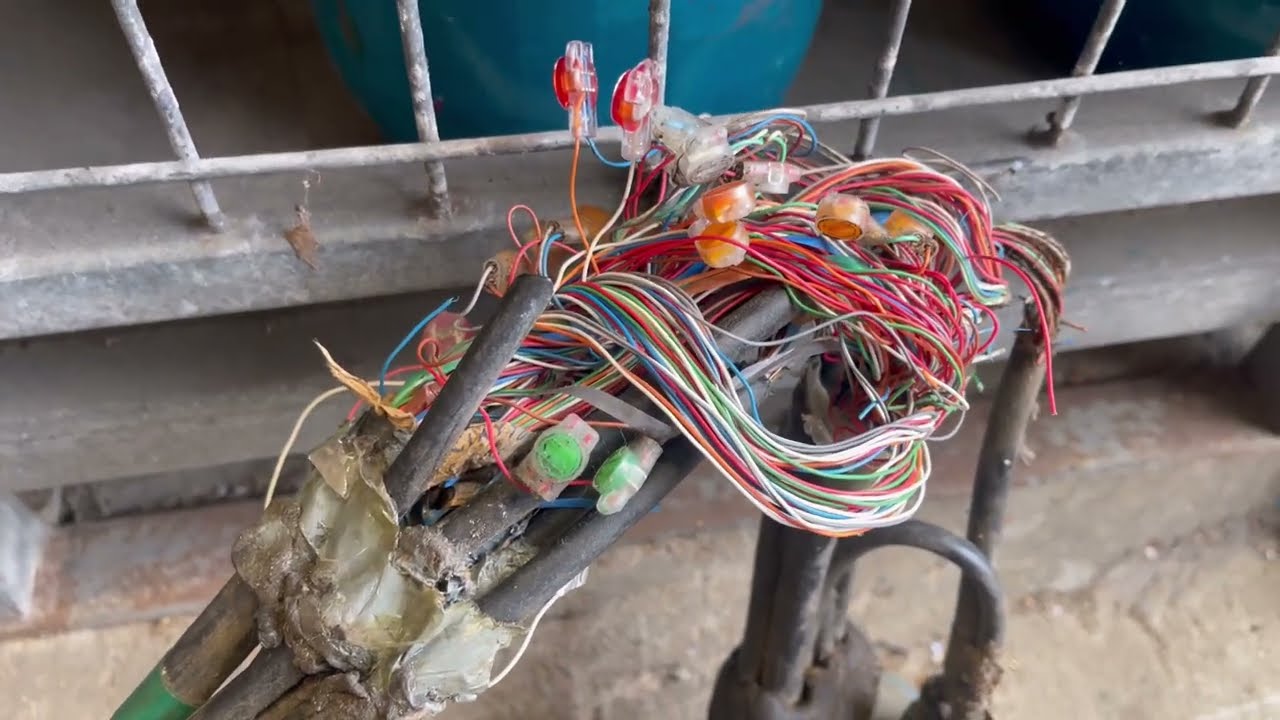
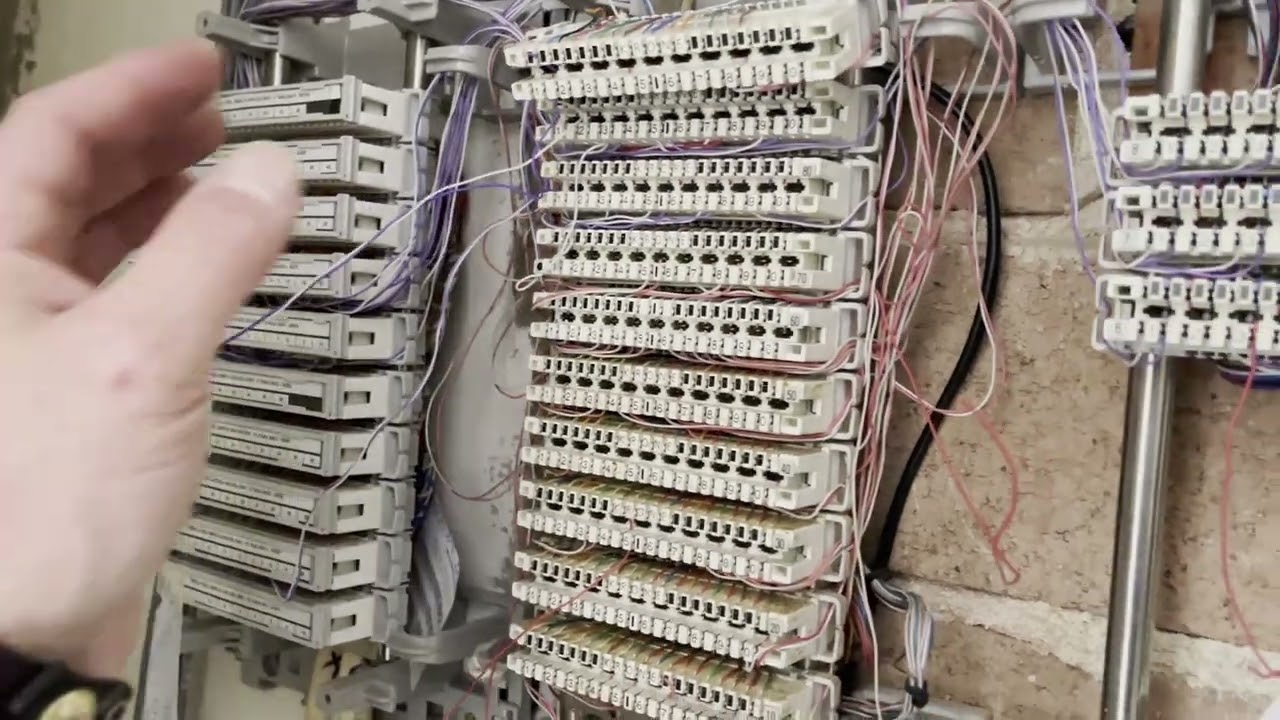
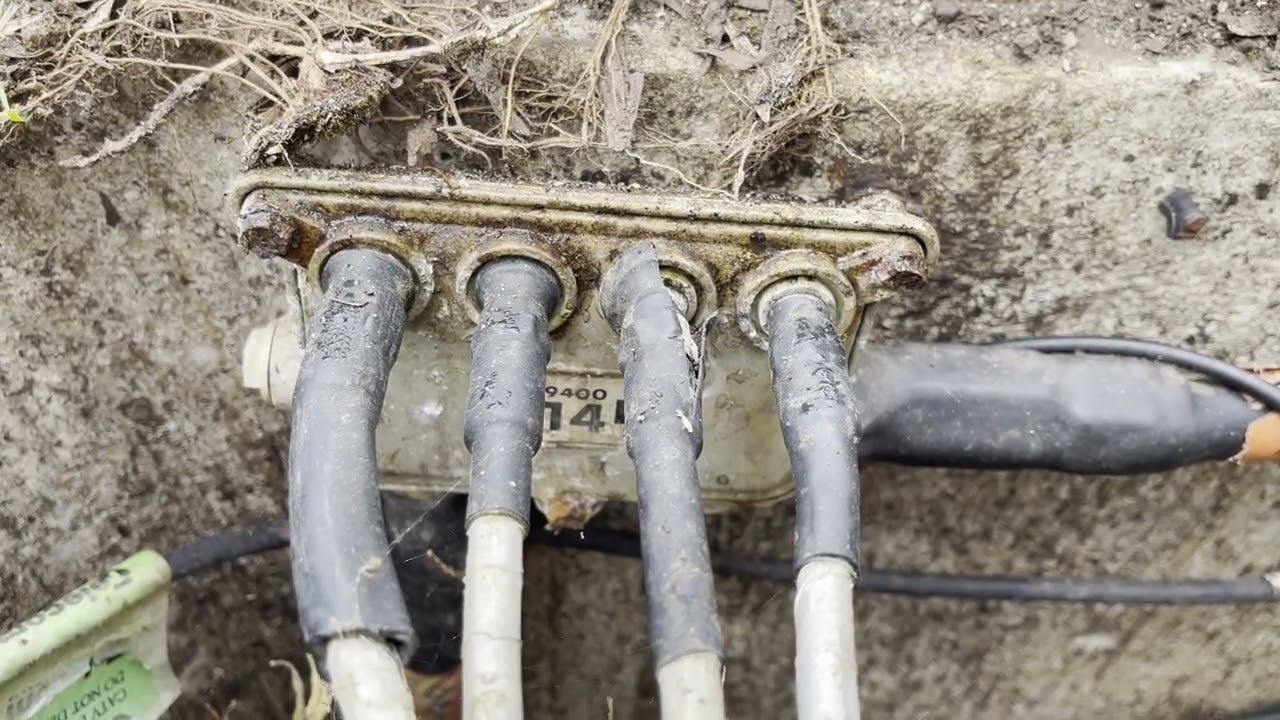
INTERNET & TELECOM SERVICES
From FTTC pit connector re-termination in Castle Hill and Baulkham Hills to FTTN bridge tap isolation in older Hills District housing and HFC coaxial fault diagnosis in Cherrybrook and West Pennant Hills — SECURE A COM provides licensed, on-site internet technician services across The Hills District. Castle Hill, Baulkham Hills, Kellyville, Rouse Hill, Norwest, Bella Vista, Winston Hills, North Rocks, Cherrybrook, West Pennant Hills, and all surrounding areas serviced.
Internet Technician NSW (All Locations)
View the full NSW internet technician page — covering Greater Sydney and state-wide locations. Fault diagnosis, FTTC pit connector testing, FTTN bridge tap removal, HFC and FTTP fault diagnosis, and on-site internet repairs wherever you are in New South Wales.
View NSW internet technician serviceNBN Fault Repair Hills District
FTTC pit connector re-termination in Castle Hill and Baulkham Hills; FTTN bridge tap isolation in older Hills District housing; HFC coaxial connector replacement in Cherrybrook and West Pennant Hills; FTTP NTD cable diagnosis in Kellyville Ridge and Rouse Hill. All faults diagnosed and repaired on-site within the same service call.
NBN fault repair servicesInternet Fault Finding Hills District
Slow internet, dropouts, intermittent connection, or speeds below plan rate across Castle Hill, Baulkham Hills, Kellyville, Rouse Hill, Norwest, Bella Vista, Winston Hills, North Rocks, Cherrybrook, West Pennant Hills, and surrounding areas. Our fault finding service identifies the physical cause — FTTC, FTTN, HFC, and FTTP connections all tested on-site.
Internet fault finding servicesPrivate NBN Technician
ISP says your FTTC DPU is syncing normally — but your Castle Hill or Baulkham Hills internet is still well below plan rate. Our independent private NBN technicians investigate what ISPs cannot: FTTC pit connector resistance, FTTN bridge taps in older Hills housing, HFC connector degradation in Cherrybrook, and FTTP installation defects across Hills new estates.
Hire a private NBN technicianPhone Line Repair Hills District
Crackling landline, no dial tone, or VoIP faults on your NBN phone service across The Hills District. We diagnose and repair copper phone line faults at Castle Hill, Baulkham Hills, Kellyville, Rouse Hill, Winston Hills, North Rocks, Cherrybrook, West Pennant Hills, and surrounding areas. FTTC and FTTN voice faults both diagnosed on-site.
Phone line repair servicesMDF Jumpering Hills District
Apartment buildings in Norwest, Bella Vista, Castle Hill town centre, and the Baulkham Hills unit precincts often have MDF infrastructure in their comms rooms where incorrect pair assignments or corroded Krone IDC blocks cause unexplained internet faults. We access building comms rooms, test and repair MDF pair assignments, and trace faults to the affected unit — all on the same visit.
MDF jumpering servicesWiFi Solutions Hills District
After resolving the physical line fault, Wi-Fi dead zones in large Hills District family homes are a separate problem. Single-storey homes on 600–900 sqm blocks in Castle Hill, Baulkham Hills, and North Rocks are too large for a single router to cover adequately. We assess and implement wireless coverage solutions — wired access points or mesh Wi-Fi — across all Hills District property types.
Fix WiFi coverage problemsData Cabling Hills District
Once a line fault is resolved, many Hills District homes benefit from a Cat 6 data cabling installation — hardwired Ethernet points throughout the house for gaming, home office, and streaming rather than relying on Wi-Fi from a single modem. Particularly valuable in larger single-storey Castle Hill, Baulkham Hills, and North Rocks homes where room distances make wireless coverage unreliable. We install Cat 6 data outlets across all Hills District.
Data cabling installationFROM YOUR FIRST CALL TO FIXED — ACROSS THE HILLS DISTRICT
Here's exactly what happens when you book an internet technician with SECURE A COM in The Hills District. We travel from our Miranda base — approximately 50–60 minutes to Castle Hill and Baulkham Hills — arrive on-site with professional test equipment, and diagnose FTTC, FTTN, HFC, and FTTP faults across all Hills District locations. Most faults resolved on the same visit.
Book Online — Tell Us Your Connection Type, Suburb, and What's Happening
Call us on 02 9188 1577 or use the online booking form. Tell us your NBN type if you know it (FTTC, FTTN, HFC, or FTTP), your Hills District suburb, and what's happening — slow speeds, dropouts, or intermittent connection. A few pieces of information help us prepare the right equipment. FTTC properties in Castle Hill and Baulkham Hills are the most common scenario — if your FTTC fault worsens after rain or in wet weather, this is a strong indicator of a pit connector corrosion fault rather than a network-side issue. If you're in Winston Hills, North Rocks, or an older Baulkham Hills house on FTTN and speeds are consistently below your plan rate regardless of weather, bridge taps from telephone extension sockets are the likely cause. If you're in Cherrybrook or West Pennant Hills on HFC and speeds are erratic, coaxial connector degradation or internal splitter signal loss is the most probable fault. You don't need technical knowledge — describe the symptom and your suburb and we'll advise the likely cause before we arrive.
We Confirm Your Appointment — Specific Arrival Window for The Hills District
We confirm a specific arrival window — not a vague half-day block. The Hills District is approximately 50–60 minutes from our Miranda base depending on suburb and traffic. Castle Hill, North Rocks, and Baulkham Hills via the M5 and M7 motorways are typically 50–55 minutes. Kellyville, Rouse Hill, and Beaumont Hills are approximately 55–60 minutes. Norwest, Bella Vista, and Winston Hills are approximately 45–55 minutes depending on traffic on the M2 and Windsor Road. Cherrybrook and West Pennant Hills via the M2 and Pennant Hills Road corridor are approximately 45–55 minutes. Outer areas including Dural, Kenthurst, and Annangrove are approximately 60–70 minutes. We factor in Hills District traffic patterns — the M2 and Windsor Road corridors have predictable peak-hour congestion — and advise the best scheduling for your suburb. We'll confirm what access is needed: for units and apartments in Norwest or Bella Vista, whether you can provide access to the building comms room; for houses, whether the external pit is accessible.
On-Site Fault Diagnosis — Pit Connector Resistance Test, TDR Bridge Tap Scan, HFC Signal Assessment
We arrive with a full set of professional test equipment and carry out a systematic on-site diagnosis tailored to The Hills District's specific fault profile. For FTTC connections in Castle Hill, Baulkham Hills, and Kellyville — the most common scenario — we start with a speed and NTD sync rate measurement inside the house, then physically open the FTTC pit on the footpath or driveway verge and test resistance on the copper pit connector directly. A corroded pit connector reads as elevated resistance (above 10 ohms is a concern; above 100 ohms is critical) that the ISP's remote diagnostics cannot detect. We then check the lead-in cable from the pit through the conduit into the house for any secondary fault points. For FTTN connections in older Hills District housing — Winston Hills, North Rocks, older Baulkham Hills streets — we use TDR scanning to locate every bridge tap on the copper pair, measure attenuation, and calculate the improvement achievable from bridge tap isolation. For HFC connections in Cherrybrook and West Pennant Hills, we test the coaxial signal level at the wall plate and at the NTD, identifying signal loss attributable to connector degradation or internal splitters. For FTTP properties in Kellyville Ridge, Rouse Hill, and Box Hill, we check the NTD-to-router connection, the internal fibre route, and the power supply for any installation defects.
Repair Carried Out On-Site — Same Visit
In 90% of cases we carry out the repair on the same visit. For FTTC properties in Castle Hill and Baulkham Hills, pit connector re-termination means replacing the corroded Krone IDC block or gel-sealed connector inside the pit with a new correctly sealed connector, then testing resistance to confirm the connection is restored and the pit is properly sealed against future moisture ingress. For FTTN houses in Winston Hills, North Rocks, and older Baulkham Hills, bridge tap isolation means disconnecting inactive phone extension sockets from the copper pair at the junction point inside the wall — the socket remains in place, it is simply removed from the copper pair and the junction correctly terminated. For HFC properties in Cherrybrook and West Pennant Hills, we replace degraded F-type connectors at the wall plate and any degraded internal splitters with correctly rated components and re-test signal levels to confirm they are within specification. For FTTP properties with installation defects in Kellyville Ridge or Rouse Hill, we correct the cable routing, replace poor-quality patch cables, and re-test NTD performance. Where a fault is confirmed as a network-side issue, we provide written documentation for an ISP escalation that they cannot ignore.
Speed Verified, Results Explained, 12-Month Guarantee Issued
Before we leave, we re-test your connection speed at the wall socket or NTD and confirm the fault is resolved. We walk you through what we found and what was done — in plain language, no jargon. For FTTC pit connector faults in Castle Hill or Baulkham Hills, we show the before-and-after speed readings and confirm the pit connector resistance is back within acceptable range. For FTTN bridge tap faults, we show the speed gain from bridge tap isolation versus the baseline. You receive a 12-month workmanship guarantee on all repairs. If the same fault recurs within 12 months due to our workmanship, we return at no additional charge. Full terms at secureacom.com.au/terms-conditions
Based in Sutherland Shire — We Travel to The Hills District Regularly
SECURE A COM is headquartered in Miranda, Sutherland Shire. The Hills District is approximately 50–60 minutes from our base — Norwest and Bella Vista are typically 45–55 minutes, Castle Hill and North Rocks approximately 50–55 minutes, Baulkham Hills and Winston Hills approximately 50–55 minutes, Kellyville and Beaumont Hills approximately 55–60 minutes, Cherrybrook and West Pennant Hills approximately 45–55 minutes, and outer areas including Dural, Kenthurst, and Annangrove approximately 60–70 minutes. We created this page because we service The Hills District regularly — FTTC pit connector faults are a consistent fault pattern in this area, given The Hills was among Sydney's earliest FTTC rollout zones and many pit connections are now in their first significant corrosion cycle. The Hills District is within our standard Greater Sydney service area — no travel surcharge applies. See our Terms & Conditions for full service area details.
// Ready to book your on-site Hills District diagnosis?
Book a Hills District Internet Technician Mon–Fri · FTTC, FTTN, HFC & FTTP Serviced · 90% Fixed Same VisitONE PRICE. NO SURPRISES.
One fixed rate covers your full on-site diagnostic and repair across The Hills District — Castle Hill, Baulkham Hills, Kellyville, Rouse Hill, Norwest, Bella Vista, Winston Hills, North Rocks, Cherrybrook, West Pennant Hills, and surrounding areas. No travel surcharge — The Hills District is within our standard Greater Sydney service area.
One hour on-site with a licensed Open Registered Cabler. Full fault diagnosis and on-site repair where possible. No travel surcharge — The Hills District is within our standard Greater Sydney service area.
COMMON PRICING QUESTIONS
LICENSED. CERTIFIED. ACCOUNTABLE.
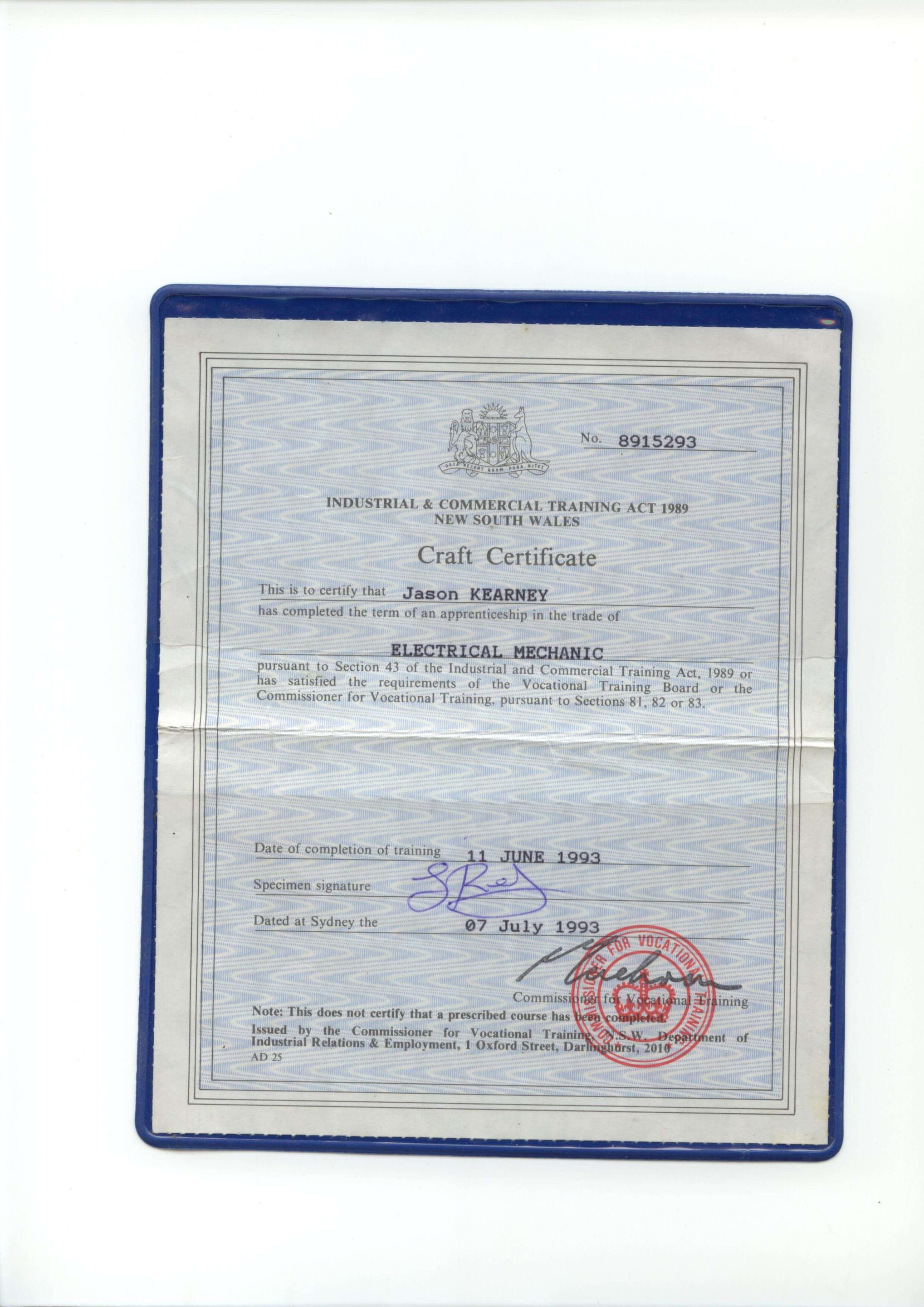
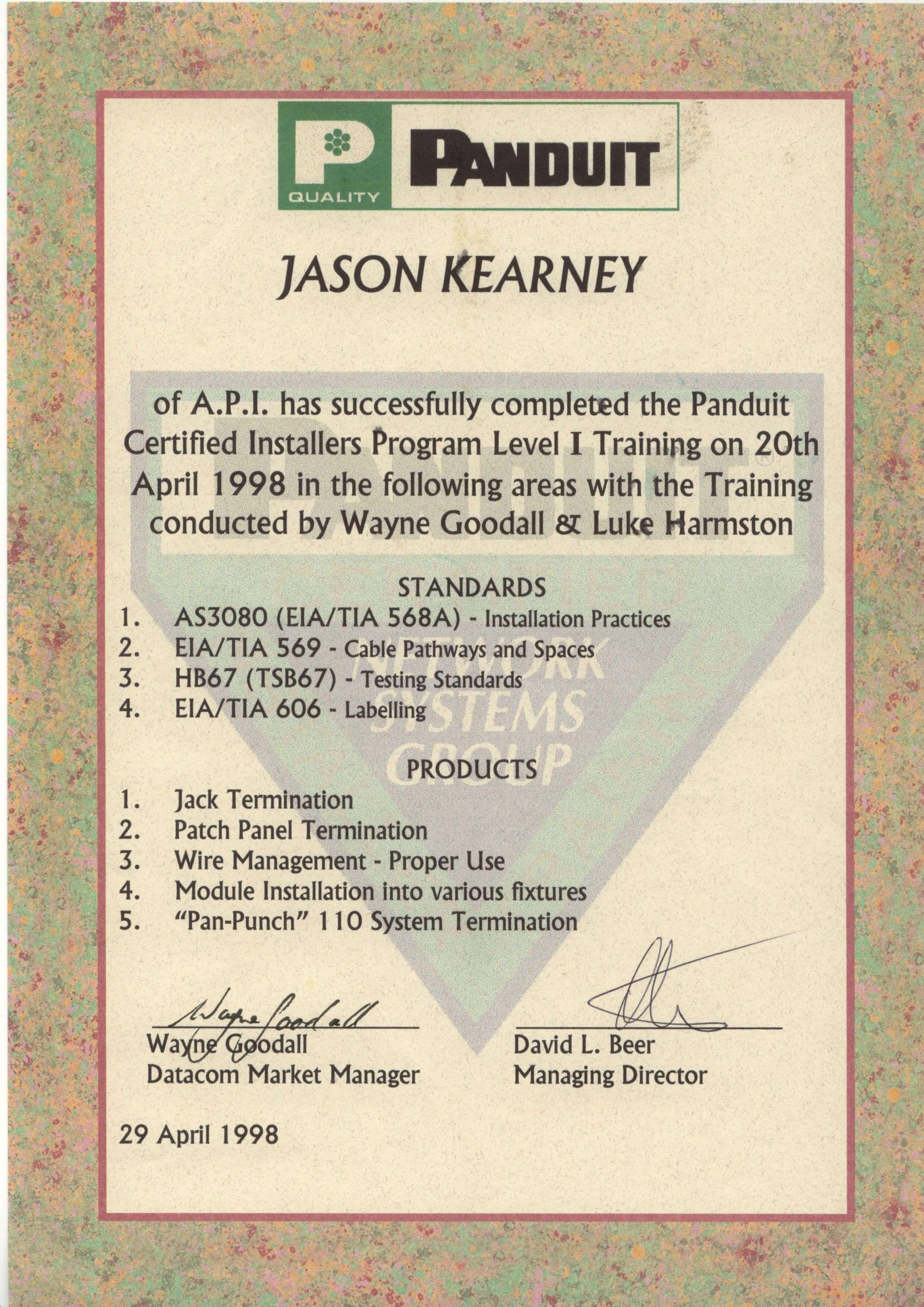
Secure A Com holds every licence and certification required to legally work on NBN and telecommunications infrastructure in Australia. Our master technicians are fully registered with ASIAL, an official national cabling registrar accredited by the Australian Communications and Media Authority (ACMA). When you book with us, you're engaging a properly registered cabler — not an unlicensed contractor. Click any certificate to view it in full.

JASON KEARNEY
Founder Jason Kearney is an Open Registered Cabler with 29 years of industry experience. In 1997, he was a manager for one of the first private contracting companies to work in the Telstra network following privatisation, leading the landmark CAN 2000 Project. Since establishing SECURE A COM in 2008, Jason has provided Sydney with independent, expert fault diagnosis and telecommunications solutions.




WHAT SYDNEY CUSTOMERS SAY


COMPANIES WE'VE WORKED FOR
From national banks to fast food chains — Sydney's biggest organisations trust us with their telecommunications infrastructure.


NBN · Data Cabling · Fibre · WiFi · Network Infrastructure











COMMON QUESTIONS ABOUT OUR HILLS DISTRICT SERVICE
Questions from Hills District residents about NBN fault diagnosis, FTTC pit connector corrosion in Castle Hill and Baulkham Hills, FTTN bridge taps in older Winston Hills and North Rocks houses, HFC dropouts in Cherrybrook, and how an independent internet technician differs from what your ISP provides.
YOUR HILLS DISTRICT INTERNET FAULT.
DIAGNOSED AND FIXED.
Book a local, Open Registered Cabler internet technician for Castle Hill, Baulkham Hills, Cherrybrook, Rouse Hill, and surrounding suburbs. We attend on-site, test FTTC, FTTN, HFC and FTTP connections with professional equipment, and fix the fault — most visits complete within the hour.
Mon–Fri · After-hours by request · Castle Hill to Box Hill