
INTERNET
TECHNICIAN
PARRAMATTA
FTTN & FTTB.
COPPER FAULTS DIAGNOSED ON-SITE.
An internet technician from SECURE A COM diagnoses NBN faults across Parramatta — servicing FTTN copper line faults in older residential streets from North Parramatta and Westmead to Harris Park and Granville, and FTTB internal building wiring faults in new Parramatta CBD apartment towers. We specialise in FTTN copper pair diagnosis in Western Sydney where ISPs accept minimum sync as "no fault detected" while your actual throughput sits well below plan speed due to bridge taps, line attenuation, or corroded pit splices. An Open Registered Cabler (A10089) attends on-site with copper test equipment and cable repair materials, with 90% of Parramatta faults resolved in a single visit.
WHY PARRAMATTA NBN FAULTS GO UNFIXED
Parramatta's residential areas range from 1960s and 1970s brick homes in North Parramatta, Westmead, and Harris Park — wired with ageing copper infrastructure from NBN nodes — to new high-rise apartment towers in the Parramatta CBD corridor built in the 2010s. Across both building types, ISPs consistently close tickets at the minimum threshold, leaving residents with connections that technically "sync" but perform well below their plan speed or drop out entirely.
FTTN Copper Line Attenuation — Older Parramatta Homes Too Far from the Node
Under FTTN (Fibre to the Node), optical fibre runs to a street-side NBN node cabinet and the connection travels the final distance to each premise via the existing Telstra copper pair. In Parramatta's older residential suburbs — North Parramatta, Westmead, Harris Park, Granville, and parts of Rydalmere — the copper infrastructure was installed in the 1970s and 1980s to serve telephone services, not broadband. The signal loss (attenuation) on a copper pair increases with cable length and deteriorates further with cable age, joint condition, and exposure to moisture. NBN nodes in these areas were positioned to cover as many premises as possible within the FTTN architecture, meaning some properties sit at the outer edge of the node's range — where copper pair attenuation is highest and VDSL2 performance is worst. An ISP remote test checks whether the NTD is syncing and whether the sync rate meets the minimum acceptable threshold. Many FTTN connections in outer Parramatta residential streets sync at a rate the ISP accepts as "normal" while delivering actual throughput of 6–12 Mbps on a 50 or 100 Mbps plan — because line attenuation limits the effective data rate far below the nominal sync speed. We test on-site with a time-domain reflectometer and VDSL2 analyser to identify the precise fault in the copper path.
Bridge Taps on Legacy Copper in North Parramatta and Westmead — Signal Reflection and Connection Instability
A bridge tap is a length of copper cable that branches off the main copper pair — originally installed to allow the same pair to serve multiple telephone outlets in a street or building — but was never removed when the modern NBN FTTN service was provisioned on that pair. Under VDSL2, a bridge tap creates a signal reflection at the branch junction point: part of the transmitted signal reflects back toward the source, increasing noise on the line and reducing the usable signal-to-noise ratio (SNR). The result is a connection that syncs at an artificially low rate, drops out intermittently under load, or fails to maintain a stable sync at all. In Parramatta's older residential streets — particularly North Parramatta, Westmead, and parts of Harris Park where the original Telstra copper network pre-dates modern cabling standards — bridge taps are common on copper pairs that were never audited before the NBN rollout. ISPs cannot identify bridge taps remotely. They observe a low sync rate, note it is "within parameters," and close the ticket. We use a time-domain reflectometer on-site to locate the bridge tap, trace it in the pit or at the junction point, and remove or terminate it — restoring the full copper pair to a single clean run from the node to the premises.
ISP Remote Diagnostics Accept Minimum VDSL2 Sync Threshold — Real Throughput Remains Poor
When you report slow internet or frequent dropouts on an FTTN service in Parramatta, your ISP performs a remote diagnostic that checks whether the NTD in your home is registered on their network, whether it is syncing, and whether the sync rate is above the minimum threshold their systems consider "acceptable." In Western Sydney's older FTTN areas, this minimum threshold has been progressively relaxed as it became clear that large portions of the copper network would not perform at the speeds originally marketed for NBN FTTN. A sync rate of 25 Mbps is frequently considered "normal" by ISPs in congested or long-line Parramatta areas, even when the customer's plan is 100 Mbps. The ISP closes the ticket. The real-world throughput — affected by bridge taps, corroded outdoor splices, or degraded copper pair condition — may be 6–12 Mbps. We perform on-site copper pair analysis, identify the physical cause of the degradation, and carry out repairs where possible. For faults that are on the network infrastructure side of the pit, we provide documented evidence for ISP escalation.
FTTB Internal Building Wiring Faults in New Parramatta CBD Apartment Towers — MDF Errors and Patch Panel Faults
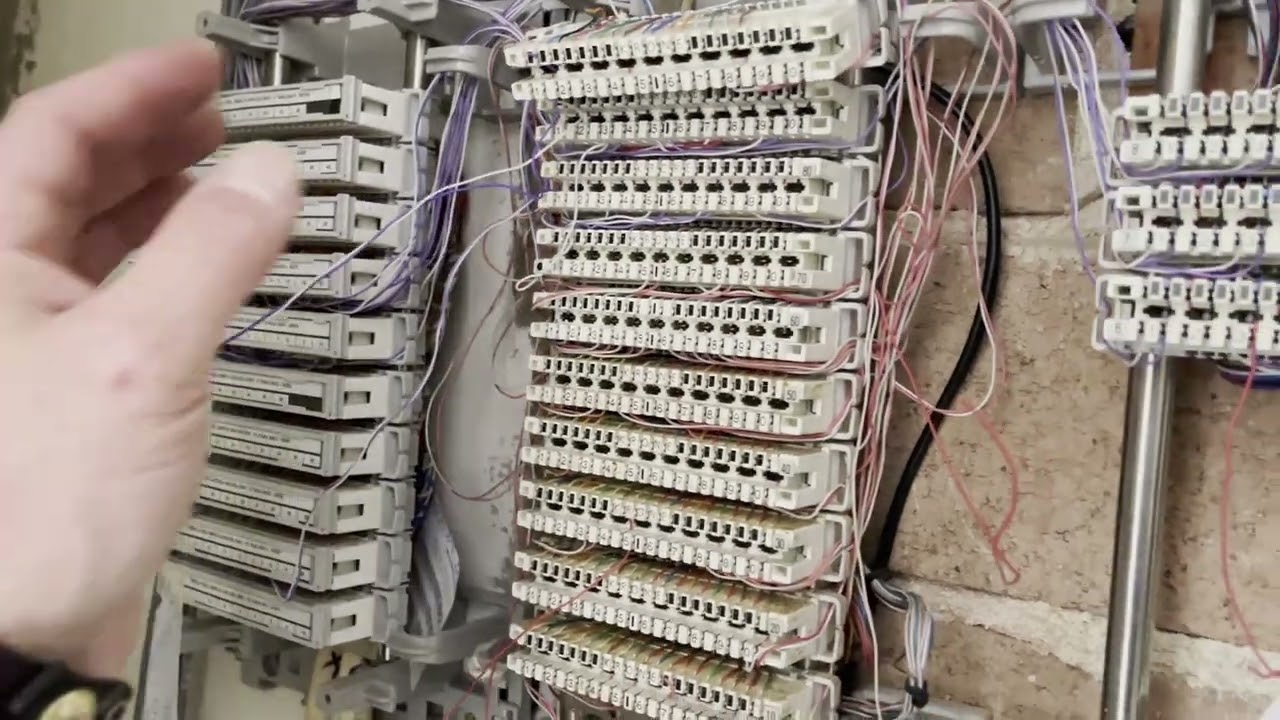
The Parramatta CBD has seen significant residential high-rise development since the 2010s — apartment towers along the Church Street corridor, Victoria Road, and surrounding streets. These newer FTTB (Fibre to the Building) buildings are less likely to have the Cat 3 legacy cable issues common in 1990s Sydney CBD towers, but internal building wiring faults are still a frequent cause of no internet or slow speeds in Parramatta CBD apartments. Common fault types include incorrect MDF (main distribution frame) jumpering — where the jumper wire connecting the NBN side of the comms room infrastructure to the specific copper pair assigned to your apartment is missing, incorrectly assigned, or has deteriorated at the Krone IDC termination contact. In newly constructed FTTB buildings, cabling mistakes during installation — incorrect patch panel ports, unterminated cable ends in risers, and crossed pairs — are found regularly. ISPs confirm the NTD in the building comms room is syncing at full speed; your apartment has no internet because the internal building infrastructure connecting your apartment to the NTD has not been correctly installed or maintained. We access the comms room, trace the full cable path from the NTD through the building riser to your apartment wall plate, identify the fault, and repair it on the same visit.
In-Home Unisolated Telephone Wiring Degrading VDSL2 in Older Parramatta Houses
In older Parramatta homes — 1960s to 1980s brick veneer and fibro properties — the internal telephone wiring typically consists of a ring circuit that runs all telephone outlets in the home from a single entry point, with each socket wired in a daisy-chain or loop. This configuration, known as an unisolated configuration, is incompatible with VDSL2 because the additional cable length and unterminated sockets on the ring circuit appear to the VDSL2 modem as additional signal load — degrading line impedance, reducing the effective SNR, and producing a lower sync rate and higher error rate than would be achieved with the modem connected directly to the incoming pair. The NBN standard connection requires an isolated filter (a dedicated first socket) or an ADSL/VDSL wall plate that separates the data signal from the telephone circuit. In many older Parramatta homes this has not been correctly installed, or the filter has failed. ISPs will test the NTD remotely, note the sync rate, and attribute poor performance to "in-home wiring" without identifying the specific fault or advising on the fix. We diagnose the in-home wiring configuration, test each socket in sequence, and where appropriate install a correct VDSL2 wall plate or re-terminate the internal wiring in an isolated configuration.
Corroded Outdoor Pit Splices and Node-Area Infrastructure in Granville, Harris Park, and Older Parramatta Suburbs
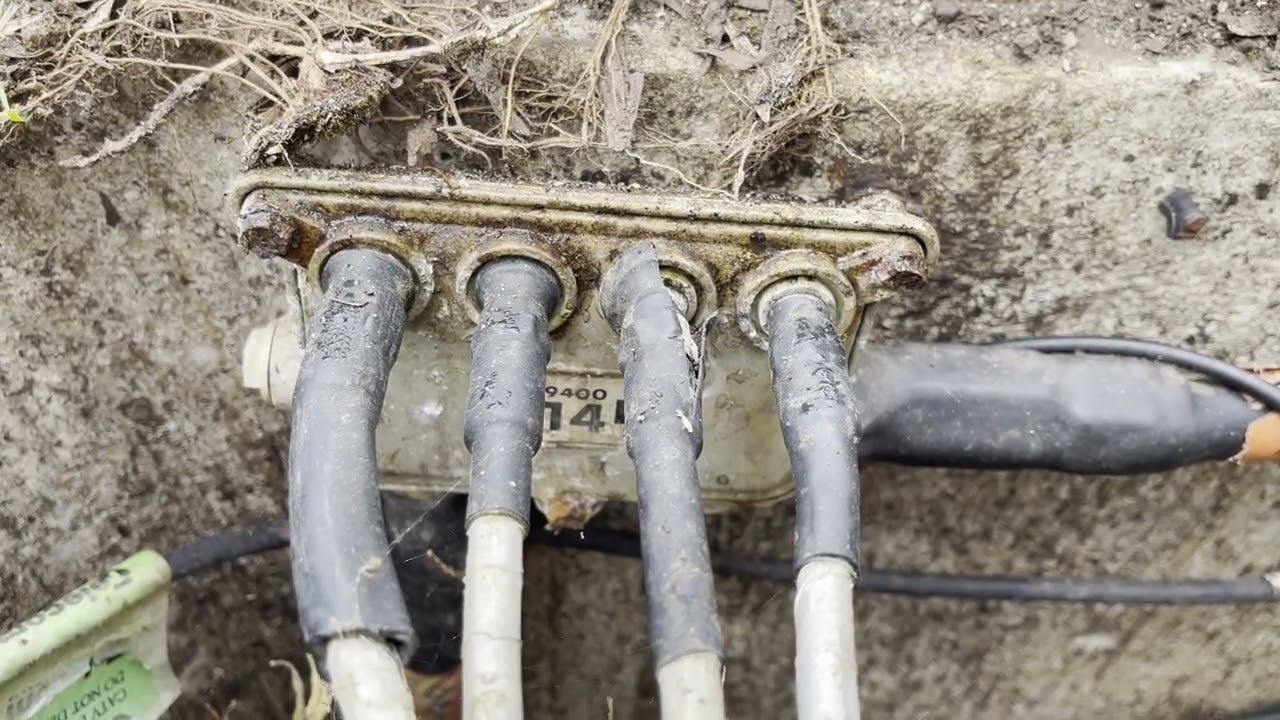
The copper pair infrastructure in Western Sydney's older suburbs — Granville, Harris Park, South Granville, and parts of older North Parramatta — includes outdoor pit splices that were installed in the 1970s and 1980s using paper-wrap or gel-fill jointing methods that have deteriorated over decades of exposure to moisture, soil movement, and weather. A corroded outdoor pit splice on the copper pair between the NBN node and your premises creates a resistive fault — an increase in the resistance of the copper path at the splice point — that attenuates the VDSL2 signal, reduces the SNR margin, and collapses the effective throughput regardless of the sync rate the NTD reports. These faults are intermittent on warm days and severe on wet or cold days as moisture ingress changes the resistance of the joint. ISPs test remotely and find a minimum sync — the ticket is closed. The corroded splice remains. We test the copper pair on-site using a time-domain reflectometer to locate the specific pit where the splice fault exists, open the pit, diagnose the joint condition, and re-splice using modern moisture-resistant gel crimp connectors. Where the pit splice is on the network side of the network boundary point (NBP) we document the fault and provide evidence for ISP or NBN Co escalation.
YOUR INDEPENDENT INTERNET TECHNICIAN —
PARRAMATTA
SECURE A COM is an independent, Open Registered Cabler (A10089) based in Miranda, Sutherland Shire. We travel to Parramatta regularly — approximately 45–55 minutes from our base via the M5 and M7 motorways. We attend with a time-domain reflectometer, VDSL2 analyser, cable test equipment, copper jointing tools, and FTTB comms room access equipment. FTTN copper pair fault diagnosis and bridge tap removal in older Parramatta residential areas, FTTB internal building wiring diagnosis and repair in Parramatta CBD apartment towers, and in-home VDSL2 wiring audits and filter installation in older Parramatta homes. We find and fix the physical fault your ISP cannot reach.
Book a Parramatta TechnicianWATCH US EXPOSE THE REAL FAULT
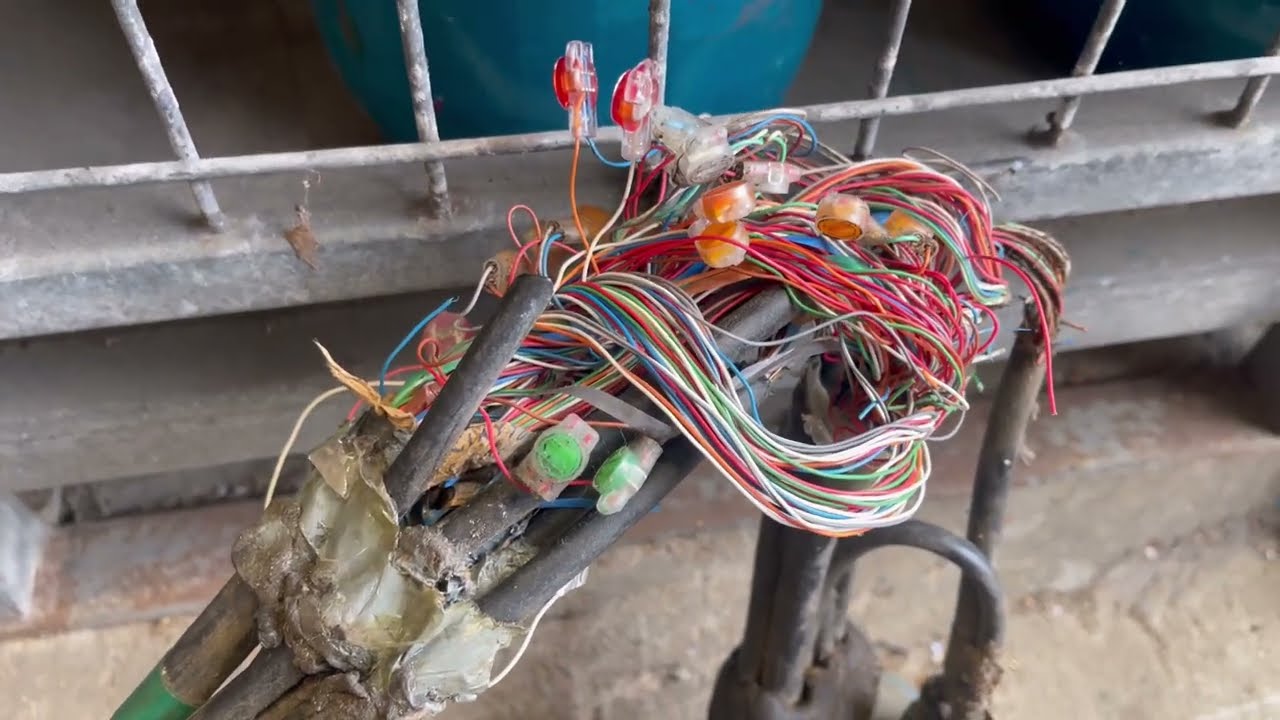
These aren't staged demos. Every video is a real Sydney job where we were called in after the ISP said nothing was wrong — and found exactly what they missed. Watch the full diagnostic process, on camera.
INTERNET & TELECOM SERVICES
From FTTN copper line fault diagnosis and bridge tap removal in older Parramatta residential streets to FTTB internal building wiring repairs in Parramatta CBD apartment towers — SECURE A COM provides licensed, on-site internet technician services across Parramatta and the surrounding Western Sydney suburbs.
Internet Technician NSW (All Locations)
View the full NSW internet technician page — covering Greater Sydney and state-wide locations. FTTN, FTTB, FTTC, and HFC fault diagnosis, bridge tap removal, copper pair testing, comms room access, and on-site NBN repairs wherever you are in New South Wales.
View NSW internet technician serviceInternet Fault Finding Parramatta
No internet, slow speeds, or intermittent connection in a Parramatta home or apartment. Our fault finding service identifies the physical cause — FTTN copper line attenuation, bridge taps, corroded pit splices, FTTB building wiring faults, or ISP NTD issues — diagnosed on-site with professional test equipment including a time-domain reflectometer and VDSL2 analyser.
Internet fault finding servicesPrivate NBN Technician Parramatta
ISP says your FTTN sync is "within parameters" but your Parramatta connection delivers 6 Mbps on a 100 Mbps plan. Our independent private NBN technicians investigate what ISPs cannot: copper pair attenuation, bridge taps on legacy cable, corroded outdoor pit splices, and in-home wiring faults in older Western Sydney properties.
Hire a private NBN technicianNBN Fault Repair Parramatta
Bridge tap removal on FTTN copper pairs, pit splice re-termination with moisture-resistant connectors, in-home VDSL2 wiring isolation, and FTTB MDF jumpering repair in Parramatta CBD apartment towers — all carried out on-site within the same service call where access and cable path permit.
NBN fault repair servicesNBN Keeps Dropping Out — Parramatta
FTTN connection in Parramatta dropping out at random or during peak hours? Bridge taps on the copper pair and corroded outdoor pit splices are the most common cause of intermittent NBN dropouts in Western Sydney's older residential areas. We diagnose and fix the physical fault causing the instability — not just reboot the modem.
Fix intermittent NBN dropoutsMDF Jumpering for Parramatta Apartments
Newer Parramatta CBD apartment towers with FTTB connections have an MDF (main distribution frame) in the building comms room where copper pairs are assigned to individual apartments. Incorrect or missing jumper assignments — common in buildings with multiple contractors over multiple stages of construction — leave apartments without internet despite the building NTD syncing at full speed.
MDF jumpering for apartmentsData Cabling Parramatta
Once the FTTN line fault or FTTB building wiring issue is resolved, many Parramatta residents choose to upgrade their in-home cabling — replacing the old telephone ring circuit with a proper Cat 6 data installation and hardwired Ethernet points in the study, lounge, and bedroom. We install Cat 6 data outlets in Parramatta homes and apartments.
Data cabling installationWiFi Solutions Parramatta
After fixing the physical line fault, some Parramatta homes and apartments have Wi-Fi dead zones in distant rooms — particularly in older brick homes where interior walls attenuate the wireless signal significantly. We assess and implement wireless coverage solutions suited to your Parramatta property's floor plan and building construction type.
Fix WiFi coverage problemsFROM YOUR FIRST CALL TO FIXED — PARRAMATTA
Here's exactly what happens when you book an internet technician with SECURE A COM in Parramatta. We travel from our Miranda base — approximately 45–55 minutes to Parramatta via the M5 and M7 motorways — arrive on-site with a time-domain reflectometer, VDSL2 analyser, copper jointing tools, and FTTB comms room equipment, and diagnose FTTN copper line faults, bridge taps, and FTTB building wiring issues. Most Parramatta internet faults are resolved on the same visit.
Book Online — Tell Us Your Property Type and What's Happening With Your Connection
Call us on 02 9188 1577 or use the online booking form. Tell us your Parramatta suburb — whether you're in North Parramatta, Westmead, Harris Park, Granville, or the Parramatta CBD — your property type (older residential home, newer apartment, or commercial premises), and what's happening: no internet at all, speeds well below plan, or intermittent dropouts. You don't need technical knowledge to book. If you know whether your connection is FTTN (common in older Parramatta residential streets) or FTTB (common in newer CBD apartment towers), tell us — otherwise we'll work through a few quick questions to advise on the most likely fault type for your property era and location before we attend.
We Confirm Your Appointment — With a Specific Arrival Window, Not a Half-Day Block
We confirm a specific arrival window for your Parramatta service call. Parramatta is approximately 45–55 minutes from our Miranda base via the M5 and M7 motorways — we factor in realistic travel time when confirming your window and advise if traffic conditions on the day may affect the estimated arrival. We also use this call to ask any clarifying questions about your property and connection: the age of your home, whether there are visible pit lids on your street, whether any previous technicians have attended, and whether you have access to your in-home telephone wiring panel. This information allows us to arrive with the right equipment for your specific situation — copper jointing tools and a TDR for older FTTN properties, FTTB comms room access equipment and MDF jumpering tools for newer apartment buildings.
On-Site Fault Diagnosis — Copper Pair Testing, TDR Trace, and In-Home Wiring Audit
We arrive with a time-domain reflectometer (TDR), VDSL2 line analyser, copper test equipment, in-home wiring audit tools, and FTTB comms room access equipment. For FTTN properties in older Parramatta residential streets, we test the VDSL2 connection at the NTD port and record the sync rate, line attenuation, SNR margin, and error rate. We then use the TDR to trace the copper pair from the network boundary point into the street pit network, identifying any bridge taps, impedance anomalies, or splice faults along the cable path. We open accessible pits to inspect splice condition. We audit the in-home telephone wiring for unisolated ring circuit configuration and test each socket in sequence. For FTTB apartment buildings, we access the building comms room, verify the NTD sync and Ethernet handoff, and trace the internal building cable or MDF jumper assignment to your apartment wall plate. This is the diagnostic your ISP has never performed.
Repair Carried Out On-Site — Bridge Tap Removal, Pit Re-Splice, or In-Home Wiring Fix
In 90% of cases we carry out the repair on the same visit. For FTTN properties where the fault is on the customer side of the network boundary point: we remove and terminate bridge taps found on the copper pair in customer-side pits or at junction points; we re-splice corroded pit joints using moisture-resistant gel crimp connectors; we replace or correctly configure the in-home VDSL2 wall plate or isolation filter to eliminate the in-home ring circuit load; and we re-terminate damaged or corroded RJ11 sockets at the point of entry. For FTTB apartment buildings: we re-jumper incorrect MDF pair assignments, re-punch Krone IDC contacts where corrosion has degraded the connection, and trace and repair internal riser cable faults where accessible. Where the fault is on the network side of the network boundary point — a bridge tap or splice in a pit that is NBN Co infrastructure — we provide documented evidence and an escalation pack for your ISP.
Speed and Line Quality Verified, Results Explained, 12-Month Guarantee Issued
Before we leave, we re-test the VDSL2 sync rate, line attenuation, SNR margin, and actual throughput, and confirm the improvement relative to the pre-repair baseline we recorded when we arrived. We explain what we found and what was repaired in plain language — not VDSL2 jargon. You receive a 12-month workmanship guarantee on all repairs: if the same fault recurs within 12 months due to our workmanship, we return at no additional charge. Where the fault was partly or fully on the network infrastructure side, you receive a written ISP escalation pack with our test results, TDR traces, and fault photographs — documenting the fault in a format that gives your ISP and NBN Co the specific evidence needed to escalate within their infrastructure fault resolution process. Full terms at secureacom.com.au/terms-conditions
Based in Sutherland Shire — We Regularly Travel to Parramatta and Western Sydney
SECURE A COM is headquartered in Miranda, Sutherland Shire. Parramatta is approximately 45–55 minutes from our base via the M5 motorway to the M7, or via Parramatta Road depending on traffic. We created this page because we service Parramatta regularly — particularly older residential streets in North Parramatta, Westmead, Harris Park, and Granville where FTTN copper line faults are common and very few private Open Registered Cablers carry the TDR, VDSL2 analyser, and copper jointing tools needed to diagnose and fix these faults on a single visit without escalating everything to the ISP. We also service newer Parramatta CBD apartment buildings. Parramatta is within our Greater Sydney service area — no travel surcharge applies. See our Terms & Conditions for full service area and travel charge details.
// Ready to book your on-site Parramatta diagnosis?
Book a Parramatta Internet Technician Mon–Fri · FTTN & FTTB Serviced · 90% Fixed Same VisitONE PRICE. NO SURPRISES.
A single fixed fee covers your on-site diagnosis and repair across Parramatta and the surrounding Western Sydney suburbs. FTTN copper line faults in older residential streets, FTTB internal building wiring in Parramatta CBD apartment towers, and in-home VDSL2 wiring issues in older properties — no additional charge for connection type, property age, or travel within Greater Sydney.
GST inclusive. Includes one hour on-site with an Open Registered Cabler and travel within Greater Sydney — Parramatta, North Parramatta, Westmead, Harris Park, Granville, and Rydalmere are all within our service area with no additional travel surcharge. See full Terms & Conditions →
PRICING FAQ
LICENSED. CERTIFIED. ACCOUNTABLE.
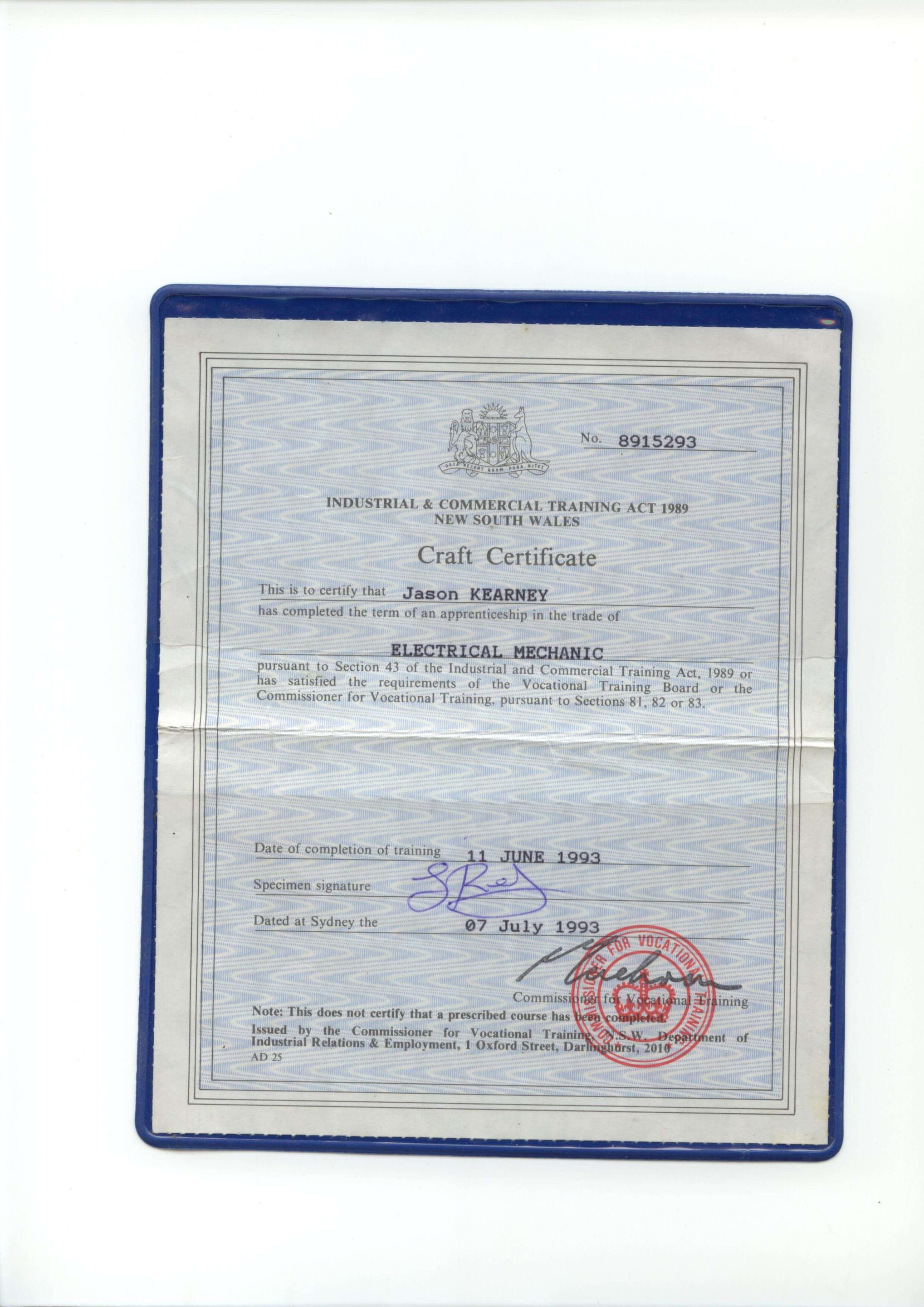
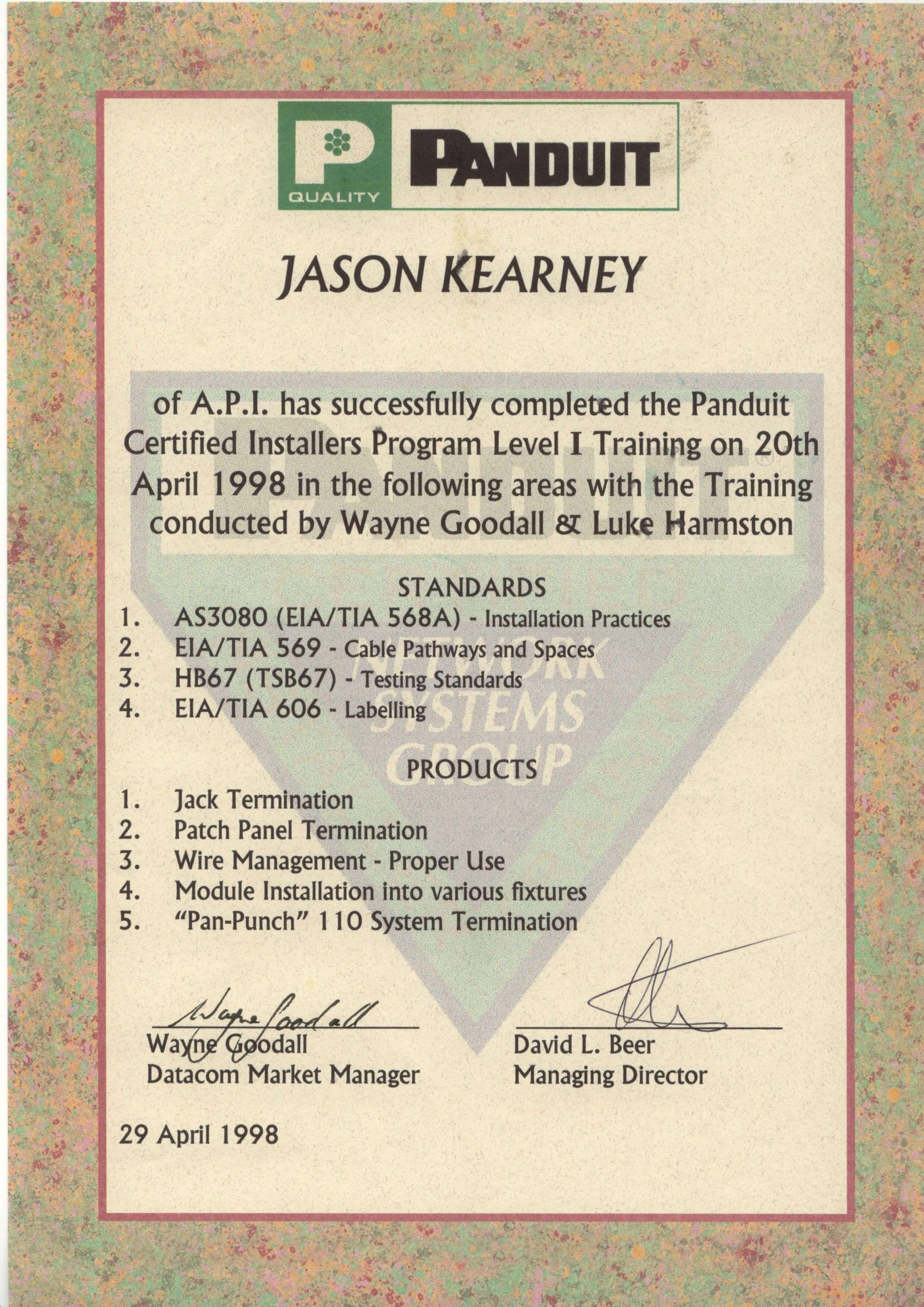
Secure A Com holds every licence and certification required to legally work on NBN and telecommunications infrastructure in Australia. Our master technicians are fully registered with ASIAL, an official national cabling registrar accredited by the Australian Communications and Media Authority (ACMA). When you book with us, you're engaging a properly registered cabler — not an unlicensed contractor. Click any certificate to view it in full.

JASON KEARNEY
Founder Jason Kearney is an Open Registered Cabler with 29 years of industry experience. In 1997, he was a manager for one of the first private contracting companies to work in the Telstra network following privatisation, leading the landmark CAN 2000 Project. Since establishing SECURE A COM in 2008, Jason has provided Sydney with independent, expert fault diagnosis and telecommunications solutions.




WHAT SYDNEY CUSTOMERS SAY


COMPANIES WE'VE WORKED FOR
From national banks to fast food chains — Sydney's biggest organisations trust us with their telecommunications infrastructure.


NBN · Data Cabling · Fibre · WiFi · Network Infrastructure











COMMON QUESTIONS ABOUT OUR PARRAMATTA SERVICE
Answers to the most common questions we receive about internet technician services in Parramatta — FTTN copper line faults in older residential areas, bridge tap diagnosis and removal, in-home VDSL2 wiring issues, and FTTB building wiring faults in newer Parramatta CBD apartments.
PARRAMATTA'S
INTERNET TECHNICIAN.
LET'S FIX IT TODAY.
Book an independent, Open Registered Cabler internet technician for your Parramatta home or apartment. We attend on-site with a time-domain reflectometer, VDSL2 line analyser, copper jointing tools, and FTTB comms room access equipment — diagnosing FTTN copper line faults and bridge taps in older Parramatta residential streets, and FTTB internal building wiring faults in Parramatta CBD apartment towers. 90% resolved in a single visit.
Mon–Fri · FTTN & FTTB Serviced · Parramatta's Independent Internet Technician