
INTERNET
TECHNICIAN
SOUTH WESTERN
SYDNEY
FTTN & FTTB.
LIVERPOOL TO FAIRFIELD.
An internet technician from SECURE A COM diagnoses NBN faults across South Western Sydney — from Liverpool, Fairfield, and Cabramatta to Bankstown, Casula, and Edmondson Park. We specialise in FTTN bridge tap isolation in older Liverpool and Fairfield brick veneer homes, and FTTB building wiring diagnosis in Liverpool CBD apartment complexes where ISPs refuse to investigate past the comms room NTD. An Open Registered Cabler (A10089) attends on-site, with 90% of faults resolved in a single visit.
WHY SOUTH WESTERN SYDNEY INTERNET FAULTS GO UNFIXED
South Western Sydney spans a large and diverse area — from older fibro homes in Cabramatta and Canley Vale to 1970s and 1980s brick veneer in Liverpool and Fairfield, and newer developments in Edmondson Park and Prestons. Each era of housing comes with its own internet fault profile, and across all of them, ISPs routinely close tickets without testing the customer-side infrastructure that's actually causing the problem.
FTTN Bridge Taps in 1970s–1980s Housing Stock — Liverpool, Fairfield, Bankstown, Cabramatta
The dominant connection type for established residential suburbs across South Western Sydney is FTTN (Fibre to the Node). Liverpool, Fairfield, Bankstown, Cabramatta, Canley Vale, Canley Heights, Carramar, Villawood, Greenacre, Lakemba, Wiley Park, Punchbowl, and surrounding areas are characterised by detached housing built through the 1960s, 1970s, and 1980s — typically fibro or brick veneer with multiple telephone extension sockets wired in parallel on the copper pair. These extension sockets function as bridge taps: each active extension point adds impedance to the copper pair at the junction, reducing the maximum VDSL2 sync rate and increasing susceptibility to crosstalk. A property with three or four extension sockets (bedrooms, hallway, kitchen) connected to the same pair can lose 40–60% of achievable line speed before any other fault is present. ISPs cannot detect bridge taps remotely — if the node syncs, the ticket is closed.
ISP Scope Ends at the FTTN Node — Customer-Side Copper Not Tested or Repaired
For FTTN connections, the ISP and NBN Co's scope of responsibility ends at the Fibre to the Node cabinet on the street. The copper pair from the node to the premises is classified as the customer-side infrastructure — the ISP will run remote line tests from the node and close the ticket if the node-side signal meets a minimum threshold, regardless of what speed the customer actually receives at their device. The copper pair from the D-pillar or pit outside your home to the wall socket inside is not something the ISP will physically test, trace, or repair. Bridge taps, moisture ingress at lead-in entry points, corroded Telstra pit terminations, and damaged sub-floor cable runs are all invisible to ISP remote diagnostics. These are the faults that keep South Western Sydney FTTN connections running below plan speed for months or years without resolution.
FTTB Apartment Building Wiring in Liverpool CBD — Legacy Internal Cabling in High-Rise Blocks
Liverpool City Centre has a growing number of multi-storey apartment buildings connected via FTTB (Fibre to the Building). Optical fibre runs to a network equipment rack in the building's comms room; the final connection to each apartment uses the building's internal cabling infrastructure. In older Liverpool apartment blocks — built through the 1980s and 1990s — this internal wiring is frequently Category 3 telephone cable, which cannot reliably carry 100 Mbps Ethernet. The ISP's NTD in the comms room syncs at full rate; the cable from the comms room to your apartment is the fault. The ISP will not access, test, or repair this internal building infrastructure. We access the comms room, identify the cable type, and replace the deficient cable run with Cat 5e — the same visit, where possible.
FTTC Copper Drop Faults in Newer Outer Suburbs — Edmondson Park, Prestons, Carnes Hill, Ingleburn
South Western Sydney's outer growth corridors — Edmondson Park, Prestons, Carnes Hill, West Hoxton, Hoxton Park, and parts of Ingleburn — were served by FTTC (Fibre to the Curb) during the later stages of the NBN rollout. FTTC runs optical fibre to a small Distribution Connection Device (DCD) installed in the pit at the kerb; from there, the connection uses a short copper drop to a Network Connection Device inside the property. This copper drop is typically only 5–30 metres, but faults do occur — moisture ingress at the pit, a corroded copper connection at the DCD, a faulty NCD, or a damaged lead-in segment. FTTC faults appear as intermittent dropouts, slow speeds, or complete loss of connection that ISPs attribute to the NCD or modem without physically testing the copper drop from the pit to the premises.
Moisture Ingress in Older Fibro and Brick Homes — Cabramatta, Canley Vale, Fairfield, Wetherill Park
South Western Sydney has a significant concentration of fibro and early brick veneer housing from the 1950s, 1960s, and early 1970s — particularly in Cabramatta, Canley Vale, Canley Heights, Carramar, and parts of Fairfield. These properties were built before telecommunications cabling standards required weatherproofed lead-in conduits, meaning the telephone cable enters the external wall through a drilled hole or a conduit fitting that has typically degraded over decades. Moisture entering through this point — from rain, poor weatherproofing, or wall condensation — increases copper pair resistance and degrades the VDSL2 connection progressively. The fault often appears as worse performance during wet weather or winter, without complete disconnection, making it extremely difficult for ISPs to diagnose remotely. We test insulation resistance on-site and locate the moisture entry point in the lead-in path.
Villa and Townhouse Complex Wiring Faults — Shared Copper Infrastructure Across Multiple Dwellings
South Western Sydney has a high concentration of villa and townhouse complexes built through the 1980s and 1990s in suburbs like Bossley Park, Wetherill Park, Casula, Moorebank, Horningsea Park, and Wattle Grove. These multi-dwelling complexes share a telecommunications lead-in from the street that feeds a distribution point serving multiple individual residences. When the shared copper infrastructure at this distribution point degrades — corroded Krone blocks, oxidised terminations, or damaged shared pit cabling — multiple units in the complex experience simultaneous internet faults. ISPs test each unit individually and rarely identify the shared infrastructure fault. We test the full path from the street pit or lead-in to the affected unit and identify whether the fault is in the shared infrastructure or the individual unit's copper pair.
YOUR INDEPENDENT INTERNET TECHNICIAN —
SOUTH WESTERN SYDNEY
SECURE A COM is an independent, Open Registered Cabler (A10089) based in Miranda, Sutherland Shire. We travel to South Western Sydney regularly — Liverpool and Fairfield are approximately 30–40 minutes from our base. We attend on-site with professional test equipment: cable testers, TDR, VDSL2 analysers, insulation resistance testers, and FTTB comms room equipment. FTTN bridge tap isolation in Liverpool and Fairfield homes, FTTB building wiring diagnosis in Liverpool CBD apartments, FTTC copper drop testing in Edmondson Park and Prestons, moisture ingress diagnosis in Cabramatta and Canley Vale, and shared infrastructure fault tracing in villa and townhouse complexes. We fix the physical fault the ISP cannot reach.
Book a South Western Sydney TechnicianWATCH US EXPOSE THE REAL FAULT
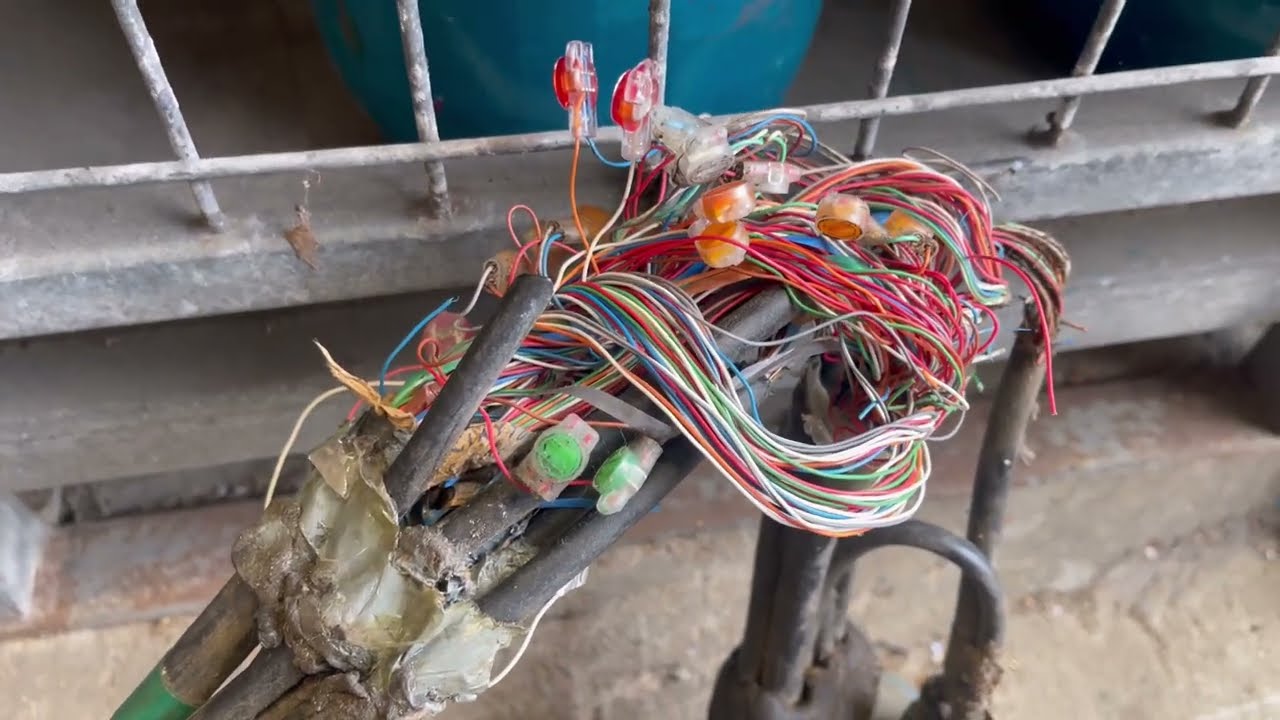
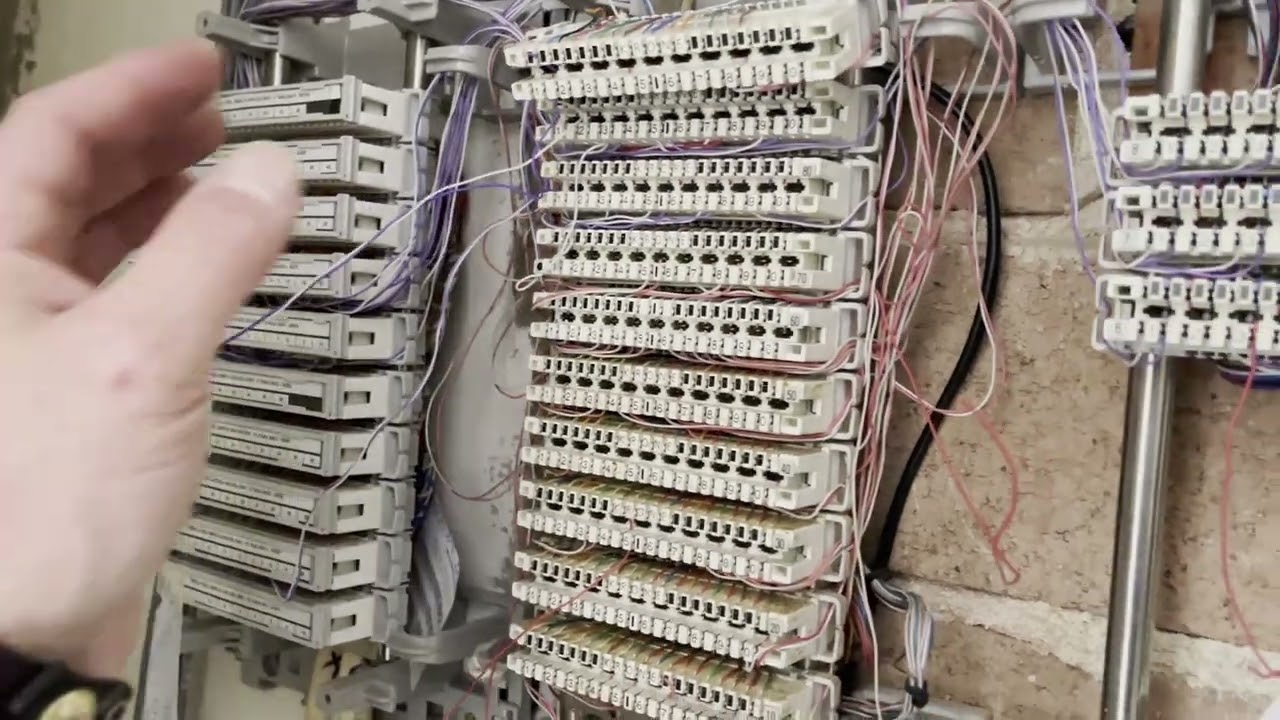
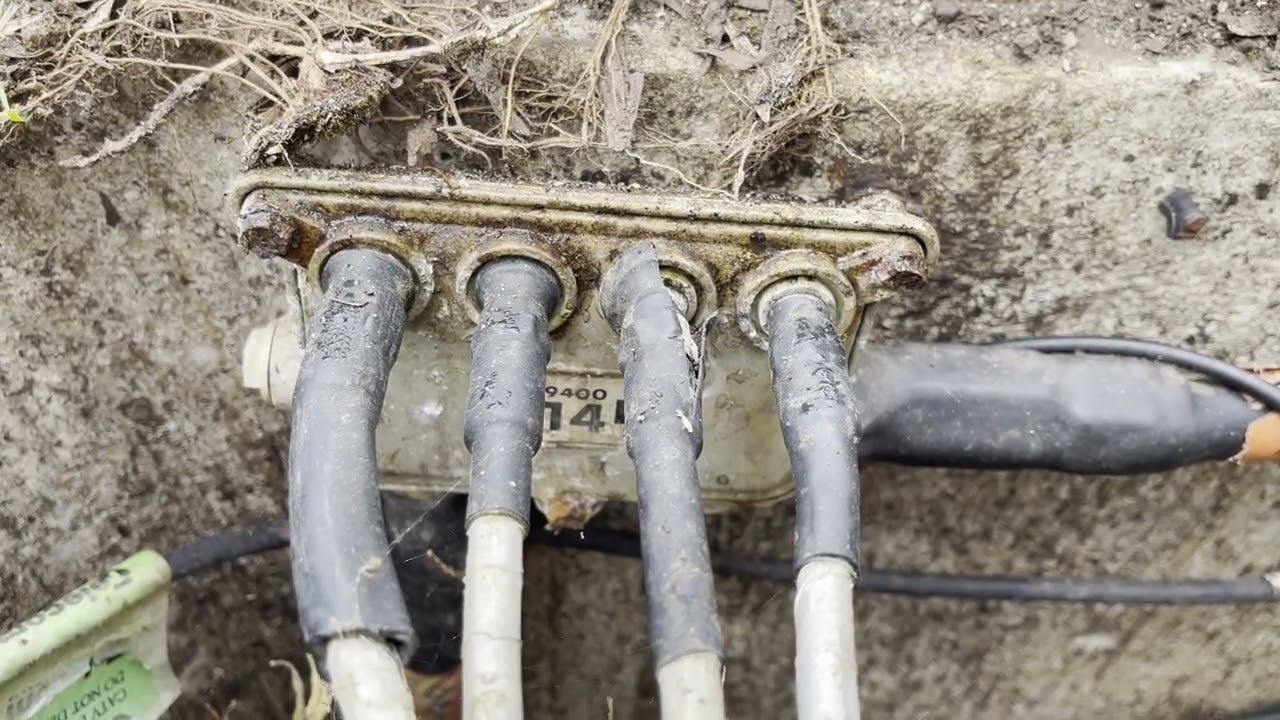
These aren't staged demos. Every video is a real Sydney job where we were called in after the ISP said nothing was wrong — and found exactly what they missed. Watch the full diagnostic process, on camera.
INTERNET & TELECOM SERVICES
From FTTN bridge tap isolation in Liverpool and Fairfield homes to FTTB building wiring replacement in Liverpool CBD apartments and FTTC copper drop diagnosis in Edmondson Park — SECURE A COM provides licensed, on-site internet technician services across all South Western Sydney suburbs.
Internet Technician NSW (All Locations)
View the full NSW internet technician page — covering Greater Sydney and state-wide locations. Fault diagnosis, FTTB building wiring, bridge tap removal, and on-site NBN repairs wherever you are in New South Wales.
View NSW internet technician serviceInternet Fault Finding South Western Sydney
Dropouts, slow speeds, or intermittent connection across Liverpool, Fairfield, Bankstown, Cabramatta, or Edmondson Park. Our fault finding service identifies the physical cause using TDR, VDSL2 analysers, and insulation resistance testing — FTTN, FTTB, FTTC, and HFC all diagnosed on-site.
Internet fault finding servicesPrivate NBN Technician
ISP says the node or NTD is fine — but your South Western Sydney internet is still dropping out or well below plan speed. Our independent private NBN technicians investigate what ISPs cannot: bridge taps in Liverpool and Fairfield homes, FTTB building cable runs, FTTC copper drops, and moisture faults across the full area.
Hire a private NBN technicianNBN Fault Repair South Western Sydney
Bridge tap isolation and copper pair re-termination in Liverpool and Fairfield FTTN homes, Cat 5e cable replacement in Liverpool CBD FTTB apartments, FTTC copper drop replacement in Edmondson Park and Prestons, and lead-in repair in older Cabramatta homes — all carried out on-site within the same service call.
NBN fault repair servicesMDF Jumpering for Liverpool Apartments
Liverpool CBD apartment blocks with older copper telephone infrastructure often have MDF pair assignment issues alongside FTTB faults. We access comms rooms, test and repair MDF pair assignments — Krone IDC re-termination and jumpering on the same visit as any internet fault repair.
MDF jumpering for apartmentsData Cabling South Western Sydney
Once a fault is resolved, many South Western Sydney homes benefit from a proper Cat 6 data cabling installation — hardwired Ethernet points throughout the property rather than relying on WiFi from a single modem location. We install Cat 6 data outlets in houses, townhouses, and apartments across the area.
Data cabling installationWiFi Solutions South Western Sydney
After fixing the physical line fault, WiFi dead zones in larger Liverpool and Fairfield homes are a separate problem. We assess, plan, and implement wireless coverage solutions — mesh WiFi or wired access points — across South Western Sydney properties of all sizes including larger family homes and multi-storey townhouses.
Fix WiFi coverage problemsPhone Line Repair South Western Sydney
Crackling landline, no dial tone, or VoIP faults on your NBN phone service. We diagnose and repair copper phone line faults at South Western Sydney homes and business premises — Liverpool, Fairfield, Bankstown, Cabramatta, Casula, Edmondson Park, and all surrounding suburbs serviced.
Phone line repair servicesFROM YOUR FIRST CALL TO FIXED — SOUTH WESTERN SYDNEY
Here's exactly what happens when you book an internet technician with SECURE A COM in South Western Sydney. We travel from our Miranda base — approximately 30–45 minutes to Liverpool, Fairfield, and surrounding suburbs — arrive on-site with professional test equipment, and diagnose FTTN, FTTB, FTTC, and HFC faults. Most faults resolved on the same visit.
Book Online — Tell Us Your Connection Type, Suburb, and What's Happening
Call us on 02 9188 1577 or use the online booking form. Tell us your NBN type if you know it (FTTN, FTTB, FTTC, or HFC), your South Western Sydney suburb, and what's happening — slow speeds in a house, dropouts in an apartment, or intermittent connection in a newer development. You don't need technical knowledge. South Western Sydney has a wide mix of connection types and housing eras — we'll advise on the most likely fault cause based on your suburb and connection type before we arrive. An older fibro home in Cabramatta has a completely different fault profile from a new FTTC property in Edmondson Park, and we approach each differently.
We Confirm Your Appointment — Specific Arrival Window, Not a Half-Day Block
We confirm an exact arrival window for your South Western Sydney service call. Liverpool, Fairfield, and Bankstown are approximately 30–40 minutes from our Miranda base; outer suburbs like Edmondson Park, Prestons, Carnes Hill, and Cabramatta are approximately 35–50 minutes. For apartment buildings in Liverpool CBD, we advise on comms room access requirements and whether you need to arrange a key from your strata or building manager before the visit — we guide you through this so there are no delays on the day. For FTTC properties with an external pit, we advise whether pit access is required. You'll know exactly when we're arriving and what to have ready before we get there.
On-Site Fault Diagnosis — FTTN Bridge Taps, FTTB Building Wiring, FTTC Copper Drop
We arrive with professional test equipment — cable testers, TDR, VDSL2 analysers, insulation resistance testers, and FTTB comms room equipment — and carry out a systematic diagnosis matched to your connection type and property. For FTTN houses in Liverpool, Fairfield, Bankstown, or Cabramatta, we start by testing line attenuation at the wall socket and use a TDR to trace the copper pair from the D-pillar, locating bridge taps at any telephone extension sockets still wired in parallel. We also test insulation resistance to identify moisture ingress at the lead-in entry point. For FTTB apartments in Liverpool CBD, we access the comms room, confirm the NTD sync, and trace the internal cable run to your unit. For FTTC properties in Edmondson Park or Prestons, we test the copper drop from the kerb pit to the NCD inside the property. This is the step your ISP has never taken.
Repair Carried Out On-Site — Same Visit in 90% of Cases
In 90% of cases we carry out the repair on the same visit. For FTTN properties in Liverpool or Fairfield, this typically means disconnecting active bridge taps — isolating the telephone extension sockets from the copper pair and re-terminating the pair at the appropriate point — and sealing any moisture entry at the lead-in. For FTTB apartments in Liverpool CBD, we replace the Cat 3 cable run from the comms room patch panel to the apartment wall socket with Cat 5e, or re-terminate a corroded or poorly punched-down Krone connection. For FTTC properties in Edmondson Park, we replace a faulty NCD, reseal a damaged copper drop entry, or repair a corroded pit termination. Where the fault is in the ISP's or NBN Co's infrastructure — a node-side problem or NTD failure — we provide written documentation with evidence for escalation.
Speed Verified, Results Explained, 12-Month Guarantee Issued
Before we leave, we re-test your connection speed at the wall socket and confirm the fault is resolved. We explain what we found and what was done in plain language — no jargon. You receive a 12-month workmanship guarantee on all repairs: if the same fault recurs within 12 months due to our workmanship, we return at no additional charge. For Liverpool CBD apartment repairs, we provide documentation for the strata or building manager summarising the work completed and identifying any other units that may require attention. For FTTN properties, we provide a fault report you can submit to your ISP if a node-side issue was also identified. Full terms at secureacom.com.au/terms-conditions
Based in Sutherland Shire — We Regularly Travel to South Western Sydney
SECURE A COM is headquartered in Miranda, Sutherland Shire. South Western Sydney is approximately 30–45 minutes from our base — Liverpool and Fairfield are around 35–40 minutes; Bankstown and Cabramatta approximately 35 minutes; Edmondson Park, Prestons, and Carnes Hill approximately 40–50 minutes. We created this page because we service South Western Sydney regularly and there are very few private Open Registered Cablers in the area who carry the diagnostic equipment for FTTN bridge tap isolation, FTTB comms room work, and FTTC copper drop testing. South Western Sydney is within our Greater Sydney service area — no travel surcharge applies for Liverpool, Fairfield, Bankstown, Cabramatta, Canley Vale, Casula, Moorebank, Edmondson Park, Prestons, Carnes Hill, Bossley Park, Wetherill Park, and surrounding suburbs. See our Terms & Conditions for full service area and travel charge details.
// Ready to book your on-site South Western Sydney diagnosis?
Book a South Western Sydney Internet Technician Mon–Fri · FTTN, FTTB, FTTC & HFC Serviced · 90% Fixed Same VisitONE PRICE. NO SURPRISES.
A single fixed fee covers your on-site diagnosis and repair across South Western Sydney. FTTN houses in Liverpool and Fairfield, FTTB apartments in Liverpool CBD, FTTC properties in Edmondson Park, and HFC connections throughout the area — no additional charge for connection type, suburb, or travel within Greater Sydney.
GST inclusive. Includes one hour on-site with an Open Registered Cabler and travel within Greater Sydney — South Western Sydney (Liverpool, Fairfield, Bankstown, Edmondson Park) is within our service area with no additional travel surcharge. See full Terms & Conditions →
PRICING FAQ
LICENSED. CERTIFIED. ACCOUNTABLE.
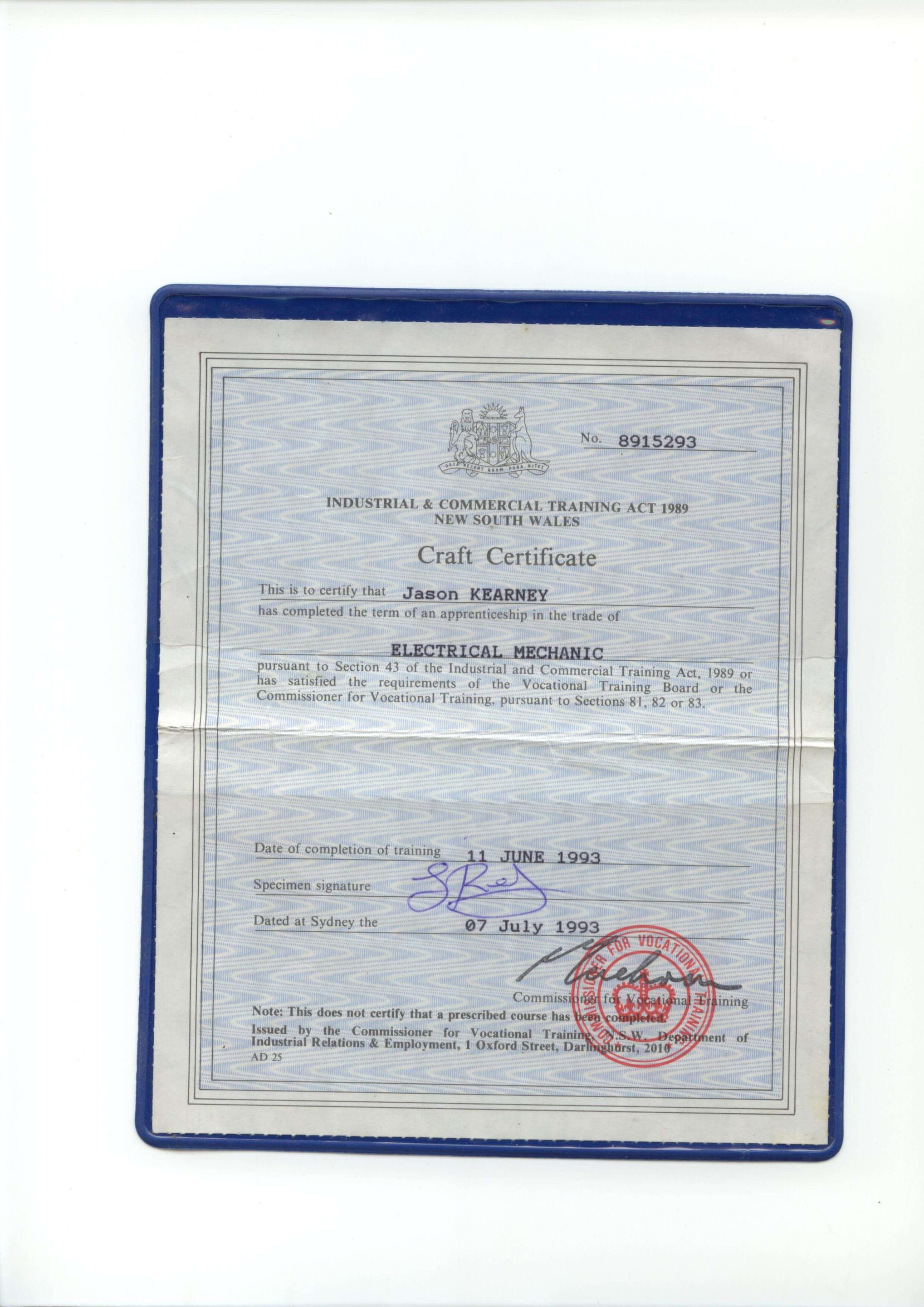
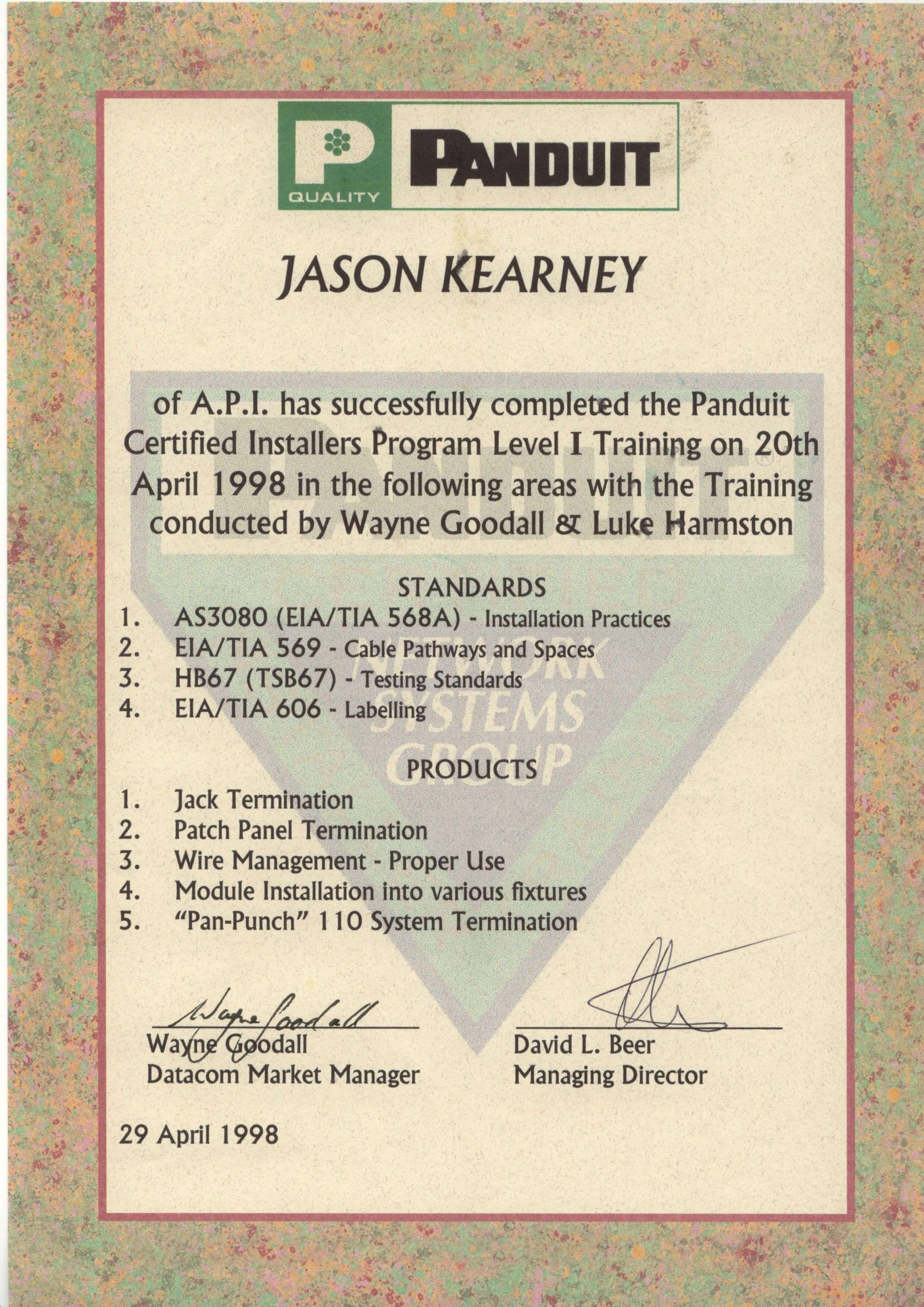
Secure A Com holds every licence and certification required to legally work on NBN and telecommunications infrastructure in Australia. Our master technicians are fully registered with ASIAL, an official national cabling registrar accredited by the Australian Communications and Media Authority (ACMA). When you book with us, you're engaging a properly registered cabler — not an unlicensed contractor. Click any certificate to view it in full.

JASON KEARNEY
Founder Jason Kearney is an Open Registered Cabler with 29 years of industry experience. In 1997, he was a manager for one of the first private contracting companies to work in the Telstra network following privatisation, leading the landmark CAN 2000 Project. Since establishing SECURE A COM in 2008, Jason has provided Sydney with independent, expert fault diagnosis and telecommunications solutions.




WHAT SYDNEY CUSTOMERS SAY


COMPANIES WE'VE WORKED FOR
From national banks to fast food chains — Sydney's biggest organisations trust us with their telecommunications infrastructure.


NBN · Data Cabling · Fibre · WiFi · Network Infrastructure











COMMON QUESTIONS ABOUT OUR SOUTH WESTERN SYDNEY SERVICE
Answers to the most common questions we receive about NBN fault diagnosis and internet technician services across South Western Sydney — FTTN houses in Liverpool and Fairfield, FTTB apartments in Liverpool CBD, FTTC properties in Edmondson Park and Prestons, and older homes in Cabramatta and Canley Vale.
SOUTH WESTERN SYDNEY'S
INTERNET TECHNICIAN.
LET'S FIX IT TODAY.
Book an independent, Open Registered Cabler internet technician for your South Western Sydney home or apartment. We attend on-site with professional test equipment, diagnose FTTN bridge tap faults in Liverpool and Fairfield homes, FTTB building wiring in Liverpool CBD, FTTC copper drop issues in Edmondson Park, and shared infrastructure faults in villa complexes — 90% resolved in a single visit.
Mon–Fri · FTTN, FTTB, FTTC & HFC All Serviced · South Western Sydney's Independent Internet Technician