
INTERNET
TECHNICIAN
WOOLLAHRA
FTTN & FTTB.
PADDINGTON TO DOUBLE BAY.
An internet technician from SECURE A COM diagnoses NBN faults across Woollahra — Paddington, Double Bay, Edgecliff, Darling Point, Rose Bay, Bellevue Hill, Point Piper, and Vaucluse. We specialise in FTTN bridge tap diagnosis in Paddington's Victorian terrace houses, where 19th-century telephone extension wiring degrades VDSL2 sync speed below plan rate, and FTTB building wiring diagnosis in Edgecliff and Double Bay apartments. An Open Registered Cabler (A10089) attends on-site, with 90% of faults resolved in a single visit.
WHY WOOLLAHRA INTERNET FAULTS GO UNFIXED
Woollahra LGA contains some of Sydney's oldest and most architecturally distinctive residential stock — Victorian terrace houses in Paddington built before Federation, post-war apartment blocks in Edgecliff and Double Bay, and waterfront properties exposed to harbour conditions in Rose Bay, Vaucluse, and Watsons Bay. The telecommunications infrastructure inside these properties ranges from 19th-century telephone extension wiring to ageing building comms room cabling that was never replaced during the NBN rollout. Here's why so many Woollahra internet faults remain unresolved.
FTTN Bridge Taps in Paddington's Victorian Terrace Houses — Multiple Telephone Extension Sockets Never Removed
Paddington's terrace houses were constructed between the 1860s and 1890s, forming one of the most intact Victorian-era streetscapes in Australia. Telephone services were installed in these properties during the 20th century — and as telephone usage grew, extension sockets were added in each room. A typical three-bedroom Paddington terrace might have three to six telephone extension sockets connecting front room, rear bedroom, hallway, kitchen, and any added study or second bathroom. Under FTTN (Fibre to the Node) NBN, the modem connects to the original copper pair at a single wall socket, but all other extension sockets remain electrically connected to that same pair in parallel. Each connected extension socket acts as a bridge tap — an unterminated stub that creates impedance variation and signal reflection on the VDSL2 copper pair. The cumulative effect of three or more bridge taps in a single Paddington terrace can reduce achievable download speed by 60–80% compared to the plan rate. ISPs cannot detect bridge taps through remote line testing and routinely close these faults as unresolvable.
ISP Scope Ends at the FTTN Node — Customer-Side Copper Pair and Extension Wiring Outside Their Remit
For FTTN connections — the dominant NBN technology in Paddington and across most of Woollahra's terrace house and residential precincts — NBN Co's and ISPs' contractual responsibility ends at the FTTN node cabinet on the street. The copper pair from the node to your property boundary, the lead-in cable, the connection block inside your home, and every extension socket throughout the property is classified as customer-side infrastructure. ISPs will perform a remote line attenuation test when you report a fault. If attenuation falls within their acceptable threshold band — which it frequently does even when bridge taps are present — the ticket is closed with "no fault found." The ISP has not physically visited the property, has not tested the premises-side copper, and has no mechanism to detect bridge tap impedance through remote testing. The systematic gap between what the ISP tests and what actually affects your internet speed is the primary reason FTTN faults in Paddington and across Woollahra LGA remain unresolved for months despite repeated ISP contact.
FTTB Apartments in Edgecliff, Double Bay, and Darling Point — Ageing Internal Building Wiring in Post-War Blocks
The eastern side of Woollahra LGA — Edgecliff, Double Bay, and Darling Point — contains significant post-war apartment building stock from the 1950s through the 1970s. These medium-rise blocks were built during a period of concentrated residential development along the harbour foreshore and near transport corridors. Under FTTB (Fibre to the Building), the NBN fibre terminates in the building's comms room or basement distribution point, and the connection to each apartment uses the building's existing internal cabling infrastructure. In Edgecliff and Double Bay buildings constructed through the 1950s and 1960s, this internal cabling is frequently original telephone-grade copper pairs — wiring that was never designed to carry modern broadband speeds. ISPs terminate responsibility at the building NTD and will not test, diagnose, or repair any cabling inside the building. The building owner or strata corporation owns this infrastructure but is typically unaware of the fault, because no party has ever tested the cable run to each specific apartment.
Heritage-Listed Properties — Complex Wiring Histories and Access Restrictions Across Multiple Renovation Eras
A substantial proportion of Paddington and the Woollahra village precinct falls within heritage conservation areas subject to the Woollahra Local Environmental Plan. Heritage listing constrains external modifications and structural alterations — meaning that cable rerouting, new wall penetrations, and conduit installation require careful consideration of heritage-compliant methods. Victorian terrace houses in Paddington typically have wiring that reflects multiple renovation eras: original 20th-century telephone pairs, extension sockets added in the 1970s, cable runs added during kitchen or bathroom extensions, and in some cases modern Cat 5e or coaxial cable installed by a previous owner but never fully documented. Tracing the actual active pair to the modem through this wiring history — and identifying which extension sockets are genuinely active versus dormant on the copper pair — requires physical on-site testing with a TDR, not remote diagnosis. Heritage requirements also affect how bridge taps are isolated: capping sockets at the wall plate is generally preferable to removing wall plates and rerunning cable through heritage fabric.
HFC Coaxial Signal Faults — Former Optus Cable Zones in Paddington and Double Bay
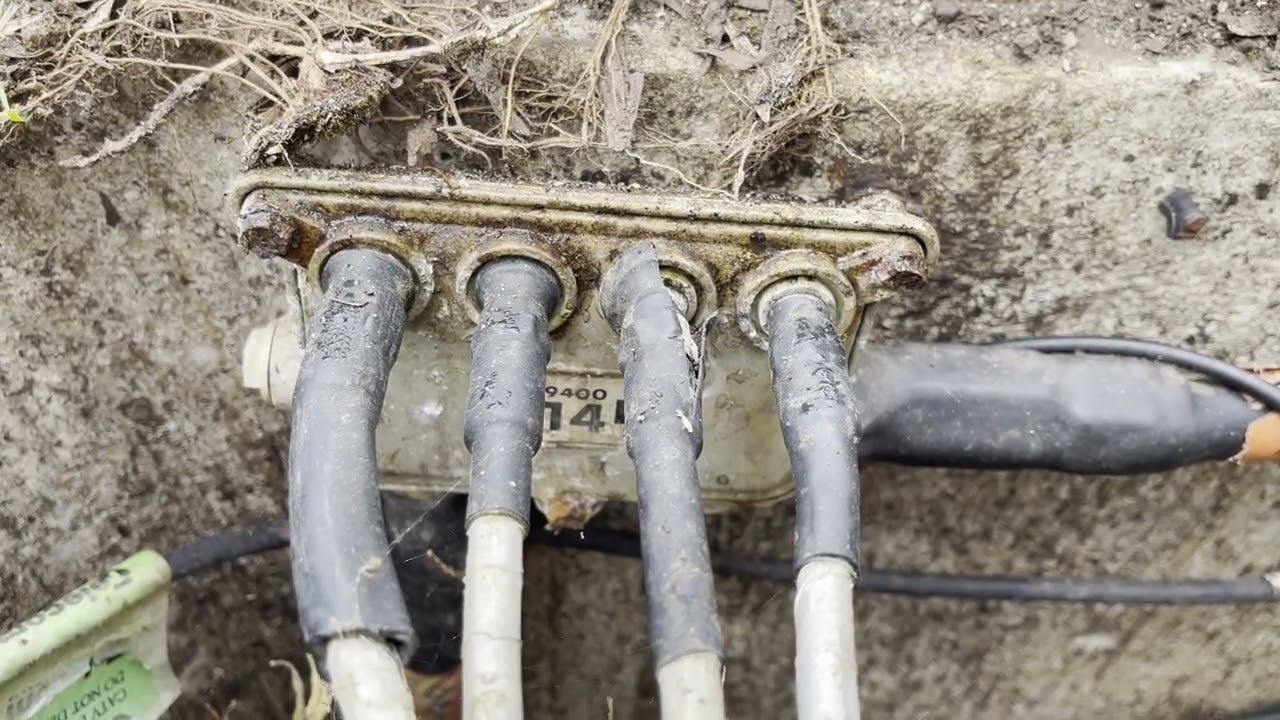
Parts of Paddington and Double Bay within Woollahra LGA are served by HFC (Hybrid Fibre Coaxial) connections from the former Optus cable network that was incorporated into the NBN rollout. HFC uses coaxial cable from a distribution node on the street to a cable outlet inside your premises. HFC faults in these areas typically involve corroded or loosened coaxial connectors at the external entry point where the cable transitions from the street network into the premises, a degraded signal splitter that feeds multiple television and internet points from a single coaxial entry, aged RG-6 cable with compromised shielding from years of UV and weather exposure, or physical damage to the external cable run. ISPs can remotely monitor HFC signal levels at the node but cannot detect connector corrosion, splitter degradation, or cable damage inside or at the premises boundary. Paddington's dense terrace streetscapes mean external cable runs are often routed through narrow laneways and along shared boundary walls, creating elevated risk of physical damage during neighbouring renovation works.
Coastal and Waterfront Exposure — Moisture Ingress at Rose Bay, Point Piper, Vaucluse, and Watsons Bay
The eastern and harbour-facing suburbs of Woollahra LGA — Rose Bay, Point Piper, Vaucluse, and Watsons Bay — sit directly on or adjacent to Sydney Harbour and the Pacific Ocean. Properties in these areas face sustained salt air exposure, elevated humidity, and in some cases direct spray or flooding during east coast lows. For FTTN connections in these suburbs, the most common fault category is moisture and salt ingress at the lead-in cable entry point: the conduit seal where the copper pair enters the property from the street is a chronic failure point for harbour-exposed properties, as expansion and contraction cycles crack sealant over years. Once moisture enters the conduit, it progressively degrades cable insulation and increases line attenuation over time — initially causing marginal speed reduction, then sync instability, then complete dropouts during wet weather. ISPs do not test insulation resistance remotely. We measure insulation resistance and line attenuation at the socket and at the entry point to identify moisture-related faults on the same visit.
YOUR INDEPENDENT INTERNET TECHNICIAN —
SERVICING ALL WOOLLAHRA
SECURE A COM is an independent, Open Registered Cabler (A10089) based in Miranda, Sutherland Shire — approximately 35–45 minutes from Woollahra LGA depending on suburb. We attend on-site with professional test equipment: TDR for FTTN bridge tap tracing in Paddington Victorian terraces, VDSL2 analysers, cable testers for FTTB building wiring in Edgecliff and Double Bay apartments, HFC signal meters, and insulation resistance testers for waterfront and coastal properties. We work within heritage constraints, pre-coordinate strata access for apartment buildings, and fix the physical fault the ISP cannot reach — on the same visit in 90% of cases.
Book a Woollahra TechnicianWATCH US EXPOSE THE REAL FAULT
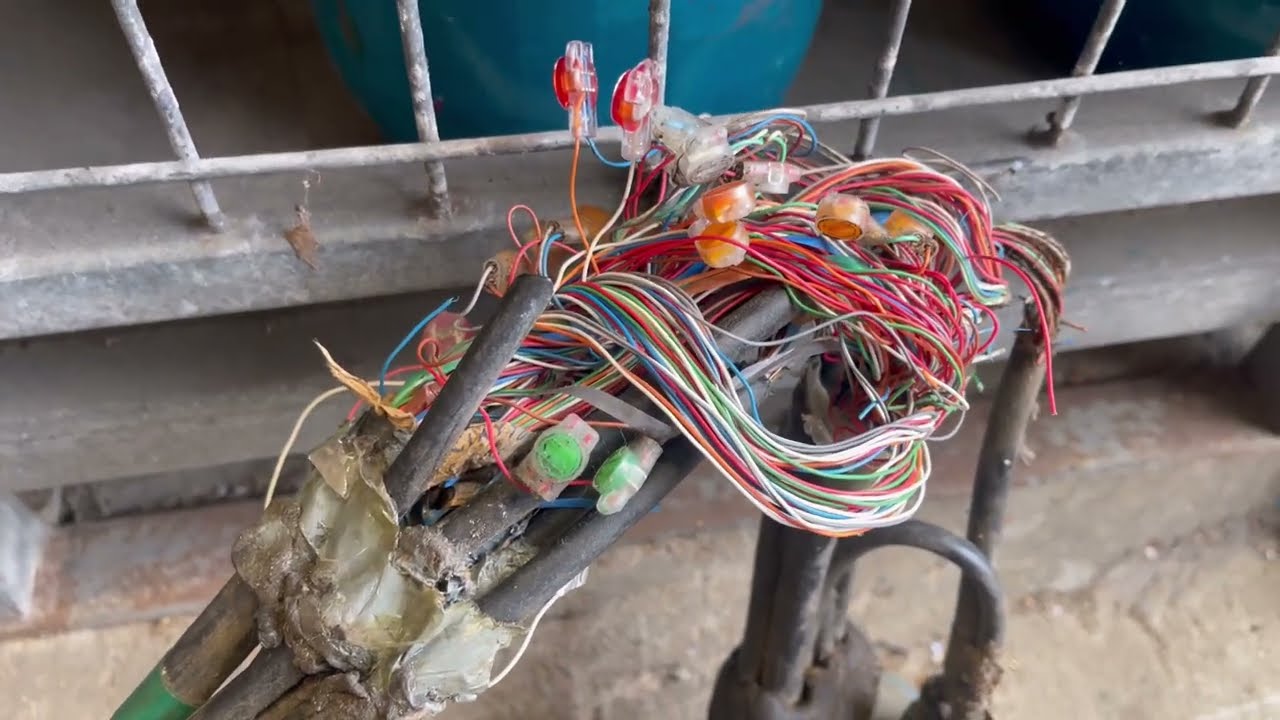
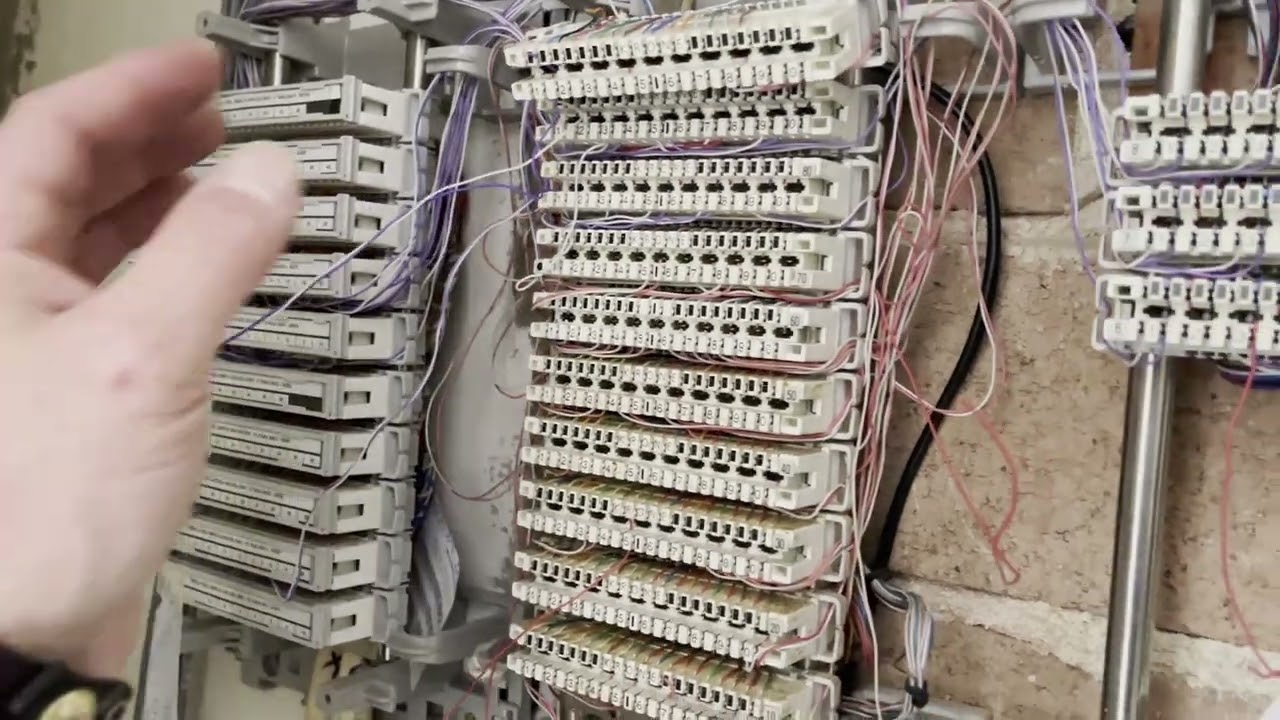
These aren't staged demos. Every video is a real Sydney job where we were called in after the ISP said nothing was wrong — and found exactly what they missed. Watch the full diagnostic process, on camera.
INTERNET & TELECOM SERVICES
From FTTN bridge tap removal in Paddington's Victorian terrace houses and FTTB building wiring replacement in Edgecliff and Double Bay apartment blocks, to HFC coaxial fault diagnosis in Paddington and Double Bay, and insulation resistance testing for coastal Rose Bay and Vaucluse properties — SECURE A COM provides licensed, on-site internet technician services across all of Woollahra LGA. Paddington, Woollahra, Double Bay, Edgecliff, Darling Point, Rose Bay, Bellevue Hill, Point Piper, Vaucluse, and Watsons Bay all serviced.
Internet Technician NSW (All Locations)
View the full NSW internet technician page — covering Greater Sydney and state-wide locations. FTTN bridge tap removal in Paddington terraces, FTTB building wiring diagnosis, and on-site NBN repairs wherever you are in New South Wales.
View NSW internet technician serviceMDF Jumpering for Apartments
Post-war apartment buildings in Edgecliff, Double Bay, and Darling Point frequently have MDF (Main Distribution Frame) infrastructure in their comms rooms that dates to the original building construction. Incorrect pair assignments, corroded Krone IDC blocks, and mislabelled jumpering are common alongside FTTB wiring faults. We access comms rooms, test and repair MDF pair assignments on the same visit.
MDF jumpering for apartmentsPrivate NBN Technician
ISP says the FTTN line is within spec — but your Paddington terrace internet is running at 20% of plan speed. Our independent private NBN technicians investigate what ISPs cannot: bridge taps from Victorian telephone extension wiring, FTTB apartment cable runs in Edgecliff and Double Bay, HFC coax faults in Paddington, and moisture damage in coastal Rose Bay and Vaucluse properties.
Hire a private NBN technicianInternet Fault Finding Woollahra
Dropouts, slow speeds, intermittent connection, or internet below plan speed across Paddington, Woollahra, Double Bay, Edgecliff, Darling Point, Rose Bay, Bellevue Hill, Point Piper, Vaucluse, or Watsons Bay. Our fault finding service identifies the physical cause using professional test equipment — FTTN, FTTB, HFC, and FTTC connections all tested on-site.
Internet fault finding servicesNBN Fault Repair Woollahra
Bridge tap isolation and extension socket termination for FTTN terrace houses; Cat 5e cable replacement in apartment comms rooms for FTTB; HFC coaxial connector repair and splitter replacement; insulation resistance and lead-in repair for coastal properties — we carry out repairs on-site within the same service call across all Woollahra connection types and suburbs.
NBN fault repair servicesData Cabling Woollahra
Once bridge taps are removed from a Paddington terrace's telephone extension wiring, many owners choose to convert unused extension points to Cat 6 Ethernet outlets — eliminating the fault source permanently and adding hardwired internet points throughout the property. We install Cat 6 data outlets in Victorian terraces, post-war apartments, and waterfront homes across all Woollahra suburbs.
Data cabling installationWiFi Solutions Woollahra
After fixing the physical line fault, Wi-Fi dead zones are a separate issue — particularly in Paddington's Victorian terraces with thick sandstone or brick party walls that absorb signal, and in large Double Bay and Rose Bay homes. We assess, plan, and implement wireless coverage solutions — mesh Wi-Fi or wired access points — across Woollahra properties of all sizes and heritage construction types.
Fix WiFi coverage problemsPhone Line Repair Woollahra
Crackling landline, no dial tone, or VoIP faults on your NBN phone service. We diagnose and repair copper phone line faults at Woollahra homes and apartment premises — Paddington, Woollahra, Double Bay, Edgecliff, Darling Point, Rose Bay, Bellevue Hill, Point Piper, Vaucluse, and Watsons Bay all serviced.
Phone line repair servicesFROM YOUR FIRST CALL TO FIXED — ACROSS WOOLLAHRA
Here's exactly what happens when you book an internet technician with SECURE A COM in Woollahra. We travel from our Miranda base — approximately 35–45 minutes depending on your suburb — arrive on-site with professional test equipment, and diagnose FTTN, FTTB, HFC, and FTTC faults across all Woollahra suburbs. Most faults resolved on the same visit.
Book Online — Tell Us Your Connection Type, Whether You're in a Terrace or Apartment, and the Suburb
Call us on 02 9188 1577 or use the online booking form. Tell us your NBN connection type if you know it (FTTN for most Paddington terrace houses, FTTB for Edgecliff and Double Bay apartments, HFC for parts of Paddington and Double Bay), your Woollahra suburb, and what's happening — slow speeds in a Paddington terrace, dropouts in a Double Bay apartment, or intermittent connection in a Rose Bay house. For Paddington heritage terrace houses, let us know if the property has had significant renovations — extension sockets added during kitchen or bathroom extensions in different decades can create a more complex bridge tap profile than a typical 1970s extension wiring job. For apartments, advise whether strata or building management access to the comms room is required, so we can pre-coordinate before the visit. You don't need technical knowledge — describe what's happening and we'll assess the most likely fault before we arrive.
We Confirm Your Appointment — Heritage Access and Strata Comms Room Pre-Arranged Where Needed
We confirm a specific arrival window — not a half-day block. Woollahra varies in travel time from our Miranda base: Paddington is approximately 35 minutes; Double Bay and Edgecliff approximately 38 minutes; Rose Bay and Bellevue Hill approximately 40 minutes; Vaucluse and Watsons Bay approximately 42–45 minutes. For Paddington terrace houses with heritage-listed comms entry points or shared party wall cable routes, we advise on any access requirements before the visit. For Edgecliff and Double Bay apartment buildings, we advise on strata comms room key arrangements — post-war blocks in these suburbs typically have basement or ground-floor comms rooms that require a strata manager key, and we guide you through that process so the access is confirmed before we arrive. We confirm the appointment with a specific time, not a window, and advise if any preparation is needed from your side.
On-Site Fault Diagnosis — TDR Bridge Tap Tracing for FTTN, FTTB Comms Room, HFC Signal Testing
We arrive with professional test equipment — TDR for bridge tap tracing, VDSL2 analysers, cable testers, HFC signal meters, and insulation resistance testers — and carry out a systematic diagnosis. For FTTN Paddington terrace houses, we connect the TDR at the modem wall socket and scan the copper pair: the TDR identifies the precise distance along the copper pair to each bridge tap junction, telling us exactly which extension socket is causing the fault and where it is in the property. This allows targeted isolation of individual extension sockets rather than guesswork. For FTTB apartments in Edgecliff and Double Bay, we access the building comms room, confirm the NTD is syncing at full rate, then trace and test the cable run from the comms room to your specific apartment, measuring cable type and speed at your wall socket. For HFC connections in Paddington or Double Bay, we test signal levels from the external coaxial entry point through any splitters to the modem socket. For coastal Rose Bay, Bellevue Hill, and Vaucluse FTTN properties, we add insulation resistance testing at the lead-in entry point to check for moisture ingress. This is the on-site physical investigation your ISP has never performed.
Repair Carried Out On-Site — Same Visit
In 90% of cases we carry out the repair on the same visit. For FTTN Paddington terrace houses, bridge tap repair typically means isolating the extension socket's connection to the copper pair at the IDC block — either by removing the extension socket's wire pair from the IDC terminal or by capping the socket at the wall plate in a way that is reversible and heritage-compliant. In most cases we leave the socket physically in place (no wall damage) but electrically disconnected from the copper pair. For FTTB apartments in Edgecliff and Double Bay, repair means replacing the old internal cable run from the comms room patch panel to the apartment wall socket with Cat 5e, or re-terminating a corroded connection. For HFC, we replace faulty splitters, repair corroded coaxial connectors, or replace a degraded external cable section. For moisture-affected coastal properties, we reseal the lead-in entry conduit and repair the affected cable section. Where the fault is network-side — an FTTN node issue or building NTD failure — we provide written documentation the ISP cannot dismiss.
Speed Verified, Guarantee Issued, and Documentation for Heritage or Strata Properties
Before we leave, we re-test your connection speed at the wall socket and confirm the fault is resolved. We walk you through what we found and what was done — the TDR bridge tap results, the before and after speeds, what was changed. You receive a 12-month workmanship guarantee on all repairs. If the same fault recurs within 12 months due to our workmanship, we return at no additional charge. For heritage-listed Paddington terrace houses or Woollahra conservation area properties, we provide written documentation of the work carried out, the method used, and confirmation that no heritage fabric was permanently altered — useful for body corporate or council records. For strata apartment buildings in Edgecliff and Double Bay, we provide documentation for the building manager identifying the repaired cable run and noting any other units in the building on similar-vintage wiring that may benefit from a proactive inspection. Full terms at secureacom.com.au/terms-conditions
Based in Sutherland Shire — We Travel to Woollahra Regularly
SECURE A COM is headquartered in Miranda, Sutherland Shire. Woollahra LGA is approximately 35–45 minutes from our base depending on suburb — Paddington is typically around 35 minutes; Double Bay and Edgecliff approximately 38 minutes; Rose Bay and Bellevue Hill approximately 40 minutes; Vaucluse and Watsons Bay approximately 42–45 minutes. We created this page because we service Woollahra regularly — FTTN bridge tap diagnosis in Paddington's Victorian terrace houses is a fault category we attend to frequently, FTTB building wiring diagnosis in the post-war apartment blocks of Edgecliff and Double Bay, HFC coaxial faults in Paddington and Double Bay, and moisture-related faults in coastal and harbour-front properties across Rose Bay, Point Piper, Vaucluse, and Watsons Bay. Woollahra LGA is within our standard Greater Sydney service area — no travel surcharge applies for any suburb listed on this page. The FTTN bridge tap fault type is particularly underserved in Woollahra because ISPs routinely clear these as "no fault found" — which is precisely why an independent on-site technician with a TDR is the only way to resolve them. See our Terms & Conditions for full service area and travel charge details.
// Ready to book your on-site Woollahra diagnosis?
Book a Woollahra Internet Technician Mon–Fri · FTTN, FTTB, HFC & FTTC Serviced · 90% Fixed Same VisitONE PRICE. NO SURPRISES.
A single fixed fee covers your on-site diagnosis and repair across Woollahra. FTTN terrace houses in Paddington and across Woollahra; FTTB apartments in Edgecliff, Double Bay, and Darling Point; HFC connections in Paddington and Double Bay; and coastal properties in Rose Bay, Vaucluse, and Watsons Bay — no additional charge for connection type, suburb, or heritage property complexity.
GST inclusive. Includes one hour on-site with an Open Registered Cabler and travel within Greater Sydney — Woollahra LGA is within our standard service area, no additional travel surcharge. See full Terms & Conditions →
PRICING FAQ
LICENSED. CERTIFIED. ACCOUNTABLE.
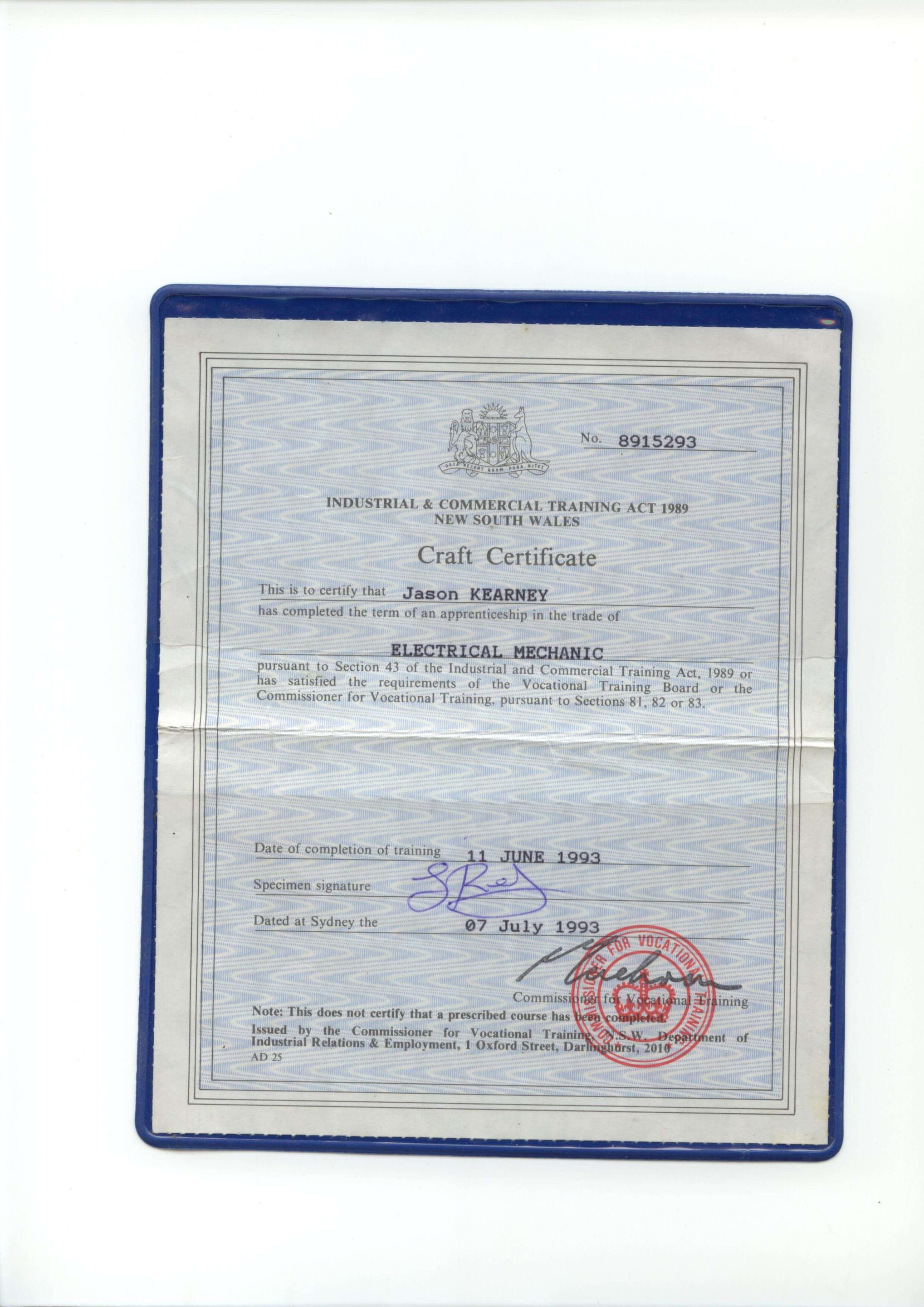
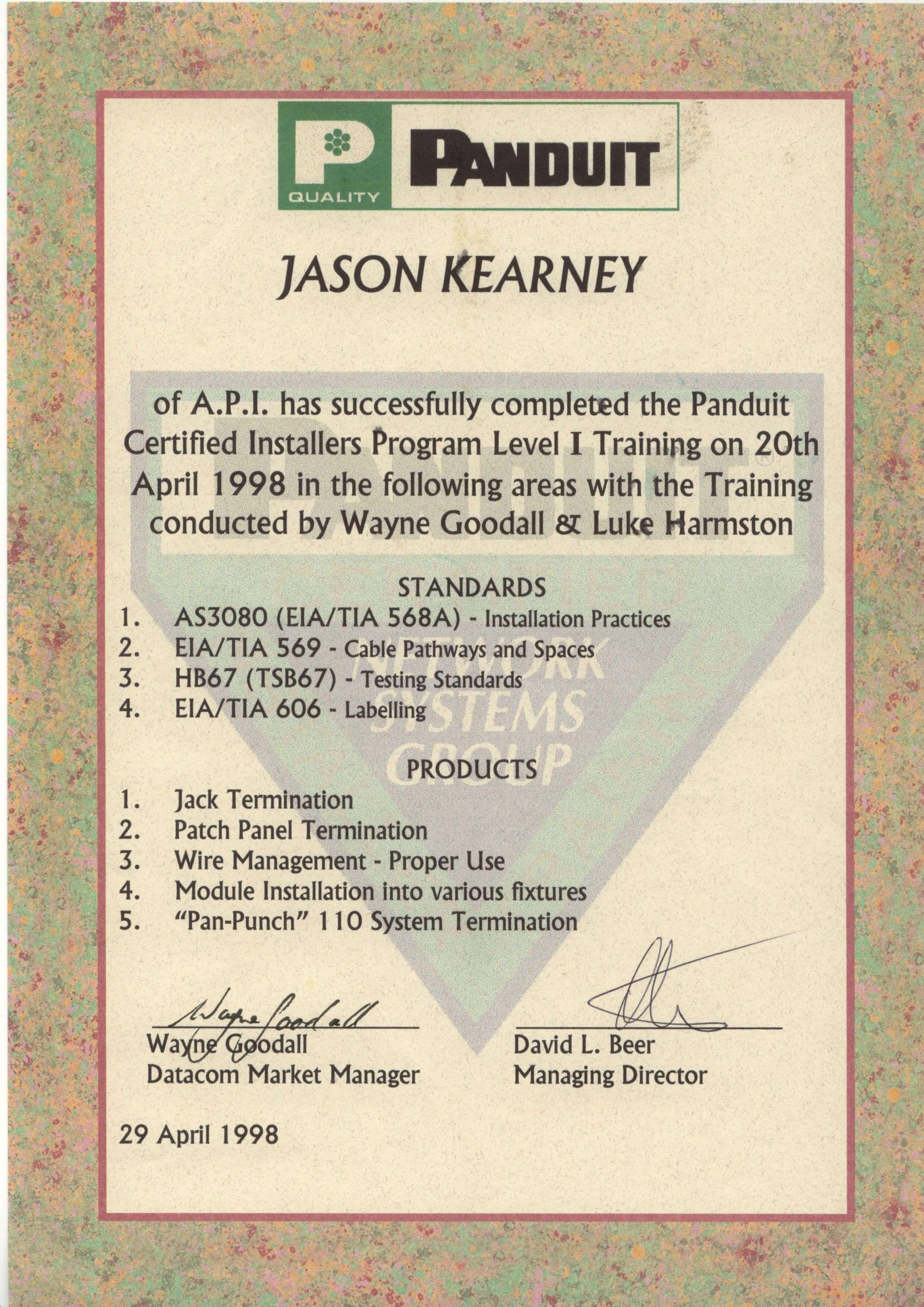
Secure A Com holds every licence and certification required to legally work on NBN and telecommunications infrastructure in Australia. Our master technicians are fully registered with ASIAL, an official national cabling registrar accredited by the Australian Communications and Media Authority (ACMA). When you book with us, you're engaging a properly registered cabler — not an unlicensed contractor. Click any certificate to view it in full.

JASON KEARNEY
Founder Jason Kearney is an Open Registered Cabler with 29 years of industry experience. In 1997, he was a manager for one of the first private contracting companies to work in the Telstra network following privatisation, leading the landmark CAN 2000 Project. Since establishing SECURE A COM in 2008, Jason has provided Sydney with independent, expert fault diagnosis and telecommunications solutions.




WHAT SYDNEY CUSTOMERS SAY


COMPANIES WE'VE WORKED FOR
From national banks to fast food chains — Sydney's biggest organisations trust us with their telecommunications infrastructure.


NBN · Data Cabling · Fibre · WiFi · Network Infrastructure











COMMON QUESTIONS ABOUT OUR WOOLLAHRA SERVICE
Answers to the most common questions we receive about NBN fault diagnosis and internet technician services across Woollahra — FTTN bridge tap faults in Paddington Victorian terrace houses, FTTB apartments in Edgecliff and Double Bay, HFC connections in Paddington and Double Bay, and coastal moisture faults across Rose Bay, Vaucluse, and Watsons Bay.
WOOLLAHRA'S INTERNET TECHNICIAN.
LET'S FIX IT TODAY.
Book an independent, Open Registered Cabler internet technician for your Woollahra home or apartment. We attend on-site with professional test equipment, diagnose FTTN bridge taps in Paddington's Victorian terrace houses, FTTB building wiring in Edgecliff and Double Bay apartments, HFC faults in Paddington and Double Bay, and moisture-related issues across Rose Bay, Vaucluse, and Watsons Bay — 90% resolved in a single visit.
Mon–Fri · FTTN, FTTB, HFC & FTTC All Serviced · Woollahra's Independent Internet Technician