
Independent internet technician · Not NBN Co, not an ISP
Internet technician in St George, for the line that two technicians could not fix.
Someone's already been out, sometimes twice, and the internet still drops out or the NBN box still won't connect. We test from your socket back to where the line leaves your property, and tell you in writing which side the fault is on. $250 inc. GST service call, first hour on site and travel up to 40 km included.
Book a technicianContact us Play the 1 min SECURE A COM film (opens in a new tab)


Trusted by 1,000+ businesses
- 39% of St George fault callers had a technician out before us From our St George call records ›
- 32% of St George connections we know are fibre to the curb From our St George call records ›
- 21% of St George properties we know are units From our St George call records ›
- 29% of St George faults that pointed one way pointed to the network From our St George call records ›
-
Marty Lawson
★★★★★Jason identified an issue we'd had for some time on our network and hadn't been able to resolve. He also fixed up some other issues we had. He did this in a professional and friendly manner. Would definitely recommend.
Read more Show less
-
Guy Ingleby
★★★★★Great service by Jason. Up and running and he was prompt and on time. Thanks Secure A Com.
-
11 11
★★★★★Prompt, corteous and professional service by SECURE A COM. Jason was able to immediatley identify abnormal interference across our MDF. Part of persistent issue we've had with our FTTB connection for several years now. Highly recommended, especially where other technicians have failed.
Read more Show less
-
Scott Roberts
★★★★★Thanks Jason, sorted out my NBN issue in no time, and provided some really useful information regarding my setup. Highly recommended, Jason provided a very professional, knowledgeable and courteous service.
Read more Show less
-
William Rea
★★★★★Jason really knows his stuff. If you have trouble with phone or internet ring secure a com. They will find the problem and tell you the best way to fix it and if it is a network problem or phone company problem and they should fix it. Great work Jason, will use you again if needed. Thanks again Secure A Com.
Read more Show less
-
Gary Rockliff
★★★★★Jason is a true professional. A former highly skilled Telstra technician, Jason has wealth of knowledge and he understands the frustrations of both residential and business users. He knows the network inside out, thats why I refer my clients with network issues to Jason. Cheers Gary
Read more Show less
-
Juan Alvear
★★★★★Had NBN installed, but the other phones in the house didn't. They go all our phones working again. Very very happy.
-
David White
★★★★★Outstanding service! After waiting for even a call back from another service, tried these guys and had an appointment for the following day organised straight away. Came on time and fixed the problem in half an hour. Highly recommended.
Read more Show less
Sound familiar?
Your St George line has been looked at. Has it been tested?
Of every ten St George callers with a fault, close to four have already had a technician round.
We're independent, not the provider and not NBN. On a St George visit we measure the copper, the joints, the box and the wiring inside, and the answer comes in writing: which part fails.
Read moreShow less
More of the St George connections we hear about run over copper than anywhere else we cover. Fibre to the curb brings fibre to a small unit in the pit outside and uses the old phone line for the last few metres into the house, so the connection is only as good as that line, its joints and whatever is still wired to it inside.
That shows in what people ring about. Fault finding and the cable in from the street are level as the two biggest reasons for a call, with phone lines third. On a fibre to the curb line the first things we test are the ones on your side: an old phone socket still connected to the line, an old lead-in cable, a joint that has let water in.
Units are a bigger part of the work here than in the Shire. In a unit block the line also passes through the building’s frame, the MDF, and a pair connected to the wrong terminals there looks exactly like a network fault from inside the unit.
Free advice
Before you book in St George, try these at home
What we’d ask you to try first if you rang us from St George. Each one costs nothing.
Keep this list handy
Get all seven checks as a one-page PDF for the next time your provider says it's not them.
Send me the free guide- Plug a laptop straight into the router with a cable. Run a speed test while the problem is happening. Fast on the cable and slow on wifi: it is the wifi, and the WiFi Technician page is the one you want. Slow, or dropping out, on the cable too: keep reading, it is the connection.
- Look at the lights on the box on the wall. The NBN box, sometimes called the NTD, tells you which part of the connection is alive. Only the power light on is not a wiring problem in the house. What the lights on the NBN box mean explains each one.
- Reset the box and the router properly, once. Hold the reset on the box until every light flashes, then let it come back. Router off for thirty seconds, then on; if it was ever factory reset, it needs its settings put back before it will connect.
- Ask next door. If the neighbours are down too, it is the street, not your house, and nothing inside will fix it. Ring your provider and wait for them.
- If your provider says it is your wiring, ask for that in writing. Then ring us. If our testing shows the fault is not in your house, the full escalation report is what you send them.
- In a unit, ask your provider for your cable pair details first. They save an hour at the MDF, the frame in the basement where the street cables meet the building’s, and they tell us which pair is yours.
- If an NBN technician is already booked, let them come first. They test to the boundary at no charge. If they say it is not theirs, that is when to book us.
Recognise it?
Dead, dropping out or crawling: how a St George fault shows itself
The box won't connect, whoever comes out.
A dead connection is what St George callers describe most: 23 of the 67 who told us what was wrong. On fibre to the curb, a box with no connection light points down the copper, not at the modem.
Usually points to: the copper between the box and the street.
Read moreShow less
Nothing on any device, the NBN box sitting there without its connection light, and sometimes two visits already behind you. That was the Sans Souci call in 2024: a fibre to the curb house where two technicians had been.
When the connection light never comes on, the box isn't hearing the network, so swapping the modem won't change anything. On fibre to the curb the first test is the copper pair from the box back to the street, then every joint and old socket on it. On HFC the same sign points at the cable to the wall box outside, or past it.
What it usually points to. No connection light: the copper or the cable from the street, not the modem. Box lit and the modem dead: the modem.
The NBN box lights, one by one ›Repairing a dead NBN service ›
Up and down through the day, then gone.
Drop-outs came second in what St George callers described, 11 of 67. On copper, look first at joints that let water in and old sockets still on the line. On HFC, at corroded fittings outside.
Usually points to: a wet joint, an old socket, or a tired fitting outside.
Read moreShow less
Speed rising and falling at different times of day, then the connection dropping and coming back. A Kogarah unit owner rang with exactly that in 2025, and suspected the old lead-in, because another unit in the same building had turned out to be on it.
The pattern is worth noting before we come. Worse after rain points outside, to a joint or the lead-in. Steady through any weather points inside, to the sockets or the modem. A laptop cabled straight into the box, left running through a drop-out, shows whether the house is part of it, so long as the box has let the laptop on; one still locked to the old router hasn't.
What it usually points to. After rain: a joint or the lead-in. Any weather: an old socket, the wiring or the modem. A cable straight into the box settles it.
The fastest plan, and it's still slow.
Nine of the 67 St George fault callers said slow. A faster plan can't fix a line that can't carry it, so the line gets tested before anyone upgrades again.
Usually points to: what the line can carry, not the plan.
Read moreShow less
Slow on every device, even after moving to the top plan. The Blakehurst call in 2024 was that: a house on HFC, slow and dropping out, after NBN, the provider and another company had all been.
Run a speed test on a laptop cabled to the router while it's slow. If the cable is quick and the wifi isn't, the signal is the problem, and that's a wifi job. If the cable is slow too, it's the line or what hangs off it: old copper and its joints on fibre to the curb, the fittings between the street and the box on HFC.
What it usually points to. Wifi alone slow: the signal. Cable slow as well: the line, its joints or the fittings outside.
Wifi slow, cable fine: the WiFi technician page ›Repairing a slow line ›
The landline crackles, or the extension's gone quiet.
Phone lines are behind 29 of the 191 St George enquiries, close behind the top two reasons. On fibre to the curb, an extension still wired to the copper can hurt the internet as well as the phone.
Usually points to: the extension sockets, and the copper they hang off.
Read moreShow less
A crackle on the landline, no dial tone in one room, or a phone that only works plugged into the modem. Six St George fault callers described a dead or noisy line.
Since the NBN, the phone service comes from a port on the modem, and extensions only work if they're wired back to it. On fibre to the curb, an old extension left on the incoming copper is a branch off the line, a bridge tap, and it drags the internet down too. It comes off, and the sockets you want are wired to the modem.
What it usually points to. One room dead: that extension isn't wired to the modem. Noise on the line: the copper, or a joint on it.
The usual suspects
What’s wrong when a St George line plays up
More of the connections we hear about here run over copper than anywhere else we cover. The line is only as good as its joints and whatever is still wired to it inside.
- The old lead-in.
The cable from the street, decades old, with joints that let the water in.
Read moreShow less
Getting a cable in from the street is joint top of the St George list, 34 of 191 enquiries. On fibre to the curb that cable is often the original copper lead-in, and a joint in a pit or under the house that takes in water shows up as speed rising and falling. Up to the boundary it’s NBN’s and goes to your provider in writing; past it, it’s replaced.
- Old sockets on the copper.
Extension sockets from the landline days, still on the line and splitting the signal.
Read moreShow less
Fibre to the curb uses the house’s copper for the last stretch. Every extension left on that copper is a branch that costs speed. They’re disconnected, and the line runs to the one socket the modem uses.
- The NBN box itself.
A box that never shows its connection light, whatever modem goes in.
Read moreShow less
No connection at all is what St George callers describe most, 23 of 67. When the box on the wall never lights its connection light, the modem isn’t the problem. The copper back to the street is tested first, and a box that has failed is the network’s to replace.
- The wiring inside.
A socket loose behind its plate, or a run that's been crushed or joined badly.
Read moreShow less
Of the St George calls that pointed one way, 35 pointed inside the property and 14 to the network. Inside means the sockets, the joints in the walls and the run to wherever the modem sits. Each is tested with the rest disconnected, and what’s faulty gets repaired then and there if the first hour stretches to it.
- Corrosion on the cable network.
On HFC, rust at the tap in the street or an old isolator on the wall outside.
Read moreShow less
HFC is about a quarter of the St George connections we know, 23 of 96. Its weak points are mostly outside: the tap in the street pit, the isolator on the wall and the fittings between them. Wet weather and heat both show them up, as at the Penshurst job below. The house side is tested first; the street side goes to your provider with what we found.
- A pair on the wrong terminals.
In a unit block, a jumper on the wrong terminals passes for a network fault.
Read moreShow less
Units are a fifth of the St George properties we know about, 32 of 154, and 12 enquiries were frame jobs. On a frame downstairs or in a comms cupboard, a jumper connects your pair to your unit. On the wrong terminals the unit is dead while the network tests fine. It’s traced from your socket and fixed at the frame.
- The modem.
Wrong port, wiped settings, or simply old. One cable test before you buy another.
Read moreShow less
Of the St George calls with a fault side recorded, 8 pointed at the equipment: a modem plugged into the wrong port, wiped by a reset and never reconfigured, or simply worn out. A laptop cabled straight into the NBN box shows whether the modem is to blame before anything gets replaced.
- The granny flat.
A flat out the back with no connection of its own, or wifi that won't cross the yard.
Read moreShow less
Granny flats come up in 16 of the 154 St George enquiries with a known property. The flat either gets a cable from the house or a connection of its own, and that depends on what already runs between the buildings and how the address is registered. It’s quoted once we’ve seen both.
The way in
Why the cable in from the street matters so much in St George
The lead-in is tied for the top reason St George callers ring, level with fault hunts. On fibre to the curb that cable is old copper, and a joint that takes in water, or a cable patched once before, can make the speed rise and fall.
Read moreShow less
Thirty-four of the 191 St George enquiries were about the lead-in or its conduit, the same number as fault hunts. Fibre to the curb, the most common St George connection in our records at 31 of 96, takes the fibre to a small unit in the pit and relies on that lead-in’s copper for the final stretch.
Two St George calls show the pattern. In Kogarah, a unit owner whose speed rose and fell suspected the old lead-in, because another unit in the building had been on it. In Sans Souci, with no connection light at all after two technicians, the copper between the box and the street was the first thing to test. The test at the boundary tells you whose it is before anything gets dug up.
Unit blocks
In a St George apartment, the fault can sit at the frame downstairs
A fifth of the St George properties we hear from are units. In a block, your line passes through a frame downstairs or in a cupboard before it reaches you, and a jumper on the wrong pair there looks exactly like the network has failed.
Read moreShow less
Where we know the property, 32 of the 154 St George enquiries came from a unit, and a dozen were frame jobs. The street cable lands on the frame, and a short jumper wire joins the network pair to the pair that runs up to your unit. If that jumper is on the wrong terminals, or was disturbed during work on a neighbour’s line, your unit goes dead while the network tests fine.
So the line is tested twice: at the socket in your unit and down at the frame. If the frame shows the service arriving and the socket doesn’t, the fault is in the building’s run or the jumper. If the frame shows nothing, it’s the network’s, and that’s what goes in writing. Your provider’s cable pair details, asked for before we come, save time at the frame.
How it works
From the pit to your socket: a St George visit in four steps
Every visit finishes with a written answer. Testing goes as far as the network boundary and no further, because the network is NBN’s and we’re independent of it. In St George that boundary is most often the first socket on fibre to the curb, the box on HFC, or the frame in a unit block.
-
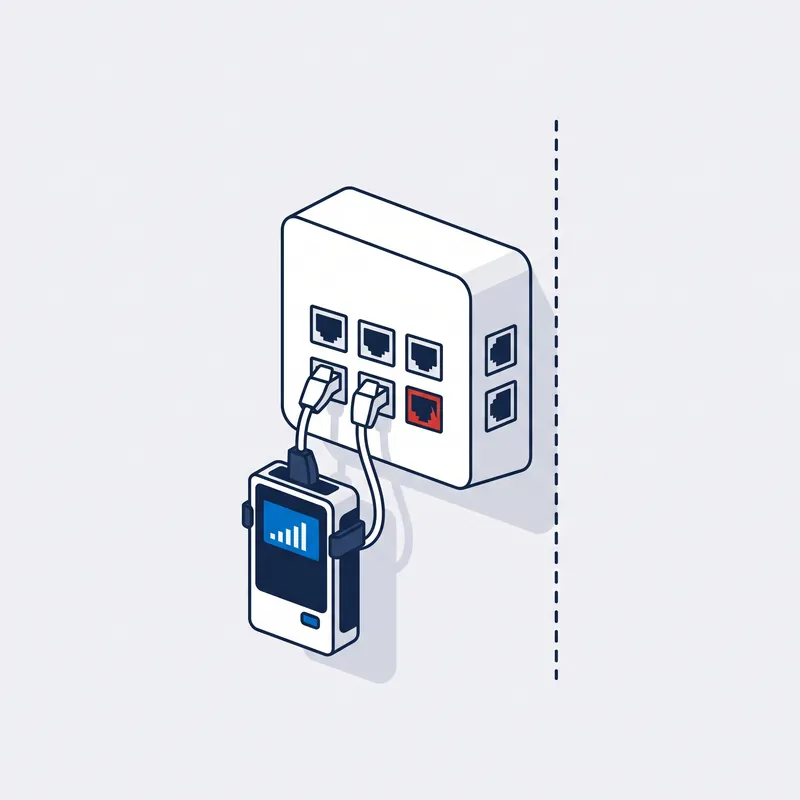
Measure where the network stops.
On fibre to the curb, at the first socket or where the lead-in enters. On HFC, at the NBN box. In a unit, at the frame. What arrives there decides whether the fault is in the property.
-
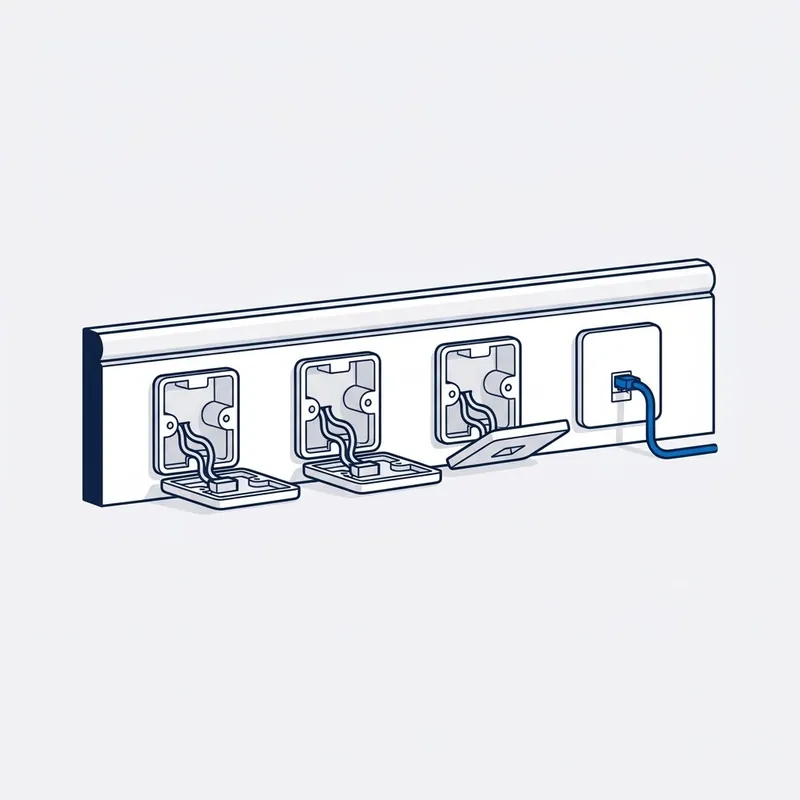
Strip it back to one socket.
Extensions lifted off the line, the modem set aside, a laptop cabled straight to the box. The line is measured again and set against the first reading.
-
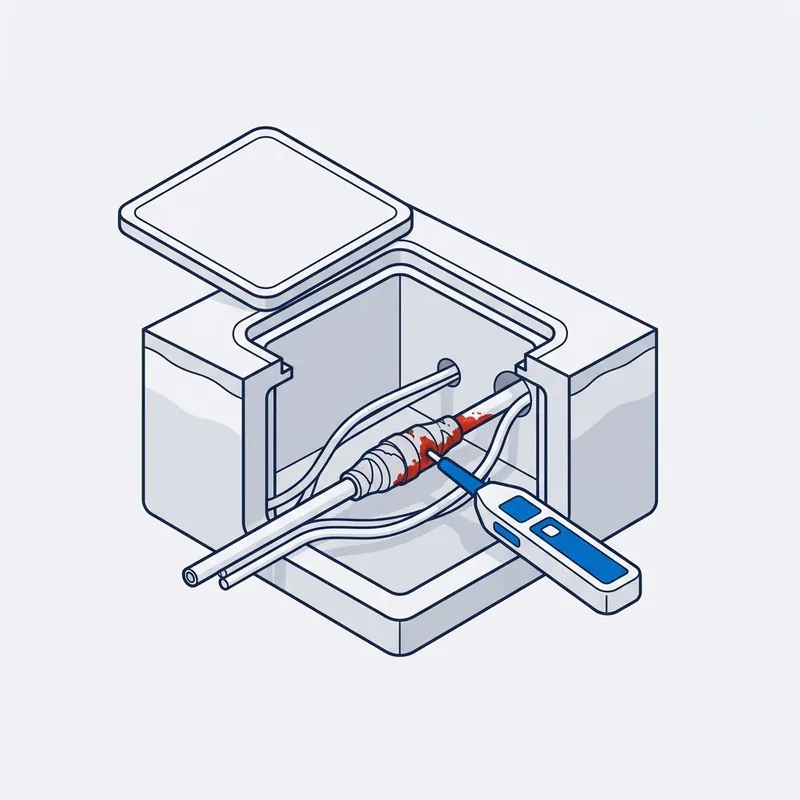
Chase the difference.
If the house changes the reading, each socket, joint and run is checked in turn. If it doesn't, the lead-in and its joints are tested back towards the pit, or the frame in a unit block.
-
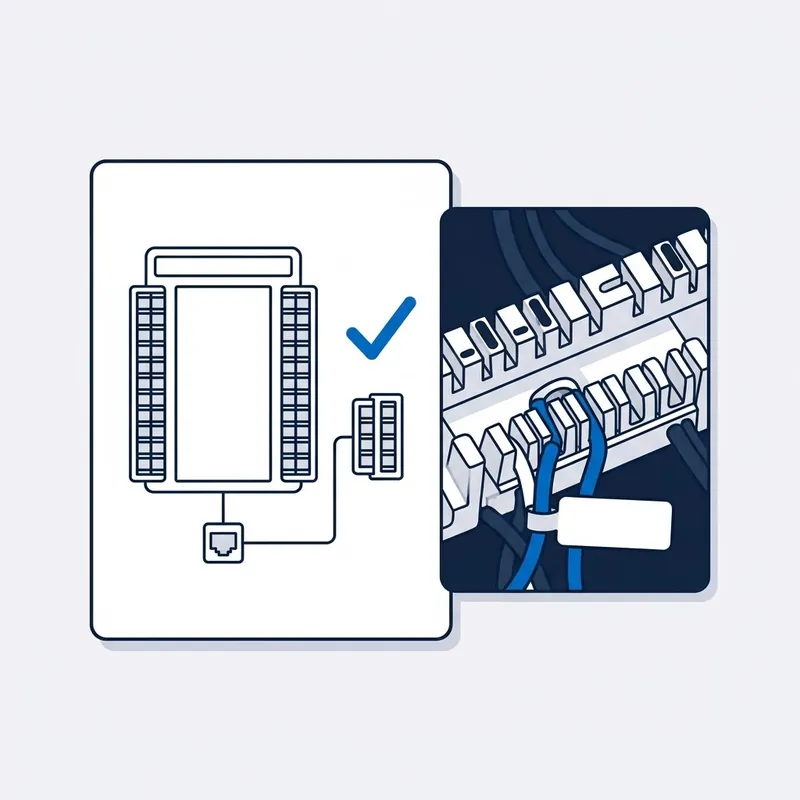
Repair it, or write it up.
Your side, repaired on the day where the first hour allows. The network's side, set out in writing for your provider.
Read moreShow less
On your side, it's repaired during the visit when the first hour is enough: an extension off the line, a joint remade, a jumper moved, the modem set up. A cable run is quoted first. On the network's side, the findings go to your provider in writing, and the full escalation report includes photos and video. We can't make anyone fix their side, but if you want us with you all the way, we do everything in our power to get you a result.


Written by customers on Google. None are paid for, and every word here is theirs.
Read all reviews on Google › (opens in a new tab) Leave a review (opens in a new tab)
Reviews
What people say after the job.
“I called Jason at Secure-a-com for his insight & dogged approach to investing complicated issues. He quickly found the problem & took charge of the situation.”
A real job from the field
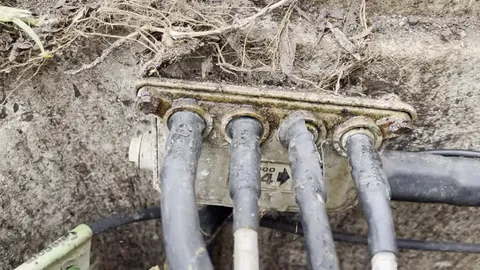
Penshurst, NSW · HFC · Filmed on site, 8 min
Ten years of drop-outs in rain and heat. The rust was in the street pit.
An HFC connection in Penshurst had dropped out on and off for close to ten years, worst in rain and on hot days, and it was cutting off the customer's video calls. Inside, the cable ran clean to the cupboard. The street pit held a rusted tap and a corroded port, and the finding went to the provider.
Read moreShow less
Penshurst, a house on HFC. The connection had dropped out on and off for close to ten years, worst when it rained and on hot days, and it was cutting off the customer’s business video calls. His own router logged the packet loss.
The provider’s records showed nine drop-outs in thirty days but only one in the last seven, which is under the threshold for sending an NBN technician, and the provider said NBN work earlier that month had cleared it.
Inside, the coaxial cable ran straight from the box on the outside wall to the cupboard, with no splitters. At the outside box, a non-standard connector on the cable was replaced on the spot, and the very old isolator was flagged for replacement: one that has taken surges can behave like a partly blown fuse. In the street pit, the tap was heavily rusted, the heat shrink over the customer’s port had split, and the port itself was corroded. The pit held water and drained badly, which fits drop-outs that come with rain and heat.
The provider agreed to try to log the fault with NBN, and the visit was documented so a report could go to the Ombudsman if the repair didn’t go ahead. The tap and the isolator are NBN’s to replace.
Real calls
Jobs booked from St George.
Three calls from Kogarah, Sans Souci and Blakehurst: what the customer told us, and what we expected to find before anyone drove out.
Read moreShow less
From our call records, with names and addresses left out: what the customer told us when they rang, and what we expected to find before anyone drove out.
-
Kogarah, 2025
Speed up and down at different times of day.
A unit on fibre to the curb. Another unit in the same building had turned out to be connected to the old lead-in cable instead of the new one, and the customer suspected the same. That, or old sockets still connected to the line, was what we went to test.
-
Sans Souci, 2024
An NBN box that would not connect.
A house on fibre to the curb, with two technicians already been and the connection light still off. When the box cannot see the equipment in the street at all, the copper between the two is the first thing to test.
-
Blakehurst, 2024
Slow and dropping out on the fastest plan.
A house on the pay TV cable network (HFC). NBN, the provider and another company had all visited, and paying for more speed had changed nothing. A handful of things usually cause this on HFC, and none of them can be told apart without testing.
Price
What does an internet technician cost in St George?
$250 inc. GST
What's included
- First hour on site
- Travel up to 40 km
- Testing and diagnosis
- Free basic report by email
- Free speed test on the day
- 90-day warranty on the fix
Free Spaces account with every job, if you want one. What's Spaces?
Extra, only if you need it: more time on site, travel past 40 km, parts, and the $55 and $185 reports.
Nearly four in ten St George fault callers had already had a visit. This fee pays for testing that ends in which part is broken and whose it is, so it's payable either way.
Read moreShow less
Past the first hour, our hourly rate applies, and you are told before it starts.
We are a specialised service, so we may not be local to you. If you are outside Sydney or more than 40 km from our office, we can still come to you, but the extra travel means an extra travel charge. All travel charges are set out in our terms and conditions.
Fault work is diagnostic. You are paying for the testing and the answer, not for a repair that may not be needed, so the fee is payable whether the fault is inside the premises or on the network side.
What you get in writing
| Report | Price | What it contains |
|---|---|---|
| Basic report | Free | A short written summary by email: what we tested, what we found, and whose side of the boundary it is on. |
| Standard report | $55 | A detailed PDF with the findings, the test results and our recommendations. No photos or video. |
| Escalation report | $185 | Everything in the standard report, plus photos and video of the testing. The report for proving the fault is on NBN's side: written for escalation to your provider or the carrier, a refund claim, or a TIO complaint. |
Trusted on site by
Commercial fault and cabling work, done by the same technician who comes to your house.









Local picture
Five reasons St George rings us, and where the testing starts
St George has a tie at the top: hunting down an internet fault, and getting a cable in from the street. Phone lines run a close third.
Read moreShow less
From 191 enquiries from St George in our call records, 2015 to 2026. The NBN technology is known on 96 of them, the property type on 154, and 84 were about a fault.
- About one in three connections we hear about here is fibre to the curb (FTTC), more than any other kind. That is a higher share than in any other area we cover.
- One in five enquiries, where we know the property, comes from a unit. One in ten is about a granny flat.
- Four in ten St George fault calls followed a technician's visit: 33 of 84.
The 96 St George connections in our records: 31 fibre to the curb, 23 HFC, 21 fibre to the premises, 17 on ADSL at the time of the call and 2 fibre to the node.
The 154 properties: 69 houses, 32 units, 20 businesses, 16 granny flats, 10 new builds and 7 townhouses.
Fifty-five St George callers mentioned how they came to ring. Search led: Google for 18, our own website for 16. YouTube accounted for six.
| St George enquiries | What we hear on the phone | Where we start | |
|---|---|---|---|
| Finding an internet fault | 34 of 191, level at the top. | Of the 67 who described it: no connection for 23, drop-outs for 11, slow for 9. | The reading at the boundary first, then the house taken off the line piece by piece until one part changes the reading. |
| The cable from the street | 34 of 191, level at the top. | An old copper lead-in, a conduit, a joint that takes in water; 4 fault callers mentioned a cut or damaged cable. | The lead-in tested back towards the pit. NBN's part goes to your provider with the readings; the property's part is replaced. |
| A phone line | 29 of 191. | A dead line, noise or crackling for 6 fault callers, or an extension that's gone quiet. | The modem's phone port, then each extension and the copper it hangs off. |
| Data cabling | 21 of 191. | A wired connection wanted in a home or a business. | Not a fault call: quoted by route and points on the data cabling page. |
| The frame in a unit block | 12 of 191. | Jobs at the frame that every unit's line passes through. | Your socket and the frame, tested separately, then the pair traced and re-jumpered. |
SourcesHide sources
Sources: our own call records, 2015 to 2026: 191 St George enquiries with a reason recorded on every one; the symptoms from the 67 fault callers who described what was wrong. Our own fees and reports are in our terms and conditions.
Whoever your provider is, the answer is the same.













Where we go
Suburbs we cover in St George.
Every St George suburb we cover, from Allawah to Wolli Creek, with the ones that ring most named underneath.
- Allawah
- Arncliffe
- Banksia
- Bardwell Park
- Bardwell Valley
- Beverley Park
- Beverly Hills
- Bexley
- Bexley North
- Blakehurst
- Brighton-Le-Sands
- Carlton
- Carss Park
- Connells Point
- Dolls Point
- Hurstville
- Hurstville Grove
- Kingsgrove
- Kogarah
- Kogarah Bay
- Kyeemagh
- Kyle Bay
- Lugarno
- Monterey
- Mortdale
- Narwee
- Oatley
- Peakhurst
- Peakhurst Heights
- Penshurst
- Ramsgate
- Ramsgate Beach
- Riverwood
- Rockdale
- Sandringham
- Sans Souci
- South Hurstville
- Turrella
- Wolli Creek
Read moreShow less
Thirty-two St George suburbs appear in our records. Bexley (23) and Hurstville (21) lead, then Kogarah (16), Beverly Hills (13) and Sans Souci (13), with Carlton, Brighton-Le-Sands and Peakhurst on 10 each.
Travel
Getting to you in St George.
The service call includes travel up to 40 km from our Sutherland Shire office. Further out, we still come, and the extra travel is charged.
Read moreShow less
The service call includes travel up to 40 km, measured one way from our Sutherland Shire office. Further afield by arrangement, travel charges in our terms.
Any travel charge is confirmed before you book, and the pricing page sets the charges out in full.
Asked locally
Questions from St George
Something not covered? Call 02 9188 1577 and ask, or send it through the contact form and you get the answer in writing.
Can you get the internet to a granny flat in St George?
Usually, and how depends on what already runs between the two buildings. Sixteen of the 154 St George enquiries with a known property type mention a granny flat. Normally it comes down to cabling across from the house or giving the flat a lead-in of its own, and photos of both buildings are enough to start a quote.
Two technicians have been and my NBN still drops out. Is that unusual around St George?
No. Of the 84 St George enquiries about a fault, 33 callers told us a technician had been before us. With fibre to the curb, the most common connection in our St George records, the first places to test are on your side: old phone sockets still connected to the copper line, the lead-in cable, and the joints along it.
I am in a unit in Hurstville or Kogarah. Is the fault in my unit or in the building?
It can be either, and from inside the unit the two look the same. Roughly a fifth of St George enquiries with a known property type are units, and a dozen were frame jobs. Testing happens twice, once at the socket in your unit and once down at the frame, and the report names the stretch where the fault sits.
My St George street is on fibre to the curb. Why is my speed still poor?
Because the last stretch is still copper, from the unit in the pit to your NBN box. In our St George records fibre to the curb is the most common connection, 31 of 96. Old extensions on that copper, a tired lead-in or a wet joint all cost speed, and each is tested before anyone blames the plan.
Does it matter that I'm on HFC rather than copper?
It changes where the weak points are. HFC is 23 of the 96 St George connections we know about, and its trouble is mostly outside: a corroded fitting at the tap in the street, an old isolator on the wall. Inside there's often just one cable to the box. We test the house side, then show your provider what's wrong outside.
Can you test my line if the NBN technician says it's fine?
Yes. Thirty-three of the 84 St George fault callers had a technician round before they rang us. That test stops at the boundary. Ours covers the boundary and everything inside it, with each reading written down, so you can see where the line actually fails.
Dig deeper
Guides for what we see here
5 guides
- 23Oct
Guide
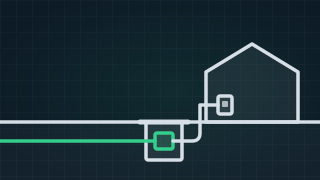
NBN FTTC Box and Fibre to the Curb (Kerb) Explained
Fibre to the curb (FTTC) explained: how to tell if you have it, why the FTTC NBN box powers the unit in the pit and clicks, and the faults we find on it.
Read the guide › - 24Aug
Guide
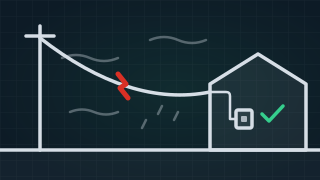
NBN Dropouts When It's Windy or Raining: An FTTC Job
Why NBN drops out when it's windy or raining: a fibre to the curb job where the wiring inside tested clean and the old overhead lead-in was the fault.
Read the guide › - 23Oct
Guide
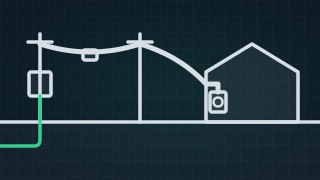
What Is HFC? NBN Hybrid Fibre Coaxial Explained
NBN HFC (hybrid fibre coaxial) explained: how it works, what the HFC box and the isolator do, why it drops out, and what to check before you ring anyone.
Read the guide › - 16Oct
Guide
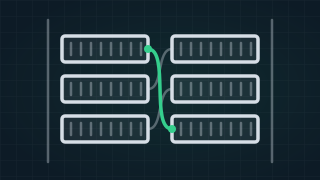
What Is MDF Jumpering? A Guide From an MDF Technician
MDF jumpering joins your provider's line to your unit's own cable at the building's main frame. What the MDF room is, what goes wrong there, and how to prepare.
Read the guide › - 15Aug
Guide
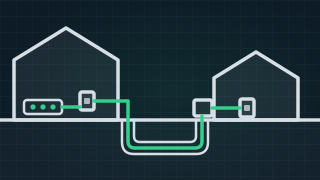
Sharing NBN With a Granny Flat: A Cable From the Main House
How to share the main house's NBN with a granny flat: one data cable through a conduit across the yard, the box at the flat, the router, and when to share.
Read the guide ›
Internet Technician, St George
Trusted by 1,000+ businesses