
Independent FTTB technician · Not NBN Co, not an ISP
The line is fine to the building, but not to your door. Fibre to the building (FTTB), and whose part is broken.
Your provider says it's wiring in your apartment. NBN says the box downstairs is fine. Both are describing their own part and stopping at its edge. On fibre to the building, one test at the frame settles whose part is broken, and you get it in writing. Residential jobs are the $250 inc. GST service call; commercial work is priced on enquiry.
Book a residential jobGet a commercial quote Play the 1 min SECURE A COM film (opens in a new tab)


Trusted by 1,000+ businesses
-
Sarah Pieresko
★★★★★We were really impressed with Jason from Secure A COM! Our building was a tricky one, and the installation kept hitting roadblocks. Jason’s “can-do” attitude and problem-solving skills meant he was able to find a suitable solution without compromising on quality. He was professional, provided excellent customer service, and went above and beyond to get the job done. We highly recommend Secure A COM to anyone looking for a reliable and professional service!
Read more Show less
-
Shang
★★★★★Jason is a truly friendly telecom professional. The kind of competent technician one hopes for when the internet breaks down. He was quick to diagnose a bridge tap fault and resolved the internal issue swiftly. He also gave me solid advice on making the switch from FTTN to FTTB. Glad i came across Secure A Com on YouTube and booked in a session. Highly recommended!
Read more Show less
-
11 11
★★★★★Prompt, corteous and professional service by SECURE A COM. Jason was able to immediatley identify abnormal interference across our MDF. Part of persistent issue we've had with our FTTB connection for several years now. Highly recommended, especially where other technicians have failed.
Read more Show less
-
Paris M
★★★★★Jason is a God send! I have dealt with many technicians both in my work offices and home office., but Secure A Com IS the best I have ever dealt with. He is Professional, prompt , reliable and a doctor in this field of work. Thanks so much and I will be referring Jason to many of my clients!!
Read more Show less
-
Thang Le
★★★★★Jason is an awesome technician, I'd recommend him to everyone. He spent hours to troubleshoot every single pair of cable in my apartment and finally fixed my 2-week-down internet connection :)
Read more Show less
-
Gary Rockliff
★★★★★Jason is a true professional. A former highly skilled Telstra technician, Jason has wealth of knowledge and he understands the frustrations of both residential and business users. He knows the network inside out, thats why I refer my clients with network issues to Jason. Cheers Gary
Read more Show less
-
wayne fogg
★★★★★We cannot recommend these guys enough! The service was perfect....on time, polite and explained in plain English. The issue was quickly found and resolved immediately. no muss, no fuss.
Read more Show less
-
Bryan J
★★★★★Jason was fantastic, arrived on time was able to provide everything I needed in order to get Telstra to acknowledge that there's a fault on my line. After 2 months of arguing with providers it appears Telstra has finally admitted there is a fault between my unit and the exchange.
Read more Show less
Sound familiar?
“The line goes fine to the building, so it’s a building issue”
The line's been jumpered twice, there are ten sockets in the rental, and nothing works at your door.
Fibre to the building means NBN's fibre to the basement and the building's old copper the rest of the way. That copper is where most faults sit, and it's the part nobody has tested.
Read moreShow less
From the comms room to your apartment, that is the problem. The provider says it is not an NBN problem, it is some wiring issue in your apartment, and told you to find a registered technician. The line has been jumpered twice and they still think it is inside. The NBN tech said there are ten sockets in the rental and they need to do something to them. There is NBN to the building and nothing has been done in your unit.
Fibre to the building, FTTB, means NBN’s fibre to the basement and the building’s old phone copper the rest of the way to your door, meeting at the frame in the comms room. Three people ring about it: the tenant or owner with a fault in the apartment, the committee or building manager with a building-wide problem, and the agent asking whose bill it is. If the fault is on the line before it reaches the building, the NBN Technician page is the one; which technology your building is on is at NBN’s address checker. We work across Sydney from the Sutherland Shire and take buildings further out; the extra travel is charged, and the rates are in our terms and conditions.
Free advice
Before you book: what we tell people for free
Every one of these is something we say on the phone, for nothing, and one call in ten on this page ends there as advice with no visit. Three of them are addressed to somebody other than the tenant, because on this page the person ringing is as often the committee or the agent as the person with the dead socket.
Keep this list handy
Get all nine checks as a one-page PDF for the tenant, the landlord and the building manager.
Send me the free guide- Find out which part is broken before you argue about the bill. The test says which.
- Get your cable details first. Ring your provider and ask for the channel pair for the frame. Without it we are toning a frame with hundreds of pairs, and that is your time. The cable details explainer is on the MDF page.
- One socket only. The old sockets are chained or run back to a central frame, and every extra live socket is a bridge tap. Try the router in each for ten minutes; disconnect the rest, do not add another.
- Check the building’s technology at NBN’s address checker. An HFC block has a coax socket and a different problem.
- If NBN said it’s inside the building, get that in writing. If we find it is NBN’s after all, that note and our escalation report are what you send your provider.
- Renters: mesh before cabling. Three mesh units placed properly fix most apartment coverage problems, move with you, and cost less than chasing cable through a slab with strata approval. The WiFi Technician page has the four fixes.
- Landlords and agents: the cable from the frame to the unit is common property in most schemes. Ask strata first, because strata may pay.
Read moreShow less
- Building managers: an untagged frame makes every fault a two-hour hunt; a tagged and photographed one makes the next fault minutes.
- The lift phone cannot run on the building’s NBN. It needs its own line with battery backup: the lift emergency phone page.
Recognise it?
What it looks like from inside your apartment
The line is fine to the building and dead at your door
Your provider blames your apartment's wiring and NBN says the box downstairs is fine. They can both be right: the building's copper between them is the part nobody's tested.
Usually points to: the building's part: the riser, the floor frame or the pair to your door.
Read moreShow less
Your provider says it is not an NBN problem, it is a wiring issue in your apartment, and you should find a registered technician. NBN says it is not theirs because the box downstairs is fine. Both of them are describing their own part and stopping at its edge.
They can both be right at once, which is what makes this one so hard to get anywhere with on the phone. The part neither of them has tested is the building's copper between the two.
What it usually points to. The building's part, most of the time: the riser, the floor frame or the pair to your door. It is the only stretch nobody has looked at.
There are sockets everywhere and none of them works
Ten sockets in the rental, and the router works in none of them. Every old socket still connected splits the signal, and the fix is taking them off, not adding one.
Usually points to: your side of the door, and usually the cheapest fix here.
Read moreShow less
The technician said there are ten sockets in the rental and something has to be done to them. You have tried the router in three of them and got nothing from any.
On this kind of service the old phone sockets in an apartment are chained together or run back to a central point, and every one still connected splits the signal between them. The last person out may have left just one live, and it may not be the one near the power point.
What it usually points to. Your side of the door, and usually the cheapest fix on this page: the extra sockets come off the line rather than another one going on.
There is NBN to the building and nothing in my unit
NBN to the building, nothing in your unit. It isn't a fault, it's a missing piece: no cable between the frame and your door, or one that was cut and never fixed.
Usually points to: the run between the frame and your door.
Read moreShow less
The building has a service and your apartment has no socket to put it on, or the previous owner had internet off a coax cable and nothing has worked since the floorboards went down.
This is not a fault so much as a missing piece. Somewhere between the frame in the common area and your front door there is either no cable, or one that was cut and never made good, and nobody has owned it since.
What it usually points to. The run between the frame and your door. Where the old cable is dead it is replaced, surface-ducted where a concrete slab allows nothing else.
They changed the equipment downstairs and now it is slow
Since the basement gear was swapped it's been slow, and now they say the building's cable is bad. It might be, or it might be the change. That's a measurement, not a guess.
Usually points to: whatever was touched. We test from the frame in and report the readings.
Read moreShow less
Since the gear in the basement was swapped, everything went down, and now the answer coming back is that the building's cable is bad. It may even be true, and it is not something anyone should take on trust.
A change at the frame can show up a copper run that was always marginal, and it can also be the change itself. Which of those it is has a measurement, and until somebody takes it the two sides will keep pointing at each other.
What it usually points to. It depends what was touched. We test from the frame in and say what the readings are, rather than deciding in advance whose fault it was.
The usual suspects
What’s usually wrong, from the frame in
- On the wrong pair.
Your unit on someone else's pair, or the provider's records wrong.
Read moreShow less
NBN’s installer or the last person put the unit on someone else’s pair, or a neighbour is live on yours, or the provider’s records are wrong.
- Not tagged, not terminated.
Live at the frame with nobody knowing which pair, or never carried up a floor.
Read moreShow less
Live at the frame and nobody knows which pair is yours; or never carried up to the floor frame.
- Open circuit between the frame and the unit.
A leak, rodents in old copper, or a cable cut when the floor went down.
Read moreShow less
An air-conditioner leak, rodents in the old copper, a cable cut when the floorboards went down.
- Bridge taps.
Old phone sockets still on the copper. The most common thing we find on FTTB.
Read moreShow less
Old phone sockets still chained on the copper line. The most common diagnosis on fibre to the building.
- The socket.
Corroded near the beach, pushed into the wall, or ten of them and none the right one.
Read moreShow less
Corroded near the beach, pushed back into the wall, ten sockets and none the right one.
- No socket at all.
NBN in the common area and nothing in your apartment.
Read moreShow less
NBN in the common-area frame and nothing in the apartment.
- HFC in the building
Coax in the building and the end can't be found. A different problem with the same symptoms.
Read moreShow less
, and the coax end in the common area cannot be found. A different problem wearing the same symptoms.
- NBN swapped the basement equipment
It depends what was touched. We test rather than blame.
Read moreShow less
and the service degraded. It depends what they touched; we test rather than blame.
- The fibre upgrade plan.
NBN's path through the block, and a committee that wants a better one drawn.
Read moreShow less
NBN’s proposed path through the block, and a committee that wants an alternative drawn.
- Not the building at all.
A router in a cupboard, or an old provider still holding the line. We say so and send you back to them.
Read moreShow less
A router in a cupboard, a dead modem, an old provider still holding the line. We say so and send you back to them rather than invoicing you for it.
Whose is it?
Three owners, one line
Street to the basement frame is NBN's. Frame to your door is the building's, usually strata. Inside your door is the owner's. One test at the frame says which of the three the fault belongs to.
Read moreShow less
- Street to the frame in the basement: NBN’s. Their fibre, their equipment at the frame. We do not test their network; we test from the frame in.
- Frame to your front door: the building’s. The copper riser, the floor frames, the pair to your apartment. Common property in most schemes, so usually strata.
- Inside your door: the owner’s. The sockets and the cable in the walls. For a tenant, the landlord.
The frame itself, and the jumper across it, is the MDF jumpering page. This page is the building around it. It never says who must pay; the report says where the fault was.
A guide for strata and building managers, with a comms room checklist.
Strata committee?
Your block and the upgrade to fibre
A block doing the upgrade to fibre, with a path through the building nobody likes, is a different job. The cabling from each floor to each door is ours to route well. Whether you're eligible, and the cost, is NBN's to answer.
Read moreShow less
A block of nine doing the upgrade to fibre, with a path drawn through the building that nobody on the committee likes, is a different job from a fault in one apartment. The cabling part of it is ours: from the fibre point on each floor to each door, on a route that suits the building rather than the one that was easiest to draw.
Whether your building can have it, and what it costs, is NBN’s to answer and not ours, so that question goes to their checker. The unit-block section of the FTTP upgrade page has what the work involves, and multi-pair copper for a whole building is NBN cabling.
How it works
What we actually do: test from the frame in
Five steps, in this order, and the second one is the whole argument. Street to the frame is NBN’s and we do not test inside their network, because we are not NBN; we start where their part ends, which is the point of hiring a cabler yourself rather than a gap in the job.
-
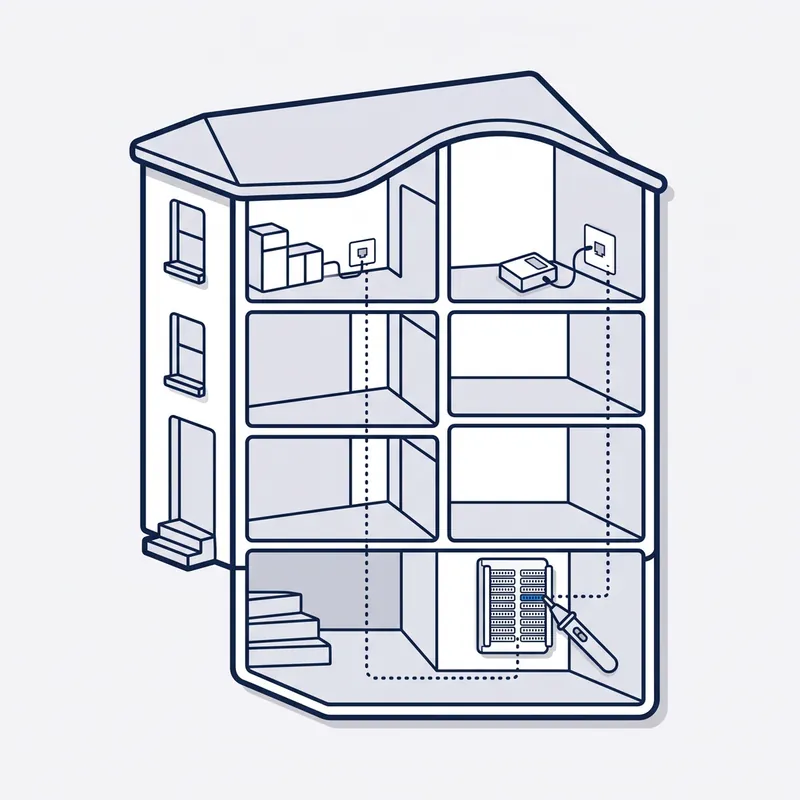
Identify the pair.
From the channel pair your provider holds, or by toning from the socket in your unit back to the frame when they will not give it. Nothing is moved before this is settled, because a jumper moved on a guess takes a neighbour's service down with it.
-
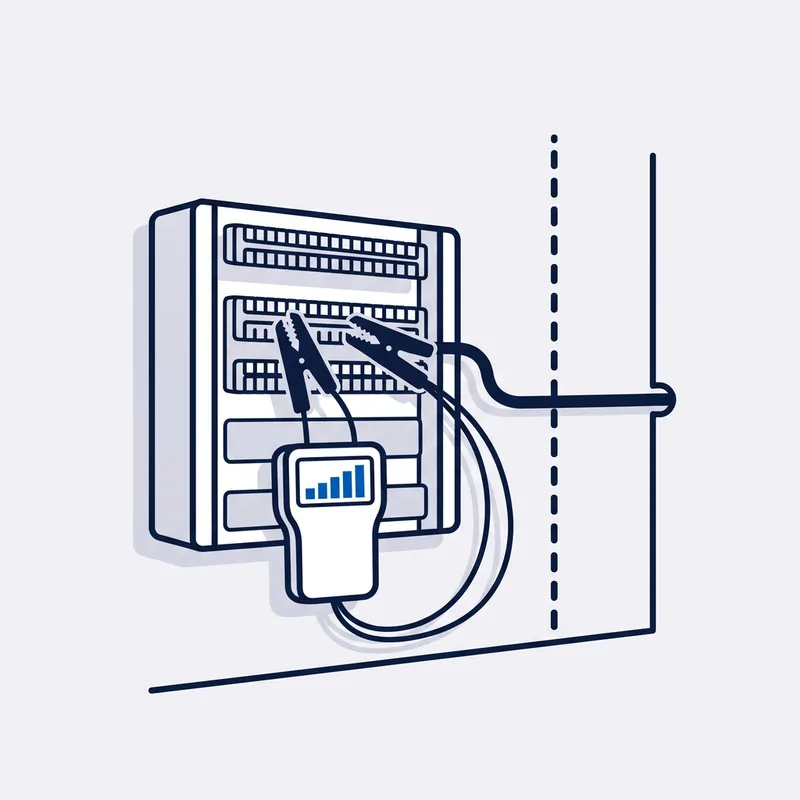
Test from the frame in.
Street to the frame is NBN's and we start at the frame. That one measurement is what separates the three owners, and it is the thing nobody in the chain has done before we get there.
-
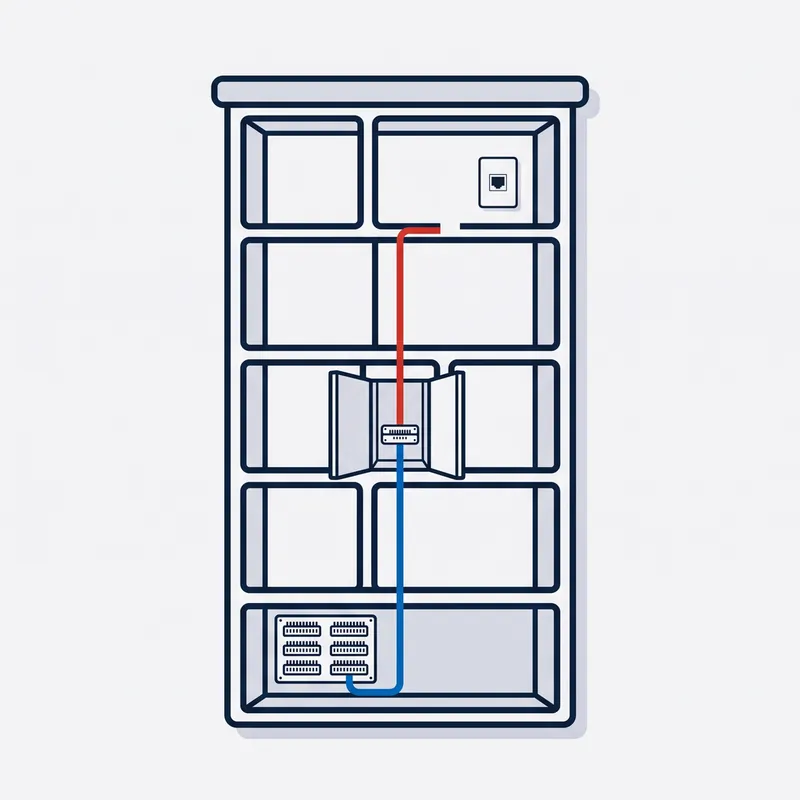
Trace it.
Frame, then the floor frame, then the socket. Find where it stops. In a tall building that is most of the diagnosis, because the run has more places to fail than anything in a house.
-
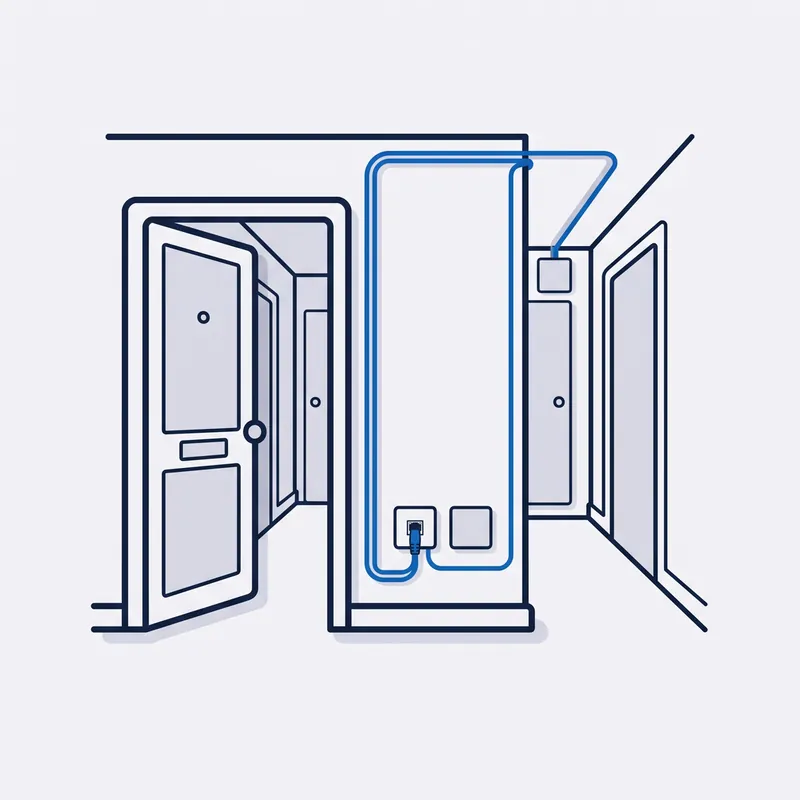
Fix it.
Re-jumper and tag; take the extra sockets off the line; replace the socket; or re-run the cable from the frame to the unit where the old one is dead, which is a data cabling job and is quoted before anything starts.
-
Report it.
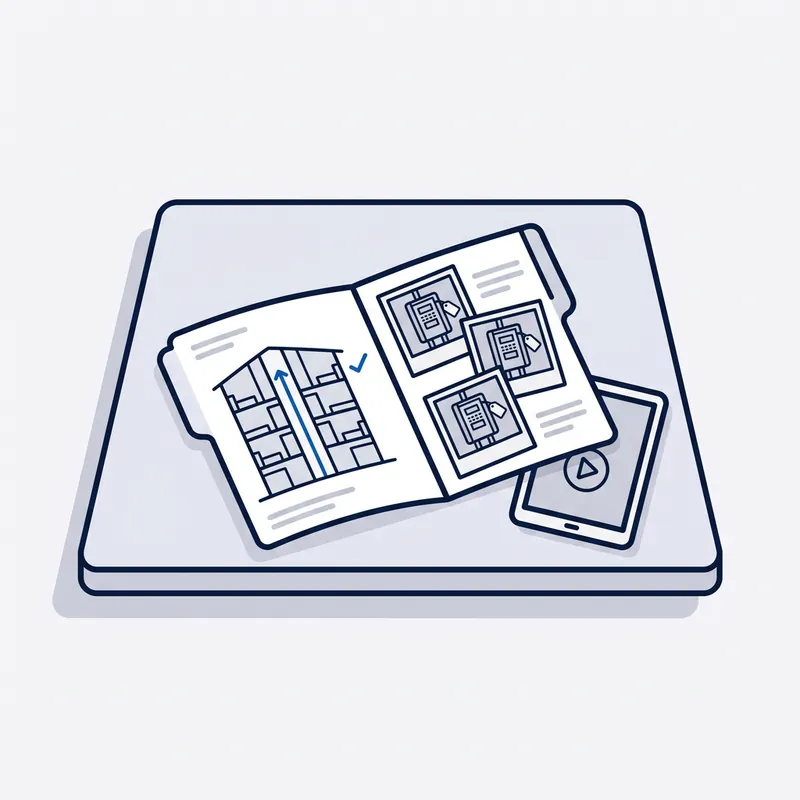
Written, with photos and video where they're wanted: what the provider needs for a tenant, and what a committee needs to approve the work.
Read moreShow less
Written, with photos and video where they are wanted. For a tenant, what the provider or the landlord needs to act. For a committee, what it needs to approve building-wide work, with the frame tagged and photographed while we are in there.


Written by customers on Google. None are paid for, and every word here is theirs.
Read all reviews on Google › (opens in a new tab) Leave a review (opens in a new tab)
Reviews
What people say after the job.
“We've been having issues for over 6 months with FTTB in our apartment. We've had electricians come out twice and done nothing but charge us. Jason rocked up, within 5 minutes diagnosed the problem and had our system up and running in 20 minutes total.”
A real job from the field
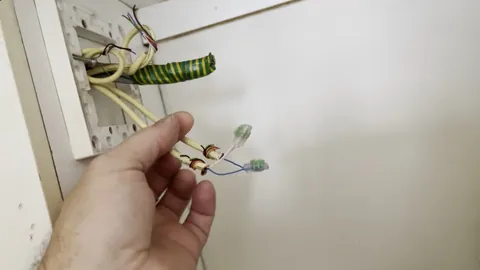
Sydney, NSW · FTTB · Filmed on site, 5 min
Dropouts every night from 5pm to 10pm, in an apartment on George Street.
The socket the router was on also fed two bedroom sockets and a leg back to the floor frame: a bridge tap. The extra legs came off, the cable went straight to the socket, and the line was logged before and after. Seven days later there were no dropouts, and still none a week after that.
Read moreShow less
George Street, Sydney, an apartment on fibre to the building. Dropouts every night, from about 5pm to 10pm.
The socket the router was on also fed two bedroom sockets and a leg back to the floor’s frame: a bridge tap. The extra legs were disconnected and the incoming cable connected straight to the socket, with the connection logged with PingPlotter before and after so there was a record if the dropouts went on. Down in the MDF room, a visual check, and the boxes stacked against the frame moved clear of it.
Seven days later the customer had had no dropouts, and a week after that it was still running.
Price
What does an FTTB fault visit cost?
From $250 inc. GST
What's included
- First hour on site
- Travel up to 40 km
- Testing and diagnosis
- Free basic report by email
- Free speed test on the day
- 90-day warranty on the fix
Free Spaces account with every job, if you want one. What's Spaces?
A fault in one unit is the service call, and it pays for the test that says whose part is broken. Building-wide and strata work is priced on enquiry.
Read moreShow less
A unit, a shop or a single-frame job is generally the $250 service call. Past the first hour, our hourly rate applies, and you are told before it starts.
We are a specialised service, so we may not be local to you. If you are outside Sydney or more than 40 km from our office, we can still come to you, but the extra travel means an extra travel charge. All travel charges are set out in our terms and conditions.
Commercial buildings are different. Several frames, inductions, security escorts and waiting for access can make a job a half day or a full day, so commercial customers get in touch first and the job is quoted before anyone attends.
What you get in writing
| Report | Price | What it contains |
|---|---|---|
| Basic report | Free | A short written summary by email: what we tested, what we found, and whose side of the boundary it is on. |
| Standard report | $55 | A detailed PDF with the findings, the test results and our recommendations. No photos or video. |
| Escalation report | $185 | Everything in the standard report, plus photos and video of the testing. The report for proving the fault is on NBN's side: written for escalation to your provider or the carrier, a refund claim, or a TIO complaint. |
Trusted on site by
Commercial fault and cabling work, done by the same technician who comes to your house.









Your options
What your building is on, and what that means at your door
| How the building is fed | How it reaches your door | What a fault in your unit usually means | |
|---|---|---|---|
| Fibre to the building | NBN’s fibre stops at a frame in the basement or a ground-floor cupboard. That frame is where their part ends. | The building’s own phone copper, up the risers and through a smaller frame on your floor, to a socket in the unit. | Almost always the copper, because it is the oldest part of the path and the part nobody owns clearly. It is tested from the frame in, and that one reading says whose it is. |
| Fibre to the premises, in a block | The fibre carries on past the basement instead of stopping there, usually after a building-wide upgrade. | A fibre lead to a point on your floor and then to a box on your own wall. No shared copper in the path at all. | Rarely the building. With the copper out of the path there is far less between you and the network, so the fault is usually the box, the lead or the modem. |
| HFC in the building | Coaxial cable into the building rather than fibre to a frame, with the network’s equipment in the common area. | Coax to a round socket in the unit, not the phone socket most people expect to use. | A different problem from fibre to the building, and the first thing to settle is which one you have. The coax end in the common area is often what cannot be found. |
| Fibre to the node or the curb, in an older block | The fibre stops in the street rather than the building, and copper covers the last stretch to the block as well as inside it. | The same risers and floor frames, with a longer copper run behind them, so distance is working against you before you start. | The extra sockets on the line matter more here than anywhere: every one still connected splits a signal that has already come a long way on copper. |
| No NBN in the building yet | Nothing has been provisioned to the building, which in a block is usually an ordering and access question rather than a cabling one. | Whatever the building was wired with before, which is generally the same copper. | Not a fault to find. The building has to get the service ordered, and the riser and frame work is worth doing before that happens rather than after. |
SourcesHide sources
Sources: nbn co’s own published descriptions of each access technology, and our own jobs in Sydney unit blocks and commercial buildings. Which one your building is on is a question for their address checker, linked above, not for this table. Our own fees and reports are in our terms and conditions.
Whoever your provider is, the answer is the same.













Questions
Frequently asked questions
Something not covered? Call 02 9188 1577 and ask, or send it through the contact form and you get the answer in writing.
What is fibre to the building, and how is it different from fibre to the premises?
On fibre to the building, NBN's fibre stops at a frame in the basement and the building's old phone copper carries the service up the risers to each apartment. On fibre to the premises, the fibre reaches your own wall. The copper run is where most of these faults sit, and it belongs to the building, not NBN.
The line is fine to the building. Whose problem is it from there?
The building's, in most cases, until it reaches your front door. From the street to the frame in the basement is NBN's; from that frame to your door is the building's, which usually means strata; inside your door is the owner's, which for a tenant means the landlord. One test at the frame says which of the three it is.
I'm renting. Do I pay, or the landlord, or strata?
It depends where the fault turns out to be, which is exactly why the test comes first. The cable from the frame to your unit is common property in most schemes, so strata often deals with it; inside your door is the owner's. Ask the agent or the building manager before you book, and the report tells whoever is paying what was found.
There are ten sockets in my apartment and none of them works. Why?
Because they are almost certainly all still connected. On this kind of service the old phone sockets are chained together or run back to a central point, and every extra live one splits the signal. The fix is to take the rest off the line and leave one, not to add another socket to the pile.
There's NBN to the building but nothing in my unit. What has to happen?
A cable from the frame in the common area to a socket inside your door, which is a run rather than a repair. Where a concrete slab leaves no path, it is surface-ducted along the corridor and made as unobtrusive as the building allows. Strata usually has to know about it before it happens.
Why does the building blame the provider and the provider blame the building?
Because each of them tests their own part and stops at its edge, and both parts can be fine while the stretch between them is not. Your provider can see the service reaching the building. The building can see nothing wrong in the basement. Nobody has measured the copper in between, and that is the part we start with.
Can our block be upgraded so every apartment gets fibre?
Sometimes, and the cabling side of it is the part we do: from the fibre point on each floor to each door. Whether your building is eligible and what NBN charges for it is theirs to say, not ours, so check your address with them first. What we can do is draw a path through the building that works if the answer is yes.
Rodents or water have got into the comms cupboard. Can you fix the building's cabling?
Yes, and it is more common than anyone would like: an air-conditioner leak into a riser, or rodents in copper that has been there since the building went up. The damaged section is replaced and the frame is tagged and photographed at the same time, so the next fault in that cupboard takes minutes rather than a morning.
What can a building manager or strata committee ask you for?
A building-wide check of the frame and the risers, the frame tagged and photographed, and a written report the committee can put in front of owners. Beyond that: the cabling for a fibre upgrade, the run to a unit that has never had one, and the lift phone, which is its own job on its own page.
NBN swapped the equipment in the basement and now it's slow. Is that our cabling?
It might be, and it might be the change. A swap at the frame can expose a copper run that was always marginal, and it can also be the cause on its own. We test from the frame in and report what the readings are rather than deciding in advance; it depends what was touched, and guessing helps nobody.
Can our lift emergency phone run on the building's NBN?
No. It needs its own line with battery backup, because the point of it is that it still works when the power and the internet are out. That is a different job with different rules and it has its own page. Ask about it in the same visit if we are already in the comms room.
Are you licensed to work in the building's comms room?
Yes. Our technician is an Open Registered Cabler, registered through ASIAL, an ACMA-accredited cabling registrar, which is the registration the building's frame requires. Access is the building's to arrange: we need the key or an escort booked with the building manager before the visit, and licence and insurance details go to them on request.
Dig deeper
Guides for this fault
5 guides
- 02Jan
Guide
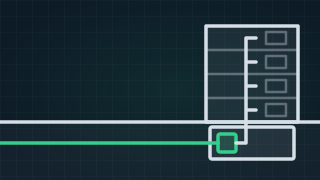
FTTB Meaning: NBN Fibre to the Building, and Is It Any Good?
Fibre to the building (FTTB) explained: how NBN reaches a unit, who owns which part of the line, whether it is any good, and what to check when it is slow.
Read the guide › - 17Dec
Guide
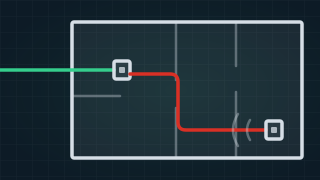
What Is a Bridge Tap? Meaning, NBN Dropouts and the Fix
A bridge tap is an old phone socket still connected to your internet line. What it means, what it does to NBN on FTTC, FTTN and FTTB, and how it is fixed.
Read the guide › - 21Aug
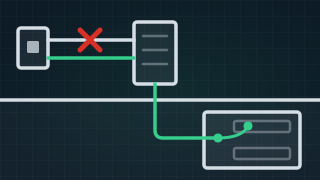
Guide
No Internet in a New FTTB Apartment: A Short and Moved Pairs
No internet in a new apartment on fibre to the building: a short on the unit's cable, pairs moved between the frames, and the wrong pair details.
Read the guide › - 08Sept
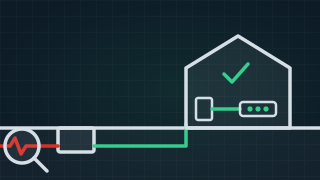
Guide
NBN Fault Blamed on Your Wiring? Data From 324 Jobs
324 filmed internet fault jobs analysed. In 56% the fault was not the customer's cabling, and equipment was to blame in 5.6%. See where NBN faults are found.
Read the guide › - 16Oct
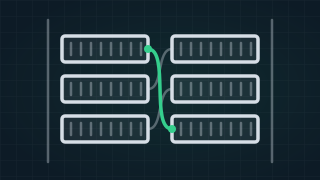
Guide
What Is MDF Jumpering? A Guide From an MDF Technician
MDF jumpering joins your provider's line to your unit's own cable at the building's main frame. What the MDF room is, what goes wrong there, and how to prepare.
Read the guide ›
Fibre to the Building (FTTB)
Trusted by 1,000+ businesses