
Independent NBN technician · Not NBN Co, not an ISP
NBN says the fault is inside your house. An independent NBN technician finds out.
Your provider blames your wiring. NBN says their network is fine. You're stuck in the middle with no internet. One visit from an independent NBN technician settles it: fixed on the spot where it's yours, proven in writing where it's not. $250 inc. GST service call, first hour on site and travel up to 40 km included.
Book a technicianContact us Play the 1 min SECURE A COM film (opens in a new tab)


Trusted by 1,000+ businesses
-
KMH002
★★★★★I called Jason at Secure-a-com for his insight & dogged approach to investing complicated issues. He quickly found the problem & took charge of the situation. His knowledge & Telecommunications experience has helped me through the government bureaucracy nightmare. Job well done mate. Thank you. Don.
Read more Show less
-
Michael W
★★★★★Outstanding professionalism and customer service from a company and its staff who value customers and professional integrity. Rather than charging me for a service I had been told by the NBN I was responsible for, Jason at Secure A Com corrected the poor information I had been provided and took time to coach me through how discuss the issue with the NBN, how to escalate the issue flag the issue to both the NBN and TIO should I need to in-order to solve the problem I was facing without costs I should not be liable for. When I enquired with other companies, offering the same services as Secure A Com, they were very quick to offer expensive installation options that I technically should not have needed. I am so impressed with Jason and Secure A Com, they are clearly an organisation who value ethics and level of integrity that you don’t often see these days. Thank you so much for your help and I certainly will be recommending your companies services to anyone when they are looking for networking and security services
Read more Show less
-
Greg Fisher
★★★★★Jason was incredible / patient with my lack of tech savvy and supportive in talking with my carrier for me. Once the problem was diagnosed he fixed it in minutes. Love the on line booking. Turned up exactly on time. Very grateful
Read more Show less
-
Stephen Sharpe
★★★★★Secure A Com...don't go anywhere else!! Outstanding service...on time, friendly and no bullshit...and knows how to deal with Telstra and NBN. HIGHLY RECOMMENDED.
Read more Show less
-
Alan W
★★★★★I am very happy with the work SECURE A COM has completed for me. Jason is courteous, professional and punctual. Jason will go the extra mile to make sure the problem is resolved or identified and provides thorough documentation and video of his visit. I will be contacting SECURE A COM when I have my next comms issue. I cannot recommend highly!
Read more Show less
-
Brendan Donohue
★★★★★Jason, is knowledgeable and patient. he was able to reassure me that my problem is not one within my confines but a line problem for Telstra. He was a great help and I have no problem in recommending him.
Read more Show less
-
William Rea
★★★★★Jason really knows his stuff. If you have trouble with phone or internet ring secure a com. They will find the problem and tell you the best way to fix it and if it is a network problem or phone company problem and they should fix it. Great work Jason, will use you again if needed. Thanks again Secure A Com.
Read more Show less
-
Matthew Ridolfo
★★★★★Jason was absolutely brilliant. I told him the issue I was having and he quickly and efficiently told me exactly what the issue was and how to get it remediated via Telstra and NBN. And thanks to his video, there is some great evidence to prove the point. Thanks Jason!
Read more Show less
Sound familiar?
The NBN technician came, said “not ours”, and left
The box gets swapped. It works for a day, then drops out again. Your provider says the network's fine, so it must be your wiring, and leaves you to find someone yourself.
That standoff is the job. We're an independent NBN technician working right across Sydney, and we answer to you, not to your provider or NBN. We test which side of the boundary the fault is on, then fix it or hand it back with evidence.
Read moreShow less
Most people who ring about a fault have already had someone out. The NBN technician replaced the box, it worked for a day, then it went off. Or the provider has decided the NBN is fine and the wiring in your apartment is not, and has left you to find a technician yourself. Many arrive already believing it is their own cabling, usually because someone told them so.
That standoff is the job. A private NBN technician, which is what people call us when the provider will not send anyone, answers to you and to no one else. We test whether the fault is on your side of the boundary or theirs, and either fix it or hand it back with evidence. We are based in the Sutherland Shire and work across Sydney. This is specialised work, so people on the Central Coast, in Wollongong and in the Blue Mountains ring us too, and we go. Past the distance covered by the service call there is a charge for the extra travel, set out in our terms and conditions.
Free advice
Before you book: what to check first
These are the things we say on the phone most weeks, at no charge. Work through them and the visit may not be needed.
Keep this list handy
Get all seven checks as a one-page PDF for the next time the internet drops out.
Send me the free guide- Check the lights first. The lights on the NBN box, which the trade calls the NTD, are the first clue. A power light with nothing else lit is not a cabling problem. The NBN connection box guide reads them for you.
- Put a laptop on the box with a cable. Internet on the cable but not through the modem means the modem. Nothing on the cable either means the box or the line behind it, which is where our testing begins.
- Give the box one proper reset. Keep the reset held until all the lights flash, then leave it to start up again. On FTTP, check the fibre lead is clicked home the right way round and the optical light is green.
- Knock next door. If their internet is out as well, the fault is in the street and not in your house. Ring your provider, not us.
- Told it is your wiring? Ask for it in writing. Then call us. When our testing puts the fault on NBN’s side, the full escalation report is the document that goes to your provider. That is the standoff we exist to end.
- In a unit, ask your provider for your cable pair details before the visit. They save an hour of tracing at the MDF, the frame in the building where the street cable is joined to each apartment’s pair. More on the MDF jumpering page.
- If an NBN technician is already booked, let that visit happen first. It costs you nothing and it covers the network as far as the boundary. When the answer is “not ours”, book us.
Recognise it?
What an NBN fault looks like from inside the house
Internet keeps dropping out
On for an hour, then gone. On copper (fibre to the curb and fibre to the node) that usually points to your side: an old phone socket still wired to the line, or water in a joint. On HFC it's the isolator inside or the tap in the street, and rain makes it worse.
Usually points to: on copper, your side. On HFC, the isolator or the street tap.
Read moreShow less
On for an hour, then gone. The screen freezing in the middle of an online lesson, a call with a patient cutting out. On the copper connections, fibre to the curb and fibre to the node, an internet connection that keeps dropping out usually points to your own side of the boundary: a disused phone socket still wired to the line, or a joint with water in it.
On HFC the usual suspects are the isolator in the house and the tap out in the street, and wet weather brings it on. If you want to show your provider what is happening before anyone comes, run a proper speed test and keep the results.
What it usually points to. On copper, your side: a bridge tap or a wet joint. On HFC, the isolator inside or the tap in the street, worse in rain.
How to test your speed properly ›The repair for a line that drops out ›
Slow NBN, or fast down and no upload
Fast down with next to no upload is a line fault, not your plan. Just as slow on a cable as on WiFi? Then it's the box, the modem or the line behind them. Slow on WiFi only isn't an NBN fault at all.
Usually points to: no upload is a line fault, and testing says whose side. Slow only on WiFi is not NBN.
Read moreShow less
Download over 100 and upload basically nonexistent. Fast down with no upload means a line fault, not a plan problem, and slow NBN that is just as slow on a cable as it is on WiFi comes back to the box, the modem or the line behind them, not to the plan.
Slow on WiFi alone is not an NBN fault, and neither is a speed cap on your plan. That belongs on the WiFi page.
What it usually points to. No upload is a line fault, either side of the boundary, and testing says which. Slow on a cable as well means the box, the modem or the line. Slow only on WiFi is not an NBN fault.
Only slow on WiFi? The WiFi technician page ›The repair for a slow line ›
NBN box not working, or only the power light on
Only the power light on, or a red light on FTTP? Look at the box, the lead-in and the network before anyone blames your wiring. Power alone, with nothing else lit, is not a wiring problem inside the house.
Usually points to: the box, the lead-in or the network. The wiring in the house last.
Read moreShow less
Only the blue power symbol showing. A red optical light on FTTP. A link light with no DSL or WAN light. Before it points at your wiring, an NBN box not working points at the box itself, the lead-in coming up from the street, or the network before it. Power alone, with nothing else lit, is not a wiring problem inside the house.
Note which lights are on and what colour before you ring. It is our first question on the phone, because the lights show how far the connection is getting.
What it usually points to. The box, the lead-in or the network before it; the wiring in the house last.
Your NBN box and its lights, explained ›How a dead box is repaired ›
A cut or damaged cable, socket or box
Dead since someone dug the front yard? Whose job it is depends on which cable was hit. The lead-in up to the boundary is NBN's. Everything inside it is yours, and we repair it. Photograph the damage first.
Usually points to: a damaged lead-in is NBN's, booked through your provider. A damaged socket or inside cable, we fix.
Read moreShow less
Dead since someone dug in the front yard. The dog chewed the cable at the point it leaves the ground. A socket hanging off the wall, or a cable crushed flat under the carpet. Indoors, all you see is a dead connection.
Whose job it is turns on which cable was hit. The lead-in, from the street up to the boundary, belongs to NBN, and damage to it is reported through your provider. Everything inside the boundary is yours, an NBN wall socket ripped off or a run a contractor's shovel went through, and that is repaired. Photograph the damage before anything is touched.
What it usually points to. A damaged lead-in is NBN's to repair, booked by your provider. A damaged socket or inside cable is yours, and we repair it.
Wall socket repair and replacement ›How damage is repaired ›
The usual suspects
The eight things that usually cause an NBN fault
Every one of them looks the same from the couch: slow, dropping out or dead.
- Bridge taps.
Old phone sockets still wired into your line, splitting the signal. The most common cause we find.
Read moreShow less
Old phone sockets, chained or starred off the first one back when the house had an ordinary phone line, still connected on an FTTC or FTTN service and splitting the signal. A copper problem only. The single most common cause we find. Here is what a bridge tap is and why it matters.
- The MDF.
In units, your pair jumpered to the wrong apartment, or broken on the way up. Nobody owns it, so nobody fixes it.
Read moreShow less
In units: jumpered to the wrong apartment, a break somewhere between the frame and the unit, or a pair someone pulled out. It sits between NBN’s side and the owner’s side, so it is nobody’s problem, so nobody fixes it.
- The lead-in.
Water in the conduit, a rat, a shovel, or indoor cable buried where gel-filled cable should be.
Read moreShow less
A conduit holding water, a rat, the dog, a shovel on a building site. Indoor Cat6 buried in the ground in place of gel-filled cable: water gets into the conduit over time, the insulation breaks down and the signal goes with it.
- The isolator or splitter on HFC.
A surge or a corroded tap kills the signal. We bypass the isolator and plug the box straight in to prove it.
Read moreShow less
A power surge, a lightning strike, or a tap corroding in the pit. A corroded or wrong-value splitter kills signal margin. Common where pay TV was removed and the cable left in place. We bypass the isolator and plug the NBN box straight in to prove it.
- A damaged or cheap socket.
A poor socket swapped in, brittle copper behind the plate, or a cable crushed under the carpet.
Read moreShow less
An installer swapped it for a poorer one, the copper at the back has gone brittle, or the plate has been pulled off the wall. A cable crushed flat under the carpet does the same damage one room further along. Replacing an NBN wall socket is a page of its own.
- The box or the modem.
A red optical light, a tired modem, or the lead in the wrong port. It wants WAN, not DSL.
Read moreShow less
An NBN box with a red optical light, a modem well past its best, or the lead in the wrong port on the back of it (it wants WAN, not DSL). A router whose circuitry is breaking down can give low wired speeds while the WiFi still looks normal.
- The records on file.
Your service on the wrong address, or the wrong cable pair on file. The fix is the record, with our report in hand.
Read moreShow less
The service connected to the wrong address in their system. It happens. In a unit, the provider can hold the wrong cable pair details for your apartment. The wiring in the house is fine, and what fixes it is the record being corrected, with our report in hand.
- Not the wiring at all.
A router cooking in a cupboard, a speed cap, WiFi that fades across a double-brick house. You're told, in writing.
Read moreShow less
A router in a cupboard cooking itself. A surge that killed the cameras, not the internet. A speed cap on the plan. A modem stuck at the far end of a double-brick house, with the WiFi fading before it gets to the other end. When that is the answer, you are told, and you get it in writing.
On fibre?
If you are on fibre to the premises (FTTP)
Green optical light? The fibre's live and the problem is after the box. Red, or none? It's the fibre or the lead-in, and the lead-in to the boundary is NBN's to fix. Worth knowing before you pay anyone. We prove which side of the box it's on, in writing.
Read moreShow less
Many of the people who ring now are on FTTP, and the faults look different from the copper days. The NBN box has an optical light. Green means the fibre is live to the box and the problem is after it, usually the lead to the modem or the modem itself. Red, or no optical light, means the fibre that joins the box outside to the box inside, or the lead-in a contractor dug through. The lead-in to the boundary is NBN’s asset, so a cut fibre lead-in goes through your provider to NBN, and it is worth knowing that before you pay anyone. What we do on FTTP is prove which side of the box the fault is on, and put it in writing. If the box itself is in the wrong place, that is a different job: see FTTP upgrade cabling.
In a unit?
NBN repair in a unit: it is usually the MDF
In a unit there's one more place for the fault to hide: the MDF, where the street cable meets your building. Three different faults look identical from your couch. We test at the frame, follow your pair, and fix the jumper or the cable run.
Read moreShow less
In a unit there is an extra place a fault can sit. The cable from the street ends on the building’s main distribution frame, the MDF, usually down in the basement or in a fire cupboard, and from there a short jumper wire joins your pair to the cable running up to your apartment. NBN owns one side of the frame; the other belongs to the owner or to strata. From indoors, three different faults look identical: your pair jumpered to someone else’s unit, a break between the frame and your socket, and a jumper knocked out while another line was being worked on. We test at the frame, follow the pair and repair the jumper or the cable run. MDF jumpering has the detail. Building managers on a fibre-to-the-building service start with fibre to the building.
How it works
What an NBN technician does on site
A single visit in four steps, and you finish it with something in writing, wherever the fault turns out to be. We test to the boundary and not inside NBN’s network, because we are not NBN. That boundary is the point of an independent technician, not a gap in the service.
-
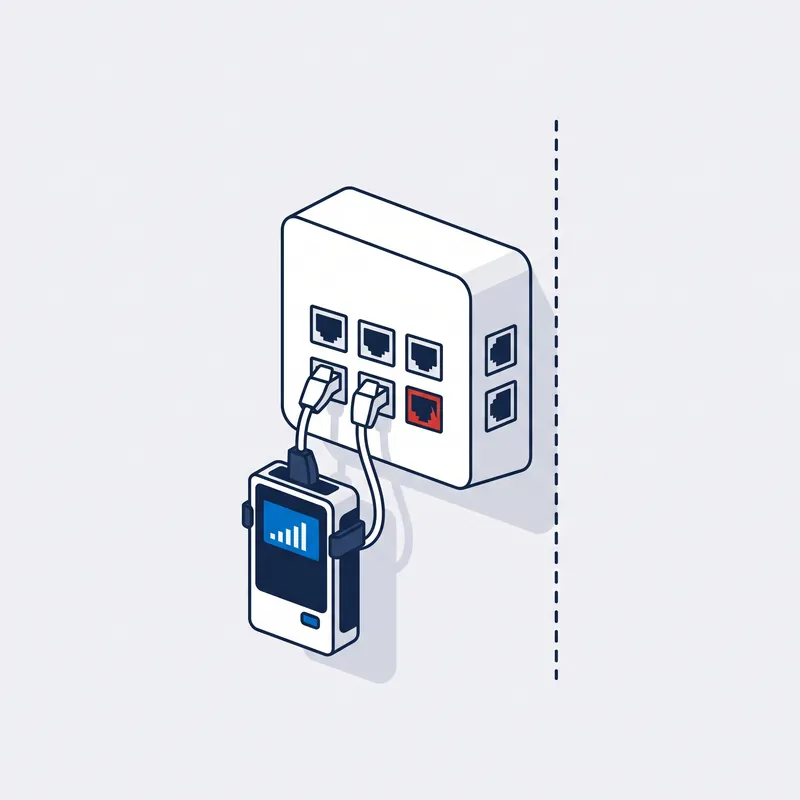
Test at the boundary.
The lead-in point, the MDF pair, or the NBN box, depending on your technology. That one measurement settles whether the fault is inside the property or not.
-
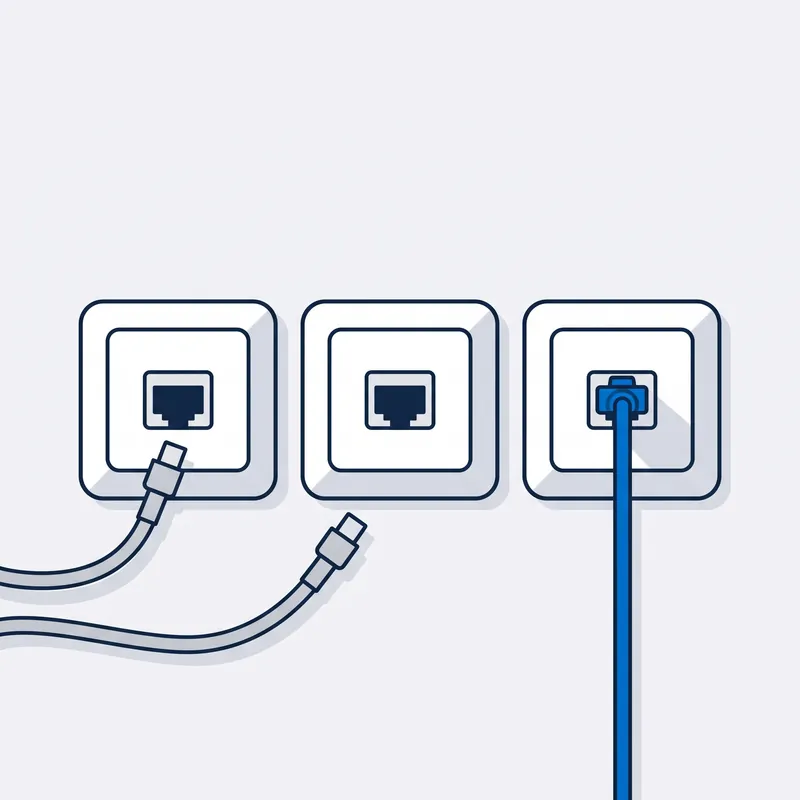
Isolate.
Disconnect everything but one socket, or bypass the isolator, or plug direct into the box. Compare.
-
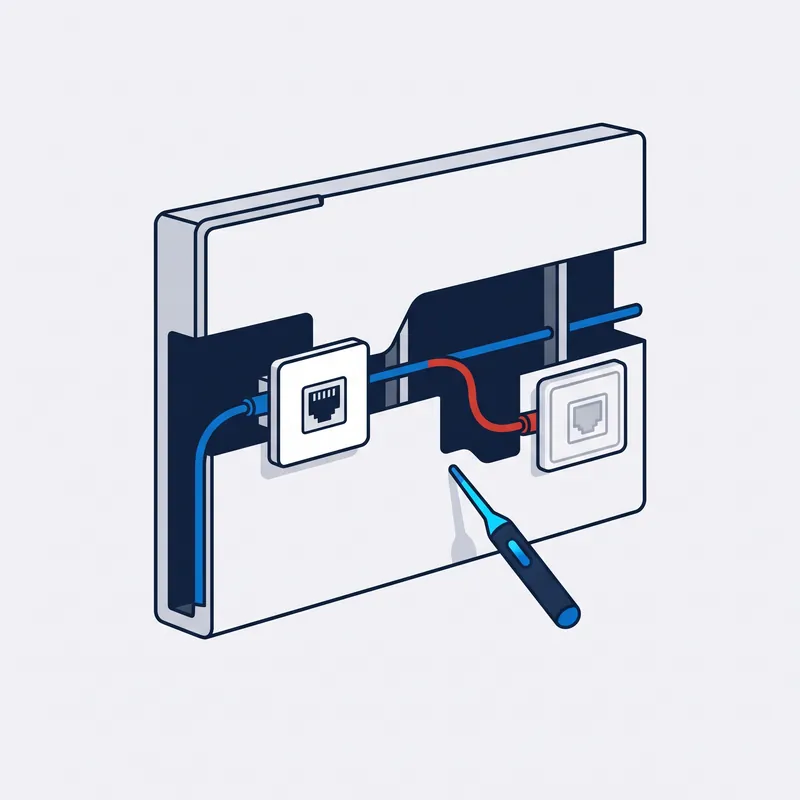
Find it.
The cabling toned and tested, bridge taps removed, the pair traced, the socket replaced.
-
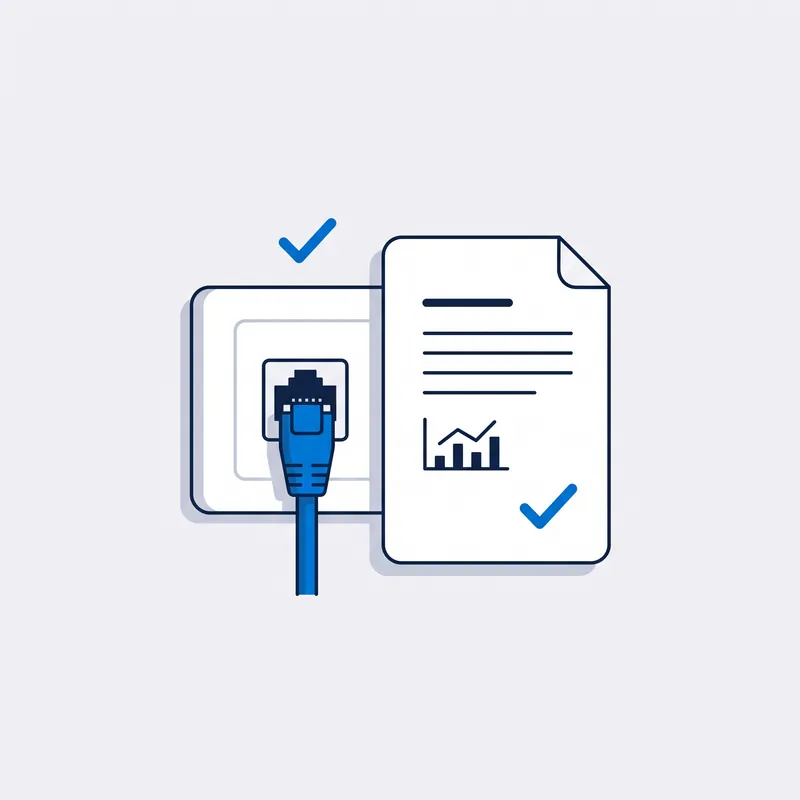
Fix it or report it.
Your side, fixed on the spot where we can. NBN's side, a written report to hand back to your provider.
Read moreShow less
On your side, we fix it on the spot where we can, or quote the cable run: see data cabling. On NBN's side, you get the written report to hand back to your provider, with video in the full escalation report. We cannot make them fix their side, but if you want us with you all the way, we do everything in our power to get you a result.


Written by customers on Google. None are paid for, and every word here is theirs.
Read all reviews on Google › (opens in a new tab) Leave a review (opens in a new tab)
Reviews
What people say after the job.
“Between our internet company and the nbn we have been fighting to get this sorted for nearly two weeks, with multiple phone calls and nbn technicians out to our home. So glad we found Jason. He was committed to finding the root cause rather than passing the blame.”
A real job from the field
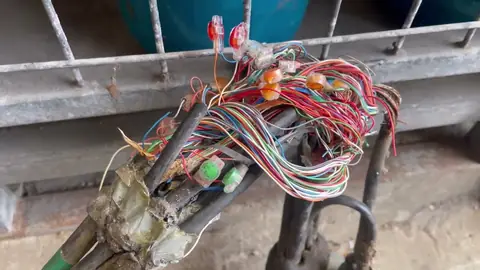
Kirrawee, NSW · FTTC · Filmed on site, 9 min
Two weeks without internet. The fault was on the network side.
The provider couldn't get anyone out for weeks. We bypassed the house wiring end to end, logged every dropout, and found it: a gel-affected joint on a 1980s paper-insulated cable. Our report went to the provider, and they acknowledged the fault.
Read moreShow less
Kirrawee, in the Sutherland Shire, on fibre to the curb. No internet for more than two weeks, with drop-outs and erratic speeds before that, and the provider could not get a technician out for weeks.
On the visit the gateway and the connection device were both tested and swapped, the house wiring was bypassed end to end to rule it out, and the drop-out pattern was logged with PingPlotter. The fault was on the network side: a gel-affected copper joint on a 1980s paper-insulated cable.
Our written report went to the provider, which acknowledged the fault and offered to reimburse the call-out.
Price
What does an NBN technician cost?
$250 inc. GST
What's included
- First hour on site
- Travel up to 40 km
- Testing and diagnosis
- Free basic report by email
- Free speed test on the day
- 90-day warranty on the fix
Free Spaces account with every job, if you want one. What's Spaces?
Extra, only if you need it: more time on site, travel past 40 km, parts, and the $55 and $185 reports.
You're paying for the testing and the answer, so it's payable whether the fault turns out to be yours or the network's.
Read moreShow less
Past the first hour, our hourly rate applies, and you are told before it starts.
We are a specialised service, so we may not be local to you. If you are outside Sydney or more than 40 km from our office, we can still come to you, but the extra travel means an extra travel charge. All travel charges are set out in our terms and conditions.
Fault work is diagnostic. You are paying for the testing and the answer, not for a repair that may not be needed, so the fee is payable whether the fault is inside the premises or on the network side.
What you get in writing
| Report | Price | What it contains |
|---|---|---|
| Basic report | Free | A short written summary by email: what we tested, what we found, and whose side of the boundary it is on. |
| Standard report | $55 | A detailed PDF with the findings, the test results and our recommendations. No photos or video. |
| Escalation report | $185 | Everything in the standard report, plus photos and video of the testing. The report for proving the fault is on NBN's side: written for escalation to your provider or the carrier, a refund claim, or a TIO complaint. |
Trusted on site by
Commercial fault and cabling work, done by the same technician who comes to your house.









Your options
Who does what: your ISP, NBN Co and an independent technician
| Your ISP's technician | An NBN Co contractor | An independent technician | |
|---|---|---|---|
| Who they work for | Your retail service provider (the ISP that bills you). | NBN Co, the wholesale network operator, usually through a subcontractor. NBN Co has no direct relationship with you as the end customer. | You. Hired and paid directly by the customer. Not affiliated with any ISP or with NBN Co. |
| Do they test the wiring inside your premises? | Support is usually remote: a modem reset and a remote line test, then a fault ticket to NBN Co if needed. A remote test does not inspect internal wiring. | They test to the network boundary point. By law that is the customer side of the MDF, or the NTD, or the first socket. Cabling on your side of that point is outside their scope. | Yes. From the router back through every internal socket, the lead-in and the connection device at the boundary, with a VDSL2 tester, and the internal results are compared with tests at the boundary. |
| If the fault is on your side of the boundary | It is not the ISP's responsibility. You are referred to a registered cabler. | Outside their scope. Customer-side cabling is the customer's responsibility and the work of a registered cabler. | Repaired on the spot where possible within the first hour: bridge taps removed, sockets replaced, terminations corrected. NBN Co's Authority to Alter Facilities lets a registered cabler replace or relocate the first socket, remove star wiring and fit a central filter. |
| Do you get a written report? | A support ticket and its outcome. | The job outcome is reported to your ISP, not to you. | Yes. Basic report at no charge, Standard report $55, Full escalation report $185. The full escalation report includes photos and video and is written for your ISP, a refund claim or the TIO. |
| What it costs | Set by your ISP. Check their terms for what an attended visit costs when no network fault is found. | You do not pay NBN Co directly. Any charge comes through your ISP. | $250 inc. GST service call: the first hour on site and travel up to 40 km included. Payable whether the fault is inside the premises or on the network side. |
SourcesHide sources
Sources: network boundary point definitions in the Telecommunications Act 1997 (Cth) and NBN Co's Residential Preparation and Installation standard NBN-DES-STD-0011; NBN Co's Authority to Alter Facilities in Residential and Small Business Premises (F0002-31-11678). Our own fees and reports are in our terms and conditions.
Whoever your provider is, the answer is the same.













Questions
Frequently asked questions
Something not covered? Call 02 9188 1577 and ask, or send it through the contact form and you get the answer in writing.
NBN says the fault is inside my house. Is it?
Sometimes, and often not. Nobody can tell from the phone, and the technician who said it usually tested only to the boundary. We measure what reaches the boundary, then test your own cabling against it. If it is your wiring, we fix it on the spot where we can. If it is not, you get that in writing, with the readings.
My provider won't send a technician. What do I do?
Ring them back and say you have spoken to an independent telecommunications technician. Ask for a line test and a fault ticket to NBN, and if they still decline, ask for the reason in writing. If they say the fault is your wiring, that is when to book us: we test it, and if it is not yours, the report goes back to them with evidence.
Can I contact NBN directly?
Not for a fault. NBN Co sells to providers, not to households, so a fault, a booking or a technician visit all go through the provider you pay your bill to. Ask them for a line test and a fault ticket. If they come back saying the fault is in your house, that is when to book us.
What NBN connection do I have?
Look at the box the NBN plugs into. A box with an optical light is fibre to the premises. A small box beside the phone socket is fibre to the curb. A box on a coax cable is HFC. No NBN box, with the modem plugged into the phone socket, is fibre to the node or building. Not sure? Check your address on our NBN rollout checker.
What do the lights on my NBN box mean?
They show how far the connection is getting. A power light on its own means the box cannot see the network, and that is not something the cabling in your house can cause. On FTTP, a green optical light means the fibre is live and the fault is after the box; red points at the fibre or the lead-in. Note the colours before you ring; they are the first thing we ask.
What is a bridge tap and why does it matter?
It is a phone socket nobody uses any more that is still wired to your copper line, off to one side of the run from the street to the socket your modem is on. Houses were cabled that way when every socket hung off the first one. Each of them splits the signal. On the two copper connections, fibre to the curb and fibre to the node, we find it more than any other fault: slower speeds, and dropouts that come and go. The fix is to remove them.
I'm renting. Who pays for this?
It depends where the fault is. The cabling inside the house or apartment belongs to the owner. The run from the MDF up to the apartment is usually strata's, and from the MDF out to the street it is NBN's. Book the service call. Where the report puts the fault in the landlord's cabling, send it to the agent and ask for the cost back. Where it puts the fault on NBN's side, some providers refund the call-out once the full escalation report is in front of them. That decision is theirs, so it is not something we can promise.
I live in a unit. Is it the MDF?
Often. The main distribution frame is where the street cable meets the building's pairs, and a jumper connects your pair to your apartment. A pair jumpered to the wrong unit, an open circuit between frame and socket, or a jumper pulled out during work on another line all look the same from inside: nothing. Get your cable pair details from your provider before we come.
Someone cut the cable in my yard. Who fixes it?
It depends which cable was cut. From the street up to the boundary the lead-in belongs to NBN, so a cut fibre or copper lead-in is reported to your provider, who books NBN to repair it; splicing a fibre lead is not worth attempting. Anything on your own side is yours to fix, and we replace it, with underground-rated gel-filled cable where it runs in the ground. Send photos of the damage first.
Can you quote to fix my internet?
No, and any honest technician will say the same. Fault finding is not an installation: nobody can price it without testing and tracing the cables. What we can tell you is the service call fee above, which covers the first hour on site and the diagnosis. If the fix turns out to be a cable run, that is quoted separately before any work starts, and you decide.
What happens if it turns out to be NBN's fault?
You get it in writing: what we tested and what the readings showed. We cannot make your provider come out and fix their side; that is on them. But we do everything in our power to help. If you want us with you all the way, we prepare more detailed reports, speak to your provider on your behalf, do the research, and do what it takes to get your provider, the Telecommunications Industry Ombudsman (TIO) or the ACMA involved so you get a result. Some providers refund the call-out when the full escalation report proves the fault was NBN's after you were told it was yours; that is their decision, so we cannot promise it.
Do you work on FTTP, or only copper?
Both. Many people who ring now are on fibre to the premises, and the faults look different: a red optical light on the NBN box, the modem in the wrong port, a fibre lead-in a contractor dug through, a box put somewhere useless. We prove which side of the box the fault is on and put it in writing. HFC, fibre to the curb, node and building are covered too.
How fast can you come out?
The booking calendar shows the next available appointment and you choose the time. Weekend work is by prior arrangement only, at after-hours rates, so book a weekday if you can. If NBN or your provider already has a technician booked, let them come first: that visit costs you nothing and covers the network as far as the boundary, and if the answer is that the fault is not theirs, that is the time to book us.
Are you licensed to work on NBN cabling?
Yes. Our technician is an Open Registered Cabler, registered through ASIAL, an ACMA-accredited cabling registrar. Anyone who works on cabling joined to the phone network or the NBN has to hold that open registration, so if you searched for an NBN cabler, that is what it means. You will find the number in the footer of this page, and the licence and method statement on the about page.
Dig deeper
Guides for this fault
5 guides
- 20Aug
Guide
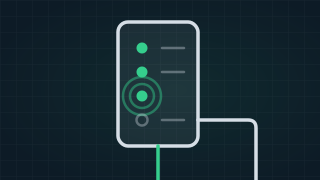
NBN Box Lights Explained: Flashing Blue, Red or Clicking
What the lights on your NBN box mean on fibre, HFC and fibre to the curb: why it clicks, flashes blue or shows red, and what to do before you ring anyone.
Read the guide › - 08Sept
Guide
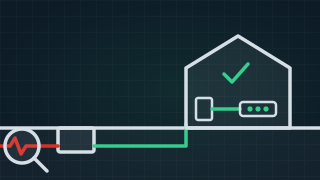
NBN Fault Blamed on Your Wiring? Data From 324 Jobs
324 filmed internet fault jobs analysed. In 56% the fault was not the customer's cabling, and equipment was to blame in 5.6%. See where NBN faults are found.
Read the guide › - 17Dec
Guide
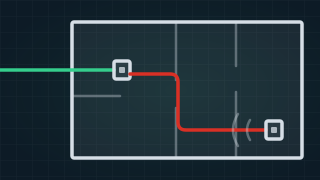
What Is a Bridge Tap? Meaning, NBN Dropouts and the Fix
A bridge tap is an old phone socket still connected to your internet line. What it means, what it does to NBN on FTTC, FTTN and FTTB, and how it is fixed.
Read the guide › - 19Mar
Guide
Telstra Complaints: Told It's Your Wiring? What to Do
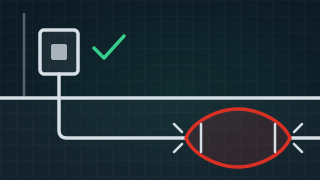
Told your phone or internet fault is your internal wiring? How faults in the old Telstra copper network get missed, what causes them, and how to complain.
Read the guide › - 16Oct
Guide
What Is MDF Jumpering? A Guide From an MDF Technician
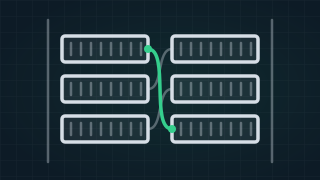
MDF jumpering joins your provider's line to your unit's own cable at the building's main frame. What the MDF room is, what goes wrong there, and how to prepare.
Read the guide ›
NBN Technician
Trusted by 1,000+ businesses